Are you ready to create charming miniature outdoor furniture that brings your garden or dollhouse to life? Making tiny chairs, tables, and benches might seem tricky, but with the right steps, you can craft beautiful pieces that fit perfectly in your little outdoor space.
Imagine having a cozy mini patio that catches everyone’s eye. In this guide, you’ll discover simple tips and tricks to build your own miniature outdoor furniture with ease. Keep reading, and soon you’ll have your hands on tiny masterpieces that add a special touch to your miniature world.
Materials Needed
Making miniature outdoor furniture requires the right materials. Choosing quality items helps create sturdy and attractive pieces. Use materials that are easy to work with and weather-resistant. This section explains the key materials to gather before starting your project.
Types Of Wood And Alternatives
Wood is the best choice for miniature outdoor furniture. Cedar and pine are light and easy to cut. Balsa wood works well for small, detailed pieces. Avoid soft woods that break easily. Plastic or metal strips can replace wood. These alternatives last longer outside but need special tools.
Essential Tools
Basic tools make crafting easier and more precise. A small saw or craft knife helps cut wood. Sandpaper smooths rough edges for a clean finish. A small hammer and nails hold parts together. Tweezers help place tiny pieces with care. A ruler and pencil are needed for measuring and marking.
Additional Supplies
Glue is a must for strong joints. Use wood glue or a hot glue gun. Paint protects the furniture and adds color. Choose outdoor or acrylic paint for durability. Varnish or sealant keeps the wood safe from moisture. Small brushes work best for detailed painting.

Credit: minigardenguru.com
Choosing A Design
Choosing a design is the first step to making miniature outdoor furniture. It sets the style and size for your project. A clear design plan helps you stay organized and focused.
Think about the space where the furniture will go. Pick a style that fits the setting and your taste. Small details in the design make your mini furniture look real.
Popular Miniature Furniture Styles
Classic wooden sets are popular for their warm, natural look. Modern styles with clean lines give a fresh, simple feel. Vintage designs add charm with curved shapes and ornate details. Rustic styles use rough textures and earthy colors to feel cozy outdoors.
Adapting Full-size Designs
Use real outdoor furniture as a model. Shrink the size but keep the main shapes and parts. Change details to suit the miniature scale. This makes your furniture look real and familiar. Check measurements carefully to keep balance and proportion.
Sketching Your Plan
Draw your furniture design on paper. Start with simple shapes like rectangles and circles. Add details like legs, arms, and cushions. Label each part with measurements. A clear sketch guides you while building. It helps avoid mistakes and saves time.
Cutting And Shaping Pieces
Cutting and shaping pieces is the first step in making miniature outdoor furniture. This step helps you get the right size and shape for each part. Accurate cuts create a neat and sturdy final product. Take your time to measure and cut carefully.
Measuring And Marking
Measure each piece with a ruler or tape measure. Mark the cutting lines clearly using a pencil. Double-check all measurements before cutting. Small errors here can cause big problems later. Use a straight edge to draw clean lines for better accuracy.
Safe Cutting Techniques
Use sharp scissors or a craft knife for cutting small pieces. Cut slowly and follow the marked lines closely. Hold your materials steady to avoid slips. Always cut away from your body for safety. Wear protective gloves if needed to keep your hands safe.
Sanding For Smooth Edges
Sand each cut piece with fine-grit sandpaper. Sanding removes rough edges and splinters. Make gentle circular motions to smooth corners and sides. Smooth edges make the furniture look better and safer. Clean off dust before assembling your pieces.
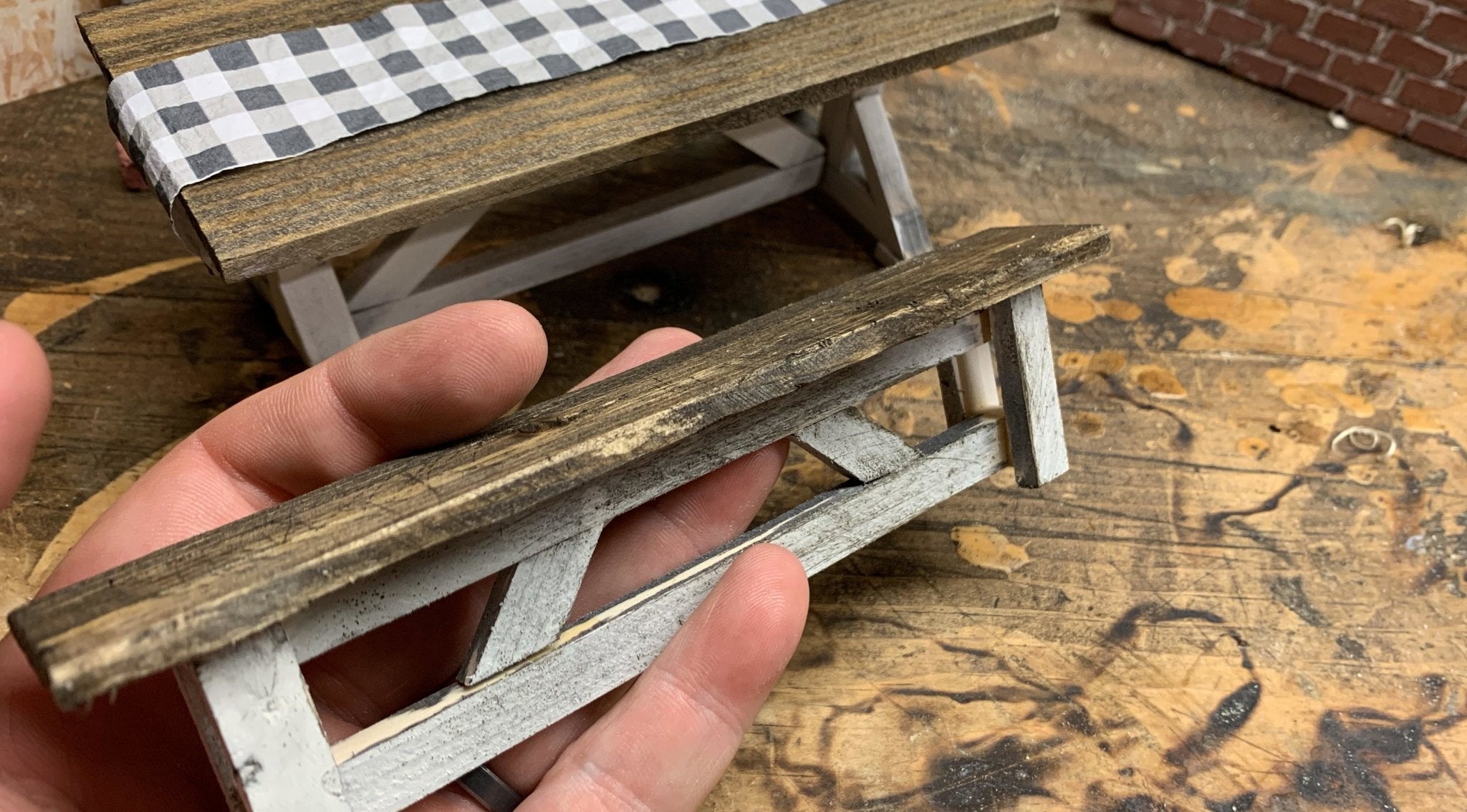
Credit: www.minimaterials.com
Assembling The Furniture
Assembling miniature outdoor furniture is a fun step that brings your project to life. You will join small pieces carefully. This stage needs patience and simple tools. Clear steps help make strong and good-looking furniture.
Basic Joinery Methods
Start with basic joinery methods like butt joints and lap joints. These are easy and work well for small furniture. Cut edges square and fit pieces tightly. Use clamps to hold parts together while joining. Simple joints keep the furniture neat and stable.
Using Glue And Fasteners
Use wood glue for a strong bond. Apply glue evenly on the joining surfaces. Press pieces together firmly and wipe extra glue. Small nails or pins add extra hold. Be gentle with nails to avoid splitting wood. Let glue dry fully before moving to the next step.
Ensuring Stability
Check the furniture for any wobble. Add small braces or corner blocks for extra support. Tighten any loose parts carefully. Test by pressing lightly on different sides. Stable furniture lasts longer and looks better outdoors.
Painting And Finishing
Painting and finishing miniature outdoor furniture is a key step. It protects the pieces and adds charm. A good finish helps the furniture last longer outside. It also keeps colors bright and fresh. Follow simple steps to paint and finish well. The right materials and methods make a big difference.
Choosing Outdoor Paints
Select paint made for outdoor use. These paints resist rain, sun, and cold. Acrylic latex paints work well on wood and plastic. They dry fast and clean up easily. Choose bright colors or natural tones. Match your garden or patio style. Avoid indoor paints as they peel fast outdoors.
Applying Primer And Paint
Start with a primer to help paint stick. Use a primer made for outdoor wood or plastic. Apply one thin coat and let it dry fully. Then add two thin coats of paint. Let each coat dry before the next. Use a small brush or sponge for smooth layers. Thin layers prevent drips and clumps.
Sealing For Weather Resistance
Seal your painted furniture to protect from moisture. Use a clear outdoor sealer or varnish. Apply one or two coats with a clean brush. Let each coat dry completely. The sealer stops paint from cracking or fading. It also blocks water from soaking in. This step keeps your mini furniture looking new.

Credit: www.youtube.com
Adding Details
Adding details to your miniature outdoor furniture brings it to life. Small touches make the furniture look real and inviting. These details help create a cozy and charming miniature scene.
Focus on textures, colors, and small objects. These elements make your mini furniture stand out. Let’s explore easy ways to add those special details.
Cushions And Fabrics
Use small pieces of fabric to make cushions. Choose soft materials like cotton or felt. Cut fabric into tiny squares or rectangles. Sew or glue the edges to keep the stuffing inside. Use cotton balls or foam as stuffing. Pick colors and patterns that match your outdoor theme. Bright colors add cheer, while neutral tones feel calm.
Decorative Accessories
Small accessories add charm to your furniture. Think tiny cups, plates, or lanterns. Use beads or buttons as mini decor items. Add little throws or blankets made from fabric scraps. Place miniature books or baskets for realism. These tiny details create a lived-in look. They make your scene more interesting and fun.
Creating Miniature Plants
Mini plants bring nature to your setup. Use small pieces of sponge or moss for bushes. Twist green wire to form tiny branches. Paint small pebbles to look like flowers. Use small pots or lids as plant containers. Place these plants around or on the furniture. They add freshness and color to your miniature garden.
Maintaining Your Miniature Furniture
Maintaining your miniature outdoor furniture keeps it looking fresh and lasting longer. Small pieces face dirt, weather, and wear. Caring for them regularly protects your investment and enhances their charm.
Cleaning Tips
Use a soft brush to remove dust and dirt. Wipe surfaces gently with a damp cloth. Avoid harsh chemicals that can damage paint or wood. Mild soap and water work well for most materials. Let the furniture dry completely before placing it outside again.
Repairing Damage
Check for cracks, chips, or loose parts often. Use wood glue or craft adhesive to fix small breaks. Sand rough edges carefully to prevent splinters. Replace missing screws or nails with small, matching ones. Paint or varnish touch-ups help protect surfaces and hide repairs.
Storage Suggestions
Store miniature furniture indoors during bad weather or winter. Use a small box or container to keep pieces safe from dust. Wrap delicate parts in soft cloth to avoid scratches. Keep them away from direct sunlight to prevent fading. Proper storage extends the life of your mini furniture.
Frequently Asked Questions
What Materials Are Best For Miniature Outdoor Furniture?
Wood, metal, and sturdy plastic are ideal for miniature outdoor furniture. These materials withstand outdoor conditions and are easy to shape. Use weather-resistant paint or sealant to protect your pieces from moisture and sun damage, ensuring durability and longevity.
How Do I Protect Miniature Furniture Outdoors?
Apply a clear waterproof sealant to protect miniature furniture. This prevents water damage and fading from sunlight. Regularly inspect and reapply sealant to maintain protection. Store furniture indoors during harsh weather to extend its lifespan and keep it looking new.
What Tools Are Needed To Make Miniature Outdoor Furniture?
Basic tools include a craft knife, small saw, sandpaper, glue gun, and paintbrushes. These help cut, shape, smooth, assemble, and finish your miniature pieces. Using the right tools ensures precision and a professional look for your outdoor furniture models.
How Can I Make Miniature Outdoor Furniture Look Realistic?
Use scale-appropriate details like tiny cushions, textured finishes, and weathered paint. Incorporate natural elements such as miniature plants or stones. Attention to color, texture, and proportion creates a lifelike miniature outdoor furniture set that enhances any display.
Conclusion
Creating miniature outdoor furniture can be a fun and rewarding project. Small tools and simple materials make the process easy. Take your time and enjoy each step. These tiny pieces add charm to any outdoor space. They also make great gifts for friends and family.
Try different designs to find what you like best. Practice will help you improve your skills quickly. Keep your creations safe from weather damage. Soon, you’ll have a lovely collection to showcase. Start your miniature furniture project today and have fun!