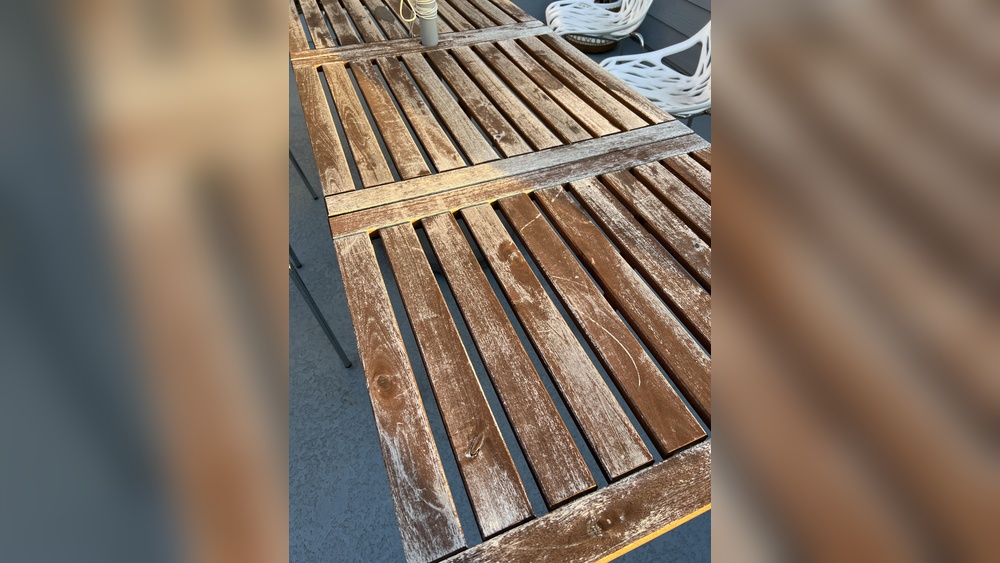
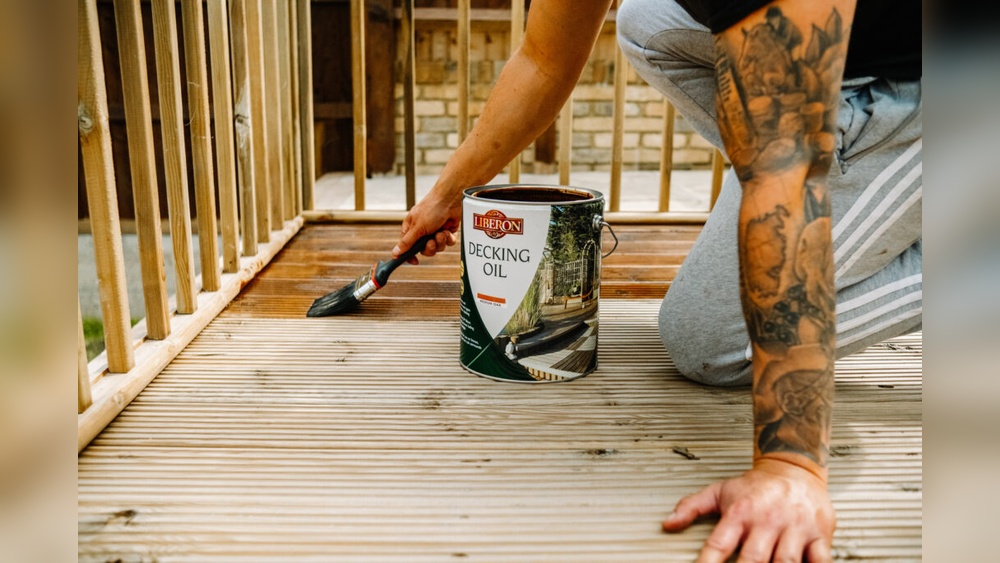
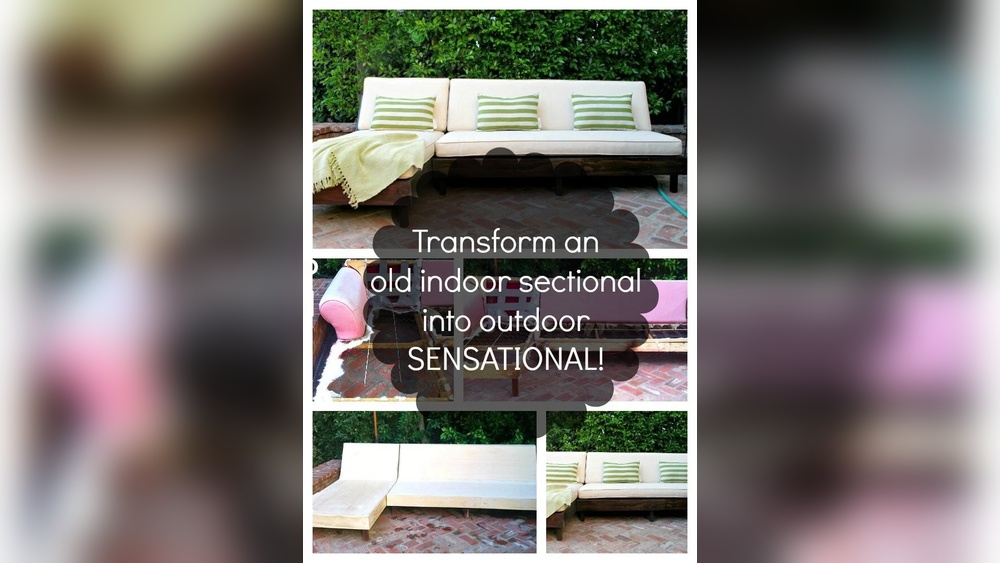
Are you ready to give your outdoor furniture a fresh, vibrant look that lasts? Knowing how to prime and paint your outdoor pieces can completely transform your space and protect your investment from the elements.
This guide will walk you through simple, effective steps that anyone can follow—even if you’ve never painted furniture before. By the end, you’ll have the confidence and know-how to make your outdoor furniture look amazing and stay beautiful season after season.
Keep reading to discover the secrets to a flawless finish that will impress everyone who sees it.

Credit: www.youtube.com
Choosing The Right Paint
Choosing the right paint for outdoor furniture is very important. It protects the furniture from weather damage. It also keeps the furniture looking fresh and new. Picking the right paint can make your furniture last longer. It also makes your outdoor space more beautiful.
Types Of Paint For Outdoor Furniture
Use paint made for outdoor use. Acrylic latex paint is a popular choice. It dries fast and resists cracking. Oil-based paint is strong and durable. It handles moisture well. Chalk paint gives a matte finish and works on many surfaces. Each paint type offers different benefits. Choose based on the material of your furniture.
Color Selection Tips
Pick colors that match your outdoor space. Light colors reflect heat and stay cooler. Dark colors hide dirt and stains better. Bright colors add energy and fun. Neutral tones create a calm, classic look. Think about how colors look in sunlight. Test paint samples before deciding. This helps avoid surprises later.
Eco-friendly Options
Eco-friendly paints are safer for the environment. They have fewer harmful chemicals and low odors. Water-based paints are often eco-friendly. Look for paints labeled as low-VOC or zero-VOC. These paints protect air quality. They are safer for your family and pets. Using eco-friendly paint supports a healthier planet.
Credit: www.charlestoncrafted.com
Preparing Furniture For Painting
Preparing outdoor furniture for painting is the key to a long-lasting finish. Proper preparation helps paint stick better and resist weather damage. Skipping these steps can cause peeling and uneven coverage. Take time to clean, fix, and prime the surfaces for the best results.
Cleaning And Sanding Surfaces
Start by cleaning the furniture to remove dirt and grime. Use mild soap and water or a special cleaner for outdoor furniture. Rinse well and let it dry completely. Sand the surface with fine-grit sandpaper to smooth rough spots. Sanding also helps paint stick by creating a rough texture.
Repairing Damages
Check for cracks, holes, or loose parts. Fill small holes with wood filler or putty. Let the filler dry, then sand it smooth. Tighten screws and fix any broken sections. Repairing damages before painting ensures a smooth, even surface.
Priming For Better Adhesion
Apply a quality primer to the clean, dry surface. Primer seals the furniture and improves paint adhesion. Choose a primer made for outdoor use and the furniture material. Allow the primer to dry fully before painting. Priming prevents peeling and extends the paint’s life.
T Prime Techniques
T Prime techniques prepare outdoor furniture for painting. They create a smooth base that helps paint stick better. Proper T Prime use protects furniture from weather damage. It also extends the life of your paint job.
Understanding the right T Prime methods is key. It ensures strong adhesion and a clean finish. Below are important points about T Prime techniques.
Benefits Of T Prime
T Prime protects furniture from moisture and rust. It stops paint from peeling or cracking over time. The primer fills small cracks and rough spots. This creates an even surface for painting. It also improves paint color and shine. Using T Prime saves money by reducing repainting needs.
Applying T Prime Correctly
Clean furniture well before applying T Prime. Remove dirt, dust, and old paint flakes. Use a brush or spray for even coverage. Apply a thin, uniform coat. Avoid thick layers to prevent drips and bubbles. Work in a well-ventilated area for safety. Follow product instructions for best results.
Drying And Curing Times
T Prime needs time to dry fully. Drying usually takes 30 minutes to one hour. Curing may take 24 hours or more. Avoid painting too soon to prevent paint problems. Check weather conditions; humidity can slow drying. Allow full curing for a strong, lasting finish.
Credit: www.charlestoncrafted.com
Painting Tips And Tricks
Painting outdoor furniture is a great way to refresh old pieces and protect them from weather. Good painting techniques help the paint last longer and look better. Knowing a few tips and tricks makes the job easier and the results stronger.
Brush Vs Spray Painting
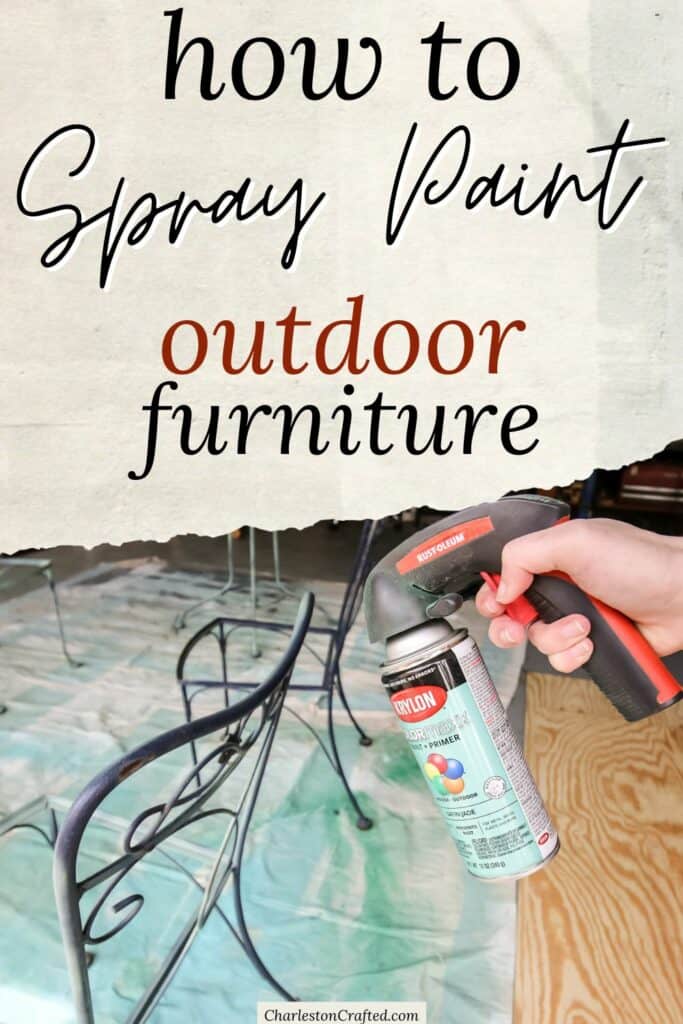
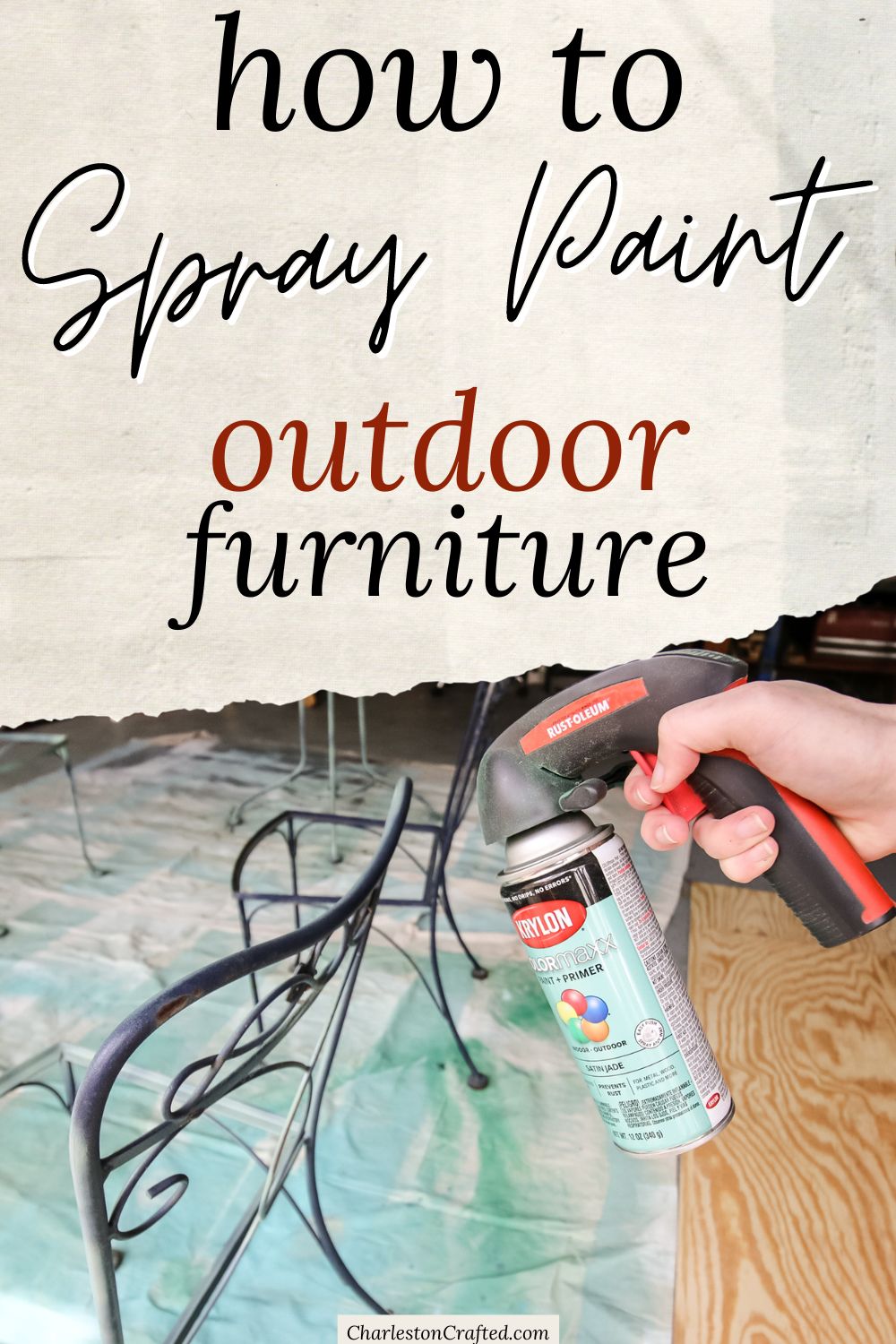
Brush painting is simple and gives good control on small areas. It works well for detailed parts and edges. Spray painting covers large surfaces fast and creates a smooth finish. It is best for flat or curved surfaces. Choose the method that fits your furniture shape and your skill level.
Layering For Durability
Apply several thin layers instead of one thick layer. Thin layers dry faster and stick better. Let each layer dry before adding the next. This builds a strong, even coat. It stops paint from peeling or cracking in the sun and rain.
Avoiding Common Mistakes
Clean furniture well before painting. Dirt and dust stop paint from sticking. Sand rough or old paint areas for smoothness. Do not paint in direct sunlight or high wind. These conditions dry paint too fast or cause dust to stick. Use primer for bare wood or metal. It helps paint hold better and last longer.
Protecting Painted Furniture
Protecting painted outdoor furniture helps keep it looking fresh and new for a long time. Paint alone is not enough to fight sun, rain, and dirt. A good finish and proper care create a strong barrier. This barrier stops damage and preserves colors. Follow simple steps to protect your furniture and enjoy it through every season.
Sealing And Finishing Options
Sealing painted furniture adds an extra layer of protection. Use a clear sealant designed for outdoor use. It prevents water from soaking into the wood or metal. Choose between matte, satin, or glossy finishes based on your style. Some sealants also block UV rays that fade paint. Apply two thin coats for the best results. Let each coat dry fully before adding the next.
Maintenance And Cleaning
Clean painted furniture regularly to avoid dirt buildup. Use a soft brush or cloth with mild soap and water. Avoid harsh chemicals that can damage paint or sealant. Rinse well and dry with a towel to stop moisture damage. Inspect furniture often for chips or cracks in the paint. Touch up small areas to prevent bigger problems.
Seasonal Care Advice
Prepare furniture for changing seasons to extend its life. In winter, cover or store pieces indoors to shield them from cold and moisture. During summer, place furniture in shaded areas to reduce sun exposure. Move furniture off wet ground to avoid water damage. Check sealants yearly and reapply as needed. Simple seasonal care protects your investment and keeps furniture looking great.
Troubleshooting Paint Issues
Painting outdoor furniture can bring new life to old pieces. Yet, paint problems often arise. These issues can affect the look and durability of your furniture. Knowing how to fix common paint problems helps keep your furniture fresh and strong.
Handling Peeling And Cracking
Peeling and cracking happen when paint loses grip on the surface. Dirt, moisture, or poor preparation cause this. Start by removing loose paint with a scraper or sandpaper. Clean the area well. Apply a primer made for outdoor use. Then repaint with quality paint. This process ensures better adhesion and longer life.
Dealing With Fading
Sunlight fades paint over time. Faded colors look dull and worn. Clean the furniture gently to remove dirt and dust. Use paint designed to resist UV rays. Apply at least two coats for full coverage. Regular touch-ups keep colors bright and fresh. Shade or cover furniture to slow fading.
Touch-up Techniques
Small scratches or chips need quick fixes. Lightly sand the damaged spot to smooth edges. Clean the area before painting. Use a brush or small roller for even application. Match the paint color closely to the original. Let it dry fully before use. Touch-ups help furniture look well cared for and last longer.
Frequently Asked Questions
What Is The Best Primer For Outdoor Furniture?
The best primer for outdoor furniture is a bonding or exterior primer. It ensures paint adheres well and resists weather damage. Choose a primer compatible with your furniture material, like wood or metal, for lasting protection and smooth finish.
How Do I Prepare Outdoor Furniture For Painting?
Clean the furniture thoroughly to remove dirt and old paint. Sand the surface lightly to create a smooth base. Remove dust before applying primer. Proper preparation ensures paint adheres better and lasts longer outdoors.
How Many Coats Of Primer And Paint Are Needed?
Apply one coat of primer for proper adhesion. Use two coats of paint for an even, durable finish. Allow each coat to dry completely before applying the next to prevent peeling and ensure longevity.
Can I Use Regular Paint On Outdoor Furniture?
Regular indoor paint is not suitable for outdoor furniture. Use exterior-grade paint designed to withstand weather, moisture, and UV rays. This ensures your furniture remains vibrant and protected over time.
Conclusion
T priming and painting outdoor furniture protect it from weather damage. They help furniture last longer and look fresh. Clean the surface well before starting. Use smooth, even strokes while painting. Choose paint made for outdoor use for best results.
Let each coat dry fully before adding another. This simple process keeps your furniture strong and attractive. A little care goes a long way. Enjoy your refreshed outdoor space with confidence.