Are you wondering how to make the switch from a crib to a bed without tears and stress? Transitioning your toddler to a bed is a big step for both of you.
It can feel overwhelming, but with the right approach, you can make this change smooth and safe. Imagine your child feeling excited and secure in their new bed, sleeping peacefully through the night. You’ll discover simple, effective tips to help your toddler adjust comfortably.
Keep reading to find out how to turn this milestone into a positive experience for your whole family.
Choosing The Right Bed
Choosing the right bed is an important step in moving your toddler from a crib. The bed must feel safe and cozy. It should fit your child’s size and needs. Selecting the right bed helps your toddler sleep well and feel secure.
Toddler Bed Vs. Crib
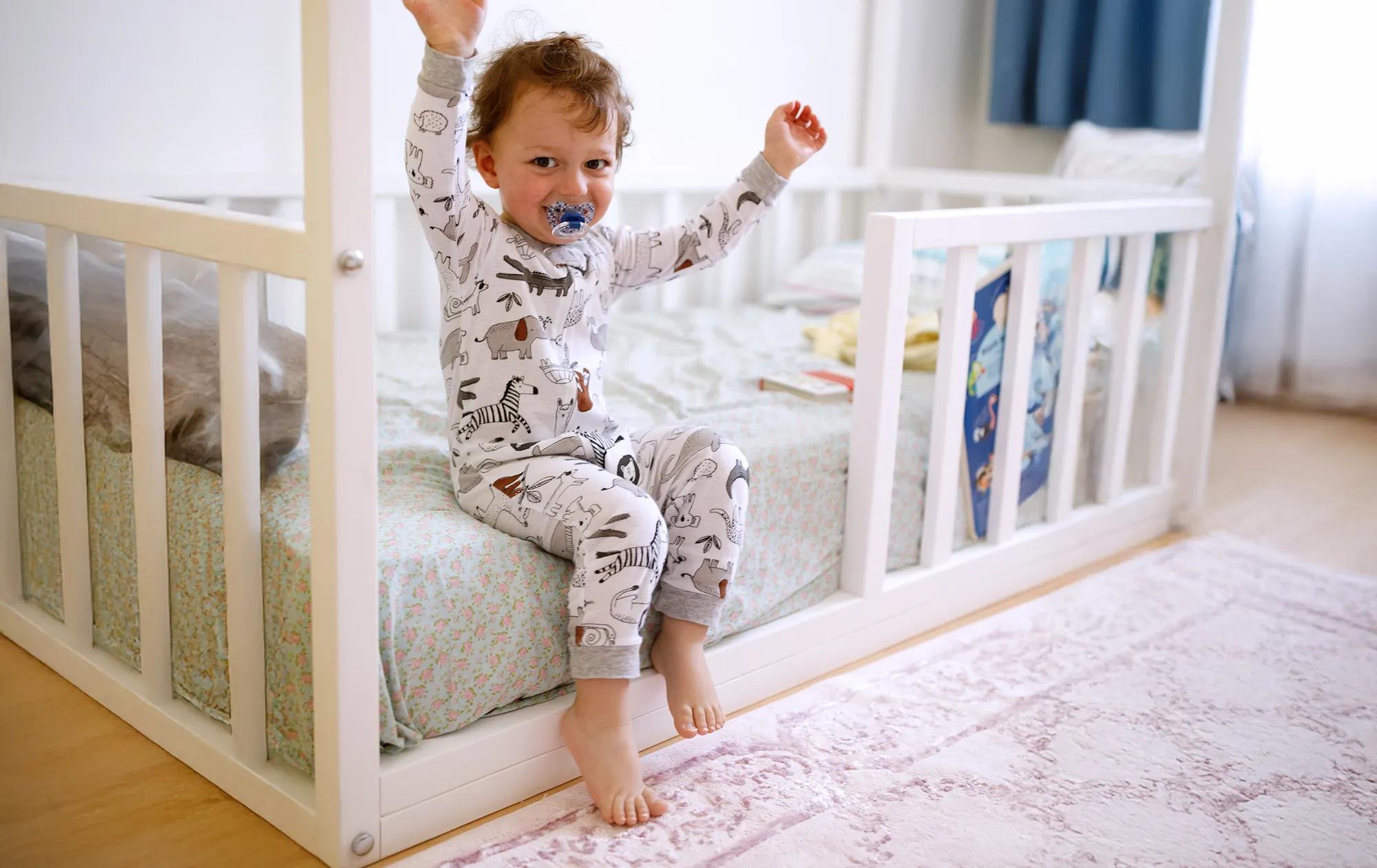
Toddler beds are smaller than regular beds. They have low sides to stop your child from falling. Cribs have high bars around all sides for safety. Toddlers need more space and freedom to move. A toddler bed lets them climb in and out easily. It also helps them feel more grown-up.
Safety Features To Look For
Check that the bed has strong rails on the sides. These rails keep your toddler safe during sleep. The bed frame should be sturdy and not wobble. Avoid beds with sharp edges or small parts. Make sure the mattress fits tightly inside the bed frame. This prevents gaps that can trap little fingers or toes.
Making The Bed Comfortable
Choose a mattress that is firm but soft enough to sleep well. Use fitted sheets that stay in place all night. Add a few favorite blankets or stuffed animals for comfort. Keep the bed area tidy to reduce distractions. A cozy bed helps your toddler relax and enjoy bedtime.
Preparing Your Toddler
Preparing your toddler for the move to a bed helps make the change smooth. Toddlers feel safer when they understand what to expect. This preparation builds excitement and reduces fear. Start early to give your child time to adjust. Use gentle, clear words. Let your toddler explore and get used to the new bed before sleeping in it.
Talking About The Change
Talk to your toddler about moving to a bed. Use simple words and be positive. Explain that the bed is bigger and more comfortable. Tell them they will sleep like a big kid now. Answer questions with patience. Keep the talk short and sweet. Repeat the message often to help your child feel ready.
Reading Bedtime Stories
Choose bedtime stories about sleeping in a bed. Stories help toddlers understand changes. Read the stories together every night. Let your child hold the book and turn pages. Make the reading time calm and cozy. This routine links the new bed to comfort and safety. It also builds a happy bedtime habit.
Visiting The Bed Together
Spend time with your toddler near the new bed. Let them touch and sit on it. Show how soft the sheets and pillows are. Play quietly on the bed to make it fun. This helps your child feel safe and curious. Visit the bed often before bedtime. Your toddler will start to see the bed as a friendly place.
Creating A Bedtime Routine
Creating a bedtime routine helps toddlers feel safe and ready for sleep. It makes the move to a bed easier and less stressful. A steady routine teaches your child when it is time to wind down. Calm moments before bed can improve sleep quality and mood.
Consistent Sleep Schedule
Set a regular bedtime and wake-up time every day. This consistency helps your toddler’s body clock adjust. Avoid big changes in sleep times, even on weekends. A steady schedule makes falling asleep easier and faster. Your child will learn to expect sleep at the same time daily.
Calming Activities Before Sleep
Choose quiet activities to do before bedtime. Reading a short story or singing soft songs works well. Dim the lights to signal that the day is ending. Avoid screens and loud play at least 30 minutes before bed. These calm moments help your toddler relax and prepare for sleep.
Using Comfort Objects
Introduce a favorite blanket, stuffed animal, or toy at bedtime. Comfort objects give your child a sense of security in the new bed. Let your toddler hold or cuddle the object as they fall asleep. This helps reduce anxiety and builds a positive sleep habit. Keep the comfort object nearby every night.

Credit: www.whattoexpect.com
Handling Challenges
Transitioning your toddler to a bed can bring many challenges. These challenges can test your patience and your child’s comfort. Knowing how to handle these issues helps make the change easier. Here are some common problems and ways to manage them.
Dealing With Nighttime Fears
Nighttime fears are common in toddlers moving to a bed. The new space feels big and strange. Shadows and noises can seem scary. Comfort your child with a nightlight or favorite toy. Speak softly and reassure them. Stay calm and patient during these moments. Avoid rushing or dismissing their feelings. Slowly, they will feel safer in their new bed.
Managing Bedtime Resistance
Toddlers may resist bedtime to avoid the change. They might cry, stall, or ask for extra stories. Set a clear bedtime routine and stick to it. Keep the routine calm and predictable. Offer choices like picking a book or a stuffed animal. Praise your child for staying in bed. Stay firm but loving to build trust. Consistency helps reduce resistance over time.
Addressing Night Wakings
Night wakings are normal during this transition. Your toddler might get out of bed or call for you. Gently guide them back to bed without too much attention. Avoid turning on bright lights or making it playful. Use a calm voice to reassure them. Over time, they learn to settle back on their own. Patience is key to handling these wake-ups.
Encouraging Independence
Encouraging independence is key when transitioning your toddler to a bed. It helps your child feel confident and safe. Toddlers love to make choices and feel in control. Supporting this independence makes bedtime a positive experience. The process builds trust and reduces bedtime resistance.
Letting Your Toddler Choose Bedding
Allow your toddler to pick their bedding. Let them choose colors or patterns they like. This simple act gives them a sense of control. It makes the new bed feel personal and special. Your child will look forward to bedtime with their chosen sheets and blankets.
Praising Progress
Celebrate every small step your toddler takes. Praise them for getting into bed or staying there all night. Use kind words like “good job” or “I’m proud of you.” Positive feedback encourages your child to keep trying. It builds their confidence and makes the change easier.
Gradual Nighttime Separation
Start by staying close as your toddler falls asleep. Slowly increase the distance each night. Move from sitting beside the bed to the doorway. This gradual change helps your child feel safe. It reduces fear and builds trust in their own space.
Credit: health.clevelandclinic.org
Safety Tips For The Transition
Transitioning your toddler to a bed is exciting but needs care. Safety is the top priority during this change. Toddlers explore more and move freely, so the room must be secure. Taking simple steps can prevent accidents and give parents peace of mind. Here are key safety tips to help with this transition.
Childproofing The Room
Remove sharp or small objects from your toddler’s reach. Cover electrical outlets with safety plugs. Anchor furniture to the wall to stop tipping. Keep cords from blinds or curtains out of reach. Use soft rugs or carpet to cushion any falls. Make sure the room is tidy and free of clutter.
Using Bed Rails
Bed rails stop your toddler from rolling out of bed. Choose rails that fit the bed size securely. Check that the rails have no gaps where a child can get stuck. Install them firmly to avoid accidents. Bed rails give toddlers a safe boundary at night.
Monitoring With Baby Monitors
Baby monitors help you watch your toddler from another room. Use audio or video monitors to track their sleep and movements. This allows quick response if your child wakes or tries to leave the bed. Keep the monitor close enough to hear or see clearly. Monitors add extra safety and calm for parents.

Credit: busytoddler.com
Frequently Asked Questions
When Is The Best Age To Transition A Toddler To A Bed?
Most toddlers transition between 18 months and 3 years. Signs like climbing out of the crib indicate readiness. Every child is different, so observe your toddler’s behavior and comfort before making the change.
How Can I Make The Toddler Bed Transition Easier?
Introduce the bed gradually with familiar bedding. Maintain a consistent bedtime routine and offer comfort items like a favorite toy. Praise your toddler for sleeping in the bed to build positive associations.
What Safety Measures Should I Take For Toddler Beds?
Use bed rails to prevent falls and ensure the bed is close to the floor. Remove choking hazards and keep the room childproofed. Check that the mattress fits snugly within the bed frame.
How Do I Handle Toddler Bedtime Resistance During Transition?
Stay calm and consistent with bedtime rules. Offer gentle reassurance and avoid giving in to demands. Establish a soothing pre-sleep routine to help your toddler feel secure and relaxed.
Conclusion
Transitioning your toddler to a bed takes patience and care. Keep a calm and steady routine each night. Let your child feel safe and comfortable in the new bed. Praise small steps and be ready for some setbacks. Remember, every child moves at their own pace.
Celebrate progress, no matter how small it seems. Soon, your toddler will enjoy their new sleeping space. This change can bring more freedom and confidence for your little one. Stay positive and consistent throughout the process.
