Are you wondering how long your toddler bed will last before it’s time to move on? Choosing the right bed for your little one is more than just picking a cute design.
You want something safe, comfortable, and durable enough to handle all the jumping, playing, and growing. But how do you know when it’s time to upgrade to a bigger bed? Keep reading, and you’ll discover everything you need to know about the lifespan of a toddler bed and how to make the most out of it for your child’s comfort and safety.
Toddler Bed Lifespan
The toddler bed lifespan varies depending on several factors. Choosing the right bed means understanding how long it will last. A toddler bed should provide safety and comfort during early childhood. Parents want to know how many years they can use it before needing a new one. This section explains the average duration and what affects the bed’s longevity.
Average Duration
Most toddler beds last between 2 to 4 years. This range fits the time when a child grows from toddler to early school age. Some beds may last longer if well maintained. Others might need replacement sooner due to heavy use. The average duration helps parents plan for future bed needs.
Factors Influencing Longevity
Material quality plays a big role in how long a bed lasts. Solid wood beds usually last longer than plastic ones. The child’s weight and activity level also matter. Rough use can wear out the bed faster. Proper care and regular checks help extend the bed’s life. Assembly quality affects stability and safety over time. Room conditions like humidity can damage the bed material. Understanding these factors helps parents pick a durable toddler bed.

Credit: myfirstnursery.co.uk
Materials And Build Quality
The materials and build quality of a toddler bed affect how long it lasts. Strong materials can support active toddlers and stay safe over time. Poor materials might break or wear out quickly. Choosing the right build helps the bed last through toddler years and beyond.
Wood Types
Wood is a common material for toddler beds. Solid wood like oak or maple offers strong support and lasts many years. Pine is softer and lighter but less durable. Look for beds with smooth finishes and no sharp edges. Good wood beds can handle rough use and remain sturdy.
Metal Frames
Metal frames provide great strength and stability. Steel frames resist bending and hold up well to heavy use. Metal beds often have a simple design and can be lightweight. Check for smooth welds and rust-resistant coatings. Metal toddler beds can last a long time if cared for.
Plastic Options
Plastic toddler beds are lightweight and easy to clean. They often come in fun colors and shapes. High-quality plastic beds are durable but may not support very active toddlers as well. They can crack or fade over time. Plastic beds work well for travel or small spaces.
Design And Safety Features
The design and safety features of a toddler bed play a big role in how long it lasts. These features protect your child and make the bed strong enough for daily use. Choosing a bed with good design and safety helps it stay useful for many years.
Sturdy Construction
A solid frame keeps the bed stable and safe. Beds made from strong wood or metal last longer. Tight joints and quality materials prevent wobbling or breaking. A sturdy bed supports active toddlers as they grow.
Guardrails And Safety
Guardrails stop toddlers from falling out during sleep. They should be high enough to protect but low enough for easy access. Rounded edges and smooth surfaces reduce injury risk. Safety features like non-toxic paint keep children safe.
Weight Capacity
Each toddler bed has a weight limit. This limit shows how much weight the bed can hold safely. Choosing a bed with a higher weight capacity means it lasts longer. It can support your child as they grow bigger and stronger.

Credit: myfirstnursery.co.uk
Usage Patterns And Impact
Usage patterns affect how long a toddler bed will last. The way a child uses the bed changes its durability and lifespan. Parents notice that daily use wears the bed faster. Occasional use keeps it in better shape. Understanding these patterns helps decide when to replace the bed.
Careful attention to usage also protects the bed’s structure. Small changes in behavior and routine impact how long the bed stays useful. Let’s explore the key factors that influence toddler bed lifespan.
Child’s Growth And Behavior
A toddler’s growth changes their bed needs quickly. As children grow taller and heavier, the bed must support them well. Some kids move a lot in sleep. Others stay still. Active sleepers may cause more wear and tear.
Behavior like climbing or jumping on the bed also affects its durability. Rough use can loosen bolts or crack frames. A calm child helps the bed last longer.
Frequency Of Use
How often the toddler uses the bed matters. A bed used every night shows wear faster. Daily use means more cleaning and checks are needed. Beds used only for naps or occasional sleep stay in better shape.
Parents often switch between toddler and crib beds. This change can extend the toddler bed’s life. Less frequent use reduces damage and keeps the bed stable.
Maintenance And Care
Regular maintenance keeps a toddler bed safe and strong. Tightening screws and checking the frame prevents breakage. Cleaning the bed stops dirt build-up that can weaken materials.
Using protective covers and avoiding heavy jumping helps too. Simple care routines add years to the bed’s lifespan. Well-maintained beds provide better comfort and safety for toddlers.
Signs To Replace A Toddler Bed
Knowing when to replace a toddler bed is important for your child’s comfort and safety. Toddlers grow fast, and their needs change. Signs that a bed needs replacement can be subtle or clear. Paying attention to these signs helps keep your child safe and happy during sleep.
Wear And Tear Indicators
Look closely at the bed for damage. Cracks, splinters, or broken parts show wear and tear. Loose screws or wobbly frames can cause accidents. Faded or torn bedding also signals it may be time for a new bed. These signs affect the bed’s strength and comfort.
Safety Concerns
Safety should always come first. Check if the guardrails are still secure and high enough. Gaps between slats or rails can trap little fingers or limbs. Sharp edges or peeling paint are hazards. If the bed no longer meets safety standards, replace it immediately.
Outgrowing The Bed
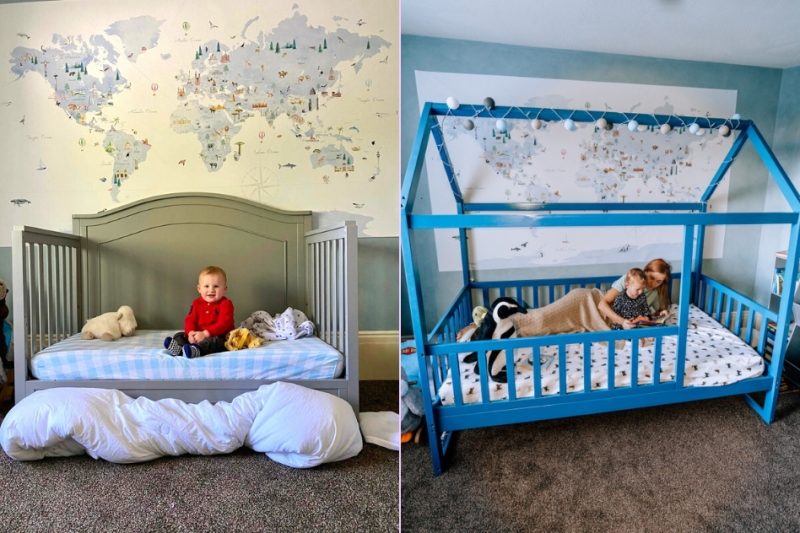
Children outgrow toddler beds quickly. When your child’s feet hang over the edge, it’s too small. If they climb out easily, the bed no longer fits their size or activity. Moving to a bigger bed helps them sleep better and stay safe.
Credit: annainthehouse.com
Extending Toddler Bed Durability
Transitioning from a toddler bed is an important step for both parents and children. It marks growth and new routines. This change needs care and planning to make it smooth and positive. Understanding when and how to make this move helps your child feel safe and happy.
When To Move To A Bigger Bed
Watch for signs your child has outgrown the toddler bed. If your child climbs out often or the bed feels too small, it is time to change. Also, if your child shows interest in a bigger bed, that can be a clue. Usually, this happens between ages 3 and 5.
Choosing The Next Bed
Select a bed that fits your child’s size and room space. Look for beds with safety features like guardrails. A twin bed or a small single bed works well. Choose a bed that your child will find comfortable and fun.
Preparing Your Child
Talk about the new bed before the move. Show pictures or visit a store together. Let your child help pick bedding or decorations. Keep the bedtime routine familiar to reduce anxiety. Praise your child for sleeping in the new bed to build confidence.
Frequently Asked Questions
How Long Does A Toddler Bed Typically Last?
A toddler bed usually lasts 2 to 4 years. It depends on the child’s growth and bed quality. Some beds convert to twin sizes, extending their lifespan.
When Should I Transition My Child From A Toddler Bed?
Transition when your child is 18 months to 3 years old. Look for signs like climbing out or outgrowing the crib. Safety and comfort are key factors.
Can Toddler Beds Be Used For Older Children?
Most toddler beds suit children up to 5 years old. Beyond this, a twin or full bed is more appropriate for comfort and safety.
How Do I Know When To Replace A Toddler Bed?
Replace when the child outgrows the bed or it becomes unsafe. Check for wear, loose parts, or if the child feels cramped. Safety should always come first.
Conclusion
Toddler beds usually last for about two to three years. This depends on your child’s growth and how well the bed holds up. Many beds can be used longer if they are sturdy and well cared for. Choosing a bed with good materials helps it stay safe and comfortable.
Remember, your child’s comfort and safety matter most. Changing the bed when your child grows bigger keeps sleep safe and cozy. A toddler bed is a smart step between a crib and a big bed. It fits your child’s needs during those early years.