Do you ever feel like your bookshelf speakers aren’t delivering the rich, clear sound you expected? Maybe the music sounds flat, or the bass just isn’t punchy enough.
The good news is, you don’t have to buy a new system to get better sound. With a few simple upgrades and tweaks, you can transform your speakers and enjoy your favorite tunes like never before. Ready to discover easy ways to boost your speaker’s performance?
Keep reading, because improving your sound is easier than you think.

Credit: www.bhphotovideo.com
Assess Current Speaker Setup
Before upgrading your bookshelf speaker’s sound, check your current setup. This step helps you find easy fixes and avoid extra costs. Small changes can improve sound quality a lot. Take time to assess how your speakers work in your space. Look at placement, room features, and speaker condition. These factors affect sound more than you might think.
Check Speaker Placement
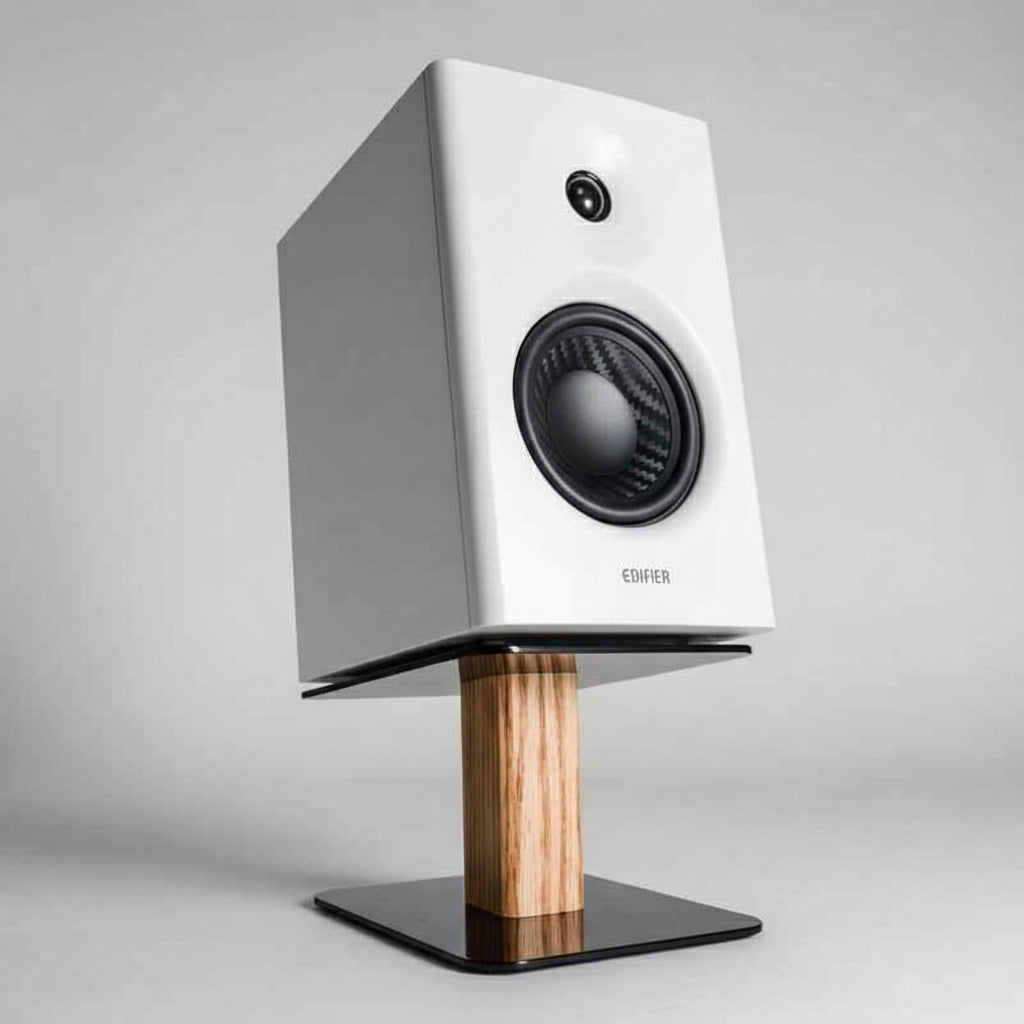
Position affects sound clarity and bass strength. Place speakers at ear level when seated. Avoid putting them too close to walls or corners. These spots can cause unwanted echoes or boomy bass. Give speakers some space to breathe. Try small moves forward or back to hear differences. Proper placement brings clearer, fuller sound.
Evaluate Room Acoustics
Room size and materials change sound quality. Hard floors and bare walls cause sound to bounce. Soft items like curtains and rugs absorb echoes. Add these if your room sounds harsh or bright. Large rooms may need speakers closer together. Small rooms benefit from more distance. Adjust room setup to match your speakers.
Inspect Speaker Condition
Check for dust, damage, or loose parts on your speakers. Dirty drivers or torn cones reduce sound quality. Clean gently with a soft cloth. Tighten screws and connections for stable performance. Faulty cables can cause crackling or weak sound. Replace any worn parts. Well-maintained speakers perform their best.
Credit: iwoodstore.com
Upgrade Speaker Components
Upgrading the parts inside your bookshelf speaker can improve sound quality a lot. Small changes inside the speaker help make the music clearer and richer. Focus on three key areas: speaker drivers, crossovers, and damping materials. Each part plays a role in how your speaker sounds.
Changing or improving these parts can bring better bass, clearer highs, and less unwanted noise. Let’s see how to upgrade each component step by step.
Replace Speaker Drivers
Speaker drivers create the sound you hear. Over time, drivers can wear out or limit sound quality. Replacing old drivers with new, higher-quality ones can bring sharper sound and better volume. Choose drivers that fit your speaker’s size and style. Tweeters improve high notes, while woofers handle low sounds. Matching drivers helps balance the sound.
Improve Crossovers
Crossovers send the right sounds to the right drivers. A poor crossover can cause muddled or weak sound. Upgrading to better crossover parts, like high-quality capacitors and coils, makes sound clearer. Good crossovers reduce distortion and help drivers work well together. Custom crossovers can be made to fit your speaker perfectly.
Add Damping Materials
Damping materials reduce unwanted vibrations inside the speaker box. These vibrations can cause noise and blur the sound. Adding foam or wool inside the cabinet helps absorb sound waves. This makes the music cleaner and more natural. Proper damping stops echoes and improves bass response.
Enhance Amplification
Enhancing the amplification of your bookshelf speakers can greatly improve their sound quality. Better amplification means clearer, louder, and more detailed audio. Small changes in amplification can make a big difference in your listening experience. Focus on the right amplifier, matching power and impedance, and using quality cables.
Choose A Better Amplifier
Selecting a good amplifier is key to improving sound. A better amplifier delivers cleaner power to your speakers. It reduces distortion and noise, making music sound clearer. Look for an amplifier with enough power for your speakers. A quality amplifier can bring out details you never noticed before.
Match Impedance And Power
Speakers and amplifiers must work well together. Check the speaker’s impedance and match it with the amplifier’s output. This match helps the system work efficiently. Using the right power level avoids damage and distortion. Proper matching ensures your speakers perform at their best.
Use Quality Cables
Cables connect your amplifier to the speakers. Using quality cables keeps the signal clean and strong. Cheap or old cables can cause signal loss and noise. Choose cables with good insulation and solid connectors. Proper cables improve sound clarity and reduce interference.
Optimize Speaker Positioning
Optimizing the position of your bookshelf speakers can greatly improve their sound quality. Proper placement helps the speakers deliver clearer, richer audio. Small changes in height, angle, and distance can make a big difference. Let’s explore how to position your speakers for the best sound.
Find Ideal Height And Angle
Place speakers at ear level when you sit down. This height helps you hear details clearly. Tilt speakers slightly toward your ears. Angling them improves sound focus and clarity. Avoid placing speakers too high or too low.
Adjust Distance From Walls
Keep speakers a few inches away from walls. Too close causes bass to sound muddy. Too far can weaken bass response. Test different distances to find balance. Aim for clear sound with good bass and treble.
Create A Listening Sweet Spot
Set up speakers so sound meets at one spot. This spot is where you get the best audio. Sit in this area for best listening. Adjust speaker positions until sound feels balanced. The sweet spot makes music and voices clear and natural.
Use Acoustic Treatments
Using acoustic treatments can greatly improve the sound of your bookshelf speakers. These treatments help control how sound waves behave in your room. They reduce echoes, control bass, and make music clearer and more balanced.
Small changes in your room can make your speakers sound much better. The right acoustic treatment stops sound from bouncing around too much. It also reduces harsh reflections that make music sound muddy or harsh.
Add Bass Traps
Bass traps absorb low frequencies that often build up in corners. These bass waves cause boomy or muddy sound. Placing bass traps in room corners helps clean up the bass response. This makes the bass tighter and more accurate.
Bass traps are usually thick foam or fiberglass panels. Put them in the corners near your speakers or listening area. This simple step controls deep bass and improves overall sound quality.
Install Diffusers And Absorbers
Diffusers scatter sound waves evenly across the room. They stop sound from focusing on one spot. This creates a balanced, natural sound. Absorbers soak up mid and high frequencies. They stop reflections that cause echo and harshness.
Use diffusers on back walls or behind speakers. Place absorbers on side walls at reflection points. This reduces unwanted sound reflections and makes music clearer and more detailed.
Control Room Reflections
Room reflections blur sound and reduce clarity. They happen when sound bounces off hard surfaces. Treat walls, ceiling, and floor to control reflections. Use rugs, curtains, or acoustic panels to reduce bounce.
Place panels at first reflection points on side walls. These spots reflect sound directly to your ears. Reducing reflections here improves imaging and detail. Your speakers will sound more focused and natural.

Credit: www.fluance.com
Incorporate External Audio Gear
Incorporating external audio gear can greatly improve your bookshelf speaker’s sound quality. These devices work alongside your speakers to enhance audio performance. They can add depth, clarity, and balance to your music or movies. Using external gear is a smart way to get better sound without buying new speakers.
Add A Subwoofer
A subwoofer handles low bass sounds that bookshelf speakers often miss. It adds rich, deep bass to your audio setup. This makes music and movies feel fuller and more exciting. Place the subwoofer near your speakers for the best blend of sound. Even a small subwoofer can make a big difference.
Use Equalizers
Equalizers let you adjust different sound frequencies. You can boost bass, reduce treble, or enhance mids. This helps match the sound to your room and music style. Many amps or receivers include built-in equalizers. Simple apps or hardware equalizers also work well. Fine-tuning sound with an equalizer improves listening comfort.
Consider Digital Signal Processing
Digital Signal Processing (DSP) changes sound by using software or hardware. DSP can fix room echo, delay, and balance issues. It can also create virtual surround sound effects. Many modern audio devices include DSP features. Using DSP helps speakers perform at their best in any space.
Maintain And Fine-tune
Maintaining and fine-tuning your bookshelf speakers keeps their sound clear and sharp. Small actions help your speakers perform their best. Regular care prevents damage and improves audio quality. Fine-tuning adjusts the sound to match your room and preferences.
Regularly Clean Speakers
Dust and dirt reduce sound quality over time. Wipe the speaker surface gently with a soft cloth. Avoid using water or harsh cleaners. Clean speaker grills carefully to avoid damage. Removing dust helps keep the sound clear and fresh.
Perform Sound Calibration
Calibrate your speakers to fit your room’s shape and size. Use a sound meter or a calibration app. Adjust bass, treble, and balance settings to suit your space. Calibration removes echo and distortion. This step creates a natural and balanced sound.
Update Firmware And Software
Check for updates from your speaker’s manufacturer regularly. Firmware updates fix bugs and improve sound functions. Software updates may add new features or better settings. Keeping your system updated ensures smooth performance. It also keeps your speakers compatible with new devices.
Frequently Asked Questions
How Can I Improve Bookshelf Speaker Sound Quality?
Place speakers correctly, use quality speaker cables, and add acoustic panels. Adjust equalizer settings for better clarity and bass response.
What Is The Best Amplifier For Bookshelf Speakers?
Choose an amplifier matching your speaker’s power rating and impedance. A clean, low-distortion amp enhances sound and protects speakers.
Should I Add A Subwoofer To Bookshelf Speakers?
Yes, a subwoofer extends low-frequency response. It improves bass depth and overall sound richness when paired properly.
How Does Speaker Placement Affect Sound Quality?
Proper placement reduces reflections and enhances stereo imaging. Keep speakers away from walls and at ear level for best sound.
Conclusion
Upgrading your bookshelf speaker sound can be simple and fun. Small changes make a big difference. Try adjusting speaker placement first. Use quality cables and consider adding a subwoofer. Remember to check your amplifier settings. Each step improves clarity and bass.
Enjoy clearer music and richer sound at home. Keep experimenting to find what sounds best to you. Sound upgrades do not need to be expensive or hard. Take your time and listen carefully. Your speakers can sound much better with just a few tweaks.
