Are you tired of seeing your outdoor furniture cushions fade, get stained, or wear out too quickly? You’re not alone.
Protecting your cushions is key to keeping your outdoor space comfortable and looking great all year round. Imagine sinking into soft, clean cushions every time you step outside, without worrying about weather damage or dirt. You’ll discover simple, effective ways to shield your cushions from the elements and extend their life.
Keep reading to learn how you can enjoy your outdoor furniture longer and save money on replacements.
Choosing Durable Materials
Choosing durable materials is key to keeping outdoor furniture cushions safe. Durable materials resist damage from sun, rain, and dirt. They help cushions last longer and stay comfortable. Picking the right material protects your investment and reduces replacement costs.
Durable cushions stay fresh and clean with less effort. They handle rough weather better than regular fabrics. This means fewer stains and less fading. Here are some popular durable materials to consider for your outdoor cushions.
Weather-resistant Fabrics
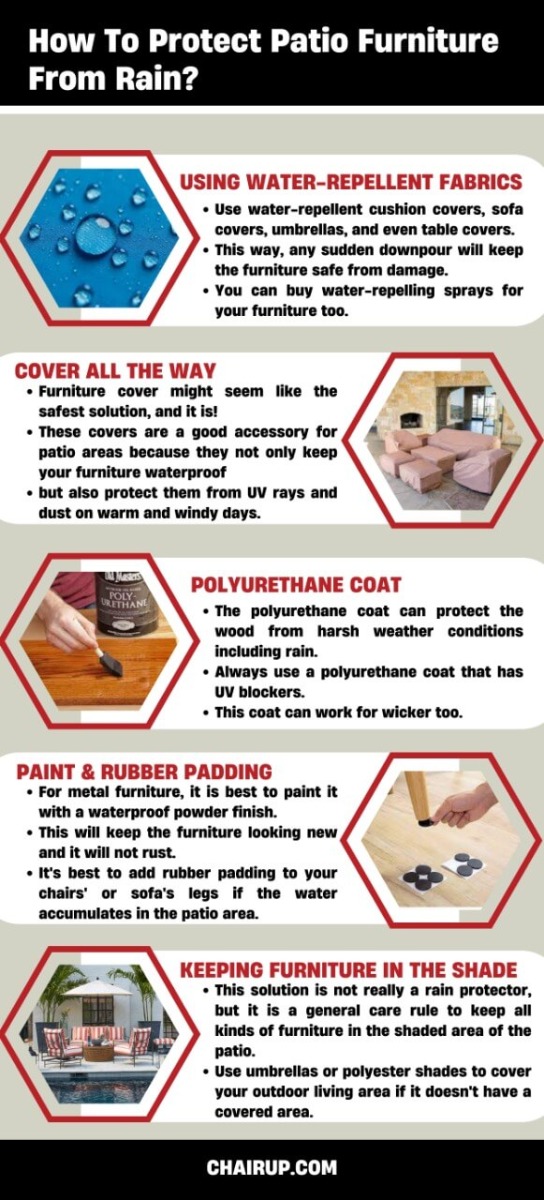
Weather-resistant fabrics block water and dry fast. These fabrics do not soak up rain or spills easily. They prevent mold and mildew growth. Common fabrics include solution-dyed acrylic and polyester. These materials keep colors bright even after sun exposure. They also feel soft and comfortable to sit on.
Waterproof Cushion Covers
Waterproof covers create a strong barrier against moisture. They stop water from reaching the cushion inside. These covers protect cushions during heavy rain and spills. Many are made with vinyl or coated polyester. Waterproof covers are easy to wipe clean and maintain. They keep cushions dry and fresh for longer.
Uv Protection Features
UV protection helps fabrics resist sun damage. UV rays cause colors to fade and fibers to weaken. Cushions with UV protection last longer in sunny areas. They stay vibrant without cracking or peeling. This feature is important for cushions exposed to direct sunlight daily. It keeps outdoor furniture looking new and inviting.
Credit: www.chairup.com
Regular Cleaning Practices
Regular cleaning keeps outdoor furniture cushions fresh and lasts longer. Dirt, dust, and stains can damage cushions over time. A simple cleaning routine protects your investment and keeps cushions comfortable.
Removing Dirt And Debris
Start by brushing off loose dirt and leaves. Use a soft-bristle brush or a handheld vacuum. This stops dirt from settling into the fabric. Clean cushions regularly, especially after windy or rainy days.
Spot Cleaning Techniques
For small stains, use a mild soap and water mix. Dab the stain gently with a clean cloth. Avoid rubbing hard to prevent fabric damage. Let the cushion air dry completely before using it again.
Deep Cleaning Methods
Deep cleaning removes built-up grime and refreshes cushions. Remove the cushion covers if they are washable. Follow the care label instructions carefully. For non-removable covers, use a sponge with mild soap and water. Rinse well and dry in the sun to avoid mold growth.
Proper Storage Solutions
Proper storage solutions keep outdoor furniture cushions safe and clean. They help avoid damage from weather and dirt. Storing cushions correctly extends their life and keeps them looking fresh. Here are some easy ways to store cushions properly.
Using Storage Boxes
Storage boxes protect cushions from rain, dust, and sun. Choose boxes made of waterproof materials. Make sure boxes have ventilation to prevent mold and mildew. Store cushions in dry, cool places inside the boxes. Label boxes to find cushions quickly when needed.
Indoor Storage Options
Storing cushions indoors protects them from harsh outdoor conditions. Use closets, basements, or spare rooms for storage. Keep cushions off the floor to avoid moisture damage. Cover cushions with cloth to keep dust away. Indoor storage helps cushions last longer and stay clean.
Covering Cushions When Not In Use
Use covers to shield cushions from sun and dirt. Covers made from breathable fabric prevent moisture build-up. Secure covers tightly to stop wind from blowing them away. Cover cushions after each use for best protection. This simple step keeps cushions fresh and ready.

Credit: ledgeloungers.com
Applying Protective Treatments
Applying protective treatments is a smart way to keep outdoor furniture cushions safe. These treatments help cushions resist water, stains, and damage from the sun. They extend the life of your cushions and keep them looking fresh. Simple sprays and sealants create a strong shield on the fabric. This makes cleaning easier and prevents common problems like mold and mildew.
Water Repellent Sprays
Water repellent sprays stop liquids from soaking into cushions. They create a thin layer that makes water bead on the surface. This prevents stains and keeps the cushions dry. These sprays work best on fabrics like polyester and olefin. Apply the spray evenly and let it dry completely. Reapply every few months for the best protection.
Mildew And Mold Prevention
Mildew and mold grow in damp, warm places. Treating cushions with mildew-resistant sprays blocks this growth. These sprays kill mold spores and stop them from spreading. Keep cushions in a dry place and use these sprays after cleaning. This treatment helps cushions stay fresh and odor-free for a long time.
Fabric Sealants
Fabric sealants add a protective coating to outdoor cushions. They protect against dirt, stains, and fading from sunlight. Sealants work well on many types of outdoor fabrics. Apply sealants in thin, even layers for best results. Allow the fabric to dry fully before use. This treatment keeps cushions looking new and strong.
Maintenance Tips For Longevity
Proper care helps outdoor furniture cushions last longer. Regular maintenance keeps cushions clean and fresh. It prevents damage from sun, rain, and dirt. Follow these simple tips to protect your cushions. They make a big difference over time.
Rotating Cushions Regularly
Rotate cushions every week or two. This evens out sun exposure and wear. It stops one side from fading or getting flat. Rotating cushions also helps them dry evenly after rain. It keeps the filling from clumping or shifting.
Checking For Damage
Look over cushions often for rips or stains. Early spotting stops small problems from growing. Check seams, zippers, and fabric closely. Catching damage early keeps cushions strong and neat. Clean any stains quickly with mild soap and water.
Repairing Tears And Seams
Fix small tears before they get worse. Use fabric glue or needle and thread for repairs. Sew loose seams to keep cushions intact. Repairing cushions extends their life and saves money. It keeps your outdoor space looking tidy and inviting.
:strip_icc()/outdoor-furniture-cushions-garden-7_2UIOQfqz_B84Z321IYNJ-d033609415914efca439de541423a108.jpg)
Credit: www.bhg.com
Frequently Asked Questions
How Do People Waterproof Outdoor Furniture Cushions?
People use waterproof sprays or covers to protect cushions from rain. Choosing cushions with water-resistant fabric also helps keep them dry and mold-free.
What Is The Best Way To Clean Outdoor Cushions?
Regularly brush off dirt and debris. Use mild soap and water for stains. Avoid harsh chemicals to preserve fabric quality and color.
How Can Cushions Be Stored During Bad Weather?
People store cushions in waterproof bins or indoors. Using breathable storage bags prevents mold and mildew during wet or cold seasons.
Why Use Cushion Covers For Outdoor Furniture?
Cushion covers protect against dirt, UV rays, and moisture. They are easy to remove and wash, extending cushion lifespan and appearance.
Conclusion
Protecting outdoor furniture cushions keeps them looking fresh and lasts longer. Use covers to guard against rain and sun damage. Store cushions in a dry place when not in use. Clean spills and dirt quickly to avoid stains. Regular care saves money and keeps your space inviting.
Simple steps make a big difference in cushion life. Enjoy your outdoor area with comfy, clean cushions all year. Small efforts protect your investment and improve comfort.