Your outdoor furniture is an investment you want to protect. But how do you keep it safe from rain, sun, dust, and other elements?
Covering your outdoor furniture the right way can save you time, money, and frustration. You’ll discover simple, effective ways to shield your pieces so they stay looking great year-round. Ready to learn how to give your furniture the care it deserves?
Let’s dive in.

Credit: fj-outdoors.com
Choosing The Right Cover Material
Choosing the right cover material protects your outdoor furniture for a long time. The material must handle rain, sun, and wind well. It should fit your furniture snugly without tearing or fading. Picking the best fabric helps keep your furniture clean and dry. This section explains different cover materials and their benefits.
Waterproof Fabrics
Waterproof covers stop rain and moisture from reaching your furniture. They keep cushions and wood dry to avoid mold and rot. These fabrics have a special coating that blocks water. Choose waterproof covers if you live in rainy areas. They help extend the life of your outdoor furniture.
Uv-resistant Options
UV-resistant covers protect furniture from sun damage and fading. The sun can cause colors to fade and materials to weaken. UV-resistant fabrics block harmful rays and keep furniture looking new. Use these covers in places with strong sunlight. They prevent cracking and discoloration over time.
Breathable Covers
Breathable covers allow air to flow through the fabric. This stops moisture buildup and prevents mold growth. These covers dry quickly after rain or dew. They are soft and gentle on furniture surfaces. Choose breathable covers for wooden and delicate materials to avoid damage.
Measuring Your Furniture Accurately
Measuring your outdoor furniture properly is the first step to protecting it well. A cover that fits right keeps your furniture safe from rain, dust, and sun damage. Taking careful measurements helps you choose the perfect cover size. Avoid covers that are too tight or too loose. Both can cause wear and tear over time.
Length And Width Tips
Start by measuring the length of your furniture. Use a tape measure and note the longest part. Then, measure the width from side to side. Write down both numbers clearly. Measure in inches or centimeters, depending on your region. Double-check these numbers for accuracy before buying a cover.
Height Considerations
Next, measure the height from the ground to the tallest point. This includes cushions or decorative parts. Some furniture has uneven heights, so measure the highest section. Height matters to avoid covers that are too short. A cover that fits all dimensions protects every part of your furniture.
Allowing Extra Space
Always add extra space to your measurements. Add 2 to 4 inches on length, width, and height. This extra space allows easy fitting and removal. It also prevents tightness that can damage the fabric. A little extra room helps your furniture breathe under the cover. This reduces moisture buildup and mold risk.
Securing Covers Effectively
Securing outdoor furniture covers is key to protecting your items. Strong winds and rain can move or tear loose covers. Keeping covers tight and in place stops dirt, water, and damage. Use simple tools and smart methods to secure covers well. This will save time and money on repairs.
Using Straps And Ties
Straps and ties hold covers firmly on furniture. Many covers come with built-in straps. Wrap straps under or around the legs or frame. Tighten straps to stop covers from flying off. You can also add extra ties for better hold. Use soft straps to avoid scratching furniture.
Weighted Hems
Weighted hems keep covers from lifting in the wind. Some covers have small weights sewn into the edges. The added weight helps covers stay flat and snug. If your cover lacks weights, add small sandbags inside hems. Weighted hems stop covers from flapping and reduce noise.
Anchor Points
Anchor points fix covers to the ground or furniture. Use hooks, loops, or grommets on covers as anchor points. Secure these points with stakes into the ground. For decks or patios, tie anchors to railings or heavy objects. Anchor points prevent covers from moving in strong winds.
Preparing Furniture Before Covering
Preparing your outdoor furniture before covering it helps keep it safe and lasting longer. Dirt, moisture, and loose parts can cause damage under covers. Taking simple steps protects your investment and keeps your space tidy.
Start by cleaning all surfaces. This stops dirt and grime from trapping moisture. Then dry everything fully to avoid mold and mildew. Finally, remove cushions to keep them fresh and dry.
Cleaning Surfaces
Wipe down all furniture parts with a soft cloth. Use mild soap and water to remove dirt. Avoid harsh cleaners that can damage finishes. Clean every corner, including legs and under seats. This prevents buildup that can cause stains or damage.
Drying Completely
Let the furniture air dry in a sunny spot. Make sure no moisture remains before covering. Moisture trapped under covers causes mold and rust. Use towels to soak up water from hard-to-reach places. Wait until the furniture is fully dry before the next step.
Removing Cushions
Take cushions off the furniture and store them separately. Cushions hold moisture and can get moldy under covers. Keep cushions in a dry, ventilated area. Use special cushion bags or containers if possible. This keeps them clean and extends their life.
Seasonal Protection Strategies
Protecting outdoor furniture throughout the year is key to keeping it in good shape. Each season has different weather challenges. These can cause damage if your furniture is not covered well. Using the right protection methods helps extend the life of your outdoor pieces.
Seasonal protection means adjusting your care routines with the changing weather. This keeps your furniture safe from sun, rain, snow, and wind. Simple steps can prevent fading, rust, and mold. Below are some easy tips for every season.
Winter Storage Tips
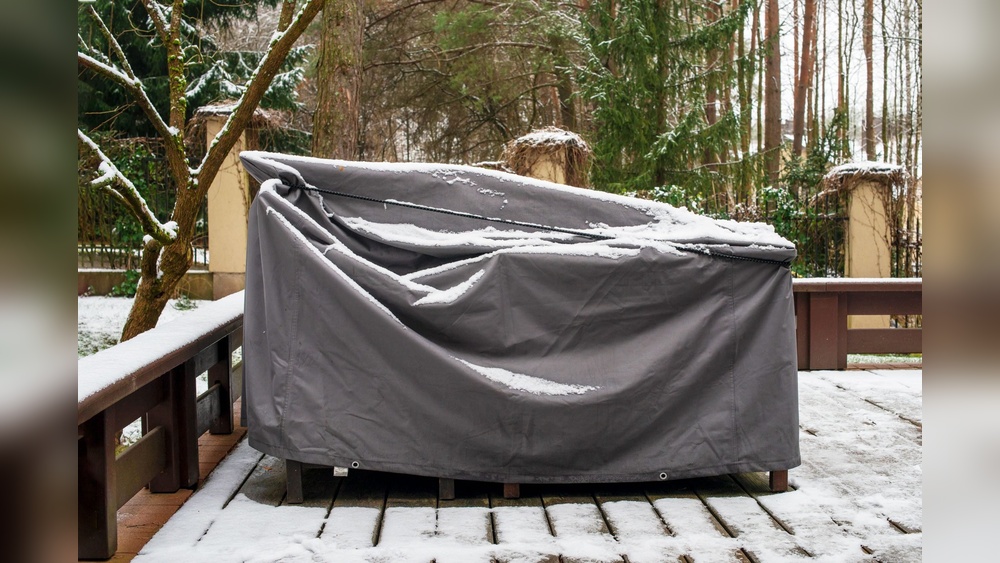
Winter is tough on outdoor furniture. Cold temperatures and snow can cause cracks and rust. Store your furniture in a dry, sheltered place if possible. Use covers made from thick, waterproof material. Make sure the covers fit tightly to block moisture and wind. Remove cushions and store them indoors to avoid mold. If storage is not an option, place furniture on blocks to keep it off the ground.
Summer Shielding
Summer sun can fade colors and weaken materials. Use UV-resistant covers to protect your furniture. Move pieces into shaded areas or use umbrellas to reduce direct sunlight. Clean furniture regularly to remove dust and pollen. Avoid leaving wet cushions outside to prevent mildew. Lightweight covers work well in summer because they allow air flow and keep heat away.
Rainy Season Precautions
Rain can cause wood to warp and metal to rust. Use waterproof covers that have sealed seams. Make sure water does not pool on top of covers. Elevate furniture slightly to allow water drainage. Dry furniture and cushions quickly after rain stops. Avoid plastic covers that trap moisture and cause mold. Instead, choose breathable materials that protect but allow airflow.

Credit: fj-outdoors.com
Maintaining Covers For Longevity
Maintaining your outdoor furniture covers helps them last longer. Good care protects the fabric from damage and dirt. It keeps the covers strong through all seasons. Simple steps can save you money and time.
Regular Cleaning
Clean covers often to stop dirt buildup. Use a soft brush or cloth for dust. Mix mild soap with water for washing. Rinse well to remove soap residue. Let covers dry completely before use or storage. Avoid harsh cleaners that can weaken fabric.
Repairing Tears
Check covers for small holes or tears. Fix tiny rips quickly to stop them growing. Use fabric glue or patches made for outdoor materials. Sewing is another option for strong repair. Fixing early keeps covers functional and neat.
Proper Storage When Not In Use
Store covers in a dry, cool place away from sun. Fold them neatly to avoid creases and damage. Use breathable bags or containers for storage. Avoid plastic bags that trap moisture. Proper storage prevents mold, mildew, and fading.
Common Mistakes To Avoid
Protecting outdoor furniture is important for its life and looks. Many make simple mistakes that can hurt the furniture instead of helping. Knowing these errors helps keep furniture safe and neat.
Covering Wet Furniture
Covering furniture while it is still wet traps moisture inside. This causes mold and mildew to grow quickly. Always dry furniture before covering it. Use a towel or let it air dry. This stops damage and keeps covers fresh.
Using Incorrect Cover Sizes
Using covers that are too small or too big is a common error. Small covers leave parts exposed to rain and sun. Big covers can flap in the wind and tear easily. Measure your furniture first. Pick covers that fit snugly and fully protect the pieces.
Ignoring Ventilation Needs
Furniture needs air to stay dry and fresh under covers. Covers without vents trap heat and moisture. This can cause rust, mold, and fabric damage. Choose covers with built-in vents. These allow airflow and stop moisture buildup effectively.

Credit: www.grandinroad.com
Frequently Asked Questions
How Do I Choose The Best Cover For Outdoor Furniture?
Select covers made from waterproof, UV-resistant materials. Ensure they fit snugly to protect against rain and sun damage. Look for breathable fabrics to prevent mold and mildew buildup. Proper size and durability are key for long-lasting protection.
When Is The Best Time To Cover Outdoor Furniture?
Cover your furniture whenever it’s not in use, especially during rain or snow. Covering during off-seasons prevents weather damage and dirt buildup. Always cover after cleaning to keep furniture dry and protected.
How Do I Properly Secure Outdoor Furniture Covers?
Use straps, ties, or elastic hems to keep covers tight. Secure covers firmly to prevent wind from blowing them off. Check regularly for loose spots and adjust as needed to maintain protection.
Can I Cover Outdoor Furniture Without Trapping Moisture?
Yes, choose breathable covers to allow air circulation and reduce moisture. Avoid plastic covers that trap condensation, causing mold. Using ventilated covers helps furniture dry naturally while staying protected.
Conclusion
Covering your outdoor furniture protects it from rain, sun, and dirt. Choose covers that fit well and are made from strong material. Clean your furniture before covering to avoid mold and stains. Secure the covers tightly to keep them from blowing away.
Regular care helps your furniture last longer and look good. With simple steps, you keep your outdoor space ready to enjoy anytime. Taking care of your furniture is easy and smart.