Have you ever wondered how a simple bookshelf appears on blueprints? If you’re planning a room layout or designing your dream home, understanding this can make a big difference.
Knowing how to read and interpret bookshelf symbols on blueprints helps you visualize space better and avoid costly mistakes. You’ll discover exactly what to look for and how bookshelves are represented, making your design process smoother and more confident. Keep reading to unlock the secrets behind those lines and shapes on your blueprints.
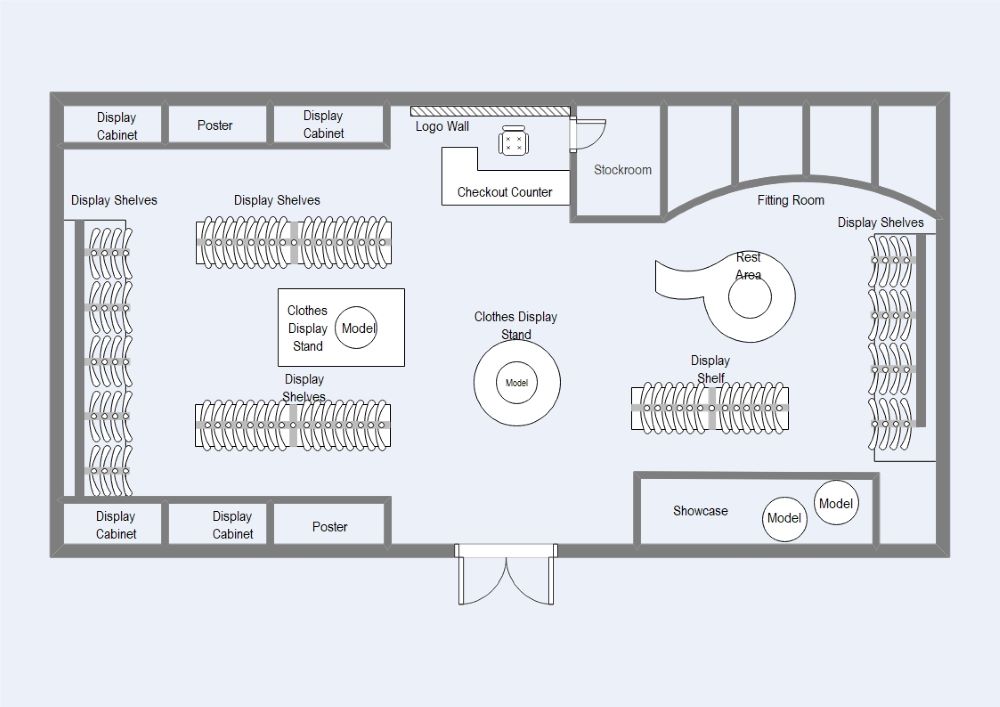
Credit: edrawmax.wondershare.com
Blueprint Symbols For Bookshelves
Blueprint symbols for bookshelves help builders and designers understand the layout clearly. These symbols represent bookshelves in a simple, clear way. They show the shape, size, and sometimes the materials of the bookshelf. Using these symbols makes reading blueprints easier and faster.
Common Icons And Lines
Bookshelves usually appear as rectangles or series of rectangles on blueprints. Solid lines outline the shelf’s shape. Sometimes, dashed lines show hidden parts or shelves inside. Icons might include small rectangles to show shelves or vertical lines for dividers. These symbols keep the drawing neat and easy to read.
Dimensions And Scale
Dimensions show the bookshelf’s length, height, and depth. Numbers near the symbol give exact measurements. Scale is important. It means the size in the drawing matches the real size but smaller. This helps builders create the bookshelf with the right size and fit for the room.
Material Indications
Blueprints sometimes use patterns or shading to show materials. Wood, metal, or glass may have different symbols. This helps builders know which material to use. Material signs guide the construction process and ensure the right look and strength of the bookshelf.
Types Of Bookshelf Designs
Bookshelves come in many styles. Each design fits different spaces and needs. Blueprints show these designs clearly. They help builders and homeowners see the exact shape and size of the shelf. Here are some common types of bookshelf designs you might find on blueprints.
Built-in Shelves
Built-in shelves are fixed into walls. They save floor space and look neat. Blueprints show them as part of the wall structure. Lines and measurements indicate depth, height, and width. These shelves often match the room’s style and color. They can surround windows or doors for a custom look.
Freestanding Units
Freestanding units stand alone and can move easily. Blueprints show their full shape and size as separate objects. These shelves vary from simple boxes to tall, complex designs. They suit rooms where you want flexible storage. You can place them anywhere without changing the room’s structure.
Custom Shelving
Custom shelving is designed for specific needs. Blueprints for custom shelves include detailed measurements. They show unique shapes or special compartments. These shelves fit odd spaces or hold certain items. Custom designs offer more creativity and personal style in your home.
Reading Bookshelf Layouts
Blueprints show how a bookshelf will look before it is built. They use simple drawings to explain size, shape, and details. Understanding these drawings helps you see the bookshelf clearly.
Bookshelf layouts show different views. Each view gives specific information about the design. This makes it easier to build or imagine the final product.
Top View Representation
The top view shows the bookshelf from above. It outlines the shape and width of the shelves. You can see how many shelves there are and their spacing.
This view helps check the overall layout and shelf placement. It is useful for planning the space the bookshelf will use.
Side Elevations
Side elevations show the bookshelf from the side. This view reveals the height of each shelf. It also shows the thickness of the shelves and sides.
You can see how tall the bookshelf is and how the shelves are spaced vertically. This helps in understanding the bookshelf’s structure.
Sectional Details
Sectional details cut through the bookshelf to show inside parts. This view highlights how shelves connect to the sides. It also shows material thickness and joints.
Sectional views help builders understand the strength and design details. They ensure the bookshelf will be strong and stable.

Credit: plankandpillow.com
Integrating Bookshelves In Floor Plans
Integrating bookshelves in floor plans requires careful thought. Bookshelves are more than storage; they shape room flow and style.
Blueprints show bookshelves as simple rectangles or built-in outlines. These marks reveal size, location, and depth. Good plans make it easy to see how bookshelves fit in the space.
Placement Strategies
Place bookshelves where they add function and beauty. Near seating areas makes reading easier. Along empty walls uses space well. Avoid blocking windows or doors. Positioning affects natural light and room flow.
Space Optimization
Use vertical space to save floor area. Tall bookshelves hold more without crowding the room. Built-ins blend with walls and save space. Choose sizes that fit the room’s scale. Balance storage needs with open space.
Accessibility Considerations
Keep shelves reachable without strain. Lower shelves suit children or frequent use. Higher shelves work for less-used items. Leave space in front for easy access. Clear paths prevent accidents and keep the room open.
Common Blueprint Annotations
Blueprints show how a bookshelf fits into a room or wall. They use special marks and notes to explain details. These are called common blueprint annotations. They help builders understand the design clearly. Knowing these annotations makes reading blueprints easier and faster.
Labels And Notes
Blueprints use labels to name parts of the bookshelf. Notes give extra details about size and shape. They may show shelf height or width. Sometimes, notes explain the purpose of each section. Labels keep the drawing clear and organized.
Material Codes
Material codes tell what materials to use. For example, wood, metal, or glass. These codes are short letters or numbers. They help builders pick the right materials. Using correct material codes prevents mistakes during construction.
Installation Instructions
Installation instructions guide how to put the bookshelf together. They show where to drill holes or place screws. The notes may mention special tools needed. These instructions ensure the bookshelf is strong and safe. Following them carefully avoids damage or errors.
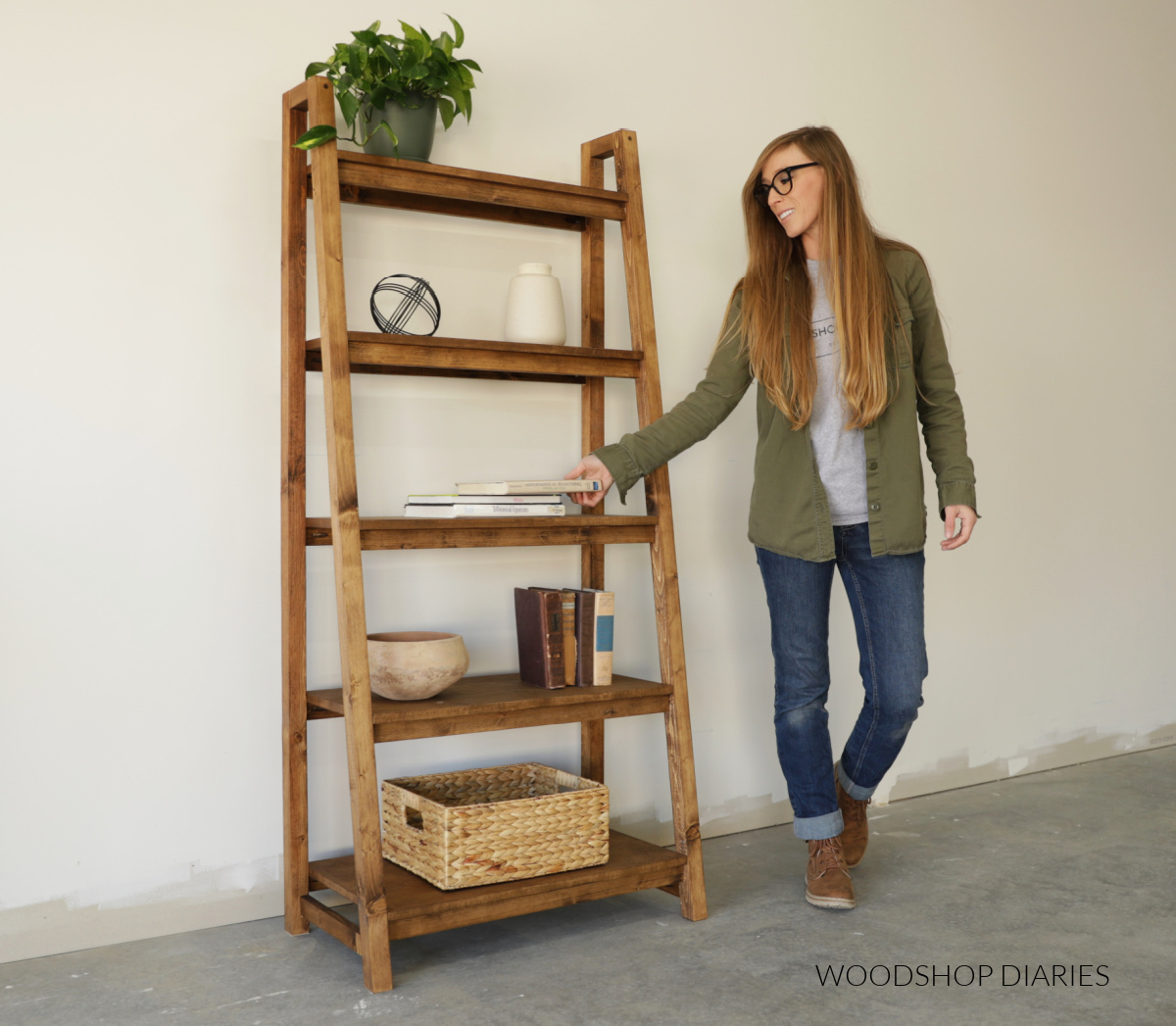
Credit: www.woodshopdiaries.com
Visual Examples And Samples
Visual examples help you understand how bookshelves appear on blueprints. They show the shape, size, and placement clearly. Seeing samples makes reading blueprints easier for everyone.
Residential Blueprints
In homes, bookshelves look like rectangles or squares on blueprints. They usually appear along walls or in corners. Sometimes, shelves are built into walls and shown with dashed lines.
Dimensions are marked next to the bookshelf symbol. This tells the exact length and height. Often, shelves are near living rooms, bedrooms, or study areas.
Commercial Spaces
In offices or stores, bookshelves are larger and may appear as rows. Blueprints show them with clear outlines and spacing. This helps plan walking paths and furniture placement.
Labels or codes often identify the type of shelving. The blueprints may include notes about materials or weight limits. Shelves can be freestanding or wall-mounted.
Library Layouts
Library blueprints show many bookshelves arranged in rows or clusters. Each shelf is a rectangle, often marked with aisle numbers. This helps organize books and guides visitors.
Dimensions and spacing between shelves are precise. They allow for easy movement and accessibility. Sometimes, special symbols mark book return or librarian desks near shelves.
Frequently Asked Questions
What Symbol Represents A Bookshelf On Blueprints?
A bookshelf on blueprints is usually shown as a rectangular box. It may include lines to indicate shelves. This symbol helps in visualizing furniture placement in the room design.
How To Identify Bookshelf Dimensions On Blueprints?
Bookshelf dimensions appear as measurements alongside the symbol. Width, height, and depth are marked with numbers. These dimensions help builders understand the exact size of the bookshelf.
Why Include Bookshelves In Architectural Blueprints?
Including bookshelves in blueprints ensures proper space planning. It shows how the furniture fits within the room layout. This prevents design conflicts and improves functional flow.
Can Bookshelf Placement Affect Room Layout On Blueprints?
Yes, bookshelf placement can impact room traffic and usage. Blueprints help visualize the best location for easy access. Proper placement enhances room aesthetics and functionality.
Conclusion
A bookshelf on blueprints shows its size and shape clearly. It helps builders know where to place shelves in rooms. Symbols and lines make the design easy to read. Understanding these drawings saves time and avoids mistakes. Anyone working with blueprints can spot bookshelves quickly.
This knowledge makes building and decorating smoother. Keep these basics in mind when reading blueprints. It makes the whole process more simple and clear.