Have you ever thought about building your own bookshelf but worried about the cost? You’re not alone.
Making a bookshelf can seem like a fun project, but the expenses might surprise you. From buying wood to getting the right tools, costs can add up quickly. You’ll discover exactly how much it can cost to make your own bookshelf and smart ways to save money without sacrificing quality.
Keep reading, and you’ll feel confident to start your project without breaking the bank.
Materials Cost
Building your own bookshelf needs different materials. Each material has a cost that adds up. Knowing these costs helps plan your budget well.
Wood Types And Prices
Wood is the main part of any bookshelf. Pine wood is cheap and easy to find. It costs about $2 to $4 per board foot. Oak wood is stronger but costs more, around $5 to $8 per board foot. Plywood is a budget-friendly option, priced about $20 to $50 per sheet. The type of wood affects the final cost a lot.
Fasteners And Hardware
You need screws, nails, and brackets to hold the shelf together. A box of screws costs about $5 to $10. Brackets can cost between $3 and $10 each. These small items add up but are not very expensive. Choosing quality fasteners helps your bookshelf last longer.
Finishing Supplies
Finishing supplies include paint, stain, and varnish. A can of paint or stain costs around $10 to $30. Sandpaper is needed to smooth the wood, costing about $5 to $10. Finish protects the wood and makes it look good. These supplies are important for a nice final look.
Tool Expenses
Building your own bookshelf requires some tools. These tools can add to the total cost of your project. Understanding tool expenses helps plan your budget wisely. You may need different tools based on your skill level. Some tools are basic and affordable. Others are advanced and cost more. Deciding which tools to buy or rent affects your expenses too.
Essential Tools For Beginners
Beginners need simple tools to start woodworking. A measuring tape is key for accurate cuts. A hand saw or a basic power saw helps cut wood. A drill with drill bits is necessary for making holes. Sandpaper or a sanding block smooths rough edges. Clamps hold pieces together while gluing or screwing. These tools usually cost under $100 in total.
Advanced Tools For Professionals
Professional woodworkers use advanced tools for better results. A table saw offers precise, straight cuts quickly. A power miter saw cuts angles cleanly and fast. A power drill with multiple features saves time. An electric sander speeds up the sanding process. A router shapes edges and creates designs. These tools can cost several hundred dollars or more.
Tool Rental Vs. Purchase
Renting tools reduces upfront expenses for one-time projects. Rental shops offer saws, drills, and sanders by the day. This option suits occasional bookshelf builders. Buying tools is better for frequent use or future projects. Owned tools become a long-term investment. Compare rental prices with purchase costs before deciding.
Design And Size Impact
The design and size of your bookshelf greatly affect the total cost. Choosing a simple or complex design changes the amount of materials and time needed. Size also plays a big role. Larger shelves use more wood and take longer to build. These factors together shape your budget.
Simple Vs. Complex Designs
Simple designs use fewer materials and less time. A basic rectangular shelf with straight lines costs less. Complex designs include curves, custom shapes, or decorative details. These need more tools and skill. They also waste more wood. Expect higher costs for complex builds.
Standard Vs. Custom Dimensions
Standard sizes match common shelf heights and widths. They fit well in most rooms and use standard wood sizes. This lowers waste and cost. Custom dimensions fit unique spaces or needs. They require cutting wood to size, which can increase waste. Custom shelves often need extra supports. This raises the price.
:max_bytes(150000):strip_icc()/dominiquegebruinsta-35b11dd4f037417980649e06e17c4027.jpg)
Credit: www.thespruce.com
Time Investment
Building your own bookshelf takes more than just buying wood and nails. Time matters a lot. Each step needs careful attention. The process can stretch over hours or days. It depends on your skill and tools. Knowing how much time you spend helps plan better. It also shows the real cost of making a shelf.
Planning And Measuring
Planning is the first step. It takes time to decide size and style. Measure your space carefully. Mistakes here cause problems later. Draw a simple sketch with exact numbers. Double-check every measurement. This step may take one to two hours. Good planning saves time during building.
Cutting And Assembly
Cutting wood pieces needs focus and care. Each cut must be straight and exact. Use proper tools for safety and precision. Assembly follows cutting. Putting parts together can take several hours. Screwing and gluing parts require patience. Rushing this step can cause damage or weak joints.
Sanding And Finishing
Sanding smooths the wood surface. It removes splinters and rough edges. This step takes time depending on wood quality. Finish with paint or varnish for protection. Drying time adds to total hours needed. Skipping this can reduce shelf durability. Take your time for a neat finish.
Cost Comparison
Building your own bookshelf can save money or cost more depending on choices. Materials, tools, and time all affect the total price. Comparing costs helps decide the best option for your budget.
Some people buy ready-made shelves, while others prefer making them. Hiring a carpenter is also an option. Each choice has different expenses and benefits.
Diy Vs. Store-bought Bookshelves
Making a bookshelf yourself mainly costs wood, nails, and paint. Basic materials can be affordable, around $50 to $150. Tools may add to costs if you don’t own them.
Store-bought shelves vary widely in price. Simple designs start near $70. Higher quality or larger shelves can cost $200 or more. Buying saves time but may limit style choices.
Hiring A Professional Carpenter
Professional carpenters charge for labor and materials. Labor costs often range from $40 to $70 per hour. Custom shelves typically take a few hours to complete.
Total prices with a carpenter usually start around $300. This option offers expert craftsmanship and saves personal effort. It fits those wanting quality without DIY work.
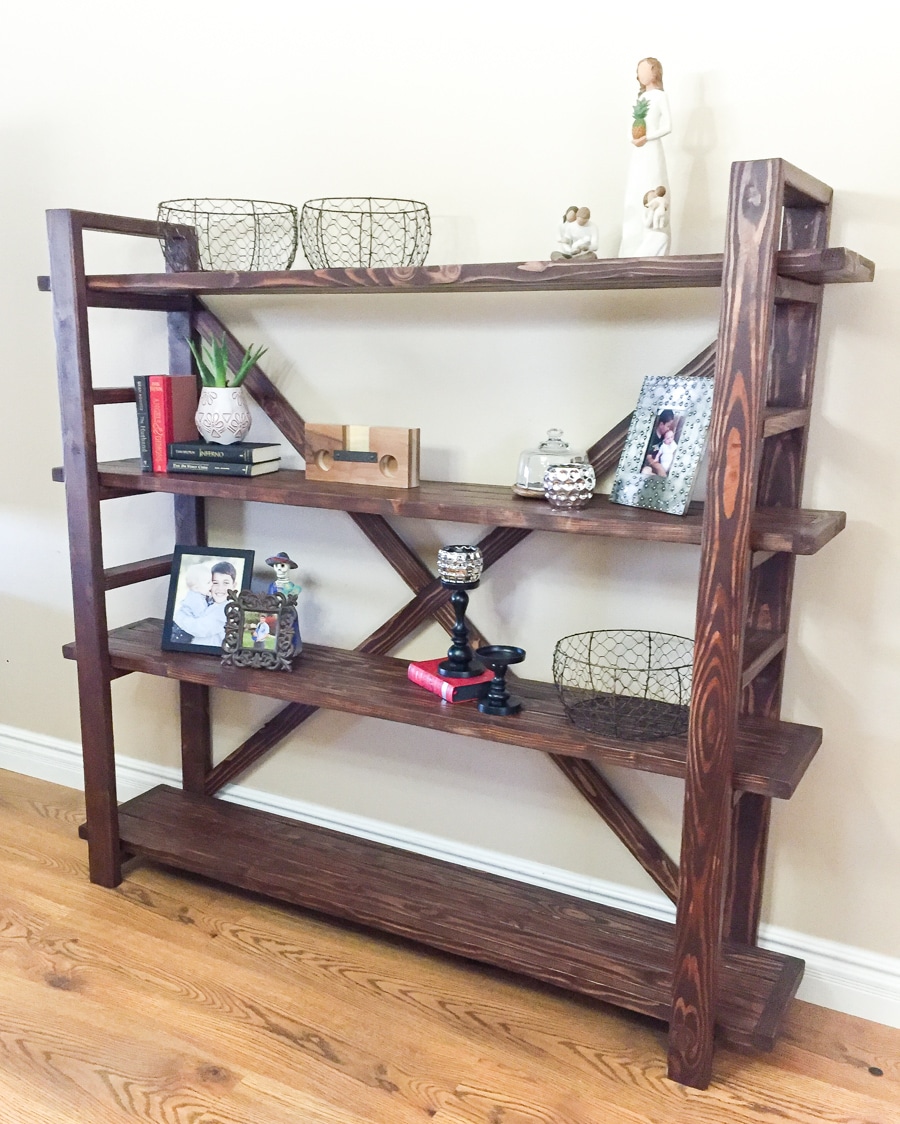
Credit: jenwoodhouse.com
Saving Tips
Making your own bookshelf can be fun and rewarding. It can also cost less if you use smart saving tips. These tips help you spend less on materials and tools. They also reduce waste by reusing items. Saving money means more projects in the future.
Sourcing Affordable Materials
Buy wood from local hardware stores or lumber yards. Check for sales or discounts on wood sheets and planks. Use cheaper wood types like pine instead of oak or maple. Look for wood offcuts or scraps. These pieces are smaller but good for shelves. Consider buying used wood from online marketplaces or recycling centers.
Reusing And Recycling
Old furniture can be a goldmine for bookshelf parts. Remove usable wood from broken tables or cabinets. Sand and paint them to look new. Wooden pallets are cheap and easy to find. Break them down for planks and supports. Recycle leftover wood from other projects. This reduces waste and saves money.
Buying Tools On A Budget
Buy basic tools only. A saw, drill, and screwdriver are enough to start. Look for second-hand tools in good condition. Borrow tools from friends or family if possible. Rent expensive tools instead of buying. Some hardware stores offer tool rental services. This keeps your costs low and your workspace tidy.
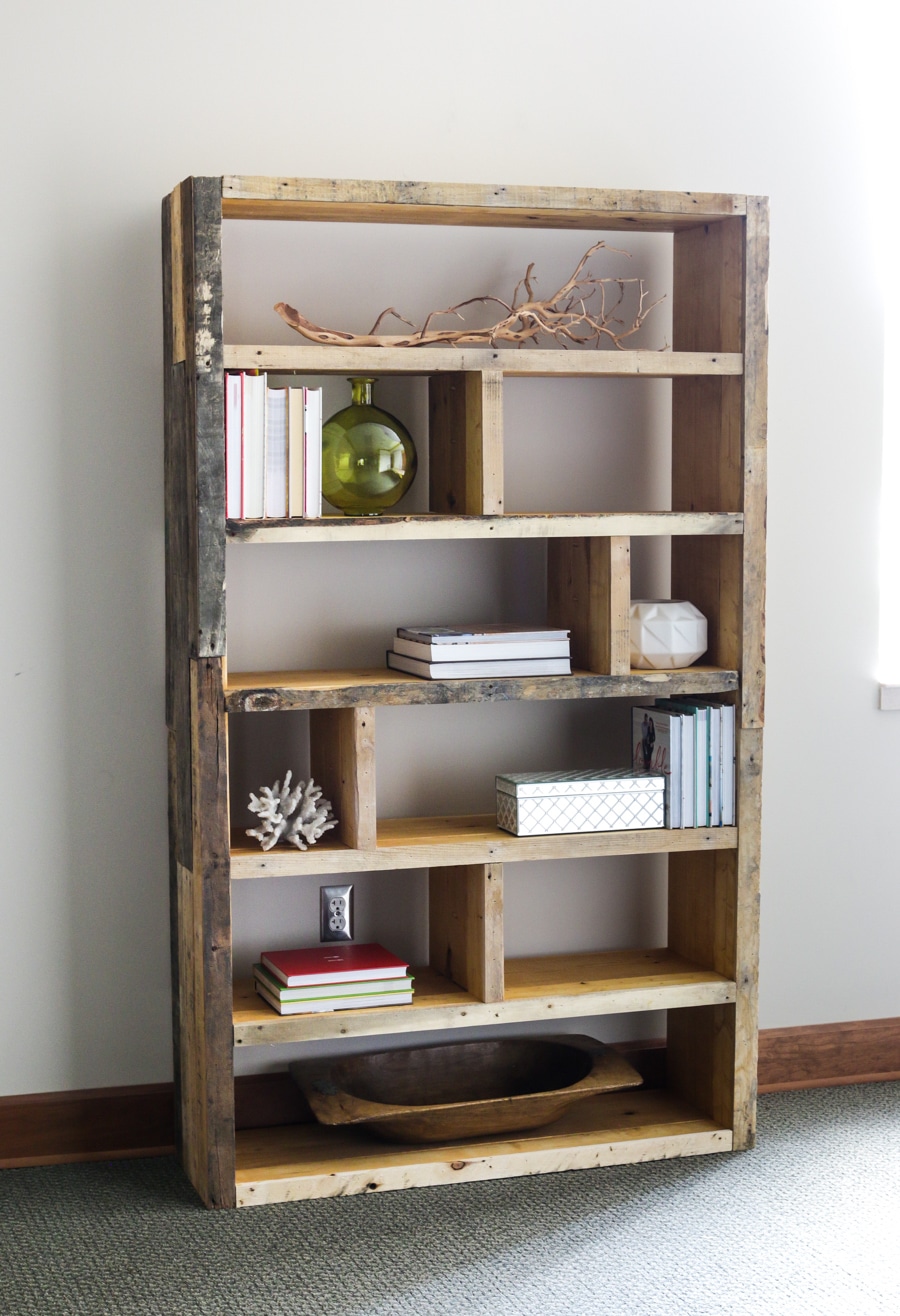
Credit: jenwoodhouse.com
Frequently Asked Questions
How Much Does Materials Cost For Diy Bookshelf?
Material costs vary but expect $50 to $150. Wood type and hardware affect total expenses. Budget plywood and screws keep costs low.
Are Tools Expensive For Building A Bookshelf?
Basic tools like saws and drills cost $30 to $100. Renting tools can reduce initial expenses. Quality tools ensure better results and safety.
Can I Save Money Making My Own Bookshelf?
Yes, DIY saves labor costs and customizes design. Careful planning and budgeting prevent overspending. Homemade shelves often cost less than store-bought.
How Long Does It Take To Build A Bookshelf?
Building time ranges from a few hours to two days. Complexity and experience influence duration. Simple designs are quicker to assemble.
Conclusion
Building your own bookshelf costs less than buying one from a store. You pay mainly for wood, tools, and paint. Choosing simple designs keeps expenses low. DIY projects take time but save money. You also get a custom piece made by your own hands.
Small costs add up, but the result feels rewarding. Think about your budget and skills before starting. In the end, making a bookshelf can be both fun and affordable.
