Have you ever looked at a blank wall and thought about adding a bookshelf? Maybe you wonder, “How hard is it to build a bookshelf myself?”
The idea sounds exciting but also a bit intimidating. You might worry about the tools, the skills, or the time it takes. What if you make mistakes or the shelf isn’t sturdy enough? You’ll discover the real level of difficulty involved in building a bookshelf.
You’ll learn what to expect, how to prepare, and why it might be easier than you think. By the end, you’ll feel confident to decide if this project is right for you—and maybe even ready to get started. Keep reading to unlock the secrets to building your own perfect bookshelf.

Credit: www.infarrantlycreative.net
Planning Your Bookshelf
Planning your bookshelf is the first step to building it right. Good planning saves time and money. It helps you avoid mistakes and creates a shelf that fits your needs. Think about what you want before buying tools or materials. Consider size, style, and where the shelf will go. Clear planning makes the building process easier and more fun.
Choosing The Right Design
Start by picking a design that suits your space and style. Simple designs are easier for beginners. Open shelves show books and decorations nicely. Closed shelves protect items from dust. Think about how many shelves you need and their height. A well-chosen design matches your room and storage needs.
Selecting Materials
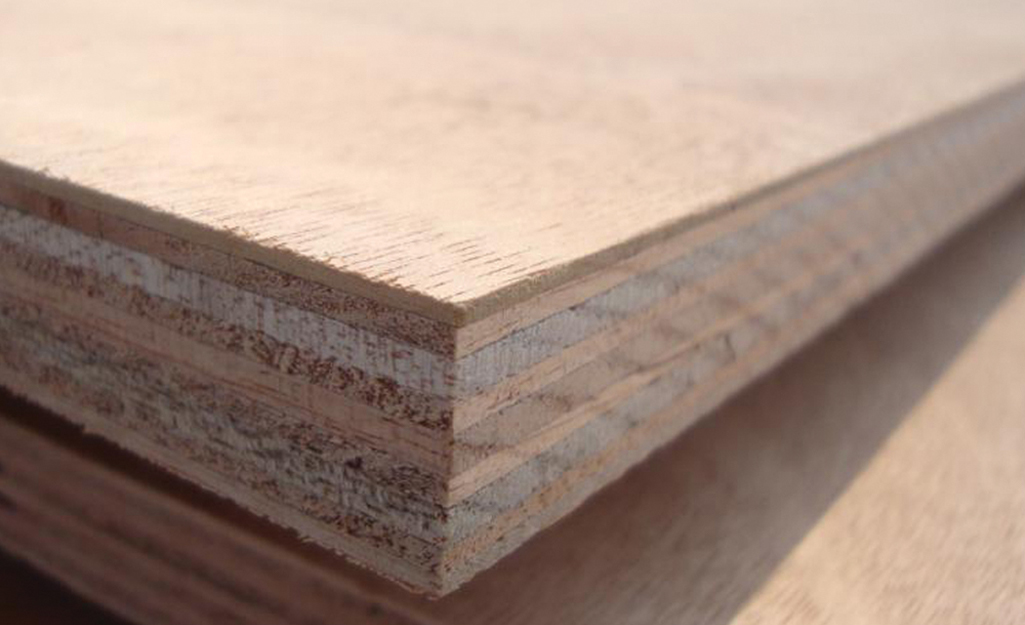
Choose materials that are strong and easy to work with. Wood is a popular choice because it is sturdy and looks good. Plywood and MDF are cheaper but less durable. Check the thickness of the wood for stability. Think about paint or finish options for a nice look. The right material makes your shelf last longer.
Measuring And Space Considerations
Measure the space where the bookshelf will stand carefully. Allow extra space for walking and other furniture. Write down the height, width, and depth needed. Double-check your measurements before cutting materials. Good measuring prevents gaps or tight fits. Proper space planning ensures your shelf fits perfectly.

Credit: www.youtube.com
Essential Tools And Supplies
Building a bookshelf requires the right tools and supplies. These help you work faster and get better results. The tools range from simple hand tools to power tools. Safety gear is also important to protect yourself during the project. Knowing what you need makes the task easier and more enjoyable.
Basic Tools Needed
You need a tape measure to check sizes. A pencil helps mark the wood for cuts. A saw is required to cut the boards. A hammer or screwdriver is necessary to join pieces. Sandpaper smooths rough edges. These basic tools are enough for a simple bookshelf.
Optional Tools For Efficiency
A power drill speeds up screwing and drilling. A level ensures shelves are straight and even. A clamp holds pieces steady while working. A miter saw cuts angles quickly and cleanly. These tools save time and improve accuracy but are not required.
Safety Gear
Safety glasses protect your eyes from dust and wood chips. Ear protection reduces noise from power tools. Gloves keep your hands safe from splinters. A dust mask stops you from breathing sawdust. Wearing safety gear keeps the project safe and comfortable.
Step-by-step Building Process
Building a bookshelf is easier than many think. Breaking the project into steps helps keep it simple. Each step focuses on one part of the process. This clear approach saves time and reduces mistakes. Follow these steps to create a sturdy, beautiful bookshelf.
Cutting The Wood
Start by measuring the wood carefully. Use a saw to cut the wood to size. Make sure all pieces match the plan. Cut the sides, shelves, and back panels accurately. Clean cuts make assembly easier and the shelf stronger.
Assembling The Frame
Join the side panels with the top and bottom boards. Use wood glue and screws for a tight hold. Check that the frame is square and level. Tighten all screws but avoid splitting the wood. A solid frame supports the whole bookshelf.
Adding Shelves
Mark shelf positions on the inside of the frame. Attach shelves with screws or shelf brackets. Space shelves evenly or as needed for your books. Secure shelves firmly to prevent wobbling. Proper shelf placement improves the bookshelf’s function.
Sanding And Finishing Touches
Sand the entire bookshelf to smooth rough edges. Use fine-grit sandpaper for a polished finish. Wipe off dust with a damp cloth. Apply paint, stain, or sealant to protect the wood. Let each coat dry well for the best look.
Credit: www.homedepot.com
Common Challenges
Building a bookshelf might seem easy. Yet, many face common challenges. These issues can slow down your project or cause mistakes. Knowing these challenges helps you prepare better. It also makes the process smoother and more fun.
Dealing With Uneven Surfaces
Uneven floors or walls make bookshelf building tricky. A shelf that is not level looks odd. It may also lean or wobble. Use a level tool to check surfaces first. Small wooden shims can fix minor uneven spots. Always test the shelf after placing it.
Fixing Measurement Errors
Measuring wrong is a common mistake. It can cause shelves to be too big or small. Measure twice before cutting any wood. Use a tape measure and mark clearly. If errors happen, adjust by sanding or trimming. Take your time to get the size right.
Ensuring Stability
A stable bookshelf is safe and lasts longer. Weak joints or poor support cause wobbles. Use screws and brackets for strong holds. Check that shelves hold weight without bending. Place the bookshelf against a wall for extra support. Stability prevents accidents and keeps your books safe.
Tips For A Professional Look
Building a bookshelf is just the start. The final look matters the most. Small details make a big difference. These tips will help your bookshelf look neat and professional. Follow them to impress everyone.
Painting And Staining
Choose paint or stain that matches your room’s style. Use smooth strokes for an even coat. Apply thin layers to avoid drips. Let each layer dry completely before adding the next. Sand lightly between coats for a smooth finish. This process makes your bookshelf look polished and clean.
Using Decorative Elements
Add simple decorations like trim or moldings for extra style. Small metal or wooden brackets give a classic touch. Use corner guards to protect edges and add charm. Avoid too many decorations to keep a clean look. These details make your bookshelf unique and eye-catching.
Maintaining Your Bookshelf
Dust your bookshelf regularly to keep it fresh. Clean spills immediately to avoid stains. Check screws and joints often to keep it sturdy. Use furniture polish to maintain shine and protect wood. Proper care helps your bookshelf stay beautiful for years.
Time And Cost Expectations
Building a bookshelf takes both time and money. Knowing what to expect helps you plan better. You can avoid surprises by estimating costs and time before starting.
Budgeting For Materials
Materials cost depends on wood type and size. Pine is cheaper, while hardwoods like oak cost more. Don’t forget screws, nails, and finishing supplies. Buying quality materials saves money over time. Always add 10-20% extra for mistakes or changes.
Estimating Project Duration
Simple bookshelves take less time to build. A basic shelf can take 3 to 5 hours. Complex designs or larger shelves may need a full day or more. Sanding, painting, or staining adds extra hours. Take breaks to avoid mistakes and stay safe.
Frequently Asked Questions
How Difficult Is Building A Bookshelf For Beginners?
Building a bookshelf is moderately easy for beginners. Basic woodworking tools and clear instructions make the process manageable. It requires measuring, cutting, and assembling wood pieces carefully. Patience and attention to detail improve the outcome. Beginners can complete simple bookshelf projects within a few hours successfully.
What Tools Are Essential To Build A Bookshelf?
Essential tools include a saw, drill, measuring tape, level, and screwdriver. Sandpaper and clamps also help for smooth finishes and secure assembly. Using proper tools ensures accuracy and safety. Investing in quality tools makes building bookshelves easier and more enjoyable.
How Long Does It Take To Build A Bookshelf?
The time varies by design complexity but typically takes 3 to 6 hours. Simple flat-pack styles require less time, while custom designs take longer. Preparation and drying time for paint or finish can extend the total duration. Planning ahead helps complete the project efficiently.
What Materials Are Best For Building A Sturdy Bookshelf?
Plywood, solid wood, and MDF are common sturdy materials. Solid wood offers durability and a classic look. Plywood is affordable and resistant to warping. MDF provides a smooth surface for painting. Choose materials based on budget, style, and shelf weight needs.
Conclusion
Building a bookshelf can be simple or hard, depending on your skills. Basic tools and clear steps make it easier. Taking time and being patient helps avoid mistakes. Even beginners can create a nice shelf with practice. Enjoy the process and learn as you go.
A handmade bookshelf adds charm to any room. Give it a try—you might surprise yourself.
