Are you thinking about adding a bunk bed to your room but wondering if your ceiling is tall enough? Choosing the right ceiling height is key to making sure your bunk bed feels comfortable and safe.
You don’t want to end up with a cramped space that leaves you bumping your head or feeling claustrophobic. You’ll discover exactly how high your ceiling should be for a bunk bed, so you can create a cozy, functional sleeping area without any surprises.
Keep reading to find out what measurements matter most and how to make the best choice for your space.

Credit: www.maxtrixkids.com
Ideal Ceiling Height For Bunk Beds
Bunk beds save space and add fun to any room. But the ceiling height matters a lot. It affects safety and comfort. A ceiling too low can cause bumps and discomfort. A good ceiling height makes climbing and sleeping easy. Let’s explore the ideal ceiling height for bunk beds.
Minimum Height Requirements
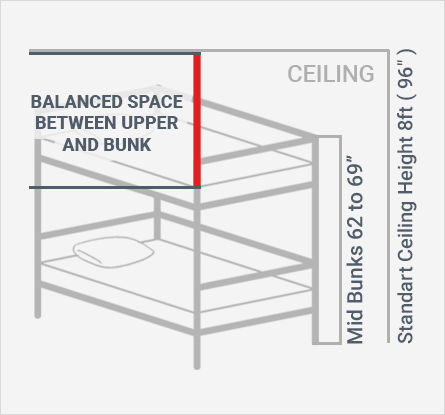
The room should have at least 7.5 feet (90 inches) of ceiling height. This space allows enough room for the bunk bed and safe movement. Some bunk beds need even more height. Check the bed’s height before buying. Low ceilings can make a room feel cramped and unsafe.
Recommended Clearance Above Top Bunk
There should be at least 33 inches of space above the top bunk mattress. This gap lets the person sit up without hitting their head. More space improves comfort and safety. Less clearance can cause headaches or accidents. Measure from the mattress top to the ceiling for best results.
Factors Influencing Ceiling Height
Choosing the right ceiling height for a bunk bed depends on several key factors. These factors ensure safety, comfort, and a pleasant room environment. Understanding these elements helps create a space that feels open and functional. Consider the bunk bed size, the users’ needs, and the room’s air and light quality.
Bunk Bed Dimensions
Bunk beds come in different sizes and heights. Most standard bunk beds range from 5 to 6 feet tall. The top bunk needs enough space above to sit up without hitting the ceiling. Also, consider the mattress thickness. A thicker mattress reduces headroom. Measure the total height of the bed with the mattress before deciding on ceiling height.
User Age And Height
The age and height of the person using the bunk bed matter a lot. Younger children need less space to sit up. Taller teens or adults need more headroom. Safety is key, so avoid cramped spaces that could cause injury. Think about growth too. A little extra space adds comfort as children grow taller.
Room Ventilation And Lighting
Good air flow and light make the room healthy and inviting. A low ceiling can block natural light from reaching the top bunk. It may also limit air circulation, making the space stuffy. Plan enough space between the top bunk and ceiling for fresh air. Proper lighting helps prevent accidents and creates a cozy atmosphere.
Measuring Your Room For Bunk Beds
Measuring your room before buying a bunk bed is very important. It helps ensure the bed fits well and is safe to use. Knowing the ceiling height helps avoid bumps and makes the space comfortable. Take time to measure carefully for the best results.
Tools Needed
Use a tape measure for accurate length readings. A step stool or ladder helps reach higher spots. A pencil and paper are useful to write down measurements. A laser measure can give quick and precise results if available.
How To Measure Ceiling Height Accurately
Stand straight under the lowest point of the ceiling. Place the tape measure on the floor next to your foot. Extend the tape measure upwards until it touches the ceiling. Note the number where the tape meets the ceiling. Double-check by measuring at different spots for accuracy.
Credit: bunkbedscanada.com
Safety Concerns With Low Ceilings
Low ceilings can create safety problems for bunk beds. Space above the top bunk must be enough to prevent accidents. Without enough room, injuries and hazards increase. Careful planning of ceiling height protects children and adults using the bed.
Head Injury Risks
Low ceilings raise the chance of bumping heads. Sitting up on the top bunk might cause hitting the ceiling. Even small knocks can hurt or cause bruises. Space above the bed should allow safe movement. A good rule is to have at least two feet of clearance. This space helps avoid painful head injuries.
Fire Safety Regulations
Fire safety rules require enough room around beds. Low ceilings can block smoke detectors or sprinklers. This reduces their effectiveness during fires. Escape routes must be clear and easy to use. Crowded spaces with bunk beds and low ceilings can slow down exit. Follow local fire codes for ceiling height and bed placement. Safety comes first in every home.
Design Tips For Low Ceiling Rooms
Designing a room with low ceilings can be tricky, especially when adding a bunk bed. Space feels tight. You want a bed that fits well without making the room feel smaller. Planning helps create a comfortable and stylish space.
Choosing the right bunk bed and arranging the room smartly makes all the difference. Small changes bring big comfort and style.
Choosing Low-profile Bunk Beds
Low-profile bunk beds sit closer to the floor than traditional ones. They need less vertical space. This design helps avoid a cramped feeling.
Look for bunk beds with shorter ladders or built-in stairs. These add safety and ease. Simple styles with clean lines work best. They keep the room open and airy.
Alternative Bed Arrangements
Consider twin-over-twin beds set at a right angle. This layout reduces height but keeps two beds. Another option is loft beds with desks or storage underneath. This saves floor space.
Use trundle beds for a guest or sleepover space. They slide under a bed when not used. This keeps the room neat and spacious.
Adjusting Ceiling Height Options
Adjusting the ceiling height is important when planning for a bunk bed. The right height ensures comfort and safety. Sometimes, the room’s current ceiling height may not be enough. There are simple ways to adjust or work around this issue. This section explores practical options to help you decide.
Raising Ceilings
Raising ceilings can create more space for a bunk bed. This option works well in older homes with low ceilings. Removing drop ceilings or adding a raised ceiling section can help. It allows for better headroom above the top bunk. This method requires professional help and may cost more. Still, it gives you a permanent and spacious solution.
Using Loft Beds Instead
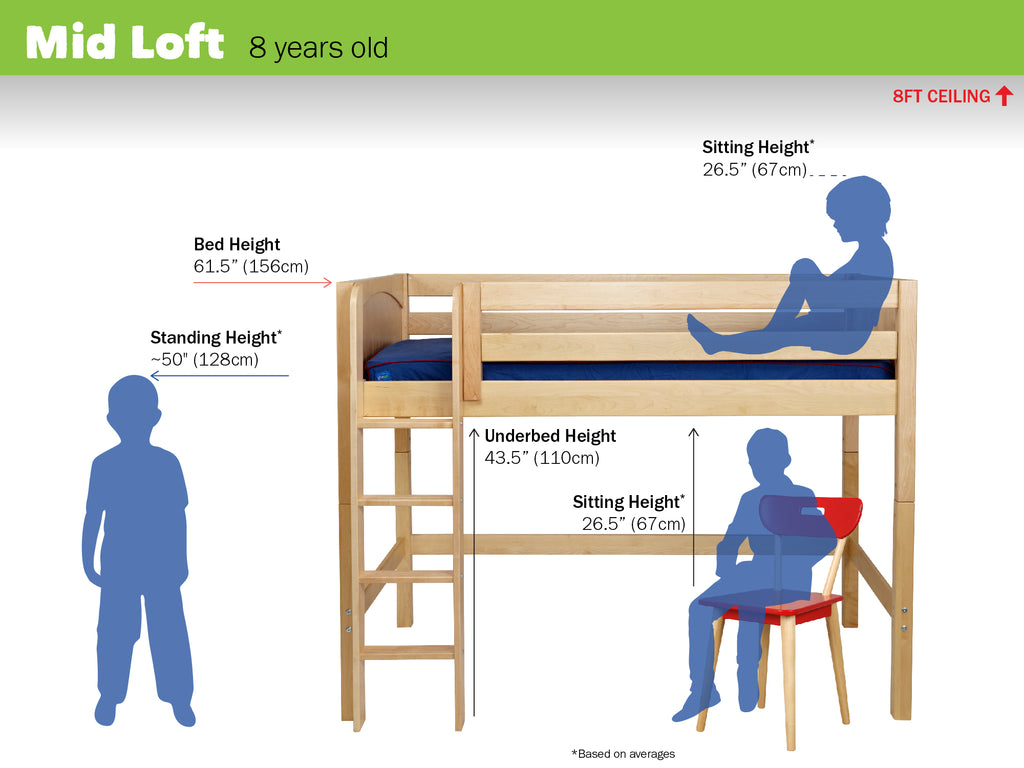
Loft beds are a smart alternative to traditional bunk beds. They are higher off the ground but leave room underneath for a desk or storage. Loft beds need less ceiling height than bunk beds with two sleeping levels. This option fits well in rooms with low ceilings. It keeps the room open and functional. Loft beds provide comfort without major room changes.
Common Mistakes To Avoid
Choosing the right ceiling height for a bunk bed matters a lot. Many people make mistakes that cause discomfort or safety issues. Avoiding these common errors helps create a safe and cozy space. Below are frequent mistakes that you should not make.
Not Measuring The Ceiling Height Properly
Many forget to measure from the floor to the ceiling accurately. Guessing or using rough estimates leads to wrong bed placement. Always use a tape measure and note the exact height.
Ignoring Space Between The Top Bunk And Ceiling
Leaving too little space above the top bunk causes headaches and discomfort. At least two feet of clearance is necessary for sitting up safely. This space helps avoid accidents and makes the bed more comfortable.
Overlooking The Height Of The Mattress
The mattress adds extra height to the bunk bed. Not counting mattress thickness can reduce the clearance space drastically. Measure the mattress height and add it to the bunk bed height for total clearance.
Forgetting About Ceiling Fixtures
Ceiling fans, lights, or beams can block space above the bed. Not checking for these fixtures might cause injury or damage. Ensure there is enough room around any ceiling installations before placing the bed.
Neglecting Child Safety Rules
Kids need extra space to move without hitting the ceiling. Not following safety guidelines can lead to accidents. Check recommended clearances and use guardrails to keep children safe.
Credit: www.maxtrixkids.com
Frequently Asked Questions
How High Should A Ceiling Be For Bunk Beds?
A ceiling height of at least 8 feet is ideal for bunk beds. This allows enough space for safety and comfortable movement above the top bunk.
What Is The Minimum Clearance Above A Bunk Bed?
A minimum of 33 inches clearance between the top bunk mattress and ceiling is recommended. This prevents head bumps and ensures safe usage.
Can Bunk Beds Fit In Rooms With Low Ceilings?
Bunk beds can fit in rooms with ceilings as low as 7 feet. However, this limits headroom and may reduce comfort and safety.
Why Is Ceiling Height Important For Bunk Beds?
Ceiling height affects safety and comfort. Adequate height prevents accidents and allows easy access to the top bunk.
Conclusion
Choosing the right ceiling height keeps bunk beds safe and comfy. Aim for at least seven feet to allow enough space above the top bunk. This space helps prevent bumps and gives room to sit up easily. Remember, too low a ceiling makes the room feel cramped and unsafe.
Measure your room before buying or building a bunk bed. Proper planning makes the bedroom cozy and functional. A good ceiling height lets kids enjoy their beds without worry. Safety and comfort come first.