Are you thinking about adding a built-in bunk bed to your home but unsure about the size? Knowing how long and wide a built-in bunk bed is can help you plan your space perfectly.
You want a bed that fits comfortably without crowding the room. You’ll discover the typical dimensions of built-in bunk beds and what to consider before choosing one. By the end, you’ll have the confidence to pick the right size for your needs.
Keep reading to make your space both cozy and practical!
Standard Bunk Bed Dimensions
Built-in bunk beds save space and add charm to any room. Understanding their size helps plan your space well. Standard dimensions guide you to choose the perfect fit.
Knowing typical lengths, common widths, and height details ensures comfort and safety. These measurements suit most rooms and mattresses.
Typical Lengths
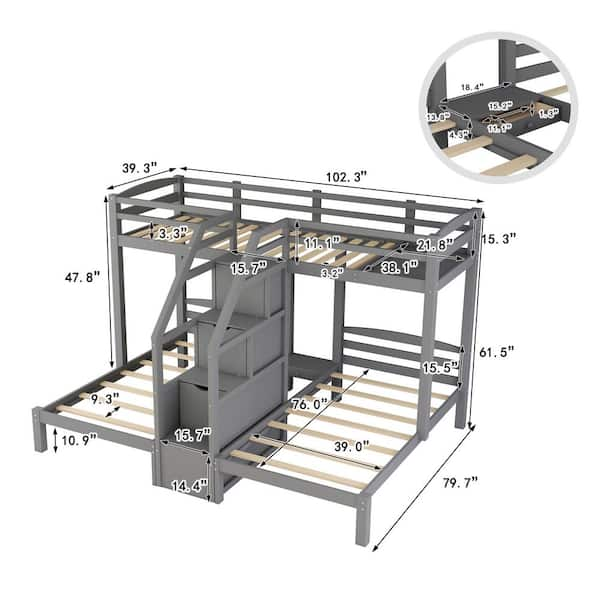
Most built-in bunk beds are 75 to 80 inches long. This length fits standard twin mattresses perfectly. It suits children and teenagers well. Some models extend to 85 inches for taller users.
Common Widths
Widths usually range from 38 to 42 inches. This size matches standard twin or narrow twin mattresses. Wider beds, like full size, measure about 54 inches. Narrow widths save room in tight spaces.
Height Considerations
Height varies based on ceiling space and bed design. Average bunk beds stand 60 to 65 inches tall. This height leaves enough headroom for the top bunk. Built-in designs may add shelves or storage, raising overall height slightly.

Credit: plankandpillow.com
Variations In Built-in Bunk Beds
Built-in bunk beds come in many shapes and sizes. Their dimensions depend on space and user needs. Understanding these variations helps in choosing the right fit. Here is a closer look at how length, width, and height can change in built-in bunk beds.
Custom Length Options
Built-in bunk beds can be made longer or shorter. Some rooms need beds that fit perfectly. Custom lengths allow beds to match room size exactly. Kids grow, so longer beds may be needed. Customizing length keeps the bed comfortable for years.
Width Adjustments For Space
Width varies to fit different room layouts. Narrower beds save space in small rooms. Wider beds provide more sleeping room and comfort. Adjusting width helps use space wisely. It also affects the style and feel of the bed.
Height Differences
Height changes based on ceiling height and safety. Taller ceilings allow for higher bunk beds. Lower ceilings need shorter beds for safety. Some designs have more space between bunks. Proper height keeps the bed safe and easy to use.
Factors Affecting Bunk Bed Size
Choosing the right size for a built-in bunk bed depends on several factors. These factors help ensure the bed fits well in the room and meets the users’ needs. Understanding these points can make your decision easier and more practical.
Room Size And Layout
The size of the room limits the bunk bed dimensions. Measure the space carefully before choosing a bed size. Consider doorways, windows, and other furniture. A narrow room needs a smaller or custom-shaped bunk bed. Proper space allows easy movement and safer use.
Age And Size Of Users
The age of the users affects bed length and width. Kids need smaller beds than teens or adults. Taller users require longer beds for comfort. Also, think about weight limits for safety. Choose a size that fits the users comfortably and safely.
Storage And Additional Features
Some bunk beds include extra storage or desks. These features add to the bed’s overall size. Decide if you want drawers, shelves, or a study area. These extras need more room but save space elsewhere. Plan your bunk bed size to fit these features well.
Measuring For A Built-in Bunk Bed
Measuring for a built-in bunk bed is the first step to a perfect fit. Accurate measurements help avoid problems during installation. It also ensures the bed fits the space safely and comfortably.
Take your time with each measurement. Small mistakes can cause big issues later. Focus on room size, ceiling height, and space for movement.
Measuring Room Dimensions
Start by measuring the length and width of the room. Use a tape measure for accuracy. Write down the numbers clearly. Check the space where the bunk bed will go. Make sure no doors or windows block the area. Keep in mind any furniture already in the room.
Checking Ceiling Height
Measure the distance from the floor to the ceiling. Bunk beds need enough height for the top bunk and safety rails. Also, consider extra space to sit up comfortably. Low ceilings limit the type of bunk bed you can install. Measure in several spots for accuracy. Some ceilings may slope or vary in height.
Allowing Space For Movement
Plan space around the bunk bed for easy movement. Leave room for climbing up and down safely. Make sure doors and drawers can open fully. Allow space for bedding and cleaning. Avoid crowding the room, which can feel cramped. Aim for a clear path to avoid accidents.
Popular Bunk Bed Styles And Sizes
Bunk beds come in different styles and sizes. Each style fits different room sizes and needs. Choosing the right bunk bed means knowing the size and style that works best. Below are popular bunk bed styles and their common sizes.
Twin Over Twin
The Twin over Twin bunk bed is the most common style. It has two twin mattresses stacked vertically. Each twin mattress usually measures 39 inches wide and 75 inches long. This style is great for small rooms. It saves floor space while fitting two sleepers.
Twin Over Full
The Twin over Full bunk bed has a twin mattress on top and a full mattress below. The full mattress is wider, usually 54 inches wide and 75 inches long. This style gives more sleeping space on the bottom. It works well for siblings or guests who want extra room.
Full Over Full
The Full over Full bunk bed has two full-size mattresses stacked. Each mattress is about 54 inches wide and 75 inches long. This style is wider and takes more room. It is perfect for older kids or adults who want comfort and space.
Safety And Comfort Size Guidelines
Safety and comfort are the top priorities for built-in bunk beds. Proper size guidelines help prevent accidents and ensure a good night’s sleep. Each part of the bunk bed must fit well and feel secure. This section covers key size recommendations for mattresses, clearance, guardrails, and ladder placement.
Recommended Mattress Sizes
Mattress size affects both safety and comfort. The standard mattress for built-in bunk beds is usually twin size. It measures about 39 inches wide and 75 inches long. Some designs use full-size mattresses, which are wider at 54 inches. Avoid mattresses that are too thick. A mattress thickness of 6 to 8 inches is ideal. It keeps the bed stable and safe.
Clearance Between Beds
Clearance is the space between the top and bottom bunk. It must allow enough headroom for sitting and moving. A minimum of 30 inches is recommended. More space improves comfort but may raise the bed height. Check the room height to avoid hitting the ceiling. Good clearance helps prevent bumps and bruises.
Guardrails And Ladder Placement
Guardrails stop children from falling off the top bunk. They should be at least 5 inches above the mattress. Guardrails must run along the full length of the bed. The ladder should be sturdy and easy to climb. Place it where it does not block walking space. Secure ladders prevent slips and falls. Proper placement keeps the bunk bed safe and user-friendly.
Tips For Custom Built-in Bunk Beds
Custom built-in bunk beds offer a perfect blend of style and function. They save room space and fit your exact needs. Careful planning ensures these beds add value and comfort to your home. The following tips help you design a bunk bed that fits well and serves multiple purposes.
Maximizing Space Efficiency
Measure the room carefully before building. Use vertical space wisely to keep floors clear. Consider beds with ladders or stairs that don’t take extra room. Position the bunk bed near walls to open central floor space. Think about the ceiling height to avoid cramped upper bunks.
Incorporating Storage Solutions
Add drawers or shelves under the bottom bunk to hold toys or clothes. Use the bed frame’s sides for built-in cubbies or bookcases. Storage helps keep the room tidy and saves space for other activities. Choose storage options that are easy for children to reach and use.
Choosing The Right Materials
Select sturdy, safe materials like solid wood or high-quality plywood. Avoid materials that chip or splinter easily. Smooth finishes reduce the risk of scratches and injuries. Use non-toxic paints or stains to protect children’s health. Durable materials ensure the bunk bed lasts for years.

Credit: stylebyemilyhenderson.com
Credit: www.homedepot.com
Frequently Asked Questions
How Long Is A Standard Built-in Bunk Bed?
A standard built-in bunk bed typically measures 75 to 80 inches in length. This size fits most twin mattresses. Custom sizes can vary based on room dimensions and design preferences, allowing for extra length if needed.
What Is The Typical Width Of A Built-in Bunk Bed?
The typical width of a built-in bunk bed is about 40 to 45 inches. This width accommodates a twin mattress comfortably, providing enough space for sleeping and safety rails if included in the design.
Can Built-in Bunk Beds Fit Larger Mattresses?
Yes, built-in bunk beds can be customized to fit larger mattresses like full or queen size. However, this requires more space and stronger structural support to ensure safety and comfort.
How Much Space Is Needed Around A Built-in Bunk Bed?
You should allow at least 2 feet of clearance around a built-in bunk bed. This space ensures easy access, safety, and room for ladders or built-in stairs in the design.
Conclusion
Built-in bunk beds vary in size but usually fit standard mattress dimensions. They save space and add style to any room. Knowing the right length and width helps plan your space well. Measure carefully before buying or building to avoid issues.
Small rooms benefit most from these smart bed designs. Choose a size that matches your needs and room layout. This way, everyone enjoys comfort and functionality. Simple steps lead to the perfect built-in bunk bed setup.