Are you wondering how long your toddler should be sleeping in their toddler bed? You’re not alone.
Making the switch from a crib to a toddler bed is a big step, and knowing the right amount of sleep your little one needs can feel confusing. Getting this right is important—not just for your child’s growth but also for your peace of mind.
You’ll discover how much sleep is ideal for toddlers in their beds, signs to watch for, and tips to help your child settle in comfortably. Keep reading to make sure your toddler’s bedtime is both safe and restful.
Ideal Age For Toddler Beds
Choosing the right time for a toddler bed is important for your child’s comfort and safety. Most toddlers move to a toddler bed between 18 months and 3 years old. This change helps them feel more independent. It also gives them enough space to grow and sleep well. Every child is different, so watch their behavior and readiness closely.
Signs Your Child Is Ready
Your child may start climbing out of their crib. They might show interest in sleeping in a “big kid” bed. Talking about the bed or asking to sleep outside the crib is a clear sign. If your toddler resists naps in the crib, they might want a change. Safety is key, so check if they can get in and out of bed safely.
Transition Timing Tips
Pick a calm time to change beds, not during big changes. Avoid starting the transition during holidays or when your child is sick. Keep the bedtime routine the same to help with adjustment. Let your child help choose their new bed or bedding. This makes the change exciting and less scary.

Credit: www.flyawaydesigns.com
Recommended Sleep Duration
Understanding how long toddlers should sleep in their toddler bed is important for their growth and mood. Toddlers need enough rest to stay healthy and active. Sleep helps their brain and body develop well. Knowing the right amount of sleep guides parents in setting good bedtime routines.
Daily Sleep Needs By Age
Toddlers between 1 and 3 years old need about 11 to 14 hours of sleep daily. This total includes both nighttime sleep and naps. As toddlers grow, their sleep needs slowly decrease. By age 3, many toddlers sleep around 12 hours in total. Each child is different, but these numbers are good general guides.
Naps And Nighttime Sleep Balance
Balancing naps and nighttime sleep is key for toddler rest. Toddlers usually take 1 or 2 naps a day. These naps last between 1 to 3 hours. Nighttime sleep often lasts 10 to 12 hours. Too little nap time can make toddlers cranky at night. Too much nap time can delay bedtime. Finding a good balance helps toddlers feel rested and happy.
Safety Considerations
Safety is the top priority when toddlers start sleeping in a toddler bed. Their new freedom to move means risks increase. Parents must prepare the bed and room carefully. Small changes make a big difference in keeping toddlers safe and sound.
Bed Rails And Guardrails
Bed rails help stop toddlers from falling out of bed. Choose rails that fit the bed tightly. Avoid rails with big gaps where fingers or limbs could get stuck. Check the rails every night. Make sure they stay secure during sleep.
Room Childproofing Tips
Secure furniture to the wall to prevent tipping. Cover electrical outlets with safety plugs. Remove small objects that can cause choking. Use cordless window coverings to avoid strangulation risks. Keep cords and blinds out of reach. Soft rugs prevent injuries from falls. Make the room a safe place for toddlers to explore and rest.

Credit: www.whattoexpect.com
Creating A Sleep Routine
Creating a sleep routine helps toddlers feel safe and ready for bed. A regular routine signals the brain that it is time to sleep. This routine can make bedtime easier and improve sleep quality. Toddlers thrive on predictability and calm before sleep. Parents can build simple habits that fit the family’s lifestyle.
Consistent Bedtime Habits
Set a fixed bedtime and wake-up time every day. Consistency helps regulate your toddler’s internal clock. Simple activities before bed work best. Reading a short story or singing a lullaby calms the mind. Avoid screens and loud noises at least 30 minutes before bed. These habits teach toddlers what to expect next.
Comfort Items And Environment
Choose a favorite blanket or stuffed animal for comfort. These items give toddlers a sense of security. Keep the room quiet and dimly lit. A cool, comfortable temperature promotes better sleep. Remove distractions that might wake your child. Creating a peaceful space supports longer, undisturbed rest.
Signs To Upgrade Bed
Knowing when to upgrade your toddler’s bed is important for their safety and comfort. Toddlers grow quickly, and their sleep needs change too. Watch for signs that show your child is ready for a bigger bed. These clues help you decide the right time to switch.
When Toddlers Outgrow Toddler Beds
Toddlers may outgrow their beds by age three to five. If your child climbs out often, the bed might be too small. Wiggling or feeling cramped during sleep is another sign. Check if the bed’s weight limit is exceeded. A bed that no longer fits their size or sleep habits needs replacement.
Choosing The Next Bed Type
After the toddler bed, many choose a twin or full-size bed. Consider beds with guardrails for safety. Some parents select convertible beds that grow with the child. Focus on comfort, safety, and space when picking the next bed. Let your child help choose to make the change easier.
Expert Tips For Smooth Transition
Moving a toddler from a crib to a toddler bed is a big change. It can feel scary for your child and challenging for you. Experts suggest ways to make this change easier for both of you. These tips help your toddler feel safe and happy in their new bed.
Managing Toddler Anxiety
Toddlers may feel nervous about sleeping in a new bed. Talk to your child about the bed before bedtime. Use calm and gentle words to explain the change. Let your toddler bring a favorite toy or blanket to bed. This gives comfort and reduces fear. Keep a bedtime routine steady. It helps toddlers know what to expect and feel secure.
Encouraging Independence
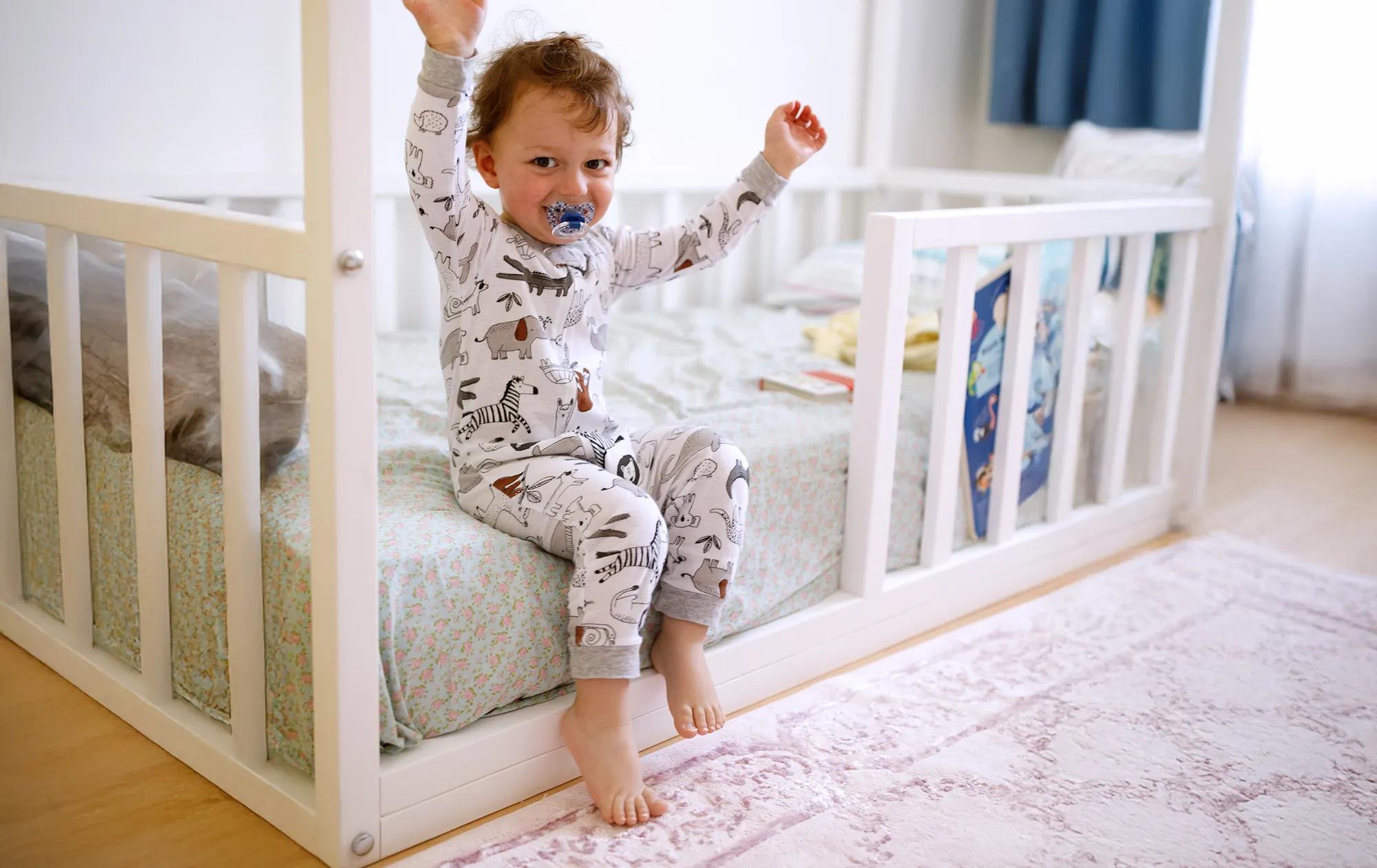
Encourage your toddler to be part of the bedtime process. Let them pick pajamas or the bedtime story. Praise your child for trying to sleep in their new bed. Small rewards can motivate your toddler. Teach your toddler to get in bed by themselves. This builds confidence and makes bedtime smoother. Independence helps toddlers feel proud and ready for sleep.
Credit: health.clevelandclinic.org
Frequently Asked Questions
How Long Do Toddlers Typically Sleep In A Toddler Bed?
Toddlers usually sleep in toddler beds from ages 1. 5 to 5 years. This depends on their size and readiness for a bigger bed. Parents should transition when the child starts climbing out or feels cramped.
When Should Parents Transition From Crib To Toddler Bed?
Most parents switch between 18 months and 3 years. The move depends on the child’s safety, mobility, and comfort. Transition early if the toddler climbs out of the crib.
Can Toddlers Sleep Safely In Toddler Beds Overnight?
Yes, toddler beds are designed for safety with low height and guardrails. Always ensure the bed meets safety standards. Use a firm mattress and avoid heavy bedding to reduce risks.
How To Know If Toddler Bed Is Still Suitable?
If your toddler fits comfortably and doesn’t try to climb out, the bed suits them. Also, check if the bed size supports their growing body. Replace the bed when they outgrow or become unsafe.
Conclusion
Toddlers can sleep in a toddler bed for several years. Most children use it from about 18 months to 5 years old. Every child is different, so watch their comfort and safety. Change the bed when your toddler starts climbing out or feels cramped.
A good toddler bed helps your child sleep better and feel secure. Always choose a bed with guardrails for safety. Keep bedtime routines calm and consistent for easier transitions. This way, your toddler enjoys restful sleep in their new bed.