Are you wondering how long your toddler should be sleeping in their new toddler bed? You’re not alone.
Making the switch from a crib to a toddler bed is a big step, and knowing what to expect can ease your mind. Understanding how long your child needs to sleep in this stage helps you plan better bedtime routines and ensures they get the rest they need to grow and thrive.
Keep reading to discover the typical sleep duration for toddlers in their beds—and find practical tips to help your little one settle in comfortably every night.
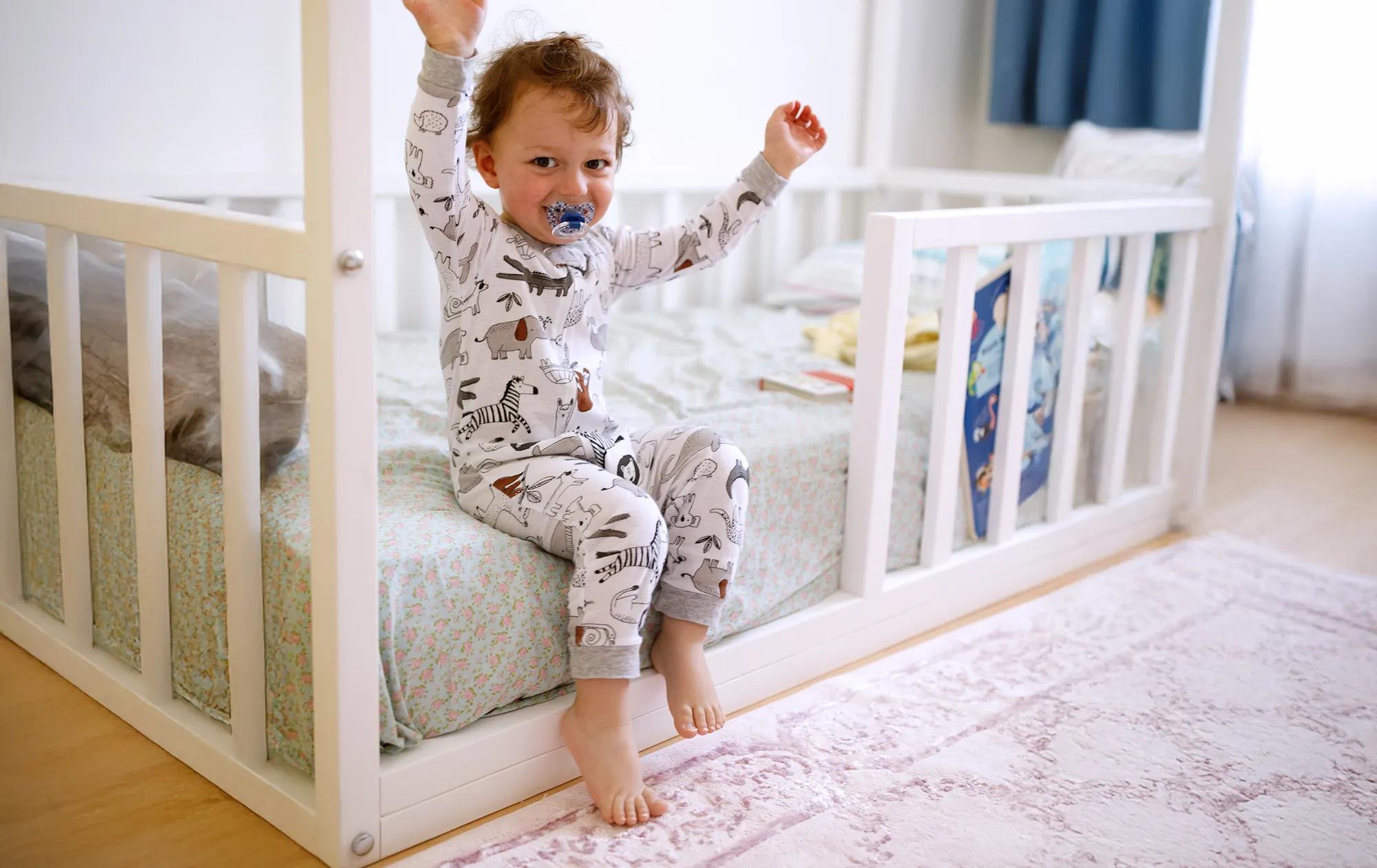
Credit: health.clevelandclinic.org
Toddler Sleep Needs
Toddlers need a good amount of sleep to grow healthy and strong. Sleep helps their brain develop and keeps their mood stable. A toddler bed marks a new stage in their sleep routine. Knowing how long toddlers sleep in these beds helps parents plan better. Sleep needs change as toddlers grow. Understanding these changes supports healthy sleep habits.
Recommended Sleep Hours
Toddlers usually need 11 to 14 hours of sleep in 24 hours. This total includes night sleep and naps during the day. Most toddlers sleep about 10 to 12 hours at night. They also take one or two naps lasting 1 to 3 hours. Good sleep improves attention, learning, and physical growth.
Variations By Age
At 1 year, toddlers may sleep 14 hours daily with longer naps. By 2 years, night sleep stays around 11 to 12 hours. Daytime naps reduce to one nap lasting 1 to 2 hours. At 3 years, toddlers often sleep 10 to 12 hours at night. Many stop daytime naps or take short ones. Each child’s sleep pattern can be unique but generally follows this trend.
Transitioning To A Toddler Bed
Moving your child to a toddler bed is a big step. It marks a new stage in their growth and independence. This change can affect their sleep patterns. Preparing well helps make the transition smooth and positive. Knowing when and how to start is important for both you and your toddler.
Signs Your Toddler Is Ready
Your toddler may show signs when they are ready for a big kid bed. They might try to climb out of their crib. They could express interest in sleeping in a bed like older kids. Nighttime waking or discomfort in the crib are common clues. Also, your child might start asking to get in and out freely.
These signs suggest they need more space and freedom. Watching for these hints helps you pick the right time to switch.
Safety Considerations
Safety is key during this transition. Choose a toddler bed with low sides to prevent falls. Use bed rails for added protection at night. Place the bed away from windows and cords. Make sure the room is childproofed and hazard-free.
Check the mattress fits snugly to avoid gaps. Remove sharp or hard objects near the bed. Keep a nightlight on to help your toddler feel secure. These steps help create a safe sleep space.
Typical Sleep Duration In Toddler Beds
Toddlers need plenty of sleep to grow and stay healthy. The amount of sleep they get in a toddler bed can vary. Typical sleep duration helps parents plan better routines. Understanding how long toddlers sleep at night and during the day is key. This section explores common sleep patterns and nap times for toddlers in their beds.
Nighttime Sleep Patterns
Toddlers usually sleep about 10 to 12 hours at night. Some may wake briefly but often fall back asleep quickly. Consistent bedtime routines help improve sleep quality. Nighttime sleep is important for brain development and energy. Toddlers benefit from a calm and quiet bedroom environment.
Naps And Daytime Sleep
Daytime naps add 1 to 3 hours of rest. Most toddlers take one or two naps daily. Naps help reduce tiredness and improve mood. As toddlers grow, nap length and frequency often decrease. Keeping nap times consistent supports better nighttime sleep.

Credit: www.kidkraft.ca
Factors Affecting Toddler Sleep
Toddler sleep depends on many factors. These factors shape how long toddlers stay in their beds and how well they rest. Understanding them helps create a better sleep routine for your child. Sleep quality and duration can change due to habits, environment, and their own growth.
Bedtime Routines
Consistent bedtime routines help toddlers feel safe. A calm routine signals it is time to sleep. Simple activities like reading or bathing ease the transition. Toddlers sleep longer when they know what to expect.
Room Environment
The bedroom should be quiet and dark for better sleep. Soft lighting and a comfortable temperature are important. Too much noise or light can wake toddlers early. A cozy bed and familiar toys can also soothe them.
Emotional And Physical Changes
Toddlers grow fast. Their bodies and feelings change often. Teething, illness, or growth spurts can disturb sleep. Emotional shifts like fear or excitement also affect rest. These changes may shorten or interrupt sleep in a toddler bed.
Tips To Improve Toddler Sleep
Improving toddler sleep takes patience and simple habits. Consistent routines and a calm environment help toddlers feel safe and ready to sleep. Small changes can make a big difference in how well your child sleeps in their toddler bed.
Consistent Schedules
Set a regular bedtime and wake-up time every day. Toddlers thrive on routine. Going to bed and waking up at the same time helps their body clock stay steady. This makes falling asleep easier and improves overall sleep quality.
Keep naps at the same time each day. Avoid letting your toddler nap too late. This can make bedtime harder. Consistency helps your child know what to expect and feel secure.
Comfort And Security
Make the toddler bed cozy and inviting. Use soft blankets and a favorite stuffed toy. These items give comfort and help your child relax.
Keep the room quiet and dim. A dark room signals the body to produce sleep hormones. Avoid loud noises or bright lights before bed. This helps toddlers feel calm and safe.
Addressing Sleep Disruptions
Notice what wakes your toddler during the night. Check for hunger, thirst, or discomfort. Fix any problems quickly to help them return to sleep.
Be patient with fears or nightmares. Offer reassurance without turning on bright lights or making too much noise. Calm and quiet help your toddler feel secure and fall back asleep faster.
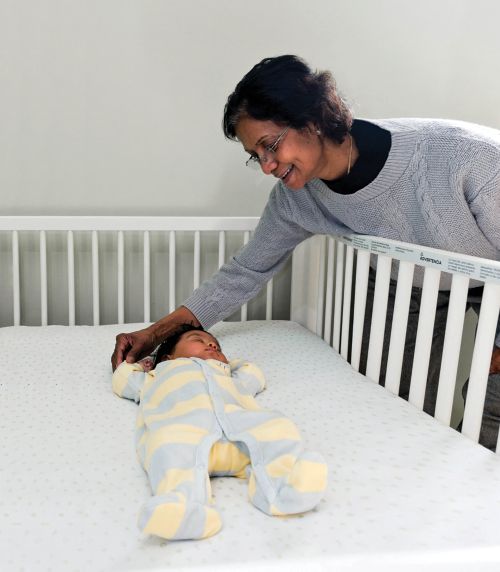
Credit: together.stjude.org
When To Consult A Sleep Expert
Knowing when to seek help from a sleep expert is important for your toddler’s health. Sleep issues can affect their mood, growth, and daily activities. Early advice can prevent long-term problems. Watch your child’s sleep patterns closely. Changes might signal the need for professional support.
Recognizing Sleep Problems
Frequent night waking is a common sign of trouble. Your toddler may struggle to fall asleep alone. Loud snoring or gasping during sleep also needs attention. Restless nights and daytime tiredness matter. If your child is irritable or hard to wake, these are warning signs. Poor sleep habits that last more than two weeks should be checked.
Available Support Options
Sleep experts include pediatricians and sleep therapists. They can diagnose and treat sleep disorders. Behavioral therapy helps improve sleep routines. Medical tests check for breathing or neurological issues. Support also comes from sleep coaches and counselors. Choose the right expert based on your child’s symptoms. Early support leads to better sleep and happier days.
Frequently Asked Questions
How Many Hours Should Toddlers Sleep In A Toddler Bed?
Toddlers typically need 11 to 14 hours of sleep daily. This includes nighttime sleep and naps. A toddler bed supports healthy sleep habits during this stage.
When Is The Right Age To Switch To A Toddler Bed?
Most children transition between 18 months and 3 years. This depends on their size, mobility, and readiness to leave a crib safely.
How Long Do Toddlers Usually Stay In Toddler Beds?
Toddlers generally use toddler beds until ages 5 or 6. This varies based on their growth and comfort before moving to a regular bed.
What Factors Affect Toddler Sleep Duration In A Toddler Bed?
Sleep duration depends on routine, comfort, bedtime consistency, and overall health. A comfortable toddler bed can improve sleep quality and duration.
Conclusion
Toddlers usually sleep 10 to 14 hours each day in their beds. Sleep needs change as they grow older and more active. A toddler bed offers comfort and safety for this stage. Consistent bedtime routines help toddlers fall asleep faster.
Parents should watch for signs of tiredness and adjust sleep times. Good sleep supports healthy growth and better mood. Every child is different, so patience is key. Creating a calm sleep space makes a big difference. Sleep in a toddler bed can last until age five or six.
Keep sleep a priority for your little one’s well-being.