Are you wondering how long your baby will actually use a toddler bed? You’re not alone.
Making the switch from a crib to a toddler bed is a big step, and it comes with plenty of questions. How long will your child stay comfortable in that bed? When is it time to move on? Knowing the answer can help you plan better and keep your little one safe and happy.
Keep reading to discover what you need to know about the toddler bed stage and how to make the most of it for your child’s growth and comfort.
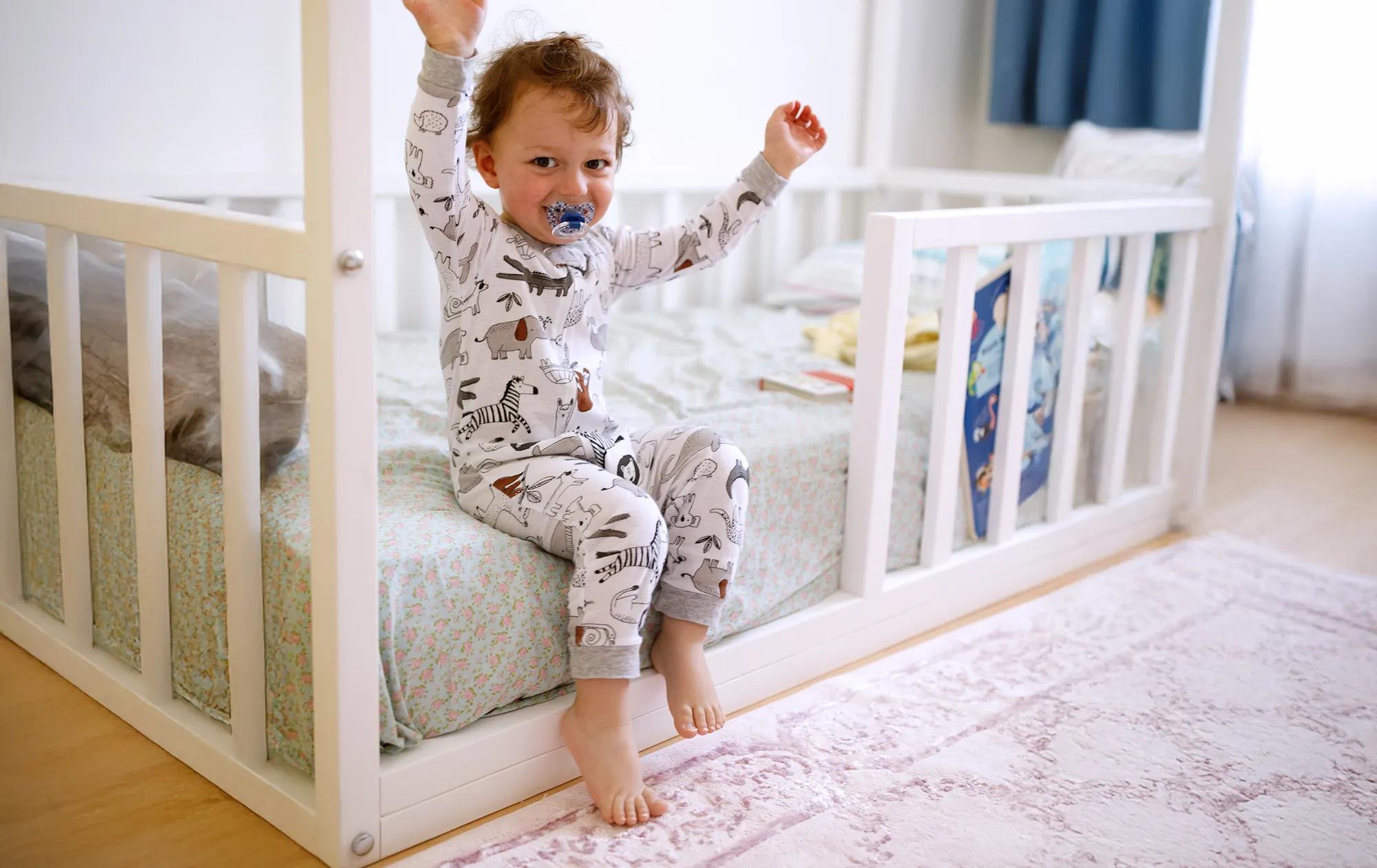
Credit: health.clevelandclinic.org
When To Switch To A Toddler Bed
Deciding when to switch your baby to a toddler bed is important. This change marks a big step in your child’s growth. A toddler bed offers more freedom and safety than a crib. Knowing the right time to make this switch helps your child feel secure and comfortable.
Signs Your Baby Is Ready
Your baby may try to climb out of the crib. This is a clear sign of readiness. They might also show interest in the toddler bed. Look for nights when they wake up and want to move around more. If your child can follow simple instructions, they might be ready. These signs show they need a bigger, safer space to sleep.
Age Guidelines
Most children switch between 18 months and 3 years old. This range varies for each child. Toddlers need enough space to move but still feel safe. Use age as a general guide, not a strict rule. Watch your child’s behavior to decide the best time to switch.
Safety Considerations
Choose a bed with guardrails to prevent falls. Place the bed away from windows and sharp corners. Keep the room free of heavy or unstable furniture. Use a firm mattress that fits the bed frame well. Check the bed regularly for loose parts or damage. Safety is the top priority during this transition.
Duration Of Toddler Bed Use
Understanding how long a baby uses a toddler bed helps parents plan better. The time spent in a toddler bed varies by child. It depends on growth, comfort, and readiness. This section explains the usual length of toddler bed use.
Typical Age Range
Most toddlers start using a toddler bed between 18 months and 3 years. They usually stay in it until they are 5 to 7 years old. This age range fits many children’s growth and sleep needs. Some may switch earlier or later depending on their size and habits.
Factors Influencing Duration
The length of toddler bed use depends on many factors. Safety is a big one. If a child climbs out easily, parents may move them to a bigger bed sooner. Comfort also matters. Some kids feel cramped and want more space quickly. Family routines and room space can change timing too.
Developmental Milestones
Children reach certain milestones that affect bed choice. When they can climb safely, a bigger bed might be better. Potty training can also influence the move. Some kids want a larger bed to feel more grown-up. Watching these signs helps parents decide the right time.
Making The Transition Smooth
Making the transition from a crib to a toddler bed can feel like a big change. It is important to help your child feel safe and happy during this time. A smooth transition sets a positive tone for bedtime. Small steps can make a huge difference.
Preparing The Room
Create a cozy and inviting space for your toddler. Use soft bedding and favorite toys to make the bed feel familiar. Remove any sharp or dangerous items nearby. Keep the room at a comfortable temperature. Add a night light to ease fear of the dark. A tidy, calm room helps your child relax and sleep better.
Involving Your Child
Let your toddler join in decorating the new bed area. Choose bedding or stuffed animals together. Talk about the new bed as a fun adventure. Encourage your child to touch and sit on the bed before sleeping. This involvement builds excitement and reduces anxiety. It also helps your child feel in control of the change.
Establishing New Routines
Keep bedtime routines consistent but add new steps for the toddler bed. Read a favorite story or sing a song beside the bed. Use gentle words to say goodnight. Avoid rushing or sudden changes in the routine. A calm, steady schedule supports better sleep and comfort. Over time, your child will feel secure and ready for sleep in the new bed.

Credit: www.newtonbaby.com
Common Challenges And Solutions
Moving a baby to a toddler bed brings new challenges for parents. These challenges can make the transition tough. Understanding common problems helps parents find easy solutions.
Dealing With Resistance
Many toddlers resist leaving their crib. They feel safe and cozy there. Start by talking about the new bed. Let your child pick bedding or a stuffed animal. This makes the bed feel special. Be patient. Offer praise when your child tries the bed. Avoid forcing them, which can increase fear.
Handling Nighttime Wakings
Toddlers may wake up at night more often in a new bed. They might feel unsure or lonely. Use a nightlight to provide comfort. Keep a consistent bedtime routine. This helps your child feel secure. If they get out of bed, gently guide them back. Avoid long talks or playtime. Calm and quiet reassures them to return to sleep.
Ensuring Safety And Comfort
Safety is key in a toddler bed. Use bed rails to prevent falls. Check the bed height and mattress firmness. Remove sharp or hard toys nearby. Keep the room at a comfortable temperature. A soft blanket or favorite toy helps comfort your child. Safety and comfort together create a good sleep space.
Expert Tips For Parents
Parents often wonder how to make the toddler bed transition smooth. Expert advice helps ease the process. Using clear methods can reduce stress for both child and parent.
Below are practical tips from experts on managing this change well. These ideas support healthy habits and comfort for little ones.
Consistency Is Key
Keep a regular bedtime routine every night. This helps your child know what to expect. Stick to the same sleep time and calming activities. Consistency builds security and good sleep habits.
Use the toddler bed only for sleeping. Avoid turning it into a play area. This teaches your child the bed’s purpose clearly.
Positive Reinforcement
Praise your child for using the toddler bed. Celebrate small successes with kind words or hugs. This encouragement motivates them to stay in bed.
Use simple rewards like stickers or extra storytime. Positive feedback makes the new bed feel safe and fun. Avoid punishment if your child struggles to adjust.
When To Move To A Big Bed
Watch for signs your child is ready for a bigger bed. These include climbing out of the toddler bed or growing too tall. Safety is the main reason to switch.
Most children move to a big bed around age 3 to 4. Follow your child’s comfort and physical needs. Choose a bed that feels secure and cozy.
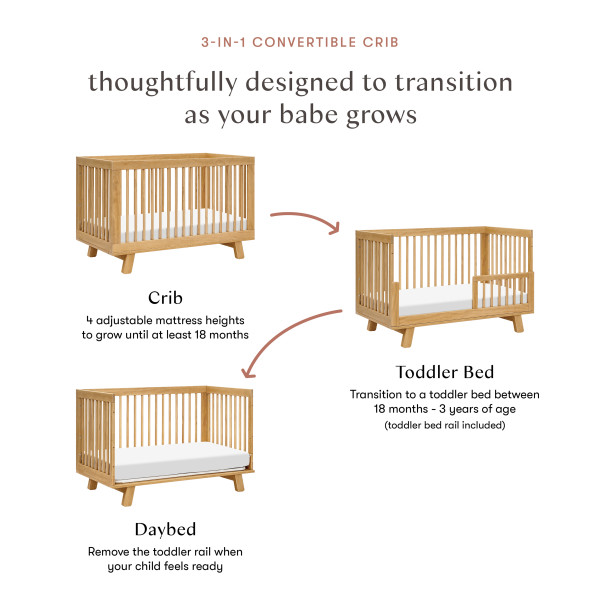
Credit: babyletto.com
Frequently Asked Questions
How Long Does A Baby Typically Use A Toddler Bed?
Babies usually use toddler beds from 18 months to 5 years old. This depends on their size and readiness to transition safely. Most children outgrow toddler beds by age five when they move to a standard bed.
When Should I Transition My Baby To A Toddler Bed?
Transition when your baby shows signs of climbing out of the crib or expresses interest in a big bed. Generally, this happens between 18 months and 3 years old. Safety and comfort should guide the timing.
Can Toddlers Use A Bed Without Guardrails?
Toddlers should use beds with guardrails to prevent falls during sleep. Guardrails provide necessary safety until the child is confident and stable in a larger bed. Removing guardrails is advised only when the child is older and safer.
What Signs Indicate My Toddler Is Ready For A Bigger Bed?
Look for signs like climbing out of the crib, needing more space, or showing independence. When your toddler can safely climb in and out, it’s time to upgrade. Comfort and safety are key factors.
Conclusion
Babies usually start using a toddler bed around 18 months. They often stay in it until about 3 to 5 years old. Growth, comfort, and safety guide this timing. Every child is different. Watch for signs your child is ready to move on.
A toddler bed helps with independence and better sleep. Choose a bed that feels safe and cozy. Remember, patience and care make this change easier. Keep your child’s needs in mind throughout the process. This way, bedtime stays peaceful and stress-free for all.