Choosing the right bed for your little one is more than just picking a cute design. You want something safe, comfy, and that lasts through those busy toddler years.
But how long should a toddler bed really last? Knowing the answer helps you plan better, save money, and keep your child cozy night after night. Keep reading, and you’ll discover exactly what to expect, when it’s time to upgrade, and how to make the best choice for your family.
Your toddler’s sweet dreams depend on it!
When To Transition To A Toddler Bed
Transitioning from a crib to a toddler bed is an important step in your child’s growth. It marks a new stage of independence and comfort. Knowing the right time to switch helps your child feel safe and happy during sleep. Each child is different. Watch for clear signs and understand the ideal age for this change.
Signs Your Child Is Ready
Your child may climb out of the crib often. This can be unsafe and means they want more freedom. They might show interest in the toddler bed or talk about a “big kid” bed. Nighttime potty training can also be a sign. Your child may feel cramped in the crib. These hints show they are ready for a bigger bed.
Ideal Age Range
Most children move to a toddler bed between 18 months and 3 years. Some switch earlier, some later. It depends on your child’s growth and behavior. The toddler bed fits a child who has outgrown the crib but still needs side rails for safety. This age range balances comfort and safety well.
Materials And Build Quality
The materials and build quality of a toddler bed play a big role in how long it lasts. Strong materials keep the bed sturdy and safe. Poor materials can break or wear out fast. A well-built bed supports your child as they grow. Parents want a bed that stays reliable for years. Choosing the right frame and mattress ensures comfort and durability. This section explores key features to check before buying.
Durable Frame Options
Wood is a popular choice for toddler bed frames. Hardwoods like oak and maple are strong and last longer. Softwoods can be less durable but often cost less. Metal frames offer good strength and resist damage well. Look for smooth finishes to avoid splinters. Joints should be tight and secure to prevent wobbling. A solid frame keeps the bed stable during play and sleep.
Safe Mattress Choices
The mattress must fit the bed frame snugly to avoid gaps. Choose firm mattresses to support growing bodies. Soft mattresses can cause discomfort and safety issues. Hypoallergenic materials reduce allergy risks. Breathable fabrics help keep the mattress cool. Check for certifications like CertiPUR-US for safe foam. A quality mattress adds comfort and extends the bed’s life.
Average Lifespan Of Toddler Beds
Choosing the right toddler bed means knowing how long it will last. Toddler beds serve children during an important growth stage. Parents want a bed that fits their child’s needs for a good time. Understanding the average lifespan helps make smart choices.
Typical Usage Duration
Toddler beds usually last between 2 to 4 years. Children use them after moving from a crib. Most kids switch to a twin bed by age five or six. The bed’s size fits toddlers up to about 50 pounds. This period covers the toddler’s early growth and sleep habits. Parents often buy beds that grow with their child.
Factors Affecting Longevity
Material quality plays a big role in a toddler bed’s life. Solid wood beds last longer than plastic or low-quality wood. How often the bed is used affects its condition. Rough use can cause damage and shorten its life. Proper care and cleaning also keep the bed safe and sturdy. Some beds can be converted or adjusted for longer use.
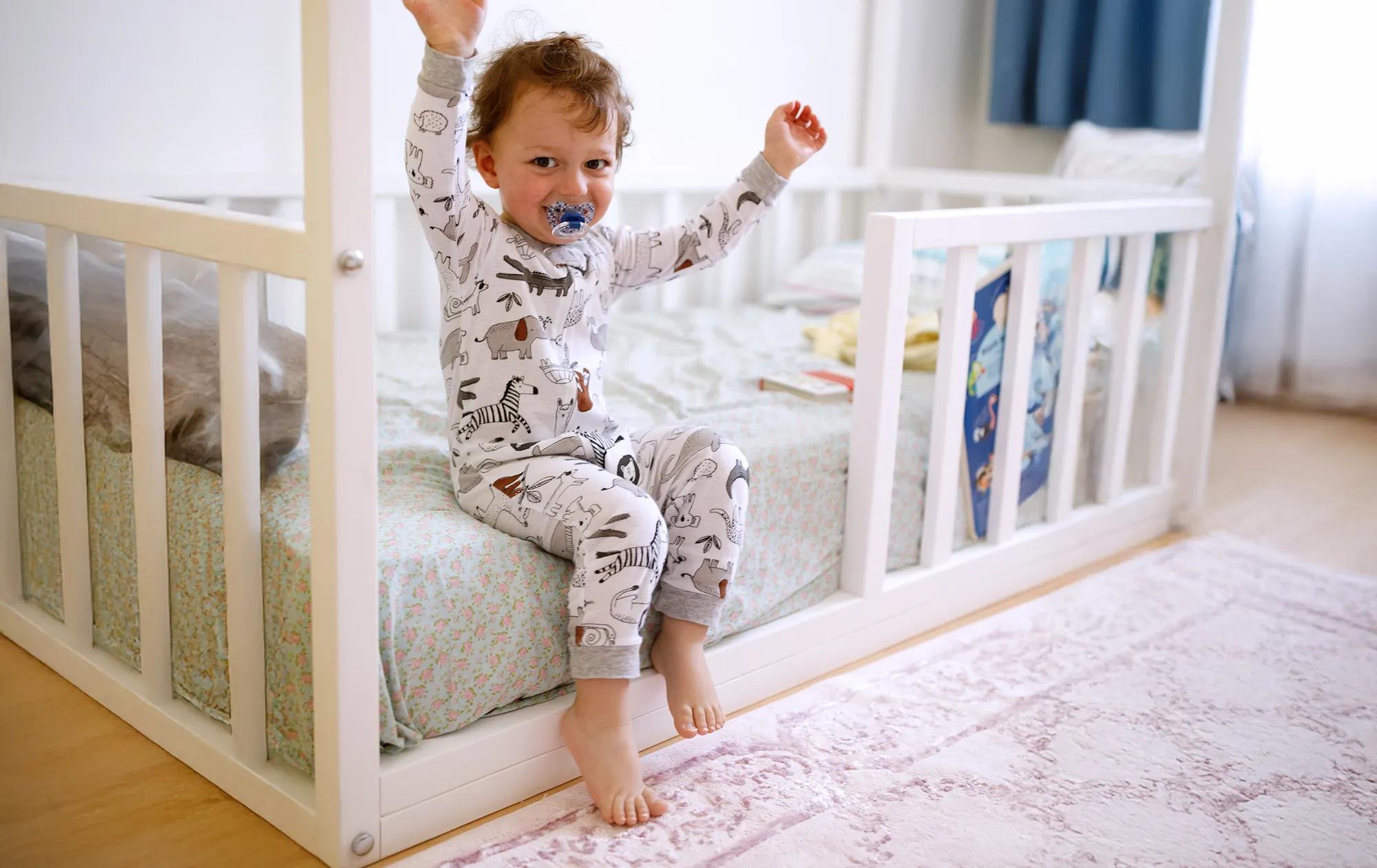
Credit: health.clevelandclinic.org
Safety Features To Consider
Choosing a toddler bed involves more than just size and style. Safety is the top priority. Parents want a bed that protects their child through all stages of early growth. Certain safety features make a big difference in how long the bed can serve your little one. These features reduce risks and add peace of mind.
Guardrails And Bed Height
Guardrails prevent toddlers from falling out during sleep. Look for beds with sturdy, high guardrails on all sides. This keeps your child safe if they move a lot at night.
The bed height matters too. A lower bed helps toddlers climb in and out easily. It also reduces injury risks if they do fall. Choose a bed low enough for your child to get up alone but high enough for comfort.
Non-toxic Finishes And Materials
Toddlers explore by touching and chewing. Non-toxic finishes keep harmful chemicals away from their skin and mouth. Check for beds with water-based paints or natural wood finishes.
Materials should be safe and durable. Solid wood or high-quality engineered wood works well. Avoid beds with strong chemical smells or rough surfaces. These can irritate sensitive skin and cause allergies.
Signs It’s Time To Upgrade
Knowing when to upgrade your toddler’s bed is important for safety and comfort. Toddlers grow fast. Their needs change quickly. Watch for signs that show it is time for a new bed. This helps avoid accidents and keeps your child cozy at night.
Outgrown Size And Weight Limits
Each toddler bed has size and weight limits. These limits keep your child safe. If your toddler is taller or heavier than the bed’s limits, it is time to upgrade. A bigger bed provides more space to sleep comfortably. It also supports their growing body properly. Using a bed beyond its weight limit can cause damage and risk injury.
Wear And Tear Indicators
Check the bed for signs of wear and tear. Cracks in the frame or loose parts can be dangerous. Worn-out slats or broken rails may not support your child well. If the mattress is sagging or the bed wobbles, these are clear signs to replace it. A sturdy bed helps your toddler sleep safely and soundly.
Maximizing Toddler Bed Lifespan
Maximizing the lifespan of a toddler bed helps save money and reduces waste. A well-maintained bed lasts longer and stays safe for your child. Simple care routines can keep the bed sturdy and attractive. Focus on cleaning, checking parts, and preventing damage to extend its use.
Proper Maintenance Tips
Clean the bed regularly with a soft cloth and mild soap. Avoid harsh chemicals that can wear the finish. Tighten screws and bolts often to keep the bed stable. Check the mattress support for any signs of wear or bending. Use a mattress protector to avoid stains and spills. Store extra bedding properly to prevent moisture buildup. Rotate the mattress to help it last longer and stay comfortable.
Avoiding Common Damages
Prevent sharp impacts by keeping the bed away from walls and furniture. Teach your toddler gentle behavior to reduce rough use. Avoid jumping or standing on the bed to protect the frame. Use corner guards on sharp edges to prevent chips and scratches. Keep the bed dry to stop wood from swelling or cracking. Inspect the bed regularly for loose parts or splinters. Replace any broken parts quickly to avoid accidents.
Alternative Sleeping Options After Toddler Bed
After outgrowing a toddler bed, many parents wonder about the next step. There are several good options for your child’s sleep space. Choosing the right bed helps your child feel safe and comfortable. It also fits your home and budget well. Below are two popular choices for after the toddler bed.
Transitioning To A Twin Bed
A twin bed is a common next step. It offers more space for growing kids. Twin beds come in many styles and colors. Your child can enjoy a bigger bed for many years. Using familiar bedding can make the change easier. Place the bed in the same room to keep routines. A twin bed suits children from about age 4 or 5. It supports healthy sleep and independence. You can add fun pillows or blankets to make it cozy.
Using Convertible Beds
Convertible beds grow with your child. They start as toddler beds and change to larger beds. Some models convert into twin beds or daybeds. This saves money over time. Convertible beds offer flexibility and long use. Adjust the bed size as your child grows. They often come with safety rails for younger kids. These beds blend well with room decor. Pick a sturdy frame for lasting support. Convertible beds work well in small spaces too.

Credit: www.kidkraft.ca
Budgeting For Toddler Bed Replacement
Budgeting for a toddler bed replacement helps plan your expenses better. Toddler beds usually last a few years. Kids grow fast, so the bed needs replacement at the right time. Setting a budget avoids last-minute stress. It also ensures you get a safe and comfortable bed within your price range.
Cost Expectations
Toddler beds vary in price. Simple models start around $50. Mid-range beds cost between $100 and $200. High-end beds with special features can go over $300. Think about how long you want the bed to last. Spending a bit more can mean better quality. But cheaper beds may work for short-term use.
Finding Quality Affordable Beds
Look for beds made of sturdy materials like solid wood or metal. Check customer reviews for durability and safety. Some brands offer good quality at low prices. Compare prices online and in stores. Sales and discounts can help save money. Choose a bed that fits your budget and your toddler’s needs.

Credit: sarahockwell-smith.com
Frequently Asked Questions
How Long Does A Toddler Bed Typically Last?
A toddler bed usually lasts between 2 to 4 years. It depends on your child’s growth and comfort needs. Some beds convert to twin size, extending their usability. Regularly check for safety and wear to decide when to upgrade.
When Should A Toddler Move To A Regular Bed?
Most toddlers transition to a regular bed between ages 3 and 5. Signs include outgrowing the toddler bed or climbing out frequently. Safety and comfort are key factors in deciding the right time to switch.
Can A Toddler Bed Support Heavier Children?
Toddler beds generally support children up to 50 pounds. Some models have higher weight limits, so check the manufacturer’s guidelines. Ensure the bed frame is sturdy to maintain safety as your child grows.
What Are Signs A Toddler Bed Needs Replacement?
Look for loose parts, broken slats, or worn mattresses as signs to replace. If your child is too tall or climbs out often, consider upgrading. Safety and comfort should guide your decision to change the bed.
Conclusion
A toddler bed usually lasts two to four years. Kids grow fast and need bigger beds soon. Check the bed for safety and comfort often. A sturdy bed helps your child sleep well. Changing to a bigger bed depends on your child’s size and needs.
Choose a bed that fits your space and budget. Keep your child’s comfort and safety the top priority. A good toddler bed supports healthy sleep and growth. Simple steps help you know when to upgrade. Your child will enjoy their bed for a good time.