Are you wondering how long to keep your toddler in their toddler bed? It’s a question many parents face as their little ones grow and change fast.
You want to keep your child safe and comfortable, but also know when it’s time to make the next move. Knowing the right time can help avoid bedtime battles and keep your child happy. You’ll discover clear signs to watch for and practical tips to make this transition smooth for both you and your toddler.
Keep reading to find out exactly when and how to make the switch with confidence.
Signs Your Toddler Is Ready
Knowing when your toddler is ready to move to a toddler bed is important. This change can affect their safety and comfort during sleep. Watch for clear signs in your child’s growth and behavior. These signs help you decide the right time to switch beds.
Physical Milestones
Your toddler may be ready if they can climb out of the crib. This shows they are physically strong and may need a safer bed. Look for improved balance and coordination too. These skills help them get in and out of bed without falling.
Behavioral Changes
Notice if your child shows interest in a big bed. They might talk about it or ask to sleep in one. Also, see if they resist the crib or try to escape it. These behaviors suggest they want more freedom and space.
Sleep Patterns
Changes in sleep habits can signal readiness. Your toddler may wake often or seem uncomfortable in the crib. Longer naps in the day or restless nights can mean the crib is too small. A toddler bed offers more room for comfortable sleep.

Credit: www.amazon.com
Ideal Age Range For Transition
Choosing the right time to move a toddler from a crib to a toddler bed is important for safety and comfort. The ideal age range for this change varies for each child. Parents should watch for signs of readiness and consider common age guidelines. This helps ensure a smooth transition and better sleep habits.
Typical Age Brackets
Most toddlers switch to a toddler bed between 18 months and 3 years old. Some make the change closer to 2 years. This range fits many children’s growth and development stages. Around this time, children often start climbing out of cribs. Safety risks increase, making the toddler bed a safer option.
Variations By Child
Every child grows at their own pace. Some may feel ready earlier or later than the usual age range. Factors like size, mobility, and comfort affect readiness. Parents should watch for signs like climbing out of the crib or showing interest in a bigger bed. Listening to the child’s needs helps make the best choice.
Safety Considerations
Safety is the top priority when deciding how long to keep your toddler in a toddler bed. Toddlers are curious and active, so their sleeping space must protect them from falls and injuries. Choosing the right bed and preparing the room properly helps create a safe environment.
Bed Design Features
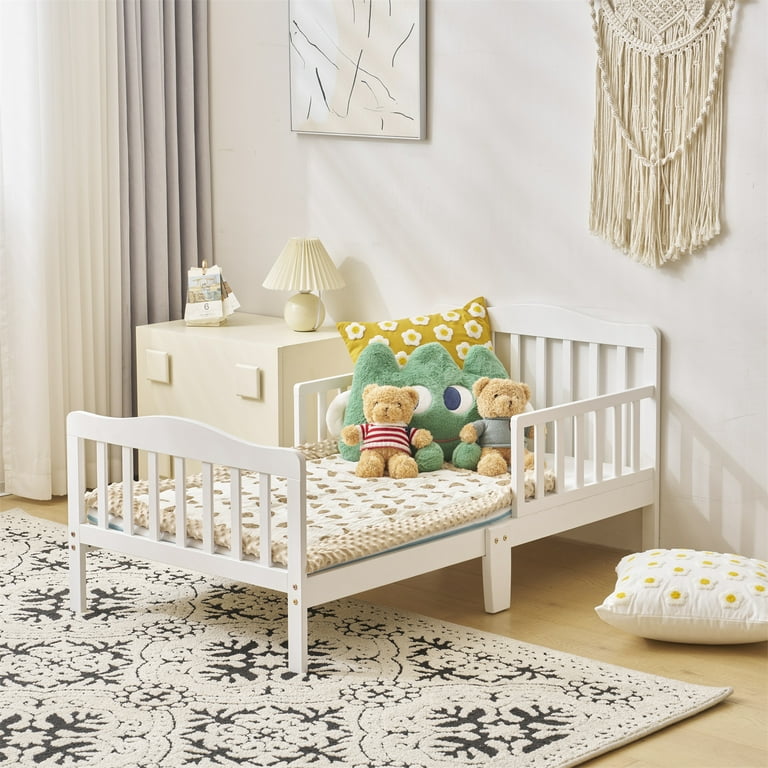
Choose a bed with low height to reduce fall risk. Guardrails on both sides help keep your toddler from rolling out. Look for smooth edges and sturdy materials to avoid splinters and sharp corners. A firm mattress that fits the bed frame well prevents gaps where a child could get stuck. Avoid beds with loose parts or unstable frames. These features keep your toddler safe throughout their transition.
Room Childproofing Tips
Secure heavy furniture to the wall to prevent tipping. Cover electrical outlets with safety plugs. Keep cords from blinds or curtains out of reach to avoid strangulation hazards. Use corner protectors on sharp furniture edges. Place a soft rug beside the bed to cushion any falls. Remove small objects that pose choking risks. These steps create a safe room for your toddler’s independence.
Benefits Of Toddler Beds
Toddler beds offer many benefits for both children and parents. They create a smooth step from a crib to a bigger bed. These beds help toddlers feel safe and cozy while they sleep. The right toddler bed supports your child’s growth and comfort. It also encourages good sleep habits early on.
Choosing a toddler bed helps your child adjust to sleeping alone. It provides space that is just right for their size. This makes bedtime more pleasant for toddlers. Parents also find toddler beds easier to manage than cribs or large beds. The design suits small children and supports their needs well.
Comfort And Security
Toddler beds give a sense of safety with low sides or rails. These rails stop children from falling out while sleeping. The bed size matches toddlers’ small bodies perfectly. This helps them feel snug and relaxed. A comfortable bed encourages better sleep and less fuss at night.
The familiar feel of a toddler bed helps reduce nighttime fears. Toddlers feel more secure in their own space. This security helps them settle down quickly. Good sleep supports healthy growth and energy during the day.
Promoting Independence
Toddler beds allow kids to get in and out by themselves. This freedom builds confidence and self-reliance. Toddlers learn to manage their bedtime routine better. They feel proud to use a “big kid” bed.
Independence at bedtime can reduce struggles and tantrums. Children start to understand their own sleep needs. This early independence sets the stage for good habits. A toddler bed is more than furniture—it’s a step toward growing up.
Common Challenges And Solutions
Transitioning a toddler to a toddler bed brings new challenges. These issues are common but manageable. Understanding these problems helps parents find simple solutions. Below are two frequent challenges and ways to address them.
Bedtime Resistance
Toddlers often resist bedtime after switching beds. They may want to stay up or avoid sleeping alone. This behavior can delay sleep and cause stress for parents. Establish a calm and consistent bedtime routine. Use soft lighting and quiet activities before bed. Praise your child for staying in bed. This creates positive bedtime habits.
Nighttime Wandering
Some toddlers get out of bed at night and roam the house. This can be unsafe and disrupt family sleep. Install a gate or door alarm for safety. Gently guide your child back to bed without scolding. Offer comfort and reassure them it is time to sleep. Consistency helps reduce wandering over time.
When To Move To A Twin Bed
Deciding when to move your toddler to a twin bed is important. This step marks a new stage in your child’s growth and independence. Every child grows at their own speed. Watching for the right signs helps you know the best time to switch.
Signs For Next Transition
Your toddler may try to climb out of the toddler bed. This shows they need a bigger, safer sleeping space. If your child looks cramped or uncomfortable, a twin bed suits them better. Growing feet that hang off the bed edge also indicate the time to change. Some toddlers ask for a bigger bed or want more space to spread out. These signs mean they are ready for the next step.
Preparing For The Change
Talk to your child about the new bed. Make it sound exciting and positive. Let them help pick the bed sheets or a new stuffed toy. Keep the bedtime routine familiar to ease the change. Place the new bed in the same room if possible. Make sure the room is safe and free from hazards. A smooth transition helps your toddler feel secure and happy in their new bed.
Expert Recommendations
Experts give clear advice on how long toddlers should stay in their toddler beds. These recommendations help parents decide the best time to switch to a bigger bed. Understanding expert views can ease the transition for both parents and children. It ensures safety, comfort, and good sleep habits during this change.
Pediatrician Advice
Pediatricians suggest keeping toddlers in toddler beds until about 3 to 5 years old. This age range fits most children’s growth and development. They emphasize watching the child’s behavior and safety needs. If a toddler tries to climb out often, it may be time to change beds. Pediatricians also advise making sure the bed has safety rails. This prevents falls and helps the child feel secure at night.
Sleep Specialist Tips
Sleep specialists focus on the child’s sleep quality and routine. They recommend staying in a toddler bed until the child sleeps well through the night. If the toddler wakes up often or resists bedtime, the bed might need changing. Specialists say a smooth bedtime routine supports better sleep during transitions. They also highlight the importance of a calm, quiet bedroom to help toddlers settle quickly.
Credit: www.walmart.com

Credit: www.amazon.com
Frequently Asked Questions
How Long Should Toddlers Stay In Toddler Beds?
Toddlers typically stay in toddler beds from ages 1. 5 to 5 years. Transition depends on child’s size, safety, and readiness. Watch for signs like climbing out or outgrowing the bed. Moving too early or late can affect sleep quality and safety.
When Is The Right Time To Switch To A Toddler Bed?
Switch to a toddler bed when your child can climb out of the crib safely. Most children transition around 18 months to 3 years. Consider their physical growth and emotional readiness. Ensure the toddler bed has safety rails to prevent falls.
How To Know If Toddler Bed Is Too Small?
If your toddler’s feet hang off or they look cramped, the bed is too small. Check if they outgrow the mattress length or width. A cramped bed can disrupt sleep and cause discomfort. Upgrade to a larger bed when your toddler grows rapidly.
Can Toddlers Stay In Toddler Beds Until Age 5?
Yes, toddlers can stay in toddler beds until about age 5. It depends on their height and ability to stay safely in bed. Once they exceed weight or size limits, or show readiness for a bigger bed, it’s time to transition.
Conclusion
Choosing how long to keep your toddler in a toddler bed depends on their comfort. Watch for signs like climbing out or growing too tall. Safety matters most, so switch when the bed no longer fits well. Every child grows at their own pace.
Trust your instincts and your child’s needs. A smooth transition helps your toddler feel secure. Remember, the goal is a safe and happy sleep space. Keep observing and adjust as your child changes. This way, bedtime stays peaceful for everyone.