Are you wondering how long your little one should stay in their crib toddler bed? Choosing the right time to switch can feel tricky.
You want your child to be safe and comfortable, but you also don’t want to rush the change or wait too long. This decision affects your child’s sleep, growth, and even your peace of mind. You’ll discover clear signs it’s time to move on, expert tips to make the transition smooth, and answers to common questions every parent has.
Keep reading to find out exactly how long your child should use their crib toddler bed and make this important step easier for both of you.
When To Switch To Toddler Bed
Knowing when to switch your child from a crib to a toddler bed is important for their comfort and safety. This change marks a big step in their growth and independence. Watching for certain signs helps you decide the right time to make the move. Age is also a factor, but it varies for each child. Safety concerns with cribs can also guide your decision.
Signs Your Child Is Ready
Your child climbs out of the crib often. This shows they want more freedom and can be unsafe. They ask to sleep in a “big kid” bed. They may show interest in using a bed like yours. Your child can get in and out of bed alone. This skill is important for safety and confidence. Nighttime potty training can be easier in a toddler bed.
Age Benchmarks To Consider
Most children switch between 18 months and 3 years. Some are ready earlier, some later. Your child’s size matters too. If they grow too big, the crib may feel cramped. Follow your child’s pace, not just age. This helps avoid stress and accidents during the change.
Safety Concerns With Crib Use
Cribs are safe only if your child stays inside. Climbing out risks falls and injuries. Crib rails can become a hazard when your child grows tall. Older toddlers may get stuck or hurt trying to climb. Some cribs have weight limits that your child might exceed. Switching to a toddler bed reduces these risks and gives your child freedom.
Credit: www.nestig.com
Benefits Of Toddler Beds
Toddler beds offer many benefits for young children and their parents. They help children feel more grown-up and ready for new routines. These beds also provide comfort and a safe space for sleep. Switching from a crib to a toddler bed can be easier and less stressful. Understanding these benefits helps parents decide the right time to make the change.
Increased Independence
Toddler beds let children get in and out by themselves. This freedom builds confidence and self-reliance. Kids learn to manage their own sleep routines. They feel proud to use a “big kid” bed. This independence supports their growth and daily skills.
Comfort And Security
Toddler beds are smaller and closer to the floor. This design makes children feel safe and cozy. Soft rails prevent falls but keep the bed open. Familiar bedding and toys fit well, adding comfort. A secure sleep space helps kids relax and sleep well.
Ease Of Transition From Crib
The toddler bed looks like a crib but suits older kids. This similarity makes the change less scary. Kids adjust faster because the bed feels familiar. Parents can avoid stress and tears during bedtime. The smooth switch supports healthy sleep habits early on.
Types Of Toddler Beds
Toddler beds come in different types. Each type fits a specific need. Choosing the right one helps your child feel safe and comfortable. It also makes the transition from crib easier. Below are common types of toddler beds to consider.
Understanding these types can help you decide how long to use a crib toddler bed. Each has unique features and benefits.
Convertible Crib To Toddler Bed
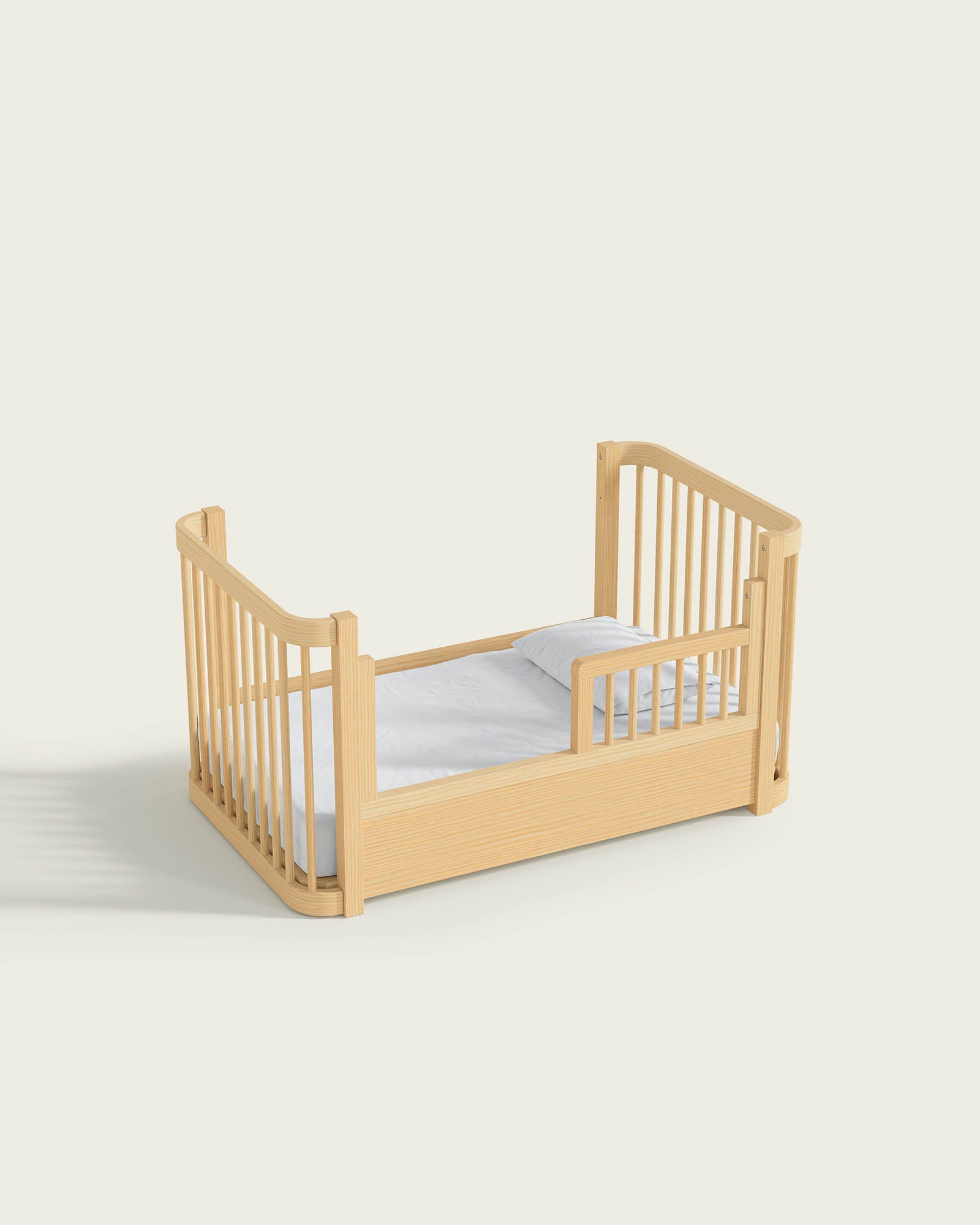
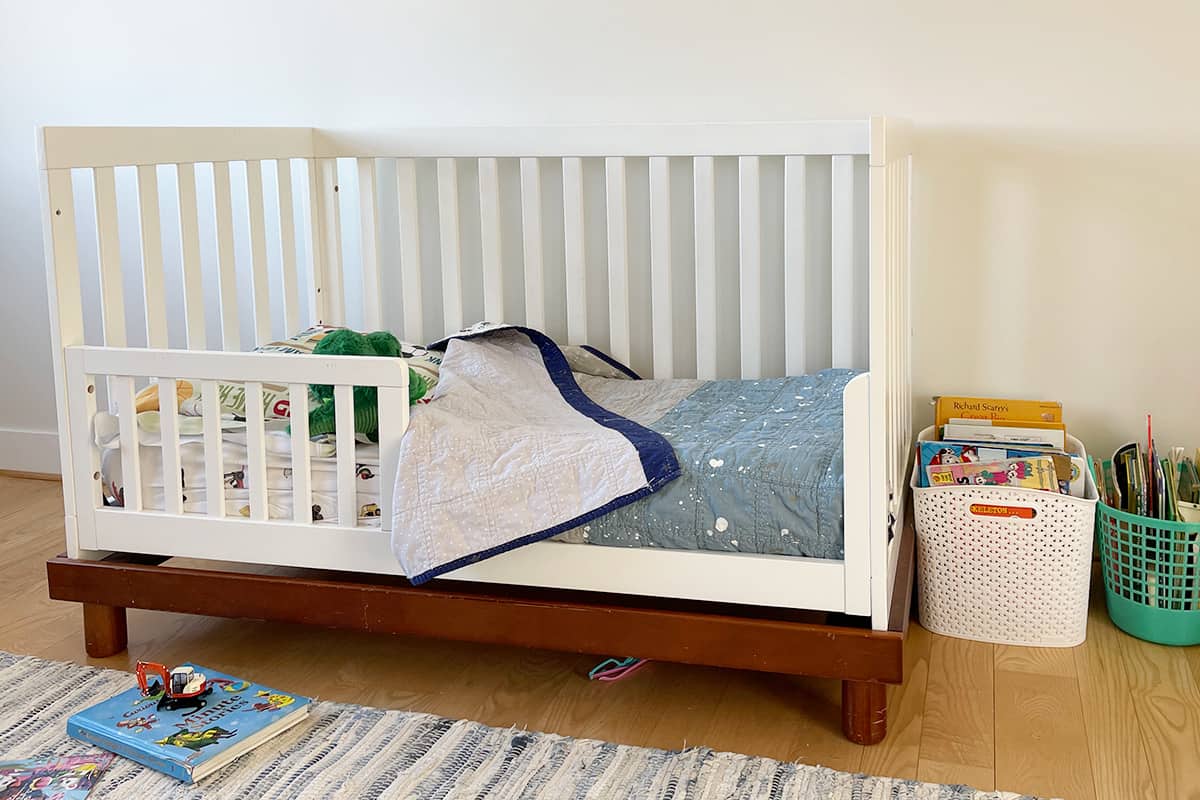
This bed changes from a crib to a toddler bed. It saves money by growing with your child. You remove one side to create a low bed. Your child can get in and out easily. It keeps the same style as the crib. This makes the room look neat and tidy.
Standalone Toddler Beds
Standalone toddler beds are separate from cribs. They come in many fun shapes and sizes. Some look like cars or animals to excite kids. These beds are low to the ground. This helps reduce the risk of injury from falls. They often use smaller mattresses than regular beds.
Beds With Safety Rails
Safety rails keep your child from rolling out of bed. They are usually attached on one or both sides. Some rails are removable or adjustable. These beds offer extra protection for active sleepers. They help parents feel more at ease at night. Safety rails make the bed a secure space.
Preparing Your Child For The Change
Preparing your child for the change from a crib to a toddler bed can make the transition smooth. It helps your child feel safe and comfortable in the new bed. Taking small steps can reduce fear or confusion. It also builds excitement about this new stage.
Creating A Familiar Sleep Environment
Keep the new bed close to the old crib’s place. Use the same sheets or blankets your child loves. Keep favorite stuffed animals nearby for comfort. Soft lighting can help your child feel calm. The room should look familiar, not too different. This helps your child feel safe and relaxed.
Establishing A Bedtime Routine
A steady bedtime routine signals it is time to sleep. Bath time, story time, and quiet talks work well. Follow the same steps every night. This routine helps your child know what to expect. It also makes the new bed feel like part of a calm moment. Consistency is key for good sleep habits.
Involving Your Child In The Process
Let your child help choose the new bedding or pillows. Talk about the new bed and what to expect. Encourage your child to share feelings about the change. Praise their bravery and curiosity. This involvement gives your child control. It makes the switch exciting, not scary.
Common Challenges And Solutions
Moving your child from a crib to a toddler bed brings some common challenges. These issues can affect sleep quality for both kids and parents. Knowing the problems helps you find easy solutions.
Each child adjusts differently to this new sleep setup. Patience and consistency make the transition smoother.
Bedtime Resistance
Many toddlers resist going to bed in their new bed. They may want to play or stay close to parents. Setting a clear bedtime routine helps. Use calming activities like reading a book or soft music. Be firm but gentle about bedtime rules.
Nighttime Wandering
Some toddlers get out of bed during the night. This can be unsafe and tiring for parents. Use a toddler gate to block stairs or dangerous areas. Night lights provide comfort and reduce fear of the dark. Remind your child to stay in bed with kind but firm words.
Adjusting To New Sleep Patterns
Changing beds can disrupt sleep schedules. Your child might wake up earlier or nap less. Keep nap times and bedtime consistent every day. Avoid screen time before bed to help relaxation. Give your child time to get used to the new bed. Consistency helps restore good sleep habits.
Credit: www.yummytoddlerfood.com
Maintaining Safety In Toddler Beds
Keeping your toddler safe in their bed is very important. Toddlers start moving a lot in their sleep. They also try to climb or get out of bed. This can cause falls or injuries. Safety measures help prevent accidents and give parents peace of mind.
Simple steps can make a big difference. Choosing the right mattress, using guardrails, and childproofing the room create a safer sleep space. These actions protect your child as they grow and explore.
Choosing The Right Mattress
Pick a mattress that fits the bed frame well. It should be firm and not too soft. A firm mattress supports your toddler’s growing body. Avoid mattresses that sag or have gaps around edges. These gaps can trap little hands or feet. Check mattress materials to avoid harmful chemicals. Hypoallergenic options reduce allergy risks.
Using Guardrails Effectively
Guardrails stop your toddler from rolling out of bed. Make sure they are sturdy and cover a good part of the bed’s side. The rails should be easy to attach and remove. Check the height—too low won’t protect well, too high may cause falls climbing over. Regularly inspect rails for loose parts or damage. Remove guardrails when your child can safely sleep without them.
Room Childproofing Tips
Look beyond the bed. Cover electrical outlets with safety plugs. Secure heavy furniture to walls to prevent tipping. Remove small objects that can cause choking. Use window guards to stop falls. Keep cords from blinds out of reach. Soft rugs can cushion falls outside the bed area. These simple changes make the whole room safer for your toddler.
When To Transition To A Regular Bed
Knowing when to move your toddler from a crib toddler bed to a regular bed is important. This change can affect their comfort and safety. Parents often wonder about the right time to make this switch. Watching your child closely helps you decide the best moment to transition.
Indicators Your Toddler Is Ready
Your child tries to climb out of their toddler bed. They show interest in bigger beds. Your toddler’s height or weight outgrows the toddler bed limits. They wake up frequently, feeling cramped or uncomfortable. These signs suggest it is time to switch.
Timing The Transition Smoothly
Choose a calm period without big changes at home. Avoid switching beds during illness or travel. Start the transition on a weekend or holiday. Let your toddler help pick bedding to get excited. Keep routines consistent to reduce stress during change.
Preparing For The Next Step
Place the new bed in a familiar spot. Use safety rails to prevent falls. Teach your toddler how to get in and out safely. Read bedtime stories to create a positive sleep space. Praise your child for using the new bed every night.

Credit: davincibaby.com
Frequently Asked Questions
How Long Can A Child Use A Crib Toddler Bed?
A child can typically use a crib toddler bed from 18 months to about 5 years. Transition depends on the child’s size and safety needs. Always follow manufacturer guidelines and observe your child’s comfort and mobility to ensure a safe sleep environment.
When Should You Transition From Crib To Toddler Bed?
Transition usually happens between 18 months and 3 years. Signs include your child climbing out of the crib or expressing interest in a bigger bed. Safety and readiness are key factors for a smooth transition.
What Are Signs My Toddler Is Ready For A Bed?
Look for climbing out of the crib, increased mobility, or asking for a “big kid” bed. Your toddler’s size and behavior help decide the right time for the switch. Safety and comfort should guide your decision.
Can Toddlers Use A Crib Bed Beyond Age Five?
Using a crib toddler bed beyond five years is generally not recommended. Most beds have weight and size limits. Upgrading to a twin or full bed ensures better safety and comfort for older children.
Conclusion
Choosing how long to use a crib toddler bed depends on your child’s growth. Most kids move to a regular bed between 2 and 5 years old. Watch for signs like climbing out or needing more space. Safety is key.
Keep comfort in mind too. Every child is different. Trust your instincts and adapt as needed. This helps your child sleep well and stay safe. Simple steps lead to a smooth transition. Remember, the goal is a happy, rested toddler.