
Are you wondering how many coats of poly you should apply to your outdoor furniture? Getting this right can make all the difference between a piece that lasts for years and one that quickly fades or peels.
You want your furniture to stay beautiful and protected against sun, rain, and wear. But too few coats won’t do the job, and too many could waste your time and money. Keep reading to discover the perfect number of poly coats to keep your outdoor furniture looking great season after season.
Why Polyurethane Matters For Outdoor Furniture
Polyurethane protects outdoor furniture from weather damage. Rain, sun, and wind can harm wood and metal. Polyurethane forms a strong shield on surfaces. This shield keeps moisture and dirt out. It also stops fading caused by sunlight.
Applying polyurethane increases the lifespan of your furniture. It keeps the colors bright and the material strong. Without it, furniture can crack, peel, or rust quickly. Polyurethane helps furniture stay beautiful and durable outdoors.
Types Of Polyurethane Finishes
There are two main types of polyurethane finishes: oil-based and water-based. Oil-based finishes are thicker and last longer. They add a warm, amber tone to wood. Water-based finishes dry faster and have less odor. They keep the wood’s natural color.
Both types protect well but suit different needs. Choose oil-based for strong protection and a rich look. Choose water-based for quick drying and a clear finish. Each type offers unique benefits for outdoor furniture care.
Benefits Of Polyurethane Outdoors
Polyurethane stops water from soaking into wood. This prevents swelling and warping. It creates a smooth surface that is easy to clean. Dirt and stains do not stick easily.
It also protects against UV rays that fade color. Polyurethane slows down damage caused by sun exposure. It reduces the chance of cracks and splits. Using polyurethane means less repair and maintenance work.
Factors Influencing Number Of Coats
Several factors affect how many coats of poly you should apply to outdoor furniture. These factors help determine the right balance between protection and appearance. Understanding them ensures your furniture lasts longer and looks better.
Wood Type And Condition
Different woods absorb poly differently. Softwoods like pine soak in more finish, needing extra coats. Hardwoods like teak are denser and may require fewer coats. Old or rough wood may need more coats to seal pores and smooth the surface. New, smooth wood often needs fewer layers.
Exposure To Weather Elements
Outdoor furniture faces sun, rain, wind, and temperature changes. More exposure means more protection is needed. Furniture in direct sunlight or heavy rain needs extra coats to prevent damage. Sheltered furniture can get by with fewer layers. Consider your climate when deciding the number of coats.
Desired Finish And Durability
Choose the finish look and how tough you want the surface. A glossy finish usually needs more coats for a smooth shine. Matte or satin finishes may require fewer coats. For long-lasting durability, apply extra coats to build a strong protective barrier. Fewer coats provide less protection but dry faster.
Recommended Coats For Different Scenarios
Applying the right number of poly coats protects outdoor furniture well. Different situations need different amounts of protection. This keeps furniture looking good and lasting longer. Below are recommendations based on common outdoor furniture scenarios.
New Outdoor Furniture
New pieces usually need three coats of poly. This builds a strong, clear layer on the wood. It stops water, sun, and dirt from causing damage. Apply each coat evenly and let it dry fully before the next.
Refinishing Old Pieces
Old furniture often needs four coats of poly. The extra coat helps cover worn spots and cracks. Sand lightly before applying poly to smooth rough areas. More coats improve durability and refresh the look.
High-traffic Vs Low-traffic Areas
High-traffic spots require at least four coats. These areas face more wear and tear. Low-traffic sections do well with two to three coats. Adjust the number based on how often furniture is used.
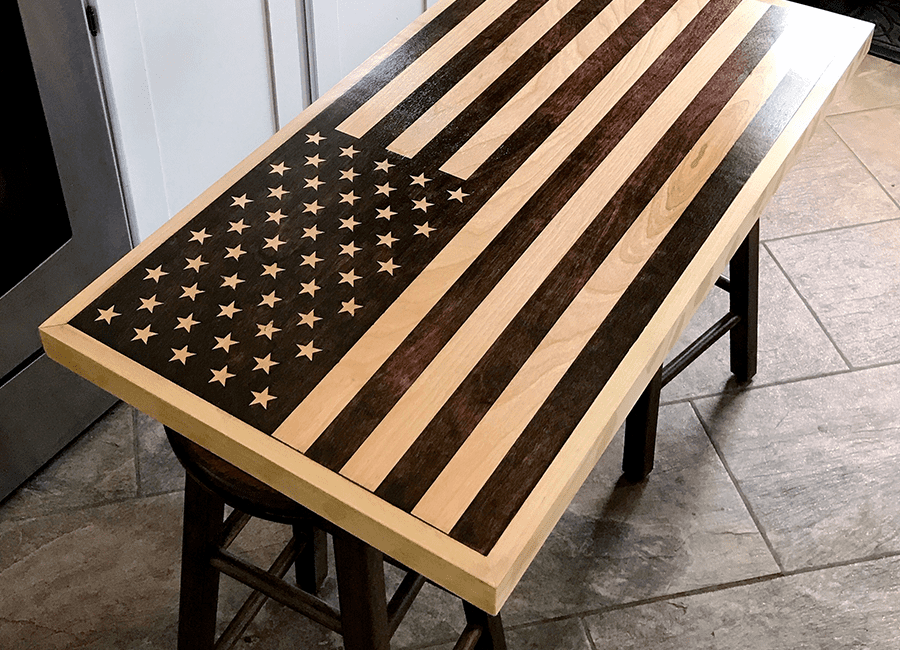
Credit: www.targetcoatings.com
Application Tips For Best Results
Applying poly to outdoor furniture requires care and patience. Proper application improves durability and appearance. Follow these tips for the best finish and long-lasting protection.
Surface Preparation
Start with clean furniture. Remove dirt, dust, and old finishes. Sand the surface lightly to create a smooth base. Wipe off sanding dust with a damp cloth. Let the wood dry completely before applying poly. Proper prep helps the poly stick well and last longer.
Drying Time Between Coats
Allow each coat to dry fully before adding the next. Check the poly can for recommended drying times. Usually, 4 to 6 hours is enough. Avoid rushing. Wet coats can become sticky and uneven. Lightly sand between coats for better adhesion and smoothness.
Tools And Techniques
Use a high-quality brush or foam applicator. Apply thin, even coats to avoid drips and bubbles. Brush along the wood grain for a natural look. Avoid over-brushing, which can cause streaks. Work in a well-ventilated area to help drying. Keep tools clean for a smooth finish.
Common Mistakes To Avoid
Applying poly to outdoor furniture seems simple but many make mistakes. These errors can cause poor protection and damage over time. Avoiding common pitfalls ensures your furniture stays beautiful and safe from weather.
Applying Too Many Or Too Few Coats
Too few coats leave wood unprotected and weak. Moisture can seep in and cause damage. Too many coats create a thick, sticky surface. This traps dirt and peels off easily. Apply the right number of coats for balanced protection.
Ignoring Weather Conditions
Applying poly in rain or high humidity affects drying. It can cause bubbles and uneven layers. Strong sun can dry poly too fast, making cracks. Choose a calm day with mild weather for best results.
Skipping Surface Prep
Not cleaning or sanding the wood leads to poor adhesion. Dirt and old finish stop poly from sticking well. Rough or uneven surfaces cause blotchy coverage. Clean and smooth the furniture before applying poly coats.
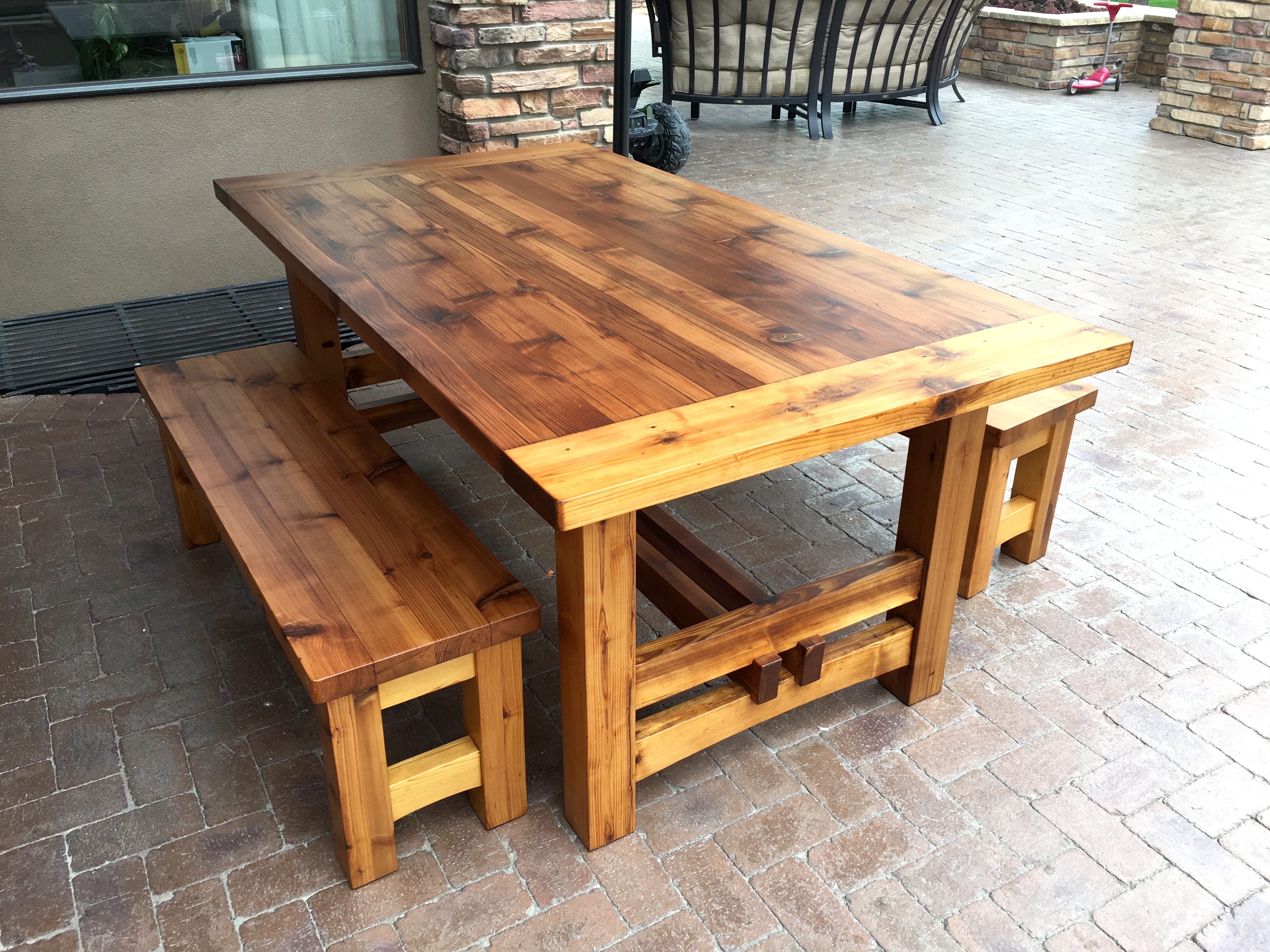
Credit: thewoodwhisperer.com
Maintenance To Extend Protection
Maintaining your outdoor furniture with polyurethane is key to keeping it safe from weather damage. Proper care helps the finish last longer. It also keeps the wood looking fresh and smooth. Regular maintenance stops cracks, peeling, and fading. This section explains how to protect your furniture with simple steps.
When To Reapply Polyurethane
Check your furniture often for signs of wear. Look for dull areas or spots where the finish peels. These are signs the protection is fading. Reapply polyurethane every one to two years. In harsh weather, you might need to do it sooner. Light sanding before applying new coats helps the finish stick well. Always apply thin, even coats for best results.
Cleaning And Care Tips
Clean your furniture regularly to remove dirt and grime. Use a soft brush or cloth with mild soap and water. Avoid harsh chemicals that can damage the finish. Rinse well and let the furniture dry completely. Cover furniture during rain or snow to reduce wear. Store it indoors or in a dry place during winter. These steps keep the polyurethane layer strong and your furniture looking great.
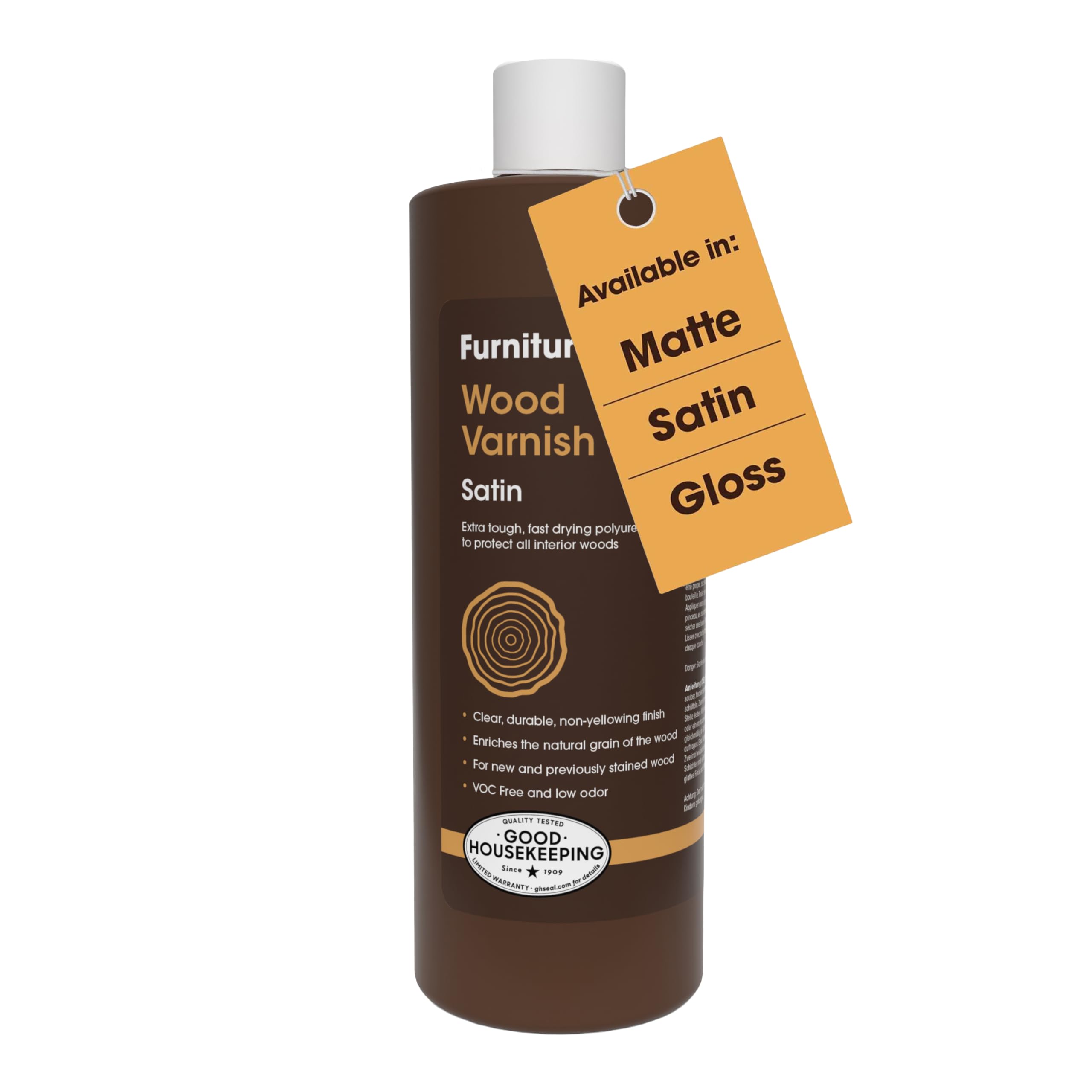
Credit: www.amazon.com
Frequently Asked Questions
How Many Coats Of Poly Are Best For Outdoor Furniture?
Applying 3 coats of polyurethane is ideal for outdoor furniture. This ensures strong protection against weather damage and wear. Each coat should be thin and fully dry before applying the next. More than 3 coats may cause uneven drying or peeling.
Should I Use Oil-based Or Water-based Poly Outdoors?
Oil-based poly offers better durability and water resistance for outdoor furniture. Water-based poly dries faster and has less odor but may need more coats. Choose oil-based for long-lasting protection in harsh weather conditions.
How Long Should I Wait Between Poly Coats?
Wait 4 to 6 hours between coats of polyurethane. This allows each layer to dry and cure properly. For outdoor furniture, drying time may vary depending on temperature and humidity. Always follow the manufacturer’s recommended drying time.
Can I Apply Poly Directly On Outdoor Wood?
Yes, but prepare the wood surface first. Sand it smooth and remove dust before applying poly. Clean, dry wood allows the polyurethane to adhere better and last longer outdoors. Proper surface prep is key to a durable finish.
Conclusion
Applying the right number of poly coats protects your outdoor furniture well. Usually, two to three coats work best for lasting durability. Each coat adds strength against weather and wear. Let each layer dry fully before applying the next. This process keeps wood safe from water and sun damage.
Taking time here saves you money and effort later. Your furniture will look good and last longer with proper care. Simple steps like these make a big difference outside. Keep your outdoor pieces ready for any season.


