Are you wondering how much weight your bunk bed can safely hold? Whether you’re setting up a cozy space for your kids or looking for a sturdy option for guests, knowing the weight limit is key.
You want to feel confident that your bunk bed won’t wobble or break under pressure. You’ll discover the important facts about bunk bed weight limits and how to choose the right one for your needs. Keep reading to make sure your bunk bed is both safe and strong for everyone who uses it.
Credit: heavydutybunkbeds.com
Bunk Bed Weight Limits
Bunk bed weight limits are important for safety and durability. Each bunk bed has a maximum weight it can hold. This limit keeps the bed strong and prevents accidents. Knowing these limits helps choose the right bunk bed for your needs.
Standard Weight Capacities
Most bunk beds support between 200 and 400 pounds per bed. The bottom bunk usually holds more weight than the top bunk. For example, the top bunk may hold 200 pounds. The bottom bunk often holds 250 to 400 pounds. These numbers vary by brand and design. Always check the manufacturer’s weight limit before buying.
Factors Influencing Weight Limits
Material type plays a big role in weight limits. Metal frames tend to hold more weight than wooden ones. The thickness and quality of the wood matter too. Bed size affects the weight capacity. Twin bunk beds usually hold less than full or queen sizes. The bed’s design, such as slats or solid panels, also impacts strength. Proper assembly and maintenance keep the bed safe under its weight limit.
Credit: www.collegebedlofts.com
Materials And Their Strength
Choosing the right material affects how much weight a bunk bed can hold. Each material has unique strength and durability. Understanding these materials helps pick a safe and sturdy bunk bed.
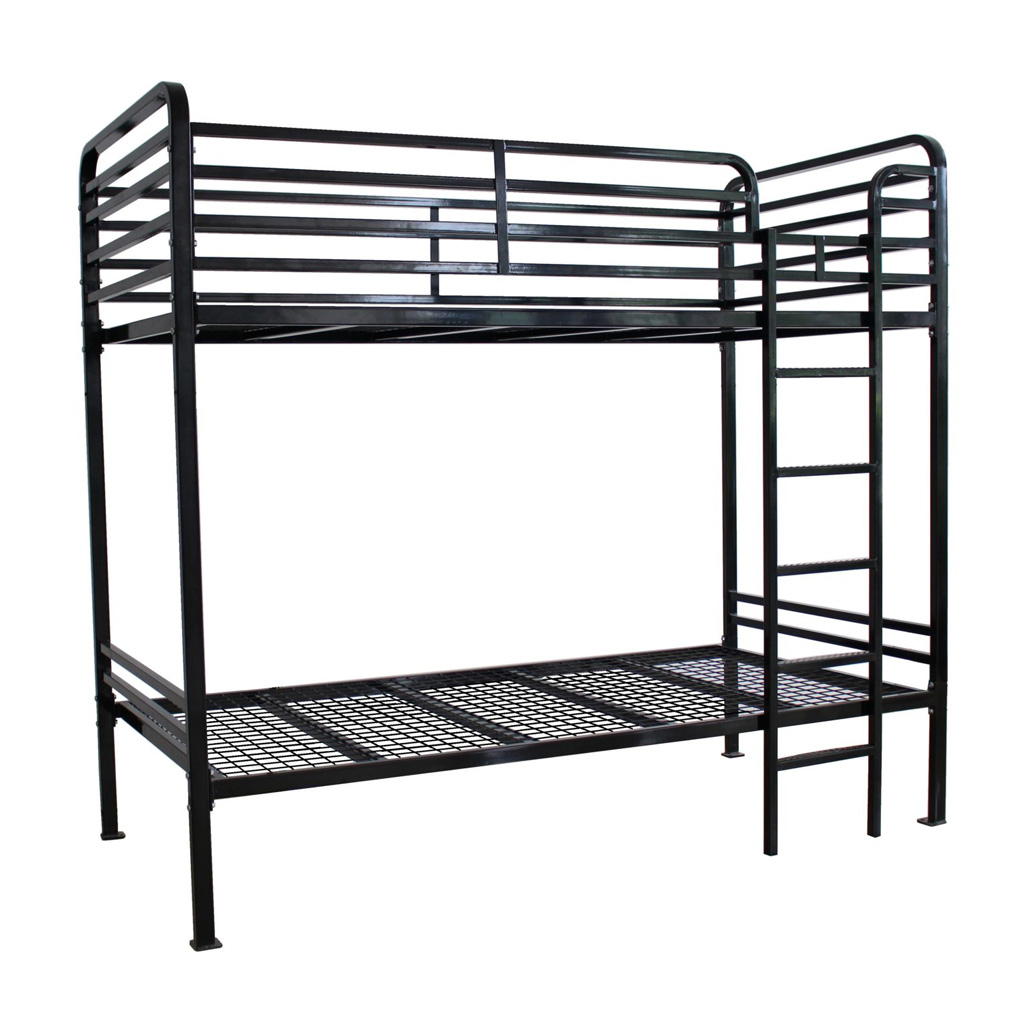
Metal Frames
Metal frames are strong and support heavy loads. Steel is the most common metal used for bunk beds. It can hold over 400 pounds per bed. Metal frames resist bending and breaking. They also last longer with less maintenance.
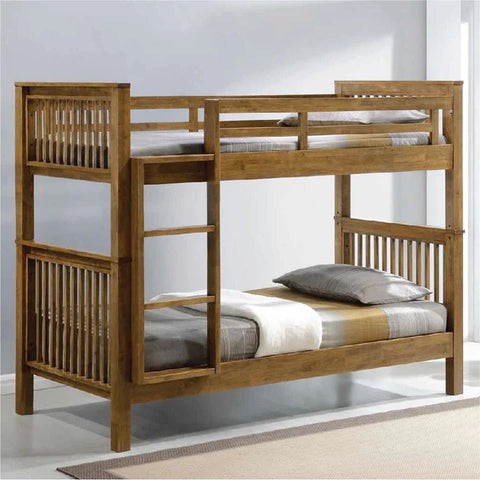
Wooden Frames
Wooden frames offer a natural look and solid strength. Hardwoods like oak or maple hold more weight than softwoods. A good wooden bunk bed can support 300 to 500 pounds per bed. Quality wood is less likely to crack or warp over time.
Composite Materials
Composite materials combine wood fibers and plastic. They are lighter but less strong than solid wood or metal. Composite bunk beds usually hold around 200 to 300 pounds per bed. These beds suit light to medium use but need careful handling.
Design Impact On Capacity
The design of a bunk bed plays a big role in how much weight it can hold. Different styles use different materials and structures. These affect the bed’s strength and safety. Knowing these differences helps choose the right bunk bed for your needs.
Single Vs. Double Bunks
Single bunk beds hold less weight than double bunks. Single bunks fit one mattress per level. They use less material and support less weight. Double bunk beds are wider. They fit two mattresses on the bottom or top level. This design needs stronger support. Double bunks usually hold more pounds safely. Always check the weight limit before buying.
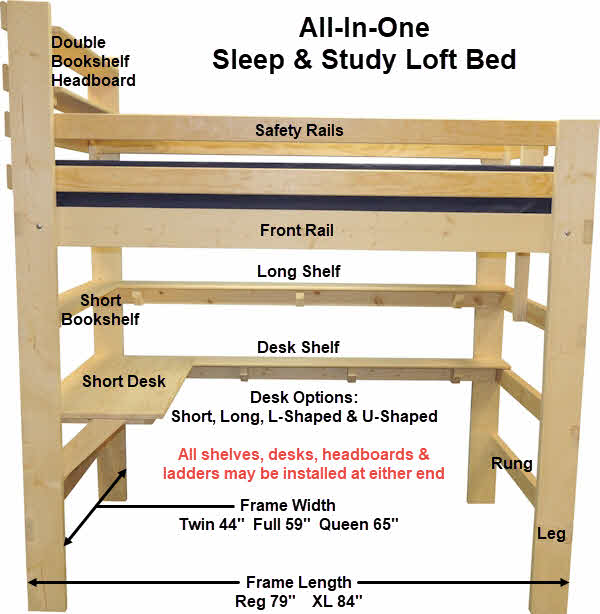
Loft Beds Vs. Traditional Bunks
Loft beds raise one mattress high, leaving space below. This space can be used for a desk or play area. Loft beds have fewer parts than traditional bunks. They may support less weight due to fewer support beams. Traditional bunk beds have two stacked mattresses. They use more wood or metal supports. This makes traditional bunks stronger. Loft beds suit smaller rooms but may have lower weight limits.
Credit: picketandrail.com
Safety Considerations
Safety is very important when using a bunk bed. Knowing how much weight the bed can hold helps prevent accidents. Each bunk bed has a limit to how many pounds it can safely support. Staying within this limit keeps the bed strong and safe to use.
Understanding how to spread the weight correctly and avoid overloading is key. These steps protect the bed frame and the people using it. Let’s look at some easy ways to keep bunk beds safe and secure.
Weight Distribution Tips
Spread the weight evenly across the bed surface. Do not put heavy items or people all in one spot. This helps avoid pressure on weak points in the bed. Place heavier individuals on the lower bunk if possible. Keep toys and heavy items off the top bunk to reduce risk. Check the bed frame for any signs of stress or damage regularly.
Avoiding Overloading Risks
Never exceed the manufacturer’s weight limit for each bunk. Overloading can cause the bed to break or collapse. Remember to count the weight of mattresses and bedding in the total load. Avoid jumping or rough play on the top bunk. Use guardrails to prevent falls and injuries. Follow all safety instructions provided with the bed.
Choosing The Right Bunk Bed
Choosing the right bunk bed is important for safety and comfort. A good bunk bed fits the needs of the users and holds the right weight. It also matches the space where it will be placed. Making the right choice helps avoid accidents and keeps the bed strong for years.
Matching Bed To User Needs
Think about who will use the bunk bed. Kids need different beds than adults. A bed for children should be smaller and lighter. For teenagers or adults, the bed must support more weight. Also, consider how often the bed will be used. A guest room bed can be lighter than one used daily. Choose a design that fits the user’s height and sleeping habits. Safety rails and ladders should be easy to climb and sturdy.
Checking Manufacturer Specifications
Always check the weight limit given by the manufacturer. This shows how many pounds the bed can hold safely. The weight limit includes the mattress and the person. Look for beds made with strong materials like solid wood or metal. Read customer reviews for real-life experiences. Avoid beds without clear weight information. This step ensures the bunk bed lasts long and stays safe.
Extending Bunk Bed Lifespan
Extending the lifespan of a bunk bed helps keep it safe and sturdy for years. Proper care prevents damage and wear. Simple steps can make a big difference in how long your bunk bed lasts. Follow basic rules to protect your investment and keep it reliable for daily use.
Regular Maintenance
Check all screws and bolts every few months. Tighten any loose parts to avoid wobbling. Clean the bed frame regularly using a soft cloth. Avoid harsh chemicals that can damage the finish. Inspect wood or metal for cracks or rust. Address small issues early to prevent bigger problems. Replace worn parts promptly to maintain strength.
Proper Usage Guidelines
Follow the manufacturer’s weight limit strictly. Do not overload the bunk bed with too much weight. Use the ladder carefully to avoid stress on joints. Avoid jumping or rough play on the bed. Keep the bed dry and away from moisture. Use the bunk bed only for sleeping. Correct use helps keep the bed safe and sturdy longer.
Frequently Asked Questions
How Much Weight Can A Standard Bunk Bed Support?
A standard bunk bed typically supports 200 to 400 pounds per bed. Weight limits vary by manufacturer and materials used. Always check the specific product guidelines for safe use.
Does Bunk Bed Weight Capacity Vary By Material?
Yes, bunk beds made from metal often support more weight than wooden ones. Quality and design also affect the overall weight limit. Always verify the manufacturer’s specifications before purchasing.
Can Adults Safely Use Bunk Beds?
Some bunk beds are designed for adults and can hold up to 600 pounds. However, many are meant for children and have lower weight limits. Confirm the bed’s rating before adult use.
How To Increase A Bunk Bed’s Weight Capacity?
Reinforce the frame with additional supports or metal braces. Use high-quality slats and secure fasteners. Avoid exceeding the manufacturer’s recommended weight limit to ensure safety.
Conclusion
Bunk beds vary in weight limits depending on materials and design. Most hold between 200 and 400 pounds per bed. Always check the manufacturer’s instructions before use. Overloading a bunk bed can cause damage or injury. Choosing a sturdy bed ensures safety and comfort.
Regularly inspect the bed for loose parts or wear. Safe use means longer life and peace of mind. Keep weight limits in mind to protect everyone. Simple steps prevent accidents and keep kids happy. Safety first, always.