Are you thinking about adding a bookshelf door but wondering how much it will cost? Knowing the price upfront can help you plan your budget and avoid surprises.
Whether you want a sleek, modern look or a classic style, the cost can vary a lot. You’ll discover the real numbers behind bookshelf doors. By the end, you’ll feel confident making the best choice for your space and your wallet.
Keep reading to find out exactly what you need to know before making this smart home upgrade.
Factors Affecting Bookshelf Door Prices
Bookshelf door prices vary widely due to several important factors. Understanding these factors helps plan your budget better. Each element changes the overall cost in a unique way.
Material Choices
Material is a key factor in door prices. Solid wood doors cost more than MDF or plywood. Metal or glass doors often have higher prices. Some materials last longer and look better but cost extra.
Size And Dimensions
Bigger doors need more material and work. Large doors usually cost more than small ones. Custom sizes add to the price. Standard sizes tend to be cheaper and easier to find.
Design And Style
Simple designs cost less than detailed ones. Doors with carvings or special patterns need more time. Unique styles or modern trends may raise the price. Plain doors offer a budget-friendly option.
Hardware And Accessories
Handles, hinges, and locks affect the price. High-quality hardware costs more but lasts longer. Decorative accessories add style and increase costs. Basic hardware keeps the price low.
Installation Costs
Professional installation adds to the total cost. Complex doors take longer to install and cost more. Installing doors yourself can save money but needs skill. Location may also affect installation fees.
Common Types Of Bookshelf Doors
Bookshelf doors come in different styles to fit your space and needs. Choosing the right type affects both function and price. Each door style offers unique benefits for your bookshelf.
Sliding Doors
Sliding doors move sideways on tracks. They save space because they do not swing out. These doors work well in tight areas. Sliding doors often have a modern look. Their cost varies by material and size.
Hinged Doors
Hinged doors open outward on hinges. They are traditional and easy to use. These doors provide full access to shelves. Hinged doors suit many styles, from classic to modern. Their price depends on wood type and design.
Glass Doors
Glass doors show your books while protecting them from dust. They create an elegant, light feel. Glass can be clear, frosted, or textured. These doors need careful handling but add style. Glass doors usually cost more than wooden ones.
Folding Doors
Folding doors fold in sections to open. They require less space than hinged doors. Folding doors are good for wide bookshelves. They come in wood, glass, or mixed materials. Their price depends on size and material choice.
Price Ranges For Different Materials
The cost of a bookshelf door varies widely by material. Different materials offer unique styles, durability, and price points. Understanding these price ranges helps you choose the right door for your space and budget.
Wooden Doors
Wooden bookshelf doors provide a classic and warm look. Prices range from $100 to $600 depending on wood type and finish. Solid hardwoods like oak or cherry cost more than pine or plywood. Custom designs also increase the price.
Metal Doors
Metal doors add a modern, industrial touch. Costs usually range between $150 and $700. Steel and aluminum are common metals used. Powder-coated finishes increase durability but add to the price. Metal doors tend to be lighter than wood.
Glass Doors
Glass doors create an open and elegant feel. Prices start around $200 and can reach $800 or more. Tempered or frosted glass costs more than clear glass. Frames for glass doors are often wood or metal, affecting the final price.
Composite Materials
Composite doors blend wood fibers and plastic. They offer durability at a lower price. Expect to pay between $120 and $500. These doors resist warping and moisture better than wood. They are a budget-friendly choice with various finishes.
Custom Vs. Ready-made Doors
Choosing between custom and ready-made bookshelf doors affects your budget and style. Both options have distinct features that suit different needs and preferences.
Cost Differences
Ready-made doors usually cost less. They come in standard sizes and designs. Custom doors are more expensive. They require special materials and craftsmanship. The price depends on size, material, and design complexity.
Customization Options
Custom doors allow full design freedom. You can choose wood type, color, and style. Ready-made doors have limited choices. They offer common finishes and sizes only. Custom doors fit unique spaces better.
Lead Time And Availability
Ready-made doors are available immediately or within days. They suit quick projects or urgent needs. Custom doors take longer to make. It can take weeks or months. Planning ahead is important for custom orders.
Diy Vs. Professional Installation
Choosing between DIY and professional installation affects both cost and outcome. Installing a bookshelf door yourself can save money but takes time and effort. Hiring a pro costs more but ensures a clean, lasting result. Understanding both options helps you decide what fits your needs and budget.
Cost Savings With Diy
Doing the installation yourself cuts labor costs. You only pay for materials and tools. This option suits those who want to save money. Small mistakes may happen but can be fixed with patience. DIY also gives a sense of achievement after finishing the project.
When To Hire A Pro
Professional help is best for complex or large doors. Pros bring experience that prevents damage and errors. They finish the job faster and cleaner. If you lack time or skills, a pro saves stress. Also consider hiring if the door needs precise fitting or special hardware.
Tools And Skills Needed
DIY installation requires some basic tools like a drill, level, and screwdriver. Skills include measuring, drilling, and aligning the door properly. Reading instructions carefully is important. Mistakes may cause the door to not close or look uneven. Professionals have advanced tools and training for perfect results.
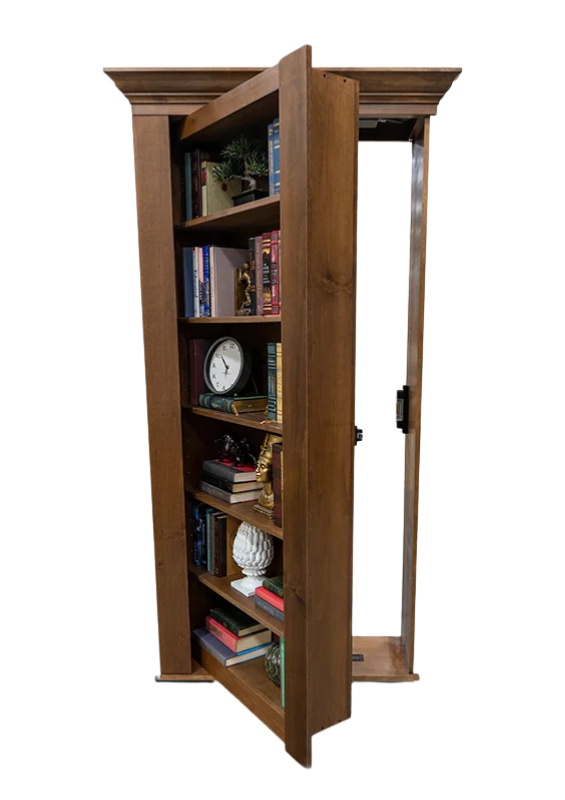
Credit: hiddendoorstore.com
Additional Expenses To Consider
Bookshelf doors add style and function to any room. The initial cost is just part of the total expense. Several extra costs can affect your budget. These expenses ensure your bookshelf doors stay attractive and work well for years.
Painting And Finishing
Painting or finishing protects the wood from damage. It also matches the door to your room’s decor. Professional painting can cost more but looks better. DIY painting saves money but needs time and effort. Finishing products like varnish or sealant add extra cost.
Maintenance Costs
Regular maintenance keeps doors working smoothly. Lubricating hinges and checking screws are common tasks. These small jobs need basic tools and parts. Some doors may need professional tuning, which adds cost. Skipping maintenance can cause bigger repairs later.
Replacement Parts
Over time, parts like hinges and handles may wear out. Replacing these parts keeps your doors functional. Original parts may cost more but fit better. Generic parts are cheaper but might not last as long. Always budget for occasional repairs and replacements.
Tips To Save On Bookshelf Door Costs
Saving money on bookshelf doors is possible with smart choices. Small actions can reduce costs significantly. These tips help you buy quality doors without spending too much.
Buying In Bulk
Purchasing multiple bookshelf doors at once lowers the price per door. Sellers often give discounts for bulk orders. This option suits those fitting several rooms or large spaces.
Bulk buying reduces shipping fees too. Less packaging and fewer shipments mean extra savings. Consider this if you need more than one door.
Choosing Standard Sizes
Standard-sized doors cost less than custom-made ones. Manufacturers produce common sizes in large numbers. This mass production cuts down the price.
Custom doors take more time and materials. This increases their cost significantly. Picking standard sizes helps keep your project affordable.
Seasonal Discounts
Many stores offer lower prices during certain seasons. Holidays and year-end sales often include home improvement items. Check for discounts before buying your bookshelf doors.
Shopping during sales can save you a good amount. Watch for promotions online or at local stores. Timing your purchase right makes a difference.
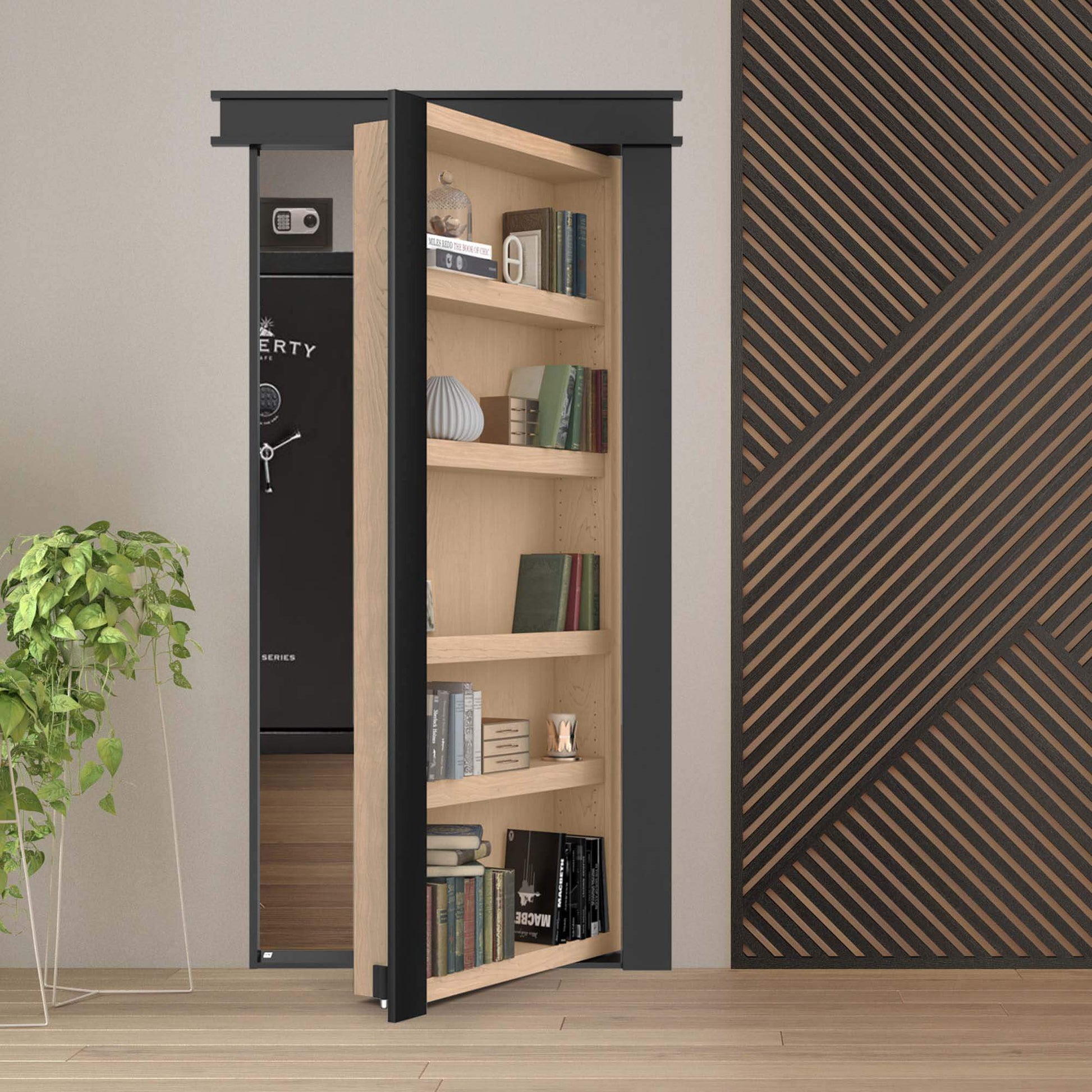
Credit: murphydoor.com
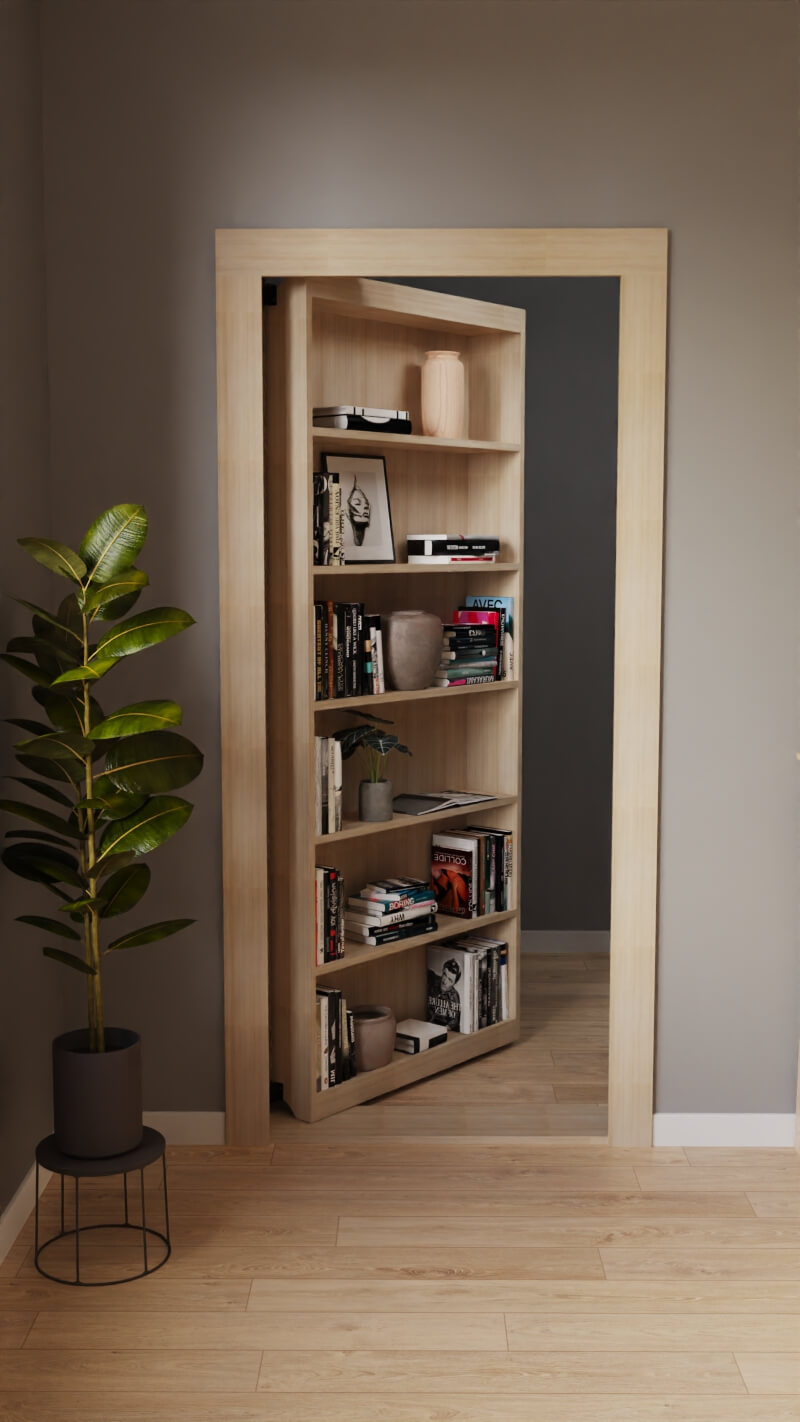
Credit: hiddendoorstore.com
Frequently Asked Questions
How Much Does A Custom Bookshelf Door Cost?
Custom bookshelf doors usually cost between $200 and $800. Prices depend on size, material, and design complexity.
Are Bookshelf Doors Expensive To Install?
Installation costs vary from $100 to $300, depending on the door type and labor rates in your area.
What Factors Affect Bookshelf Door Pricing?
Material, size, design, hardware, and installation impact the total cost of bookshelf doors significantly.
Can I Save Money With Diy Bookshelf Doors?
Yes, DIY bookshelf doors can reduce costs but require time, tools, and some carpentry skills.
Conclusion
Bookshelf door costs vary based on size, material, and design. Simple doors cost less, while custom doors cost more. Installation fees can add to the total price. Planning your budget helps avoid surprises later. Choose a style that fits your space and needs.
Quality materials last longer and look better. Measure carefully before buying to ensure a good fit. A bookshelf door can add both function and style. Consider all costs before making a final decision.