Choosing the right mattress thickness for your bunk bed isn’t just about comfort—it’s about safety, space, and a good night’s sleep. If you’ve ever wondered, “How thick should a bunk bed mattress be?” you’re not alone.
Picking the wrong thickness can make the bed unsafe or uncomfortable for you or your child. You’ll discover exactly what mattress thickness works best for bunk beds, so you can rest easy knowing you made the right choice. Keep reading to find out how to balance comfort and safety perfectly!

Credit: casakids.com
Ideal Mattress Thickness
Choosing the right mattress thickness for a bunk bed is important. It affects safety, comfort, and durability. The ideal mattress thickness keeps the sleeper cozy without risking falls from the bed. It also fits well within the bed frame and guardrails. Finding the right balance helps ensure a good night’s sleep and peace of mind for parents and kids.
Safety Considerations
The mattress should not be too thick. Thick mattresses can raise the sleeper above the guardrails. This increases the risk of falling. Most bunk beds recommend a mattress no thicker than 6 to 8 inches. This height keeps the sleeper safe and secure. Also, the mattress should fit snugly to avoid gaps. Gaps can trap arms or legs and cause injury.
Comfort Factors
Comfort depends on mattress thickness too. A mattress that is too thin may feel hard and uncomfortable. It can cause body aches and restless sleep. A mattress between 6 and 8 inches usually provides enough cushioning. This thickness supports the body well and feels soft enough to relax. Choose a mattress with good support to avoid sinking too deep.
Age And Weight Impact
Age and weight affect mattress choice. Younger children need thinner mattresses for safety. Older kids and teens may prefer thicker mattresses for better support. Heavier sleepers need firmer mattresses that do not compress too much. A mattress 8 inches thick suits most kids and teens. It supports growing bodies while fitting safely in bunk beds.
Types Of Mattresses For Bunk Beds
Choosing the right mattress for a bunk bed is important for comfort and safety. Different mattress types offer various benefits. Understanding these options helps you pick the best mattress thickness and material for your bunk bed.
Mattresses for bunk beds must be durable and fit well within the frame. The type of mattress affects sleep quality and how well it stays in place on the bed. Below are the common mattress types suitable for bunk beds.
Foam Mattresses
Foam mattresses are lightweight and easy to handle. They provide good support and conform to the body. These mattresses are often thinner, making them ideal for bunk beds. Foam mattresses reduce pressure points and are less noisy. They also resist dust mites and allergens, which is good for kids.
Innerspring Mattresses
Innerspring mattresses have coils inside for support. They are firmer and provide good airflow. These mattresses tend to be thicker but offer strong support. Innerspring mattresses can last long but may be heavier. They work well for adults or older kids using bunk beds.
Hybrid Mattresses
Hybrid mattresses combine foam and innerspring layers. This mix gives comfort and strong support. Hybrids balance softness with firmness, suitable for different sleepers. They may be thicker but still fit many bunk bed frames. Hybrids offer a durable and comfortable sleep surface.
Choosing The Right Thickness
Choosing the right thickness for a bunk bed mattress is important. It affects comfort, safety, and room space. The mattress must fit well on the bed frame and support the sleeper properly. Several factors help decide the ideal thickness for each bunk bed mattress.
Top Bunk Vs Bottom Bunk
The top bunk usually needs a thinner mattress. This keeps the sleeper safe from hitting the bed’s guardrails. A mattress about 6 to 8 inches thick works well for the top bunk. The bottom bunk can have a thicker mattress. It offers more comfort since there is no height limit. A mattress 8 to 12 inches thick suits the bottom bunk best.
Room Height And Clearance
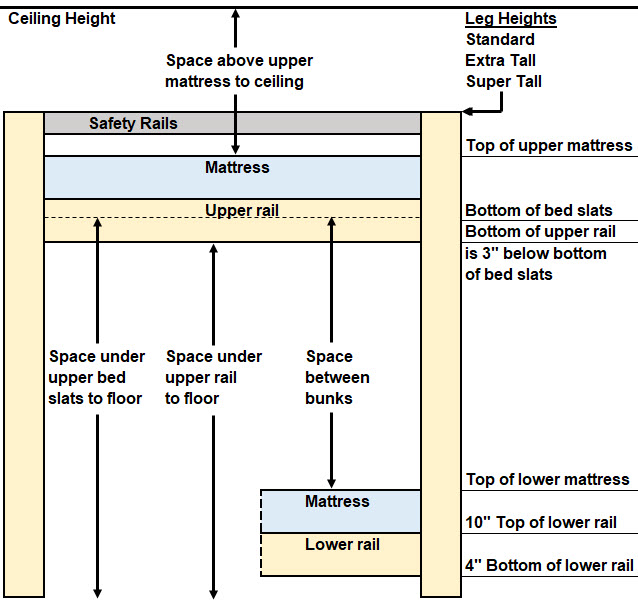
Room height limits mattress thickness, especially on the top bunk. The mattress should not reduce the space between the bed and the ceiling. Enough clearance prevents head bumps and makes the bed feel less cramped. Measure the space before buying a mattress. Choose a thickness that fits comfortably in the room.
Mattress Firmness And Support
Thicker mattresses often give better support but must not be too soft. A mattress that is too soft can cause discomfort or poor sleeping posture. Firmness also depends on the sleeper’s weight and preference. Select a mattress that balances thickness and firmness. This ensures good support and a comfortable night’s sleep.
Measuring Mattress Thickness
Measuring mattress thickness is important for bunk beds. The right thickness ensures comfort and safety. Too thick, and the mattress may not fit well. Too thin, and it may not provide enough support.
Standard Thickness Ranges
Most bunk bed mattresses have a thickness between 6 and 8 inches. This range fits well with most bunk bed frames. It also keeps the mattress low enough to avoid falling out. A mattress thinner than 6 inches may feel too hard. Thicker than 8 inches can block the safety rails.
Custom Mattress Options
Some bunk beds need custom mattresses. Custom thickness helps match the bed frame perfectly. It also suits special needs for comfort. You can choose thickness based on the mattress type. Memory foam, innerspring, or hybrid mattresses all have different thickness options. Custom options make sure the mattress fits right and stays safe.
Tips For Mattress Maintenance
Proper mattress maintenance keeps your bunk bed mattress comfortable and long-lasting. Small daily habits protect your mattress from wear and tear. Good care improves sleep quality and saves money. Here are simple tips to maintain your mattress effectively.
Rotating And Flipping
Rotate your mattress every three months. Turn it 180 degrees to spread wear evenly. Some mattresses also need flipping. Check the manufacturer’s instructions before flipping. Rotating and flipping prevent sagging and bumps.
Cleaning And Care
Keep the mattress clean by vacuuming regularly. Use a vacuum with a soft brush attachment. Spot clean stains immediately with mild soap and water. Avoid soaking the mattress. Let it air dry completely before use.
Extending Mattress Life
Use a mattress protector to guard against spills and dust. Air out the mattress every few weeks to reduce moisture. Avoid jumping or standing on the mattress. Follow these steps to make your mattress last longer.
Credit: www.collegebedlofts.com

Credit: www.justbunkbeds.com
Frequently Asked Questions
What Is The Ideal Thickness For A Bunk Bed Mattress?
The ideal thickness for a bunk bed mattress is between 6 to 8 inches. This ensures safety by preventing the sleeper from rolling over the guardrails. It also provides enough comfort and support for a restful sleep.
Can A Mattress Thicker Than 8 Inches Be Used On Bunk Beds?
Mattresses thicker than 8 inches are generally not recommended for bunk beds. They may increase the risk of falls by reducing guardrail effectiveness. Always check the bunk bed manufacturer’s guidelines before choosing a thicker mattress.
How Does Mattress Thickness Affect Bunk Bed Safety?
Mattress thickness affects bunk bed safety by influencing the height of the sleeper’s position. Thicker mattresses can raise the sleeper above guardrails. Using the proper thickness helps prevent falls and ensures compliance with safety standards.
What Thickness Mattress Is Best For A Toddler Bunk Bed?
For toddler bunk beds, a mattress thickness of 4 to 6 inches is best. It offers adequate comfort while keeping the child safely below guardrails. Thinner mattresses reduce the risk of injury during sleep.
Conclusion
Choosing the right mattress thickness keeps bunk beds safe and comfy. A mattress that is too thin may not support well. Too thick can make the bed unsafe. Aim for a mattress between 6 and 8 inches thick. This size fits most bunk beds and offers good comfort.
Always check the bed frame’s rules before buying. Sleep well and stay safe with the right mattress choice. Simple steps make a big difference in bunk bed comfort and safety.