Are you ready to create a cozy, handmade quilt for your toddler’s bed but unsure how much fabric you’ll need? Knowing the right amount of fabric can save you time, money, and frustration.
Too little fabric means extra trips to the store, while too much can leave you with wasted material. In this guide, you’ll discover exactly how much fabric to buy for a perfect toddler bed quilt. Keep reading, and you’ll feel confident to start your project without second-guessing every cut.
Choosing Quilt Size
Choosing the right quilt size is key for a toddler bed quilt. Typically, 1 to 1. 5 yards of fabric works well for a cozy fit. Adding a little extra fabric helps with seams and borders.
Standard Toddler Bed Dimensions
Toddler beds usually have a mattress size of 28 inches wide by 52 inches long. This size fits most toddler mattresses and frames. Knowing these dimensions helps in choosing the right quilt size. A quilt that is too small will not cover the child well. Too large, and it can be unsafe or bulky.
Quilt Size Options
Common quilt sizes for toddler beds range from 36 by 52 inches to 40 by 60 inches. The smaller size fits snugly on the mattress. The larger size offers extra coverage for comfort and warmth. Choose based on your child’s needs and room space. Quilts with some extra length and width provide better coverage.
Think about how much the quilt will hang over the sides. A slight overhang looks neat but avoid large drapes. Quilts should be easy for toddlers to manage. This makes nap time and bedtime more comfortable and safe.
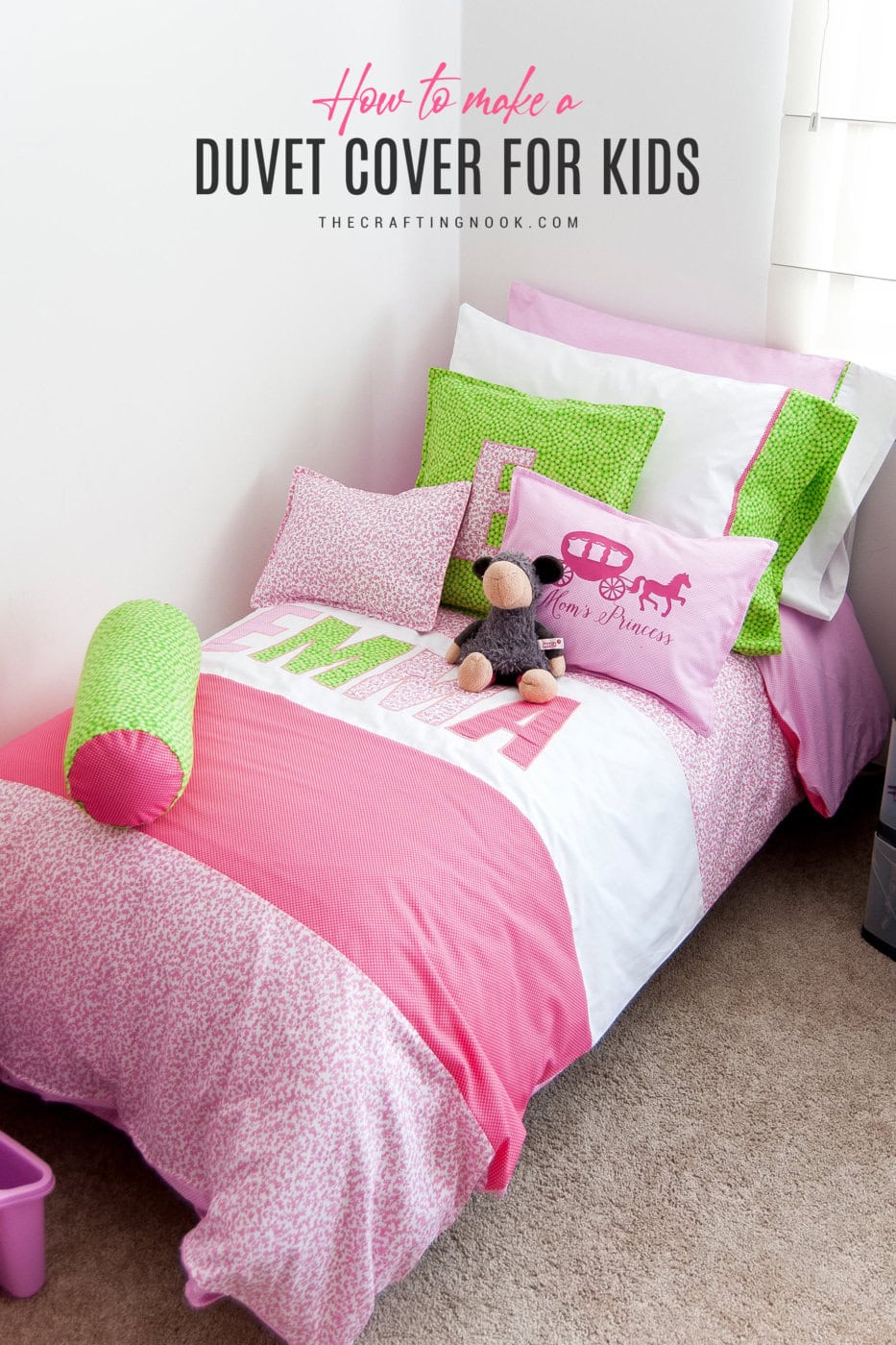
Credit: thecraftingnook.com
Calculating Fabric Yardage
Calculating fabric yardage for a toddler bed quilt is important before you start sewing. It helps you buy the right amount of fabric. Too little fabric means extra trips to the store. Too much fabric wastes money and space. Knowing the exact yardage makes the process smooth and easy.
Measuring Quilt Layers
First, measure each layer of the quilt. The top, batting, and backing all need fabric. The top layer is usually the design side. Batting is the inner soft layer, often bought separately. The backing is the fabric on the bottom. Measure the length and width of each layer carefully. Add these measurements to know how much fabric you need.
Adding Seam Allowances
Seam allowances are the extra fabric needed for sewing edges. Add about 0.5 inch to each side of the quilt. This makes the quilt a bit larger than the finished size. Without seam allowances, the quilt might turn out too small. Always add these allowances when cutting your fabric pieces.
Fabric Shrinkage Considerations
Fabric can shrink after washing. Cotton, often used for quilts, shrinks the most. Buy extra fabric to allow for this. Add about 10% more fabric to your total yardage. This helps avoid problems after the first wash. Pre-washing fabric before cutting also helps reduce shrinkage.
Selecting Fabric Types
Selecting the right fabric is key to making a toddler bed quilt. The fabric affects comfort, warmth, and durability. Choosing the best type ensures the quilt is cozy and long-lasting. Consider the fabric’s feel, weight, and strength before buying.
Different fabrics offer different benefits. Some are soft and breathable, while others last longer or keep your child warmer. Understanding these differences helps pick the perfect fabric for your quilt.
Cotton Vs. Blends
Cotton feels soft and natural on the skin. It breathes well and keeps toddlers cool in summer. Cotton is easy to wash and gentle for sensitive skin.
Blended fabrics mix cotton with polyester or other fibers. They often last longer and resist wrinkles. Blends dry faster but may feel less soft than pure cotton.
Fabric Weight And Warmth
Lightweight fabrics suit warm weather or indoor use. They keep toddlers comfortable without overheating. Heavier fabrics add warmth for cooler nights.
Choosing the right weight depends on your climate and season. A balance of warmth and breathability keeps toddlers cozy all night.
Durability For Toddlers
Toddlers can be rough on quilts. Fabric must withstand washing and frequent use. Durable fabrics resist tears and keep their shape over time.
Look for tightly woven fabrics. They hold up well against active toddlers. Durable fabrics keep the quilt looking good longer.
Patterns And Fabric Layout
Understanding patterns and fabric layout is essential for making a toddler bed quilt. It helps in choosing the right amount of fabric and organizing pieces clearly. Planning the layout saves fabric and time. This section covers how to use quilt patterns, cut fabric correctly, and get the most from your material.
Using Quilt Patterns
Quilt patterns guide the shapes and sizes of fabric pieces. They show how to arrange blocks for the quilt top. Patterns can be simple squares or complex designs. Choose a pattern that matches your skill level. Follow the pattern’s measurements carefully to avoid mistakes. Patterns often include fabric requirements, helping plan your purchase.
Fabric Cutting Techniques
Cut fabric with precision for a neat quilt. Use a rotary cutter and ruler for straight edges. Cut pieces in the order the pattern suggests. Always add seam allowances, usually about ¼ inch. Label pieces if the pattern has many parts. Keep fabric flat and smooth to prevent distortion.
Maximizing Fabric Use
Place pattern pieces close together to save fabric. Use scraps for small blocks or borders. Align fabric grain with the pattern to keep shape. Fold fabric properly before cutting to reduce waste. Plan layout on paper before cutting fabric. This careful approach stretches your fabric budget and keeps the quilt balanced.
Additional Materials
Making a toddler bed quilt needs more than just fabric. Additional materials affect the quilt’s comfort and look. Choosing the right materials helps create a cozy and safe quilt for your child. These materials include batting, backing fabric, and binding. Each plays a key role in the quilt’s final quality and feel.
Batting Choices
Batting is the soft layer inside the quilt. It adds warmth and thickness. Cotton batting is natural and breathable. It keeps the quilt light and comfy. Polyester batting is warmer and holds its shape well. Wool batting offers excellent warmth but can be heavier. Choose batting based on the climate and your child’s comfort.
Backing Fabric
The backing fabric is the quilt’s bottom layer. It should be soft and durable. Cotton is the most common choice. It feels gentle on the skin and washes easily. Flannel backing adds extra warmth for colder months. Pick a fabric that matches the quilt’s front and suits your toddler’s needs.
Binding And Finishing
Binding finishes the quilt edges. It keeps the layers together and prevents fraying. Use cotton or polyester binding strips. They are strong and easy to sew. Choose colors that match or contrast with the quilt top. A neat binding makes the quilt look polished and lasts longer.
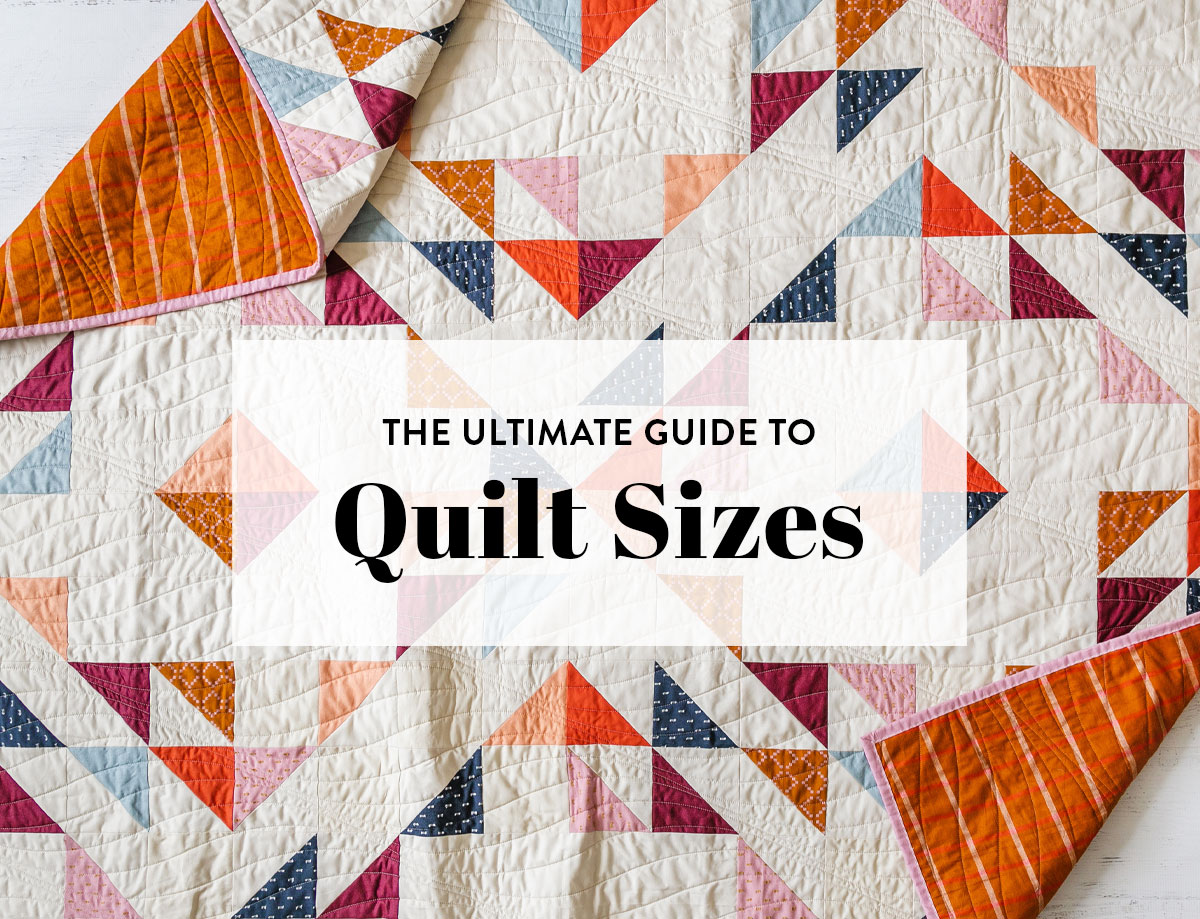
Credit: suzyquilts.com
Tips For Fabric Shopping
Choosing the right fabric is important for making a toddler bed quilt. Good fabric ensures the quilt feels soft and lasts long. Buying fabric can be simple with a few easy tips. These tips help you pick fabric that fits your project and your child’s needs.
Buying Extra Fabric
Always buy a little more fabric than the pattern says. Toddler bed quilts need extra fabric for mistakes or cutting errors. Extra fabric helps if you want to add patches or repairs later. A good rule is to buy 10 to 20 percent more than needed.
Checking Fabric Quality
Check the fabric’s feel by touching it. Soft fabrics like cotton or flannel work best for toddlers. Look for tight weaves; loose fabric can wear out fast. Avoid fabrics that feel rough or stiff. Also, check if the fabric shrinks by washing a small piece first.
Where To Buy Fabric
Fabric stores near you offer a chance to see and touch fabrics before buying. Online stores have a wide choice and good prices. Read reviews and check return policies when buying online. Craft stores often carry quilting cotton, perfect for toddler quilts. Specialty shops may have organic or hypoallergenic fabrics too.
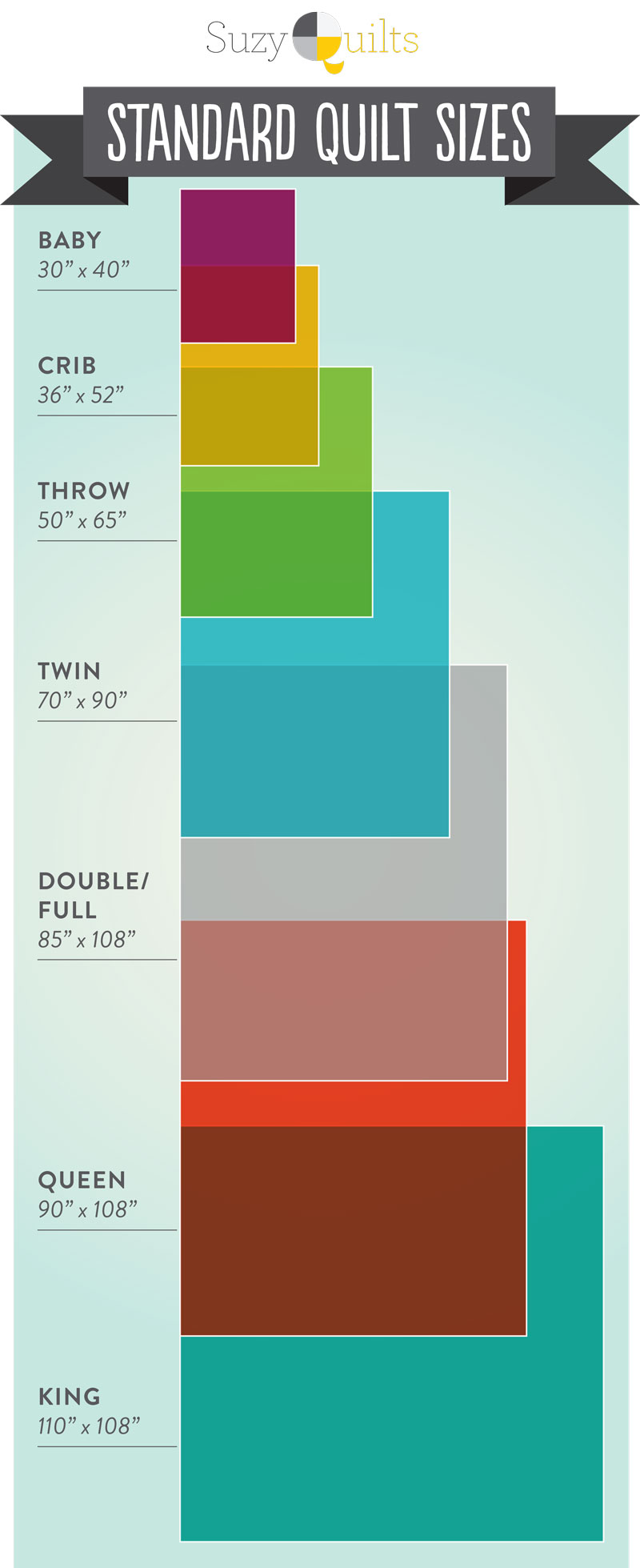
Credit: suzyquilts.com
Frequently Asked Questions
How Much Fabric Is Needed For A Toddler Bed Quilt?
You need about 1. 5 to 2 yards of fabric for a toddler bed quilt. This amount covers the quilt top, backing, and binding, depending on the quilt size and pattern complexity.
What Quilt Size Fits A Standard Toddler Bed?
A standard toddler bed quilt size is around 40 by 60 inches. This size fits well, providing enough coverage without hanging excessively.
Can I Use Fabric Scraps For A Toddler Quilt?
Yes, fabric scraps work well for toddler quilts. They add variety and reduce waste, perfect for patchwork or small quilt blocks.
How Do Fabric Types Affect Toddler Quilt Making?
Cotton fabric is best for toddler quilts due to softness and breathability. Avoid slippery or rough fabrics for safety and comfort.
Conclusion
Making a toddler bed quilt needs the right amount of fabric. Too little fabric means the quilt will be small or uneven. Too much fabric can waste material and money. Measuring your bed and planning your quilt design helps you buy the correct fabric amount.
Remember to add extra fabric for seams and quilting patterns. Careful preparation makes sewing easier and the final quilt look better. With the right fabric, your toddler will enjoy a cozy and comfortable quilt for years. Simple steps lead to great results.