Are you thinking about getting a bunk bed for your kids but wondering when it’s safe for them to start using it? You’re not alone.
Many parents ask, “What age can kids sleep in a bunk bed? ” because safety is a top priority. Choosing the right time can protect your child from accidents and give you peace of mind. You’ll discover the key factors to consider, expert recommendations, and practical tips to help you decide if your child is ready for a bunk bed.
Keep reading to make the best choice for your family’s comfort and safety.
Age Recommendations For Bunk Beds
Bunk beds are popular in many homes, especially where space is tight. Knowing the right age for kids to use a bunk bed keeps safety a priority. Age recommendations help parents decide when their child is ready for this type of bed.
Children’s safety depends on more than just their age. Physical ability and maturity also matter. This section explains the age guidelines and what to consider before letting a child sleep in a bunk bed.
Minimum Age Limits
Experts usually suggest children be at least six years old to sleep in the top bunk. This age reduces the risk of falls and injuries. Younger children may lack the coordination needed to climb safely.
Many manufacturers set a minimum age of six for the top bunk. The bottom bunk can be used by younger kids but should still be supervised. Following these limits helps keep children safe during sleep.
Developmental Considerations
Some kids develop faster than others. Good balance and climbing skills are important for bunk bed use. Kids who are cautious and listen to safety rules are better suited for bunk beds.
Parents should watch how their child climbs and moves around. Fear of heights or restless sleep may mean waiting longer. Assessing each child’s readiness ensures a safer sleeping environment.
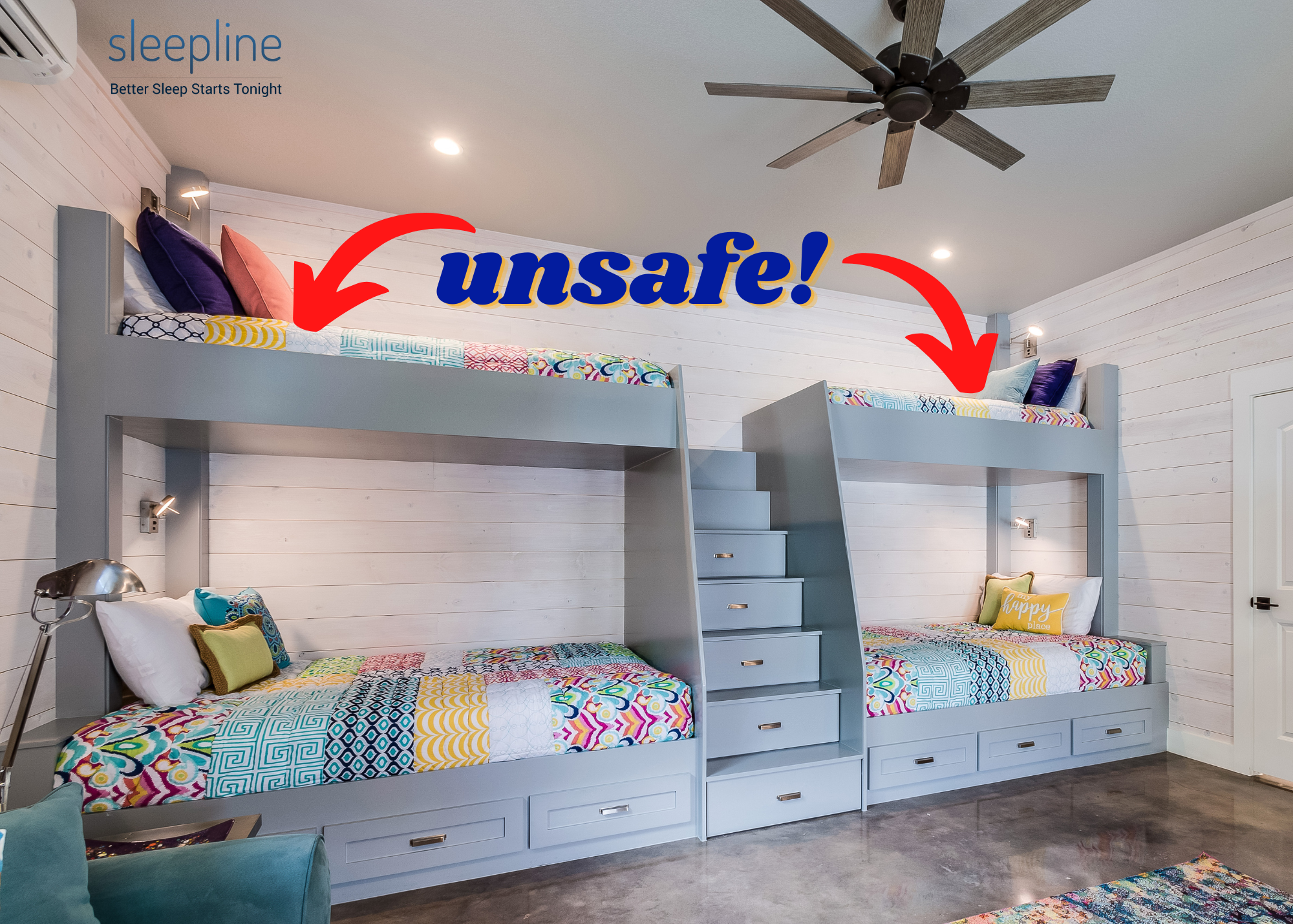
Credit: www.sleepline.com
Safety Risks Of Bunk Beds
Bunk beds save space and look fun. But they also come with safety risks. Knowing these risks helps parents decide the right age for kids to use bunk beds.
Children can get hurt if bunk beds are not used safely. Parents should watch out for common injuries, fall hazards, and entrapment dangers. These risks are important to understand for every family.
Common Injuries
Bruises and cuts happen often with bunk beds. Kids can bump their heads on bed frames or walls. Arms and legs may get trapped between slats or rails. Some injuries come from rough play on the bed. Sleep falls can cause more serious harm too.
Fall Hazards
Falls from the top bunk are the most common danger. The higher the bed, the worse the fall. Kids can roll off during sleep or climb down unsafely. Missing guardrails or loose railings increase fall risks. Falls can lead to broken bones or head injuries.
Entrapment Dangers
Entrapment happens when a child gets stuck between bed parts. Gaps in guardrails or slats can trap arms, legs, or heads. This can cause bruises or cuts. In rare cases, it may block breathing. Proper bed design and checking gaps help reduce this risk.
Expert Guidelines For Bunk Bed Use
Bunk beds can save space and add fun to a child’s room. Safety must come first. Experts give clear rules on who should use bunk beds and when.
Following these guidelines helps prevent accidents and injuries. It also ensures children sleep comfortably and safely.
Manufacturer Recommendations
Most bunk bed makers say children under 6 years old should not use the top bunk. This rule helps avoid falls and injuries.
Always check the label or manual for age limits and weight capacity. Use guardrails on both sides of the top bunk. Make sure the bed is sturdy and stable.
Pediatrician Advice
Doctors often agree with manufacturers on the age limit for top bunks. They warn that young children can easily fall and hurt themselves.
Pediatricians suggest teaching kids how to climb safely and use ladders properly. They also recommend regular checks of the bed’s condition and safety features.

Credit: www.customkidsfurniture.com
Choosing The Right Bunk Bed
Choosing the right bunk bed is important for your child’s safety and comfort. Bunk beds can save space and be fun. But not all beds are good for every child. It is key to pick one that fits your child’s age and needs. Focus on strong materials and safety features. These factors help keep your child safe while sleeping or playing.
Check the bed’s build and guardrails. Also, see if the ladder is easy and safe to climb. These details make a big difference in keeping your child safe every night.
Material And Build Quality
Choose a bunk bed made of strong materials like solid wood or metal. These last longer and hold weight well. Avoid beds with cheap or weak parts. Loose screws or weak joints can cause accidents. A well-built bed does not wobble or creak. It gives your child a steady place to sleep. Also, check the finish. Smooth edges and no sharp parts keep kids safe.
Guardrails And Ladder Safety
Guardrails are a must for the top bunk. They stop kids from falling out while sleeping. The rails should be high enough to keep your child safe. Check if the ladder is easy to use. It should have wide steps and be firmly attached to the bed. A slippery or loose ladder can cause falls. Make sure your child can climb up and down easily without help.
Safe Setup And Maintenance
Setting up a bunk bed safely is very important. It helps keep children safe and avoids accidents. Careful assembly and regular checks keep the bed strong and secure. Parents can have peace of mind when these steps are followed.
Proper Assembly Tips
Start by reading the instruction manual carefully. Use all the parts provided in the package. Tighten screws and bolts firmly but do not over-tighten. Place the bunk bed on a flat, stable surface. Secure the guardrails on the top bunk to prevent falls. Use a sturdy ladder that fits well with the bed. Avoid gaps between the mattress and bed frame. These small steps make the bed safe and steady.
Regular Safety Checks
Check the bed every few weeks for loose screws or bolts. Look for cracks or broken parts in the frame. Ensure guardrails stay firmly in place. Confirm that the ladder is stable and secure. Tighten any loose hardware right away. Replace worn or damaged parts immediately. These checks prevent accidents and keep the bunk bed safe over time.
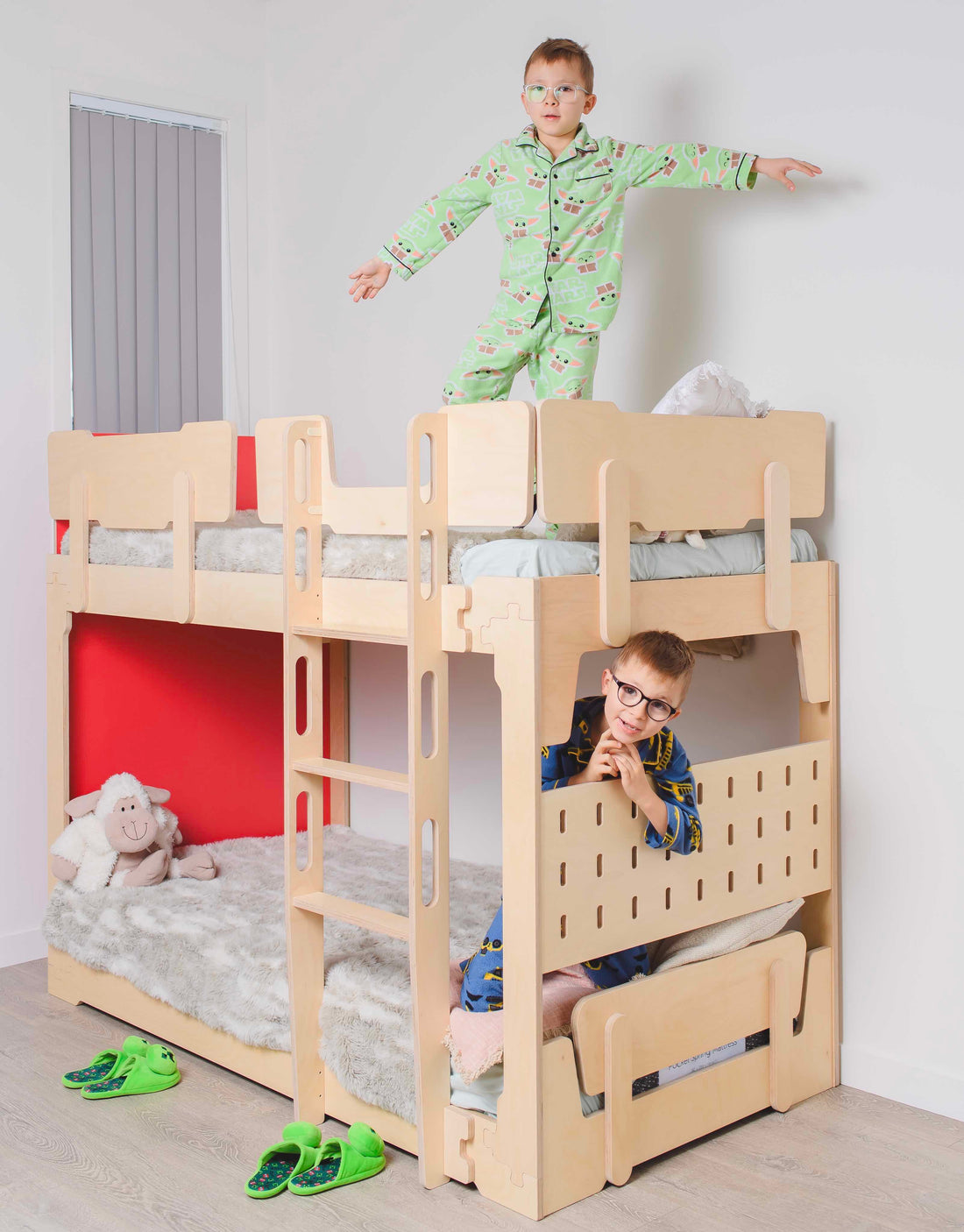
Credit: kitsmart.co.nz
Alternatives To Bunk Beds
Parents play a key role in helping their kids use bunk beds safely. Watching kids closely and teaching them good habits can prevent accidents and keep them comfortable. Simple steps at home make a big difference in safety and sleep quality.
Monitoring Sleep Habits
Keep an eye on how your child sleeps in the bunk bed. Check if they move a lot or feel scared at night. Watch for any signs of restless sleep or waking up often. Adjust the bed setup if needed to help them feel secure and cozy.
Make sure your child is old enough to climb in and out safely. Most experts suggest kids should be at least six years old. Younger kids may not have the balance or awareness needed for bunk beds.
Teaching Safe Use
Teach your child to use the ladder carefully. Show them how to climb up and down slowly. Explain not to jump or play roughly on the bed. Clear rules help reduce the risk of falls and injuries.
Check the bunk bed regularly for loose screws or broken parts. Tighten and fix anything that seems unsafe. Keep the area around the bed clean and free of toys or clutter that can cause trips.
Frequently Asked Questions
What Is The Recommended Age For Kids To Use Bunk Beds?
Children aged 6 years and older are generally safe to use bunk beds. Younger kids may risk falls or injuries. Always consider your child’s maturity and ability to follow safety rules before allowing bunk bed use.
Are Bunk Beds Safe For Toddlers Or Young Children?
Bunk beds are not recommended for toddlers or children under 6. They may have difficulty climbing or sleeping safely. Use cribs or low beds designed for younger kids to prevent accidents.
What Safety Features Should Bunk Beds Have For Kids?
Bunk beds should have guardrails on all sides and a secure ladder. Ensure the bed is sturdy and meets safety standards. Proper mattress size and positioning also reduce injury risks during sleep.
Can Kids With Special Needs Use Bunk Beds Safely?
Kids with special needs should be evaluated individually for bunk bed safety. Some conditions may increase fall risk. Consult a healthcare provider before deciding on bunk bed use for these children.
Conclusion
Kids should be at least six years old to sleep in a bunk bed. Safety matters most when choosing the right bed. Make sure the bed has guardrails and is sturdy. Teach children to climb up and down carefully. Always check the room’s space around the bed.
Parents must watch young kids closely at first. Bunk beds can be fun and save space too. Choosing the right age helps keep children safe and happy.