Are you wondering how long your little one should sleep in a toddler bed? Making the switch from a crib to a toddler bed is a big step for both you and your child.
But knowing the right amount of sleep and how long they should stay in that bed can feel confusing. You want to make sure your child gets enough rest for their growth and happiness, while also keeping bedtime safe and comfortable.
You’ll discover the ideal sleep duration for toddlers in their new bed and helpful tips to make bedtime easier. Keep reading to learn how to create the best sleep routine for your toddler’s next big phase.

Credit: www.ynhhs.org
Toddler Bed Basics
Choosing the right bed for your toddler is important for safe and comfortable sleep. Toddler beds offer a cozy space that suits young children better than cribs or big beds. They help kids feel independent while keeping them secure at night.
Understanding what a toddler bed is and when to make the switch helps parents make smart decisions. Let’s explore the basics to guide you through this transition smoothly.
What Is A Toddler Bed?
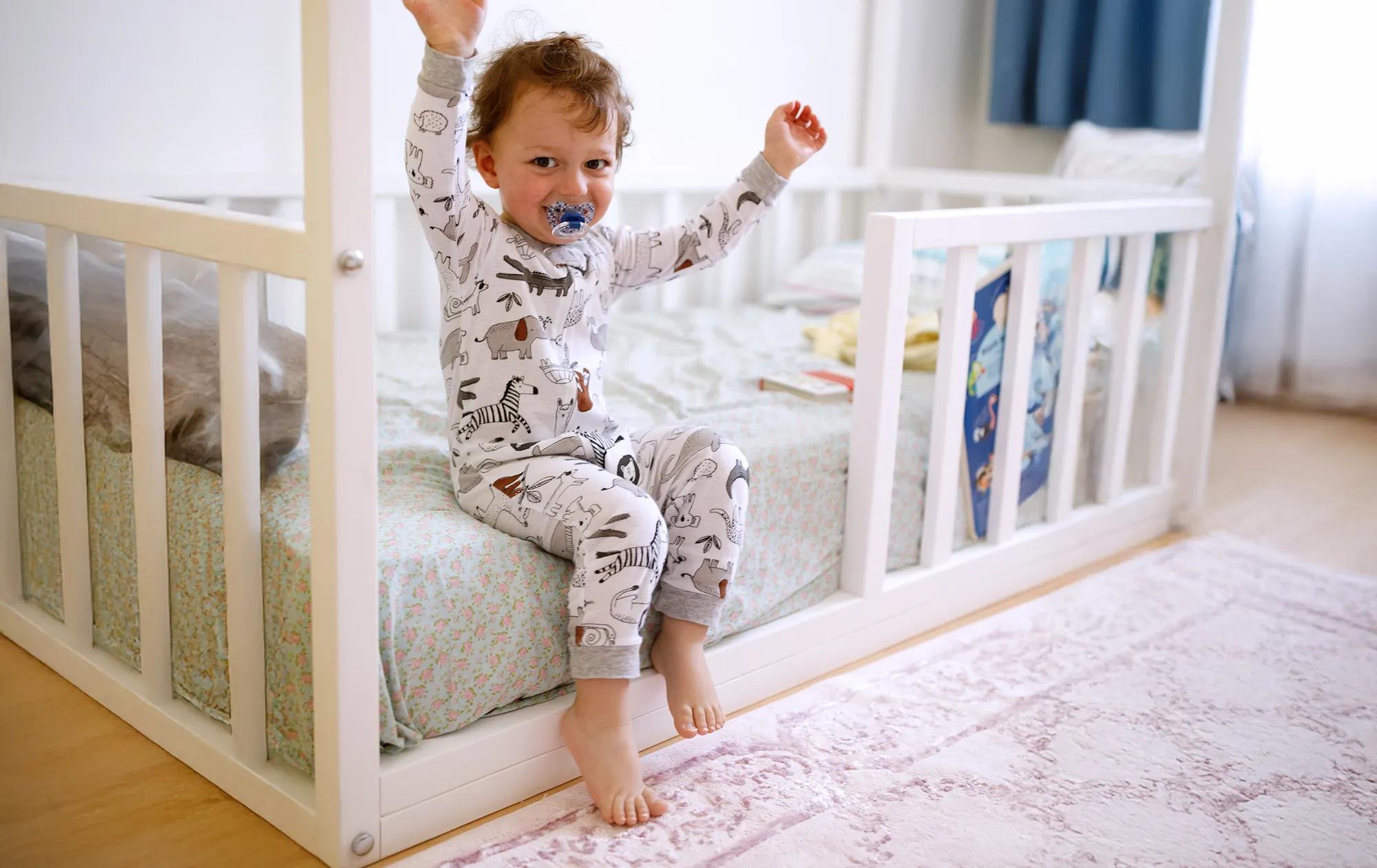
A toddler bed is smaller than a regular bed but bigger than a crib. It uses the same mattress size as a crib, which makes the change easy. The sides often have low rails to prevent falls during sleep.
These beds sit low to the floor, so toddlers can get in and out by themselves. This builds confidence and freedom while keeping safety in mind. They come in many styles and colors to fit any room.
When To Transition From Crib
Most toddlers move to a bed between 18 months and 3 years. Signs include climbing out of the crib or needing more space. Moving too soon or too late can cause sleep problems or safety risks.
Look for your child’s readiness, not just age. Some kids feel ready earlier, others later. A toddler bed gives them room to grow and feel more grown-up. Timing the change right helps everyone sleep better.
Average Sleep Needs For Toddlers
Understanding how long toddlers sleep in a toddler bed starts with knowing their average sleep needs. Sleep is vital for toddlers’ growth, brain development, and mood. Toddlers need a mix of night sleep and daytime naps to stay healthy and happy. Their sleep patterns can change as they grow, so knowing the right amount helps parents set good routines.
Recommended Sleep Hours By Age
Toddlers aged 1 to 2 years usually need 11 to 14 hours of sleep every 24 hours. This total includes both nighttime sleep and naps. As toddlers reach 3 years, they often need slightly less sleep, around 10 to 13 hours daily. These hours help support their physical growth and learning abilities. Sticking to these sleep hours helps toddlers feel rested and ready to explore their world.
Daytime Naps And Night Sleep
Toddlers still need naps during the day to meet their total sleep needs. Most toddlers take one or two naps, lasting from 1 to 3 hours. Nighttime sleep usually lasts 10 to 12 hours. Naps help reduce fussiness and improve attention during the day. Over time, toddlers may drop their second nap and sleep longer at night. Balancing naps and night sleep ensures toddlers get enough rest for healthy development.
Factors Affecting Toddler Sleep Duration
Several factors affect how long toddlers sleep in their beds. Each child is unique, so sleep duration varies. Understanding these factors helps parents support healthy sleep habits for toddlers. Here are some key elements that influence toddler sleep time.
Growth And Development
Toddlers grow quickly, and this growth changes their sleep needs. During growth spurts, children may sleep longer. Brain development also affects sleep patterns. Toddlers need sleep for learning and memory. As they develop, their sleep cycles become more regular.
Activity Levels
Active toddlers often sleep better and longer. Physical play tires their bodies and minds. Quiet or less active days might reduce sleep length. Balance between activity and rest is important. Too much energy before bed can delay sleep.
Sleep Environment
A calm and safe sleep space helps toddlers rest well. Noise, light, and temperature impact sleep quality. Comfortable bedding and familiar surroundings soothe toddlers. Consistent bedtime routines improve sleep duration. A good environment encourages deeper, longer sleep.
Signs Your Toddler Is Ready For A Bedtime Change
Switching from a crib to a toddler bed is a big step. It means your child is growing and ready for new routines. Knowing when to make this change helps keep bedtime smooth. Watch for clear signs that show your toddler is ready to move on.
These signs come in two main types: physical readiness and behavior. Both tell you if your child can handle a toddler bed safely and happily.
Physical Readiness
Your toddler must be able to climb in and out of bed safely. This skill shows good muscle strength and coordination. They should also be tall enough that the bed rails will protect them. Another sign is when your child starts to outgrow the crib mattress. This means they need more space to sleep comfortably.
Check if your toddler can follow simple instructions about staying in bed. This skill helps reduce the risk of falling or wandering at night. Physical readiness is key to a safe and smooth bedtime change.
Behavioral Indicators
Watch your toddler’s behavior around bedtime. If they try to climb out of the crib, it may mean they want more freedom. Refusing to stay in the crib or showing frustration during bedtime can also signal readiness. Your child may show excitement about a “big kid” bed, asking questions or wanting to sit on it.
Some toddlers start waking up very early or have trouble sleeping through the night. These changes can mean the crib no longer feels right. Behavioral signs often tell more about readiness than age alone.
Tips For A Smooth Transition To A Toddler Bed
Moving your child from a crib to a toddler bed is a big step. It can bring excitement and challenges. Helping your child feel safe and comfortable is key. Small changes can make the transition easier and smoother.
Here are some tips to help your child settle well in their new bed. These ideas focus on building good habits and reducing worries.
Creating A Bedtime Routine
Set a simple and consistent bedtime routine. Use the same steps every night. This might include a bath, storytime, and a quiet song. A routine tells your child it is time to sleep. Keep the routine calm and short. This helps your child relax and feel ready for bed.
Ensuring Safety
Check the toddler bed for safety first. Make sure the bed has guardrails to prevent falls. Remove any sharp or hard toys near the bed. Use a night light if the room is dark. This helps your child see the room and feel safe. Keep the floor clear of toys to avoid trips.
Handling Nighttime Fears
Night fears are common at this stage. Listen to your child’s worries without judgment. Offer comfort with a favorite toy or blanket. Use gentle words to reassure them. Avoid scary stories or shows before bed. Teach your child deep breathing to calm down if scared.
Credit: health.clevelandclinic.org
Common Sleep Challenges In Toddler Beds
Transitioning to a toddler bed can bring new sleep challenges for both parents and children. Toddlers face changes that affect their sleep habits. Understanding common issues helps parents manage bedtime better. Here are some typical challenges children experience in toddler beds.
Night Wakings
Many toddlers wake up during the night after moving to a toddler bed. The freedom to get up easily can cause more frequent awakenings. They may feel scared or lonely without the crib’s familiar walls. Night wakings often happen because toddlers explore their new space.
Resistance To Sleep
Resistance to sleep is common with toddler beds. Kids may refuse to lie down or ask for extra stories. The new bed feels exciting, causing them to delay bedtime. They might want to stay awake and play instead of sleeping. This behavior can make bedtime routines longer and harder.
Climbing Out Of Bed
Climbing out of bed is a frequent concern. Toddlers use their growing skills to climb out and wander. This can be unsafe, especially at night. Parents need to watch closely and set clear rules. Barriers or low beds help reduce climbing risks and keep toddlers safe.
Adjusting Sleep Duration Over Time
As toddlers grow, their sleep needs change. Adjusting how long they sleep helps their body and mind develop well. Parents and caregivers can support toddlers by watching and changing sleep habits over time. This keeps children healthy and happy during their early years.
Monitoring Sleep Patterns
Track how long your toddler sleeps each night. Notice if they wake up often or sleep deeply. Write down their bedtime and wake-up time. This helps see if they get enough rest or need more sleep. Watch for changes in behavior that might show tiredness.
Adapting To Growth Changes
Toddlers grow fast, and their sleep hours can shift. They may need less sleep as they get older. Adjust bedtime and nap times based on their energy and mood. Pay attention to signs like yawning or crankiness. Changing sleep routines helps them stay balanced and ready for the day.

Credit: www.flyawaydesigns.com
Frequently Asked Questions
How Many Hours Do Toddlers Sleep In A Toddler Bed?
Toddlers typically sleep 10 to 13 hours in a toddler bed. This includes nighttime sleep and daytime naps. Consistent sleep routines help ensure they get enough rest for healthy growth and development.
When Should Kids Transition From A Crib To Toddler Bed?
Most kids transition between 18 months and 3 years. This depends on their size, safety, and readiness to climb out of the crib. Parents should choose the right time based on their child’s comfort and safety.
How Long Can A Toddler Stay In A Toddler Bed?
Toddlers usually stay in toddler beds until age 5 or 6. This varies by child’s size, behavior, and readiness for a bigger bed. Parents should monitor their child’s needs and make transitions accordingly.
What Factors Affect Toddler Sleep Duration In Toddler Beds?
Sleep duration depends on age, environment, bedtime routines, and health. A comfortable bed, quiet room, and consistent schedule improve sleep quality. Avoiding screen time before bed also helps toddlers sleep better.
Conclusion
Toddlers usually sleep in a toddler bed for about two to three years. This depends on their growth and comfort needs. Some children may move to a bigger bed sooner. Others might stay longer in their toddler bed. Parents should watch signs like restlessness or size issues.
Safety and good sleep habits matter most. Choosing the right time helps kids feel secure and sleep well. Every child is different. Trust your instincts and your child’s needs. This way, bedtime stays calm and peaceful for everyone.