Are you planning to add a bunk bed to your room but unsure about how much headspace you need? Getting the right amount of space between the top and bottom bunks is crucial for comfort and safety.
Too little headroom can make your bunk bed feel cramped and hard to use, while too much might waste valuable space. You’ll discover exactly how much headspace is ideal, so you can create a cozy and practical sleeping area for you or your kids.
Keep reading to make sure your bunk bed setup is just right!
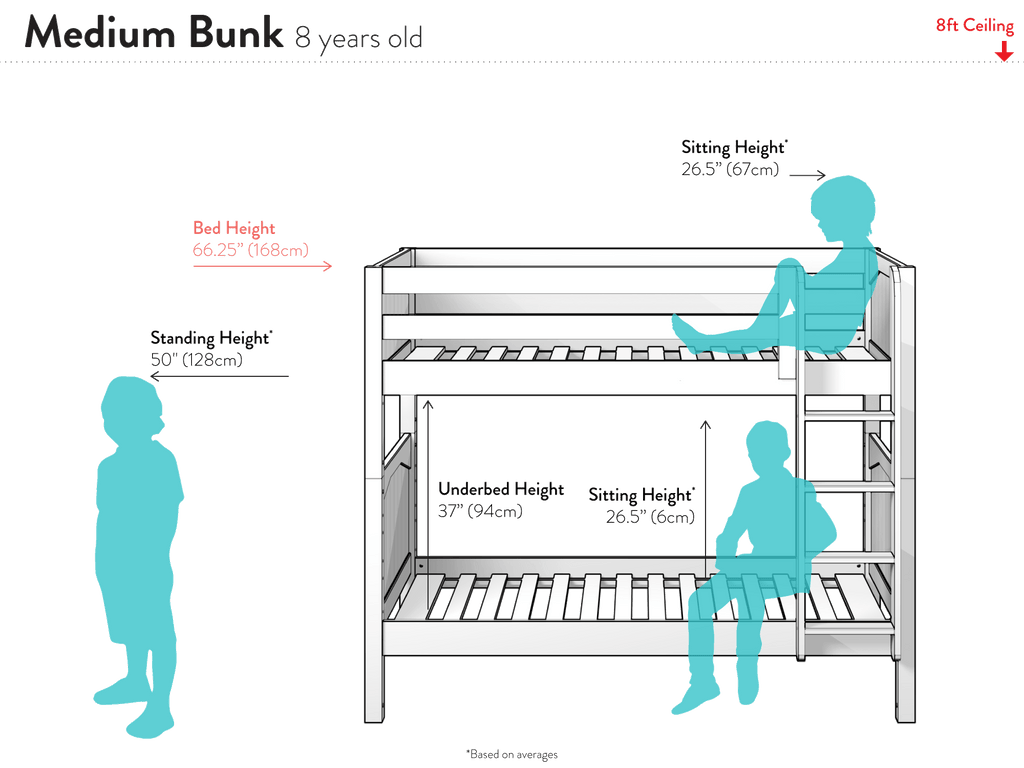
Credit: www.maxtrixkids.com
Ideal Headspace Dimensions
Proper headspace for a bunk bed ensures comfort and safety. A minimum of 33 to 36 inches between beds prevents bumps. Enough space helps children sit up without hitting their heads.
Minimum Clearance Standards
Headspace means the space between the top bunk mattress and the ceiling below the upper bunk. This space is important for safety and comfort. The minimum clearance should be at least 33 to 36 inches. This allows enough room to sit up without hitting your head. It also helps prevent accidents while climbing or moving on the top bunk.
Recommended Space For Comfort
For better comfort, aim for 38 to 42 inches of headspace. This extra space makes sitting up easy and comfortable. It also gives a more open feeling, reducing any sense of tightness. More headspace can help children feel less cramped and sleep better. It also makes the bunk bed more practical for older kids or adults.
Factors Affecting Headspace
Headspace in a bunk bed is the space between the mattress and the ceiling or upper bunk. This space affects comfort and safety. Several factors change the amount of headspace you get. Understanding these factors helps in choosing the right bunk bed setup.
Mattress Thickness Impact
The thickness of the mattress changes headspace a lot. Thicker mattresses reduce the space between the sleeper and the bed frame or ceiling. Thinner mattresses increase headspace but may reduce comfort. Choosing the right mattress thickness balances comfort and space.
Bunk Bed Frame Design
The design of the bunk bed frame changes headspace. Some frames have thicker side rails or support beams that lower the available space. Ladder placement and guardrails also affect how much room is left. Simple, slim designs often provide more headspace.
Ceiling Height Considerations
The height of the room’s ceiling limits headspace above the top bunk. Lower ceilings reduce space and can feel cramped. Rooms with higher ceilings allow for taller bunk beds and more headroom. Measure your ceiling height before picking a bunk bed.
Safety Concerns
Bunk beds save space but raise safety concerns, especially about headspace. Proper head clearance prevents injuries and makes the bed comfortable. Knowing safety rules helps avoid accidents and meet building standards.
Preventing Head Injuries
Enough headspace stops bumps and bruises. The top bunk should have at least 33 inches from mattress to ceiling. This space lets users sit up safely. Guardrails protect from falls but also need proper height. Soft materials around edges lower injury risks. Teach kids to be careful climbing and moving around the bed.
Building Code Requirements
Building codes set minimum headspace for bunk beds. Most rules require 30 to 36 inches between the mattress and ceiling. These codes ensure safe use and prevent accidents. Check local codes before buying or building a bunk bed. Following these rules keeps the bed legal and safe for use.
Comfort Tips For Bunk Beds
Bunk beds save space but can feel tight without the right setup. Comfort matters to enjoy a good night’s sleep. Small changes help make bunk beds cozy and safe.
Focus on mattress choice and bed placement. These factors affect comfort and headspace. Proper planning keeps the bunk bed area inviting and restful.
Choosing The Right Mattress
Select a mattress that fits the bunk bed frame well. Too thick mattresses reduce headspace and cause discomfort. Aim for a medium-firm mattress around 6 to 8 inches thick. This size balances support and space.
Foam mattresses work well on bunk beds. They are lightweight and conform to the body. Avoid very soft mattresses that sink too much. A good mattress prevents back pain and improves sleep quality.
Optimizing Bed Placement
Place the bunk bed away from low ceilings or hanging fixtures. This placement increases usable headspace. Position the bed near a wall for extra support and safety. Leave enough room for easy climbing and getting down.
Avoid placing the top bunk too close to the ceiling. At least 33 to 36 inches of headspace above the mattress is ideal. Proper bed placement reduces the risk of bumps and promotes comfort.
Special Cases
Special cases for bunk bed headspace often require creative solutions. Not every room fits the standard bunk bed size. Small rooms or odd ceilings need unique approaches to keep beds safe and comfortable. Adjusting headspace can make a big difference in usability and comfort.
Space-saving Solutions
Rooms with limited space benefit from clever bunk bed designs. Using loft beds frees up floor space for desks or storage. Lowering the bottom bunk closer to the floor can increase headspace above. This change helps keep the bunk bed compact while still comfortable. Folding or retractable ladders also save room and improve access.
Custom Bunk Bed Designs
Custom bunk beds fit unique room shapes and sizes. Builders can adjust headspace heights to suit different ages or needs. Sloped ceilings require angled bunk beds or lower top bunks. Adding built-in shelves or drawers maximizes space use. Custom designs often balance safety, comfort, and style perfectly for special cases.
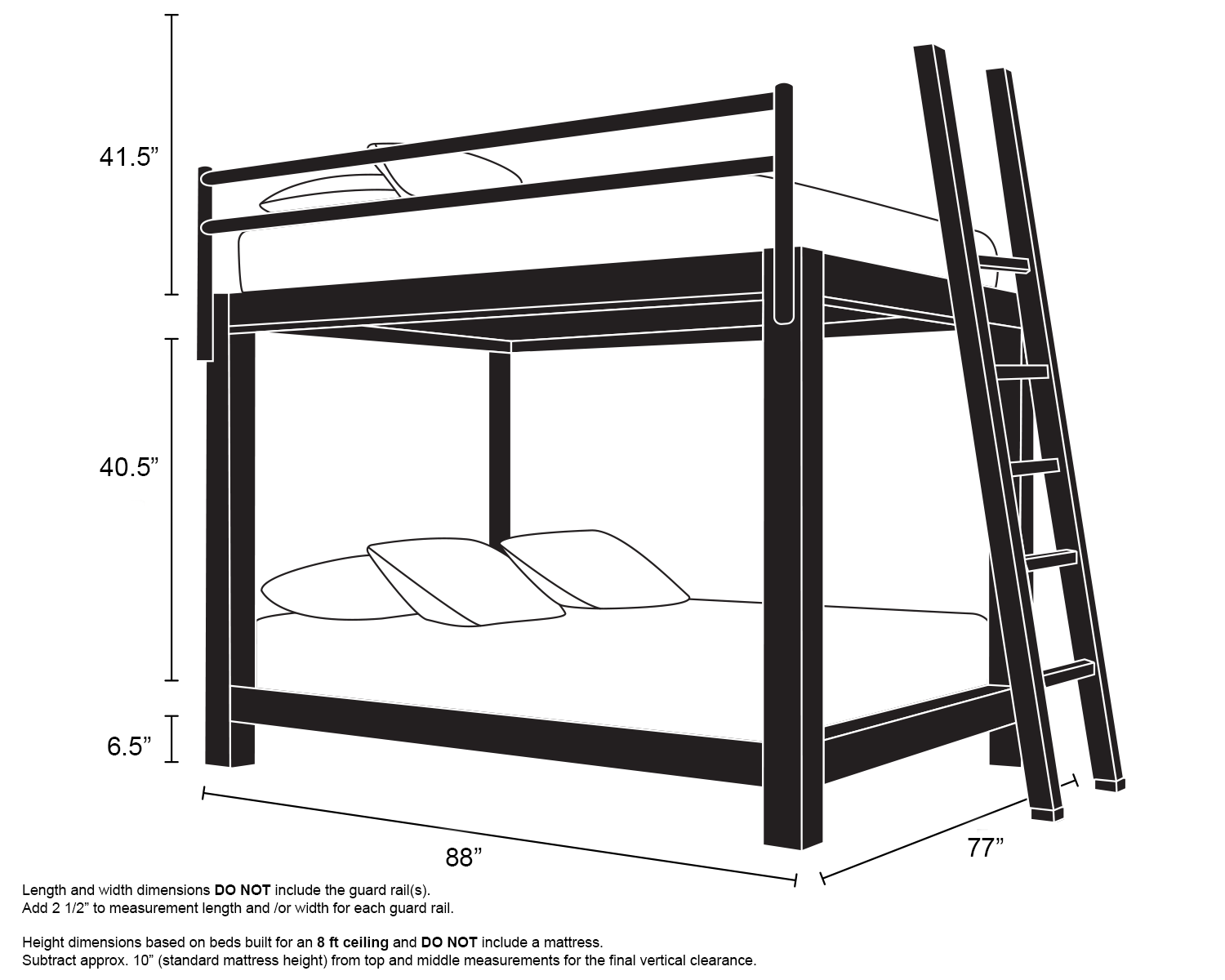
Credit: adultbunkbeds.com

Credit: www.maxtrixkids.com
Frequently Asked Questions
How Much Headspace Is Ideal For A Bunk Bed?
The ideal headspace for a bunk bed is between 30 to 36 inches. This allows enough room to sit up comfortably without hitting the ceiling. Proper headspace ensures safety and comfort for the user, especially for the top bunk.
Why Is Headspace Important In Bunk Bed Design?
Headspace prevents users from bumping their heads and improves comfort. It also enhances ventilation and overall safety, reducing the risk of injury. Proper spacing ensures a better sleeping experience and usability of the bunk bed.
How To Measure Headspace For A Bunk Bed?
Measure from the top of the mattress to the underside of the upper bunk or ceiling. Subtract mattress thickness from total height to find usable headspace. This simple measurement helps verify if the bunk bed meets comfort standards.
Can Less Headspace Affect Bunk Bed Safety?
Yes, insufficient headspace increases the risk of head injuries and discomfort. It can cause users to sit awkwardly or hit their heads when moving. Ensuring adequate space is crucial for safe and enjoyable bunk bed use.
Conclusion
Choosing the right headspace for a bunk bed keeps the room safe and comfy. Enough space helps kids sit up and move without bumping their heads. Too little headroom feels cramped and can cause accidents. Think about the room height and who will use the bed.
Measure carefully before buying or building. Proper headspace makes the bunk bed a cozy spot to sleep and play. Simple steps can make a big difference in comfort and safety.
