Imagine turning an empty wall space into a stunning, custom bookshelf that perfectly fits your room. You don’t need to be a professional carpenter to make it happen.
With a few simple steps, some basic tools, and your own hands, you can build a bookshelf right inside a wall opening. This project will not only add storage but also bring character and warmth to your home. Ready to see how easy and rewarding it can be?
Keep reading, and you’ll discover everything you need to know to create your own built-in bookshelf.
Planning Your Bookshelf
Planning your bookshelf is the first step to a strong, beautiful built-in. It helps you avoid mistakes and saves time. Good planning makes sure your bookshelf fits perfectly in the wall opening. It also matches your style and needs.
Measuring The Wall Opening
Measure the width, height, and depth of the wall opening. Use a tape measure and write down exact numbers. Check for any uneven spots or obstacles inside the opening. Measure twice to avoid errors. These numbers guide your whole project.
Choosing The Right Materials
Pick materials that hold weight and look good. Solid wood is strong but costs more. Plywood is a good balance of strength and price. Consider paint or stain to match your room. Also, get screws, brackets, and shelf pins that fit your design.
Designing The Shelf Layout
Decide how many shelves you want. Think about what you will place on them. Space shelves evenly or vary the height for books and decorations. Plan for thicker shelves if you have heavy items. Draw a simple sketch to guide your build.
Gathering Tools And Supplies
Building a bookshelf in a wall opening starts with gathering the right tools and supplies. This step is important for a smooth project. Having everything ready saves time and avoids frustration. It also helps make strong and beautiful bookshelves. Focus on quality and safety. Let’s explore what you need before you begin.
Essential Tools Checklist
Start by collecting basic tools. A tape measure is needed to get exact dimensions. Use a level to keep shelves straight. A power drill helps with screws and fasteners. A saw, such as a circular saw or handsaw, cuts wood to size. Sandpaper smooths rough edges. A screwdriver, hammer, and pencil are also helpful. These tools form the core for your project.
Selecting Quality Wood
Choose wood that is strong and fits your style. Pine is affordable and easy to work with. Oak is sturdy and lasts long. Plywood offers smooth surfaces and stability. Avoid wood with cracks or knots. Dry wood reduces warping. Pick wood thickness that supports your books. Good wood makes shelves both functional and attractive.
Safety Gear And Accessories
Protect yourself during the build. Safety glasses shield your eyes from dust and debris. Gloves keep your hands safe from splinters. Ear protection guards against loud tool noise. A dust mask prevents inhaling sawdust. Wear comfortable clothes that cover your skin. Safety gear reduces accidents and keeps the work area clean.
Preparing The Wall Opening
Preparing the wall opening is a key step in building a bookshelf inside a wall. This stage sets the foundation for a sturdy and well-fitted bookshelf. Careful preparation saves time and effort later. It also ensures safety and a clean finish. Follow these steps to get the wall ready for your new bookshelf.
Clearing The Space
Start by removing any furniture or objects near the wall. This gives you enough room to work safely. Clear dust and dirt from the area. Use a drop cloth to protect the floor. Make sure the space is well-lit. Good lighting helps you see details clearly.
Checking For Electrical And Plumbing
Use a stud finder to locate wires and pipes inside the wall. Avoid cutting through electrical wires or plumbing. Turn off power to the area before working. Mark any wires or pipes you find. Call a professional if you see any risky wiring or pipes. This step prevents accidents and costly repairs.
Framing The Opening
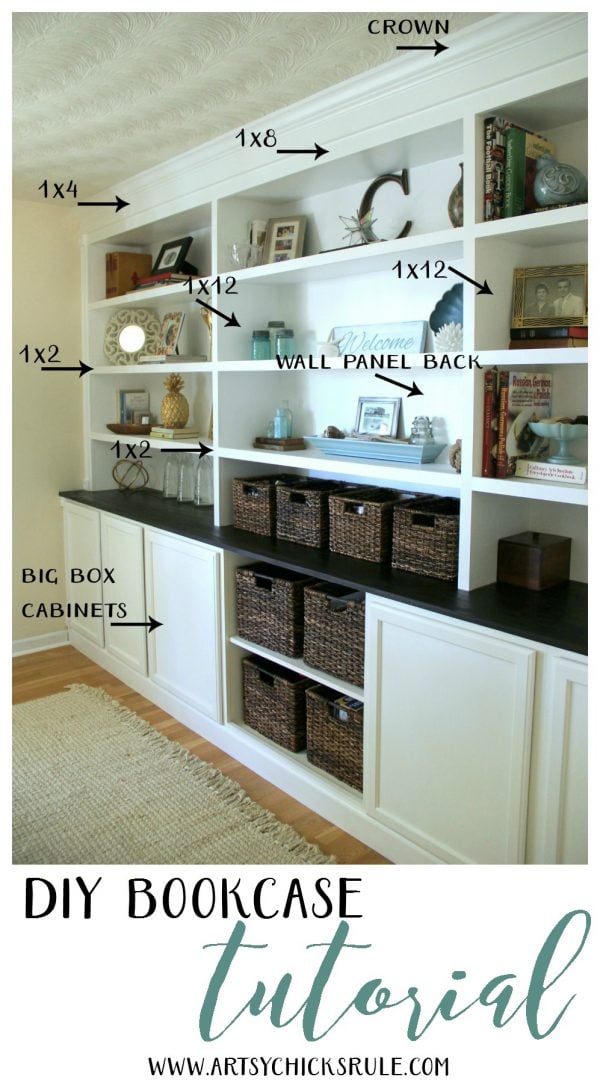
Measure the wall opening carefully to fit your bookshelf. Use wood studs to frame the opening. Secure the frame with nails or screws. Check the frame for level and square with a carpenter’s level. A strong frame supports the weight of the bookshelf and books. Proper framing keeps the bookshelf stable and neat.
Credit: www.artsychicksrule.com
Building The Bookshelf Frame
Building the bookshelf frame is the key step to create a strong base inside the wall opening. A solid frame holds the shelves and supports the books. It must fit perfectly in the space and be sturdy enough for heavy loads.
This part requires careful measuring, cutting, and assembling. The frame needs to be square and level. Once built, it attaches firmly inside the wall to stay secure for years.
Cutting Wood To Size
Measure the height, width, and depth of the wall opening. Use these numbers to cut wood pieces accurately. Select sturdy wood like pine or plywood for the frame.
Cut two long side pieces matching the height of the opening. Cut top and bottom pieces matching the width. Use a saw for straight, clean cuts. Double-check all measurements before cutting.
Assembling The Frame
Lay the wood pieces on a flat surface. Position the side pieces parallel and place the top and bottom pieces between them. Align edges to form a rectangle.
Use wood glue on joints for extra strength. Then, drill pilot holes to prevent splitting. Secure the pieces with screws or nails. Check that the frame is square using a carpenter’s square.
Securing The Frame In The Wall
Place the frame into the wall opening. Use a level to make sure it sits straight. Shim the frame if needed to keep it even on all sides.
Fasten the frame to the wall studs with long screws. Drive screws through the side pieces into the studs for solid support. Fill any gaps with wood shims or foam for a tight fit.
Adding Shelves And Supports
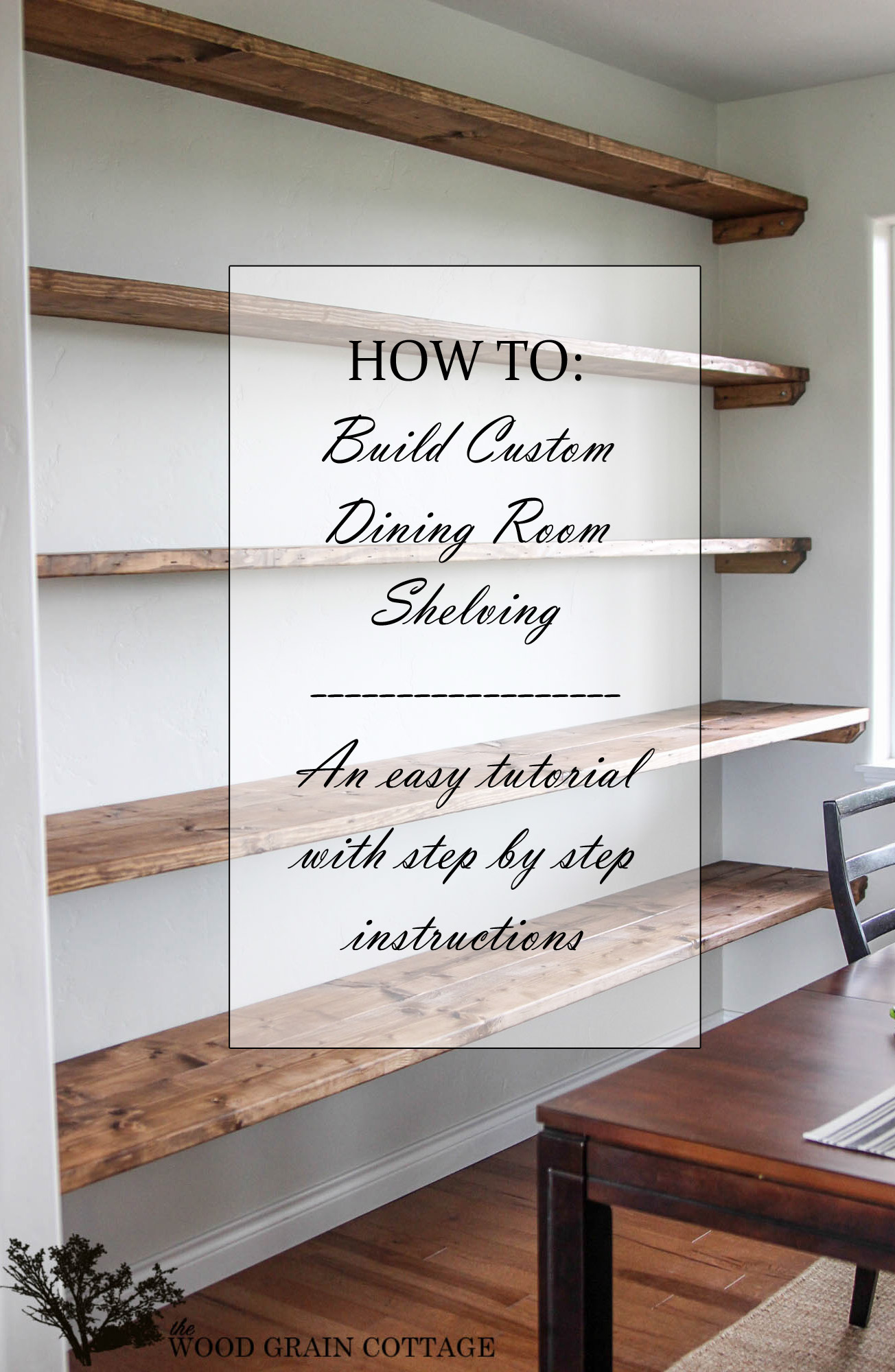
Adding shelves and supports is a key step in building a bookshelf in a wall opening. These parts hold your books and decorations safely. Proper placement and strong support keep the shelves steady and durable. This section covers how to measure shelf positions, install brackets, and attach shelves securely.
Measuring Shelf Placement
Start by deciding the height for each shelf. Measure from the bottom of the wall opening upward. Mark spots lightly with a pencil on both sides. Keep space between shelves for tall and short items. Use a level to make sure marks are even. Accurate measurements help shelves look neat and balanced.
Installing Shelf Brackets
Select brackets that fit your shelf size and weight needs. Align brackets with your pencil marks on the wall. Use a drill to make pilot holes for screws. Attach brackets tightly with screws into wall studs or anchors. Check brackets with a level to ensure they are straight. Strong brackets prevent shelves from sagging or falling.
Attaching Shelves
Cut shelves to the right size if needed. Place each shelf on the installed brackets. Make sure shelves fit well and sit flat. Secure shelves to brackets with screws for extra safety. Double-check shelf alignment with a level. Firmly attached shelves hold books safely and last longer.
Credit: www.thewoodgraincottage.com
Finishing Touches
Finishing touches bring your bookshelf to life. They improve its look and protect the wood. This step makes your project feel complete. A well-done finish can highlight the wood’s beauty and match your room’s style.
Sanding And Smoothing
Start by sanding the entire bookshelf. Use fine-grit sandpaper for a smooth surface. Sand edges and corners carefully to avoid rough spots. Wipe away dust with a clean cloth. This step prepares the wood for paint or stain.
Painting Or Staining
Choose paint or stain based on your room’s look. Paint gives a solid color and hides the wood grain. Stain shows the natural wood and adds color. Apply thin coats evenly for best results. Let each coat dry before adding the next.
Installing Trim And Molding
Trim and molding add style and cover gaps. Cut pieces to fit the bookshelf edges perfectly. Nail or glue them securely in place. Fill nail holes with wood filler and sand smooth. This step gives your bookshelf a polished, built-in look.
Maintaining Your Bookshelf
Keeping your bookshelf in good shape takes some care. Regular maintenance helps your bookshelf last longer and look great. Small steps make a big difference in preserving its beauty and strength.
Cleaning Tips
Dust your bookshelf often to stop dirt buildup. Use a soft cloth or a feather duster. Avoid wet cloths that can damage the wood. For stubborn spots, use a little mild soap and water. Dry the surface quickly with a dry cloth. Keep the shelves clear of clutter for easy cleaning.
Checking For Wear And Tear
Look closely for cracks or loose boards. Check screws and brackets to ensure they are tight. Watch for any sagging shelves under heavy books. Notice if paint or finish starts to peel. Early spotting of problems prevents bigger damage. Do this check every few months.
Making Repairs
Tighten loose screws with a screwdriver. Fill small cracks with wood filler and sand smooth. Replace broken brackets or supports quickly. Touch up paint or stain to keep the finish fresh. Use wood glue to fix joints that come apart. Regular repairs keep your bookshelf safe and sturdy.

Credit: www.reddit.com
Frequently Asked Questions
What Tools Do I Need To Build A Bookshelf In A Wall Opening?
You need a measuring tape, saw, drill, level, screws, wood panels, and sandpaper. These tools help ensure precise cuts and secure assembly.
How Do I Measure The Wall Opening For A Bookshelf?
Measure the width, height, and depth of the wall opening accurately. This ensures your bookshelf fits perfectly without gaps or overlaps.
What Type Of Wood Is Best For Built-in Bookshelves?
Choose plywood or hardwood like oak or maple. These woods are sturdy, durable, and provide a smooth finish for painting or staining.
How Can I Secure The Bookshelf Inside The Wall Opening?
Use screws to anchor the bookshelf frame to wall studs. This provides stability and prevents the shelf from shifting or falling.
Conclusion
Building a bookshelf in a wall opening adds style and space to any room. Follow the steps carefully to ensure a strong, neat result. Use the right tools and measure twice before cutting. Take your time with each part of the project.
A well-built bookshelf brings both function and charm to your home. Enjoy your new storage and display space every day. Keep practicing to improve your DIY skills. This simple project can boost your confidence and home’s value.
