Are you ready to upgrade your sound system with passive bookshelf speakers but not sure where to start? Understanding what you need to get the best performance can save you time and money.
From the right amplifier to quality speaker wire, every piece plays a key role in delivering clear, powerful sound. Keep reading, and you’ll discover exactly what essentials you need to set up your passive bookshelf speakers like a pro. Your perfect audio experience is closer than you think!
Choosing Passive Bookshelf Speakers
Choosing the right passive bookshelf speakers is important for good sound quality. These speakers do not have built-in amplifiers, so they need an external amplifier to work. Picking the right speakers depends on many factors, like size, design, and technical details. This guide helps you find speakers that fit your needs and space.
Speaker Size And Design
Speaker size affects sound and where you can place them. Smaller speakers fit on shelves or desks. Larger ones give better bass and louder sound. Design matters too. Some speakers have a wooden cabinet for clear sound. Others use plastic for a modern look. Choose size and design that match your room and style.
Impedance And Sensitivity
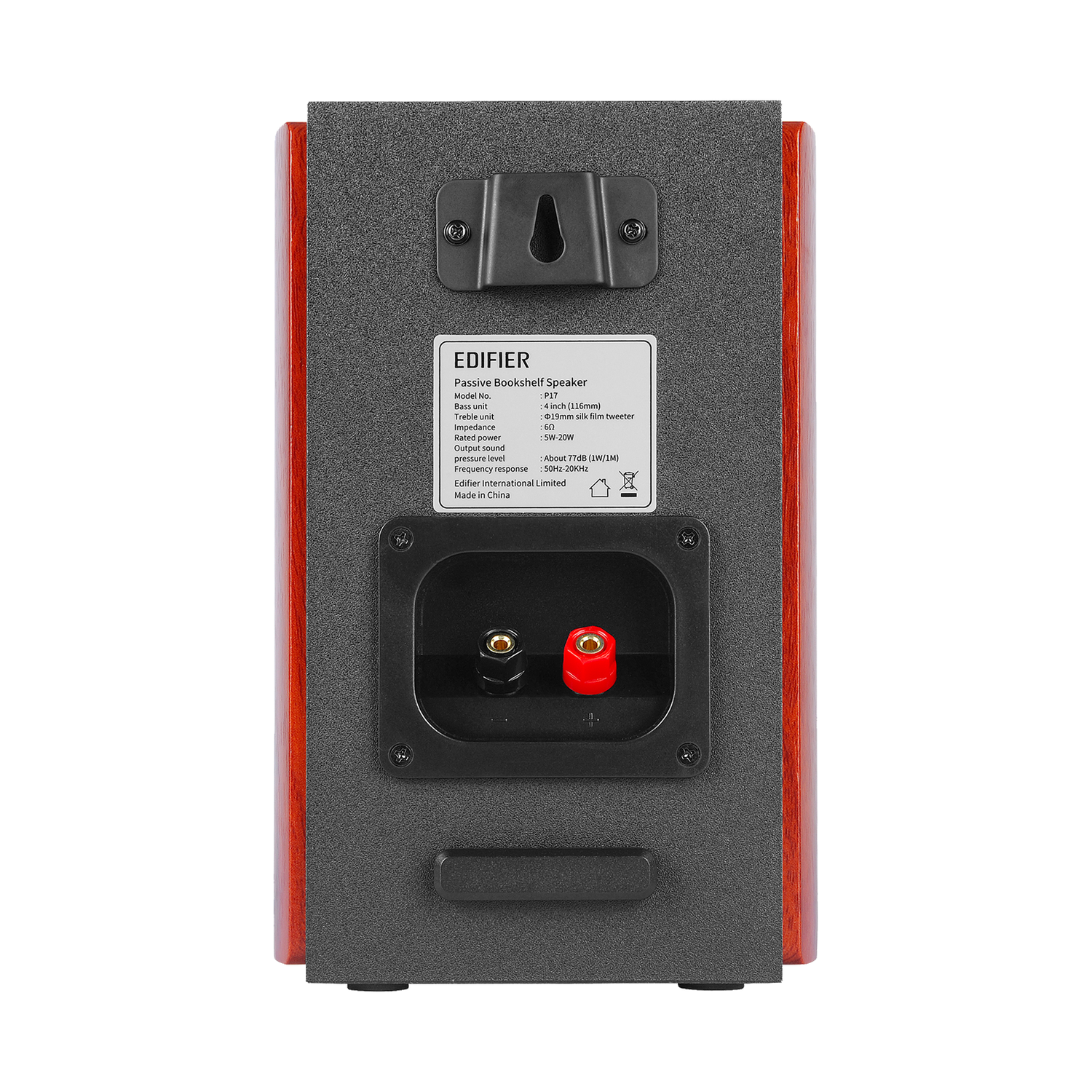
Impedance shows how much power the speaker needs from an amplifier. Most passive speakers have 4 to 8 ohms impedance. Match the speaker’s impedance with your amplifier for best results. Sensitivity tells how loud the speaker plays with a small amount of power. Higher sensitivity means louder sound with less power. Check these numbers before buying.
Brand And Model Options
Many brands make passive bookshelf speakers. Some are known for clear sound and good build quality. Others offer budget-friendly options. Popular brands include JBL, Klipsch, and Polk Audio. Compare models by reading reviews and checking specs. Pick a model that fits your budget and listening needs.
Credit: edifier-online.com
Amplifiers And Receivers
Amplifiers and receivers play a key role in powering passive bookshelf speakers. These speakers do not have built-in amplifiers, so they need an external device to drive sound. Choosing the right amplifier or receiver ensures clear, strong audio without damage.
Matching Amplifier Power To Speakers
Amplifier power must match speaker power ratings. Too little power causes weak sound and distortion. Too much power risks damaging the speakers. Check the speaker’s wattage range and pick an amplifier that fits within that range. Aim for an amplifier with slightly higher power than the speaker’s minimum rating.
Types Of Amplifiers
Several amplifier types work with passive bookshelf speakers. Solid-state amplifiers offer clear sound and reliability. Tube amplifiers provide warm, rich tones but cost more. Class D amplifiers are compact and energy efficient. Choose based on sound preference, size, and budget.
Receiver Features To Consider
Receivers combine amplifiers with extra functions. Look for multiple inputs like Bluetooth, HDMI, and optical. Built-in radio tuners add more options. Volume control and tone adjustments help tailor sound. Ensure the receiver supports your speaker’s impedance and power needs.
Speaker Wire Essentials
Choosing the right speaker wire is key for passive bookshelf speakers. Good wire ensures clear sound and strong connection. It carries the audio signal from your amplifier to the speakers. Poor wire can cause sound loss or distortion. Understanding wire gauge, length, and connectors helps you make the best choice.
Wire Gauge Selection
Wire gauge measures the thickness of the wire. Lower numbers mean thicker wire. Thicker wire carries signals better over long distances. For short runs under 25 feet, 16-gauge wire works well. For longer runs, 14-gauge or 12-gauge wire is better. Thicker wire reduces resistance and keeps sound quality high.
Cable Length And Quality
Keep your cable length as short as possible. Long cables increase resistance and reduce sound clarity. Use good quality copper wire for better conductivity. Avoid cheap wire with poor insulation. Quality wire prevents signal loss and protects against interference. This keeps your music crisp and clear.
Connector Types
Connectors link your speaker wire to the amplifier and speakers. Common types include bare wire, banana plugs, and spade connectors. Bare wire is simple but can loosen over time. Banana plugs offer easy, secure connections. Spade connectors fit tightly on speaker terminals. Choose connectors that fit your gear and make connections stable.

Credit: www.aperionaudio.com
Speaker Stands And Placement
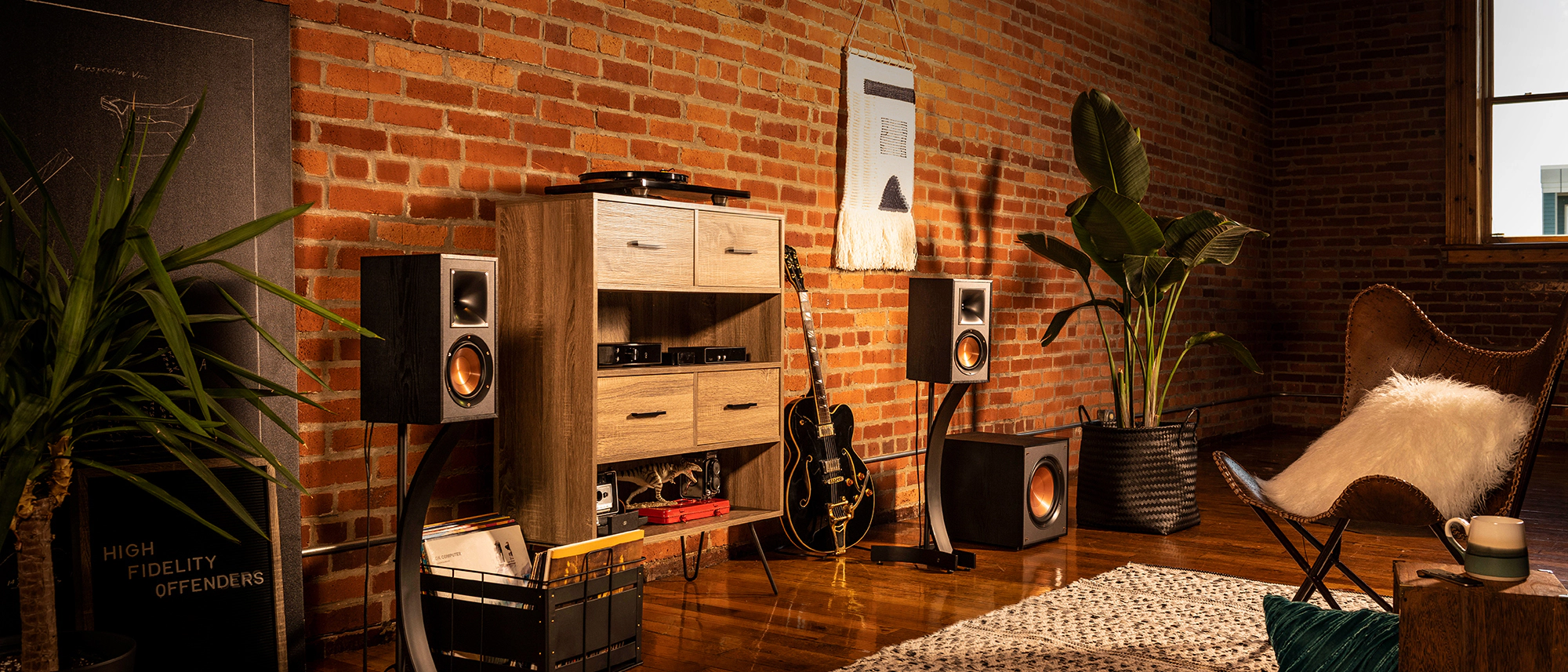
Speaker stands and placement play a key role in getting the best sound from passive bookshelf speakers. Proper stands keep speakers stable and at the right height. Placement affects how sound travels in the room. Both factors change the listening experience greatly.
Choosing The Right Stands
Select stands that match your speaker size and weight. Stands made from sturdy materials prevent unwanted vibrations. Height matters. The tweeter should be near ear level when you sit. Some stands offer adjustable height for better flexibility.
Optimal Speaker Positioning
Place speakers at least a few inches from walls to avoid muffled sound. Angle them slightly towards your listening spot. Keep speakers at equal distances from the side walls for balanced sound. A triangle shape with your listening spot often works well.
Room Acoustics Impact
Hard surfaces reflect sound and cause echoes. Soft furnishings absorb sound and reduce harshness. Carpets, curtains, and cushions help improve sound quality. Moving speakers or adding acoustic panels can reduce unwanted noise reflections.
Additional Accessories
Additional accessories enhance the performance and setup of passive bookshelf speakers. These small items improve sound quality and protect your gear. They also make installation easier and neater. Investing in the right accessories helps you get the best listening experience from your speakers.
Banana Plugs And Connectors
Banana plugs offer a secure and simple way to connect speaker wires. They prevent loose connections that cause sound issues. These plugs fit snugly into speaker terminals. Using them makes plugging and unplugging faster and safer. They also protect the wires from damage over time.
Sound Dampening Pads
Sound dampening pads reduce vibrations and unwanted noise. Placing these pads under speakers stops sound from traveling through surfaces. This leads to clearer and cleaner audio. The pads also protect shelves or stands from scratches. They help speakers perform better in any room.
Cable Management Solutions
Cable management keeps speaker wires organized and out of sight. Using clips, sleeves, or ties prevents tangles and accidents. Neat cables improve room appearance and reduce trip hazards. Good cable management also protects wires from wear and tear. It ensures your setup stays safe and tidy.
Credit: www.klipsch.com
Frequently Asked Questions
What Equipment Is Needed For Passive Bookshelf Speakers?
You need passive bookshelf speakers, a compatible amplifier or receiver, speaker wires, and audio sources. The amplifier powers the speakers, while wires connect them. Ensure the amplifier matches speaker impedance and power requirements for optimal sound quality and safety.
How Do I Connect Passive Bookshelf Speakers?
Connect speaker wires from the amplifier’s speaker terminals to the passive speakers’ terminals. Match positive (+) and negative (-) terminals correctly to avoid phase issues. Secure connections ensure stable sound and prevent signal loss or damage to equipment.
Do Passive Bookshelf Speakers Require An Amplifier?
Yes, passive bookshelf speakers need an external amplifier or receiver for power. Unlike active speakers, they lack built-in amplification. The amplifier drives the speakers by providing the necessary power and audio signals for sound output.
What Speaker Wire Gauge Is Best For Passive Speakers?
Use 16-gauge speaker wire for most passive bookshelf speakers under 50 feet. For longer distances, thicker 14-gauge wire reduces signal loss. Quality wire ensures clear audio and efficient power transfer between amplifier and speakers.
Conclusion
Passive bookshelf speakers need a few key things to work well. You need a good amplifier to power them. Quality speaker wires help connect everything clearly. Placement matters—find a spot with good sound flow. Keep your setup simple and organized.
These steps make your listening experience better. Enjoy clear sound and music anytime you want. Simple gear, right setup, and you’re ready to go.
