Have you ever thought about turning your favorite books into a unique piece of furniture? Imagine creating a bookshelf that’s not just for holding books—but is made entirely out of books themselves.
It’s a creative way to showcase your love for reading and add a personal touch to your space. In this guide, you’ll discover simple steps to build your own bookshelf out of books, even if you’re new to DIY projects.
Ready to transform your collection into something amazing? Keep reading, and let’s get started!
Choosing The Right Books
Choosing the right books is the first step in making a bookshelf out of books. Picking books that fit well together creates a stable and attractive shelf. The right books help the shelf hold weight and look neat.
Selecting Sturdy Hardcovers
Hardcover books work best for building a bookshelf. Their thick covers add strength and support. Softcover books can bend or collapse under weight. Choose books with strong spines to keep shelves from leaning or falling.
Matching Sizes And Colors
Books with similar sizes stack more evenly. This creates a balanced and neat appearance. Colors also matter. Matching or coordinating colors make the shelf look organized. Mixing too many colors can make the shelf look messy or chaotic.
Preparing Books For Assembly
Check each book for damage before use. Remove dust and dirt to keep the shelf clean. Take off any loose pages or paper inserts. This helps the books fit tightly and stay in place. Proper preparation prevents the shelf from shifting or breaking.
Gathering Materials And Tools
Gathering the right materials and tools is the first step in making a bookshelf out of books. Having everything ready saves time and helps the project go smoothly. It also makes the bookshelf strong and safe to use. This section covers the essential tools, adhesives, and extra supplies for stability.
Essential Tools You’ll Need
Start with basic tools like a ruler or measuring tape. These help keep your bookshelf even and balanced. A pencil is useful for marking spots on the books. A utility knife or scissors will help cut materials if needed. A small hammer or mallet can assist in fitting books together tightly. These simple tools make the building process easier.
Adhesives And Fasteners
Choose the right glue to hold the books firmly. White craft glue or hot glue works well for most books. Hot glue dries quickly and sticks strongly to paper and covers. For extra security, use double-sided tape between layers. Avoid heavy glues that might damage the books or take too long to dry. Fasteners like small clamps can hold books in place while glue sets.
Additional Supplies For Stability
Adding stability keeps your bookshelf safe. Use cardboard or thin wooden boards as bases or shelves inside the stack. These materials help distribute weight evenly. Non-slip pads or rubber feet under the bottom book prevent sliding on floors. Corner brackets or small metal braces add support if the bookshelf feels wobbly. These extra supplies make your bookshelf last longer and hold more weight.
Designing Your Bookshelf
Designing your bookshelf from books is a fun and creative process. It lets you use your books in a new way. You can create a shelf that fits your space and style. Think about how you want the bookshelf to look and work. This helps you build a strong and nice shelf.
Simple Stack Designs
Start with easy stack designs. Pile books one on top of another. Make sure the edges line up well. This creates a clean and neat look. Use books of similar sizes for a stable base. You can stack books horizontally or vertically. Simple stacks save space and look good in any room.
Creative Arrangements And Shapes
Try different shapes and patterns with your books. Form squares, rectangles, or even circles. Mix book sizes for a unique look. You can create little cubbies for small items. Arrange books by color or size to add style. These creative shapes make your shelf eye-catching and fun.
Planning For Weight And Balance
Think about weight to keep your shelf steady. Heavy books should go at the bottom. Lighter books work well on top. Balance each stack to avoid tipping. Place the shelf on a flat surface. Check stability before adding more books. Good balance keeps your shelf safe and long-lasting.
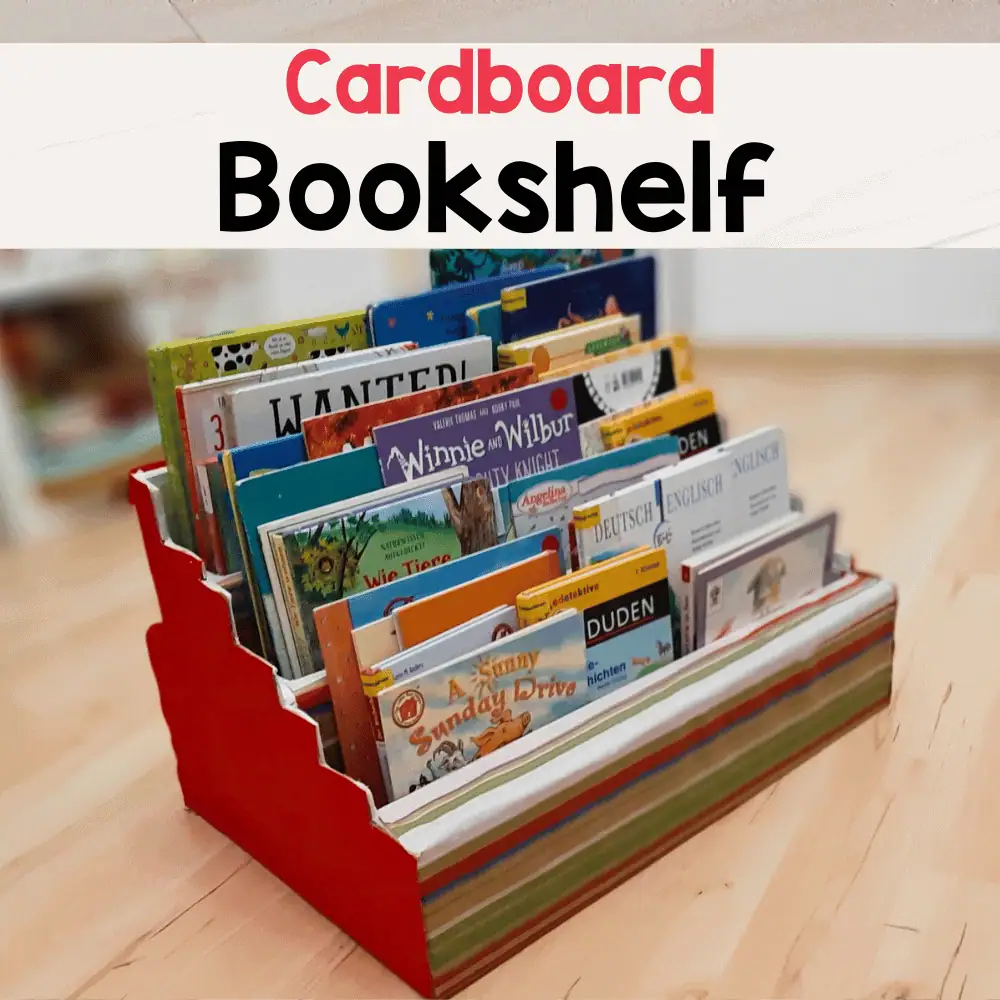
Credit: www.littleladoo.com
Step-by-step Assembly
Building a bookshelf out of books is a creative and fun project. It needs patience and care to make it strong and neat. This step-by-step guide helps you build a sturdy bookshelf using books you already have. Follow each part carefully to get the best result.
Layering And Gluing Books
Start by choosing books of similar size for each layer. Lay them flat and side by side to form a solid base. Apply glue evenly on the top cover of the books before placing the next layer. Press down gently to make sure the books stick well. Wait for the glue to dry before adding more layers. This step creates the basic shape of your bookshelf.
Securing The Structure
Use clamps to hold the books together tightly while the glue sets. This keeps the layers from shifting or falling apart. For extra strength, add a thin wood board along the back of the stack. Attach it with screws or strong adhesive. This support stops the shelf from tipping forward. Check the alignment often to keep the bookshelf straight and even.
Adding Shelves And Supports
Decide how many shelves you want in your bookshelf. Use sturdy boards cut to fit between the book stacks as shelves. Place small wooden blocks or metal brackets under each shelf for extra support. Secure these supports with nails or screws. This step helps your bookshelf hold more weight safely. Now your bookshelf is ready to hold your favorite books or decorations.
Finishing Touches
Finishing touches make your bookshelf look complete and polished. They improve the feel and the look of your creation. Simple steps can turn rough edges into smooth surfaces. Color and decoration add personality. These last steps protect your bookshelf and make it last longer.
Sanding And Smoothing Edges
Use fine sandpaper to smooth rough edges of the books. Sand gently to avoid damaging pages or covers. Smooth edges prevent splinters and give a neat finish. Take your time and check all corners carefully. Wipe dust with a clean cloth after sanding.
Painting Or Sealing
Apply paint or sealant to protect the books from dust and wear. Use water-based paint for easy cleaning and quick drying. Sealant helps keep the books safe from moisture. Choose colors that match your room or keep the natural look. Allow each coat to dry before adding another.
Decorative Enhancements
Add small decorations to personalize your bookshelf. Use stickers, washi tape, or small prints to create patterns. Place tiny plants or figurines on top for extra charm. Keep decorations simple to avoid hiding the book design. These touches make your bookshelf unique and inviting.
Maintenance Tips
Maintaining a bookshelf made of books takes simple care steps. Proper upkeep keeps it sturdy and looking good. Small actions prevent damage and extend its life.
Cleaning Your Bookshelf
Dust gathers quickly on books and surfaces. Use a soft cloth or brush to remove dust gently. Avoid wet cloths that can damage paper or book covers. Clean regularly to keep the shelf neat and fresh.
Checking For Wear And Tear
Look at the bookshelf often for signs of damage. Check for cracks, loose books, or bending. Early spotting stops small problems from growing. This helps keep your bookshelf safe and strong.
Repairing Loose Sections
If parts of the shelf feel loose, tighten them carefully. Use glue or tape designed for paper to fix loose books. Press firmly and let dry fully before adding weight. Repairing quickly keeps the shelf stable and secure.
Creative Variations
Creative variations make your bookshelf stand out. They add style and personality to any room. Using different materials and themes can turn simple bookshelves into art pieces. These ideas inspire you to build unique shelves with books.
Combining Books With Wood Or Metal
Wood and metal provide strong support for book stacks. Use wooden planks as shelves between rows of books. Metal brackets or pipes add a modern, industrial look. This mix creates a sturdy and stylish bookshelf. It blends natural and urban design elements well.
Themed Bookshelf Ideas
Create shelves based on book genres or colors. Arrange books by theme, like travel, mystery, or history. Use decorations that match the theme to enhance the look. For example, small globes for travel books or old maps for history. This makes the bookshelf more fun and personal.
Using Old Books For Unique Effects
Old books add charm and character. Stack them horizontally to form the base or sides. Use their covers as decorative panels. The worn pages and faded colors create a vintage feel. This approach recycles old books into beautiful furniture pieces.
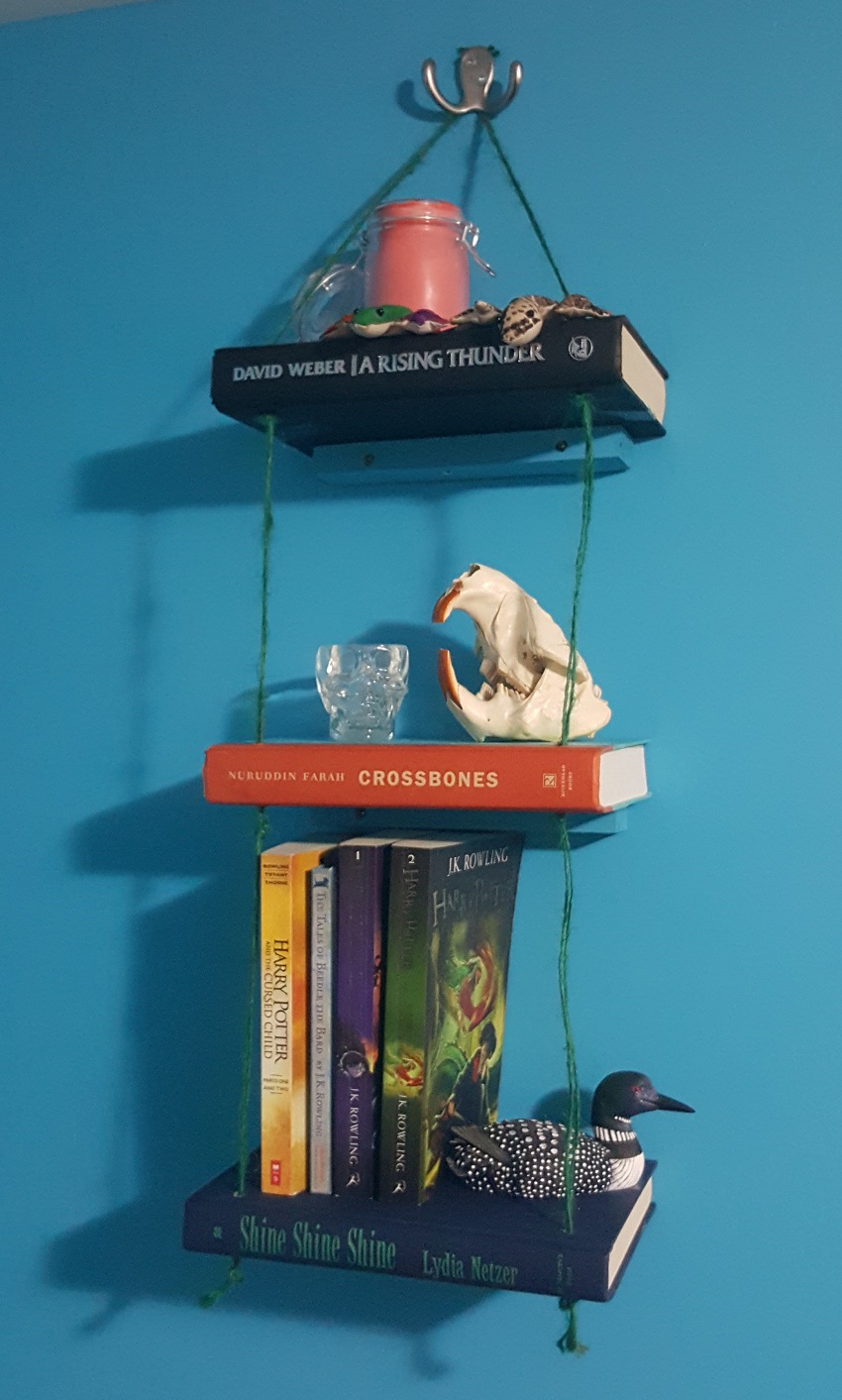
Credit: littlethings.com

Credit: www.remodelaholic.com
Frequently Asked Questions
How Do I Start Making A Bookshelf Out Of Books?
Begin by selecting sturdy, similarly sized books. Arrange them horizontally to form shelves. Use strong adhesive or bookends for support.
What Materials Are Needed For A Book Bookshelf?
You need hardcover books, strong glue or double-sided tape, bookends or brackets, and optionally a protective sealant.
Can I Make A Sturdy Bookshelf Using Only Books?
Yes, with firm hardcover books and proper adhesive, you can create a stable bookshelf for lightweight items.
How To Maintain A Bookshelf Made From Books?
Keep it away from moisture and direct sunlight. Dust regularly and handle carefully to preserve book integrity.
Conclusion
Creating a bookshelf from books can be fun and simple. It saves space and looks unique. You only need a few materials and some patience. This project helps reuse old books in a new way. Try different shapes and sizes for a personal touch.
Enjoy the process and be proud of your work. Your room will look creative and cozy. Give it a try and see how easy it is.