Are you wondering how much your vanity countertop should hang over your cabinet? Getting this detail right can make a big difference in both the look and functionality of your bathroom.
If the overhang is too small, it might feel awkward or cramped. Too large, and it could look bulky or even cause damage over time. You’ll discover the perfect overhang size that balances style and practicality. Keep reading to find the ideal measurements that will make your vanity both beautiful and comfortable to use.
Ideal Overhang Dimensions
Choosing the right vanity counter overhang is important for both style and function. The overhang affects how the cabinet looks and how comfortable it is to use. Proper dimensions help prevent damage and make your bathroom look neat.
Understanding the ideal overhang size helps you plan better. It balances space and usability. Let’s explore the standard sizes and what affects the depth of the overhang.
Standard Overhang Sizes
Most vanity counters extend 1 to 1.5 inches beyond the cabinet. This size offers protection and a clean edge. For thicker countertops, overhangs can go up to 2 inches. These sizes work well in most bathrooms.
Some designs use minimal overhangs under 1 inch for a modern look. Larger overhangs above 2 inches may cause damage if not supported. Standard sizes keep your vanity safe and stylish.
Factors Influencing Overhang Depth
Countertop material affects how far the overhang should extend. Heavy stones like granite need smaller overhangs. Lighter materials like wood allow for larger overhangs.
The shape and style of your vanity also matter. Shaker or traditional styles usually have smaller overhangs. Modern or floating vanities may have wider overhangs for visual appeal.
Finally, consider how you use the vanity. Extra space for sitting or storage might require a deeper overhang. Think about comfort and practicality before deciding.

Credit: www.justneedspaint.com
Material Impact On Overhang
The material of your vanity countertop plays a big role in deciding how far it can safely overhang the cabinet. Different materials have different strengths and weights. Some can extend farther without support. Others need more backing to avoid damage or accidents. Understanding these differences helps you choose the right overhang size for your vanity.
Common Vanity Counter Materials
Popular vanity tops include granite, quartz, marble, laminate, and solid surface. Granite and quartz are heavy and very strong. Marble is also heavy but can scratch or chip more easily. Laminate is light but less durable. Solid surface materials fall in between. Each material offers unique benefits and limits for overhang length.
Strength And Support Considerations
Strong materials like granite can safely extend over 1 to 1.5 inches beyond the cabinet. Lighter materials like laminate often need less than one inch of overhang. Overhangs longer than 1.5 inches usually require extra support brackets. Proper support prevents cracks and keeps the countertop stable. Always match overhang length to the material’s strength and support needs.
Cabinet Design And Overhang
Cabinet design plays a big role in deciding the perfect vanity counter overhang. The overhang is the part of the countertop that extends beyond the cabinet edge. It affects both look and function. A well-planned overhang adds style and extra space. Poor design can cause problems with support and durability.
Understanding cabinet frame types and support options helps in choosing the right overhang size. These factors ensure the countertop stays strong and stable. Let’s explore how cabinet design and overhang work together.
Cabinet Frame Types
There are mainly two cabinet frame types: face-frame and frameless. Face-frame cabinets have a wooden frame around the front. This frame adds strength but limits overhang size. Frameless cabinets lack this frame, allowing more countertop overhang.
Face-frame cabinets usually support about 1 to 1.5 inches of overhang. Frameless cabinets can support 1.5 to 2 inches or more. The choice depends on your design style and how much overhang you want.
Support Options For Overhangs
Support options keep the countertop steady and safe. Brackets, corbels, and legs are common supports. Brackets fit under the overhang to hold weight. Corbels are decorative supports that also add strength.
Legs provide extra support at the edges. The size of the overhang affects which support you need. For overhangs up to 6 inches, brackets or corbels work well. Larger overhangs may require legs or special framing inside the cabinet.
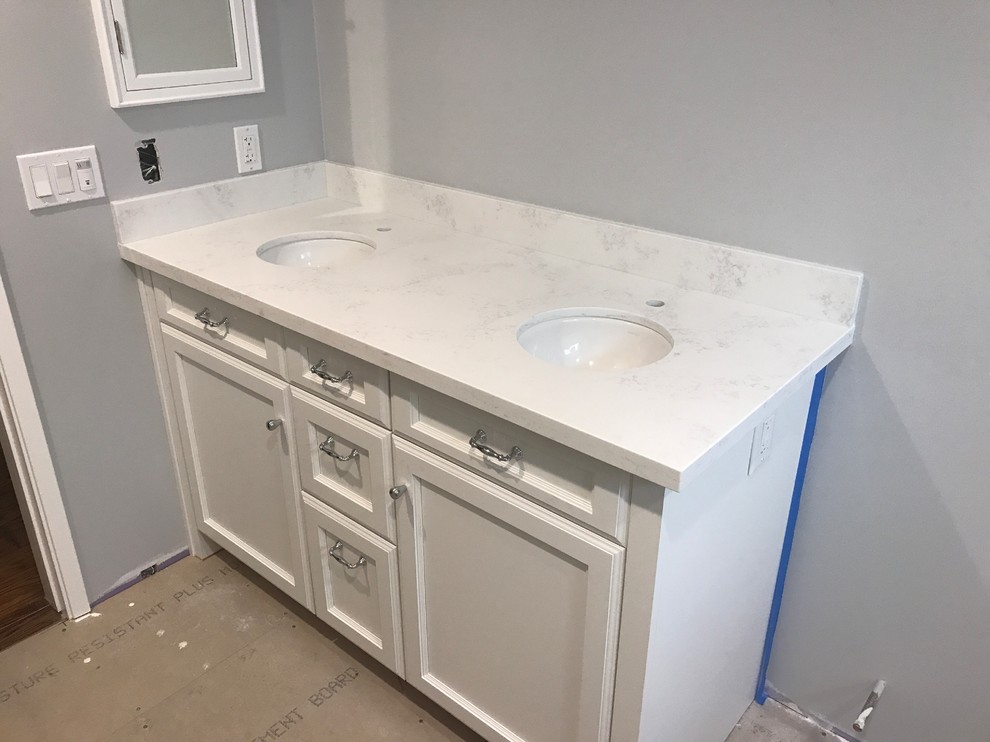
Credit: www.houzz.com
Functionality And Comfort
The functionality and comfort of a vanity counter overhang cabinet play a key role in daily use. It affects how easily you can access your items and how comfortable you feel while using the space. A well-designed overhang balances space, reach, and comfort for all users.
User Accessibility
User accessibility means how easy it is to reach and use the cabinet and counter. The overhang should allow enough space for sitting or standing comfortably. It should not block access to drawers or doors. Proper clearance helps avoid bumps and makes the area more practical. A good overhang fits the needs of different users, including children and adults.
Ergonomic Height And Reach
The height of the vanity counter and the size of the overhang affect comfort. The counter should sit at a height that reduces strain on the back and arms. The overhang depth must allow users to reach items inside cabinets without leaning too far. This setup helps keep good posture and prevents discomfort during use. Ergonomic design makes daily routines easier and more pleasant.
Aesthetic Factors
Aesthetic factors play a big role in deciding the vanity counter overhang size. The overhang affects how the bathroom looks and feels. It can make the space appear balanced and stylish or awkward and cramped. Choosing the right amount of overhang helps create a pleasing visual flow and complements the room’s design.
Visual Balance
Visual balance means how well the counter fits with the cabinet below. Too much overhang can make the vanity look top-heavy. Too little can make it look boxy or plain. A good overhang creates a smooth transition between cabinet and countertop. It helps the vanity look sturdy and well-proportioned. Usually, an overhang of 1 to 1.5 inches works well for most vanities. This size keeps the look clean and balanced without crowding the space.
Style Compatibility
The style of your vanity affects the best overhang size. Modern vanities often have minimal or no overhang. This sharp, clean look matches their sleek design. Traditional styles benefit from a larger overhang. It adds a classic, elegant touch. Floating vanities need a slight overhang to avoid a heavy appearance. Matching the overhang to the vanity style keeps the bathroom looking unified. It makes the whole design feel intentional and attractive.
Installation Tips
Installing a vanity counter overhang needs careful attention to detail. Proper installation ensures safety and a good look. Follow these tips for a smooth process.
Measuring And Planning
Start by measuring the cabinet width accurately. Mark the desired overhang on the countertop. Typical overhangs range from 1 to 1.5 inches. Plan the space so the counter does not stick out too far. Check the room layout for enough walking space. Measure twice to avoid mistakes.
Securing The Overhang Properly
Use strong brackets or supports under the countertop. Attach them firmly to the cabinet frame. Make sure the supports hold the weight of the overhang. Use screws that fit the material well. Check for level and adjust before final tightening. Secure installation prevents sagging and damage.
Common Mistakes To Avoid
Choosing the right vanity counter overhang is important for both style and function. Many people make mistakes that affect the look and safety of their bathroom counters. Avoiding these common errors helps create a balanced and sturdy vanity.
Overhangs That Are Too Large Or Small
Too large an overhang looks awkward and can be unsafe. It may cause the countertop to tip or crack. Too small an overhang, on the other hand, can make the space feel cramped. It also limits legroom for sitting at the vanity. Aim for an overhang size that matches the cabinet and room size. This balance improves comfort and appearance.
Ignoring Structural Support
Vanity counters need proper support under the overhang. Without it, the countertop may sag or break. Support brackets or corbels work well to hold the weight. Always check that the cabinets and supports can handle the countertop material’s weight. Strong structure means a longer-lasting vanity and safer use.
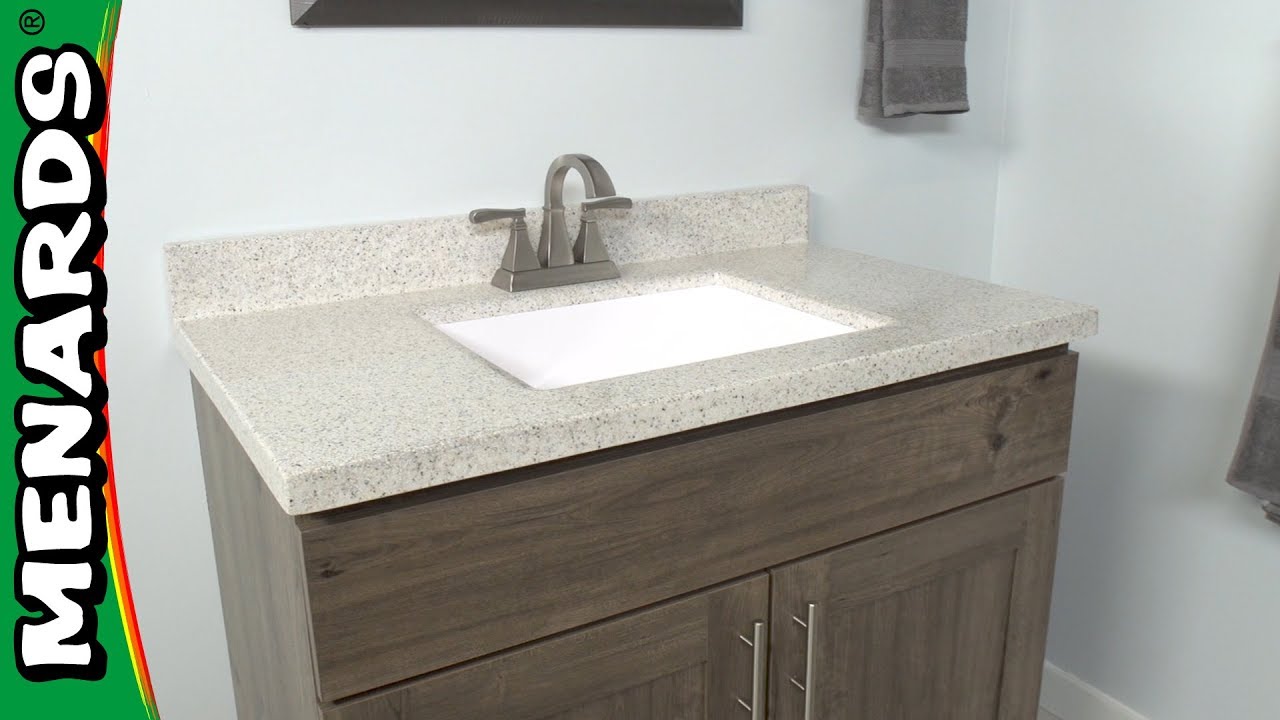
Credit: www.youtube.com
Frequently Asked Questions
What Is The Ideal Vanity Counter Overhang Size?
The ideal vanity counter overhang is typically 1 to 1. 5 inches. This size protects cabinets from water damage and provides a clean look. Overhangs larger than 1. 5 inches may cause instability or interfere with cabinet doors. Proper measurement ensures both function and aesthetics.
Why Does Vanity Counter Overhang Matter?
Vanity counter overhang protects cabinets from water spills and damage. It also enhances the bathroom’s visual appeal. A correct overhang allows for comfortable use without obstructing cabinet doors. Proper overhang balances durability with style, improving overall bathroom functionality.
How Much Overhang Fits Standard Bathroom Cabinets?
Standard bathroom cabinets usually accommodate a 1-inch overhang. This size prevents water damage while maintaining cabinet space. Overhangs beyond 1. 5 inches may cause clearance issues. Always measure your cabinet depth before deciding on overhang length.
Can Vanity Counter Overhang Be Customized?
Yes, vanity counter overhang can be customized. Homeowners can choose overhangs between 1 to 2 inches based on style and space. Customization allows better fit and enhances bathroom aesthetics. Consult a professional for precise measurements and installation.
Conclusion
Choosing the right vanity counter overhang keeps your bathroom practical and stylish. A 1 to 1. 5-inch overhang usually fits most cabinets well. It helps protect the cabinet edges from water damage. Too much overhang can make the counter look bulky.
Too little may cause water to drip on the cabinet. Measure carefully and consider your bathroom size and style. This small detail makes a big difference in your space. Keep it simple, functional, and neat for the best results.