Have you ever wondered how much sound dampening really matters in your bookshelf speakers? Whether you’re setting up a cozy listening corner or upgrading your home audio, understanding sound dampening can make a huge difference in the quality you hear.
You might think it’s just about the speaker’s size or design, but the way sound is controlled inside your speaker plays a big role in delivering clear, rich audio. Stick with me, and you’ll discover simple ways to improve your listening experience by mastering the right amount of sound dampening for your bookshelf speakers.
Ready to hear every note like never before? Let’s dive in.
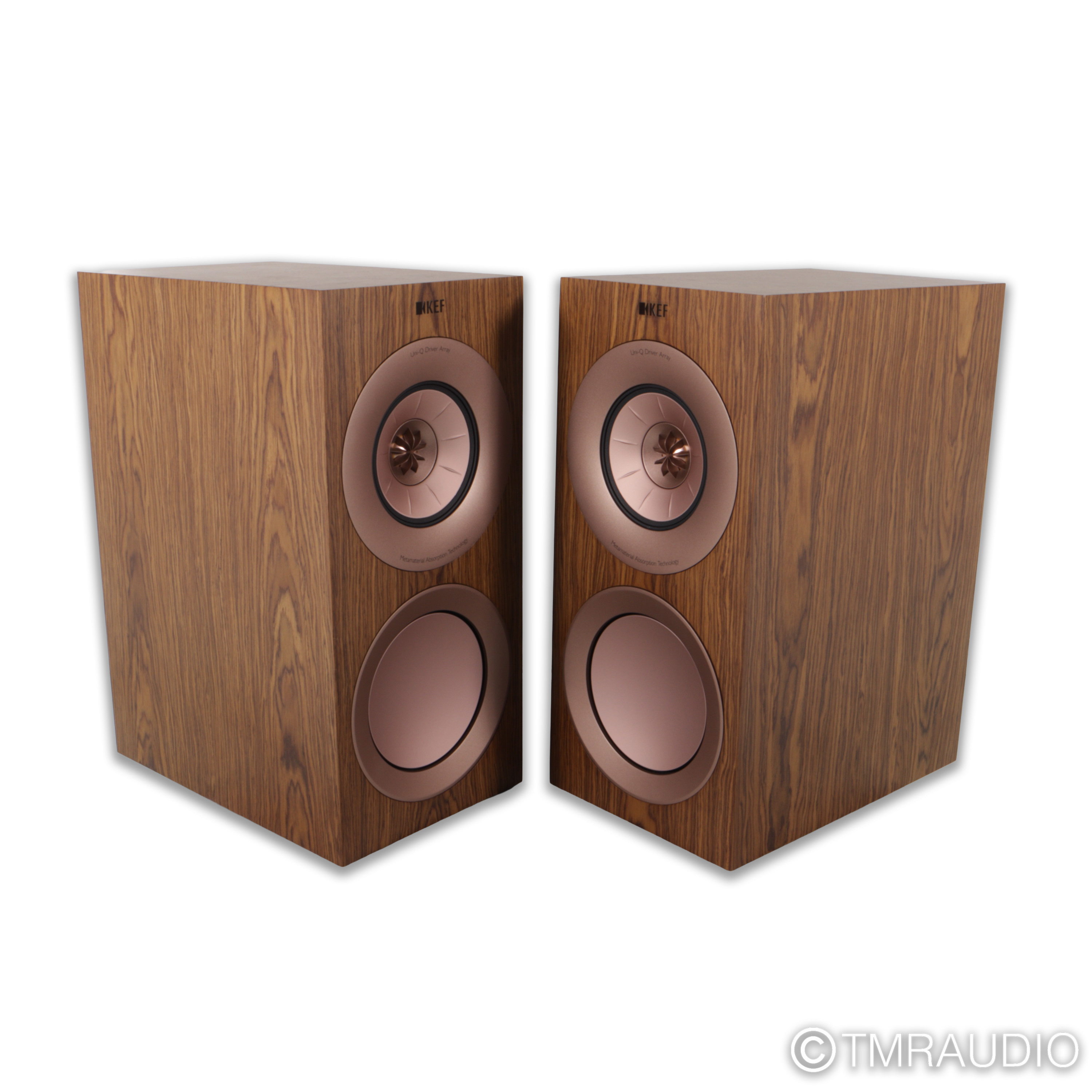
Credit: tmraudio.com
Benefits Of Sound Dampening
Sound dampening in a bookshelf speaker makes a big difference. It helps create better audio by controlling unwanted sounds inside the speaker. This improves how music and voices come out, making listening more enjoyable.
Using the right amount of sound dampening brings many benefits. It controls vibrations, clears the sound, and stops annoying echoes. These effects work together to give a richer and cleaner sound experience.
Reducing Vibrations
Vibrations inside a speaker can blur the sound. Sound dampening materials absorb these vibrations. This stops the speaker walls from shaking too much. The result is tighter and more precise audio output.
Improving Sound Clarity
Clear sound means you hear every detail. Sound dampening cuts down on background noise inside the speaker. This makes the main sound stand out. Voices and instruments become sharper and easier to understand.
Minimizing Resonance
Resonance causes unwanted echoes and ringing sounds. Dampening helps absorb these echoes. It stops the speaker from adding extra noise. The sound stays true to the original recording without distortion.
Materials For Dampening
Finding the right amount of sound dampening in a bookshelf speaker is key to clear sound. Too little dampening lets unwanted echoes ruin the music. Too much can make the sound flat and dull. The goal is to get a balance that improves sound without losing energy.
Avoiding Overdamping
Adding too much dampening material inside the speaker box can hurt sound quality. It can block important sound waves and reduce bass response. Overdamping makes music sound lifeless and weak. Use only enough material to stop strong echoes and vibrations.
Balancing Absorption And Reflection
Good sound comes from a mix of absorbing and reflecting waves inside the speaker. Some sound waves should bounce back to keep richness and fullness. Other waves should be absorbed to prevent muddiness. The right balance keeps the music clear and lively.
Optimal Amount Of Dampening
Proper placement and installation improve sound dampening in bookshelf speakers. Small changes inside the speaker box can reduce unwanted noise. Good installation helps the speaker perform better and last longer.
Positioning Inside The Enclosure
Place the sound dampening material close to the speaker drivers. Avoid blocking the speaker cones or ports. Arrange the material evenly to absorb sound waves inside the box. Use soft foam or fiberglass for better sound absorption. Keep the material away from moving parts to prevent damage.
Sealing Gaps And Joints
Check all edges and corners inside the enclosure. Seal any gaps or cracks with acoustic sealant or silicone. Even small gaps allow sound leaks that reduce dampening. Tight joints help keep vibrations from escaping. Use weather stripping around the speaker frame for extra sealing.

Credit: www.amazon.com
Placement And Installation Tips
Sound dampening in bookshelf speakers improves audio quality by reducing unwanted vibrations and echoes. Many people make simple mistakes that can hurt sound performance. Avoiding these errors helps get clear, balanced sound from your speakers.
Using Too Much Material
Adding sound dampening material is good, but too much causes problems. Overstuffing the speaker can block sound waves and reduce bass response. It also traps heat, which may harm speaker parts. Use only the amount recommended by the speaker maker. Balance is key.
Ignoring Speaker Design
Every speaker has a unique design for sound flow. Ignoring this can lead to poor sound quality. Some designs need less dampening, others need more. Study your speaker’s manual or specifications. Match the dampening material to the design for the best results.
Common Mistakes To Avoid
Testing and adjusting sound dampening in a bookshelf speaker ensures the best audio quality. You can find the right balance by trying different materials and amounts of dampening inside the speaker cabinet. This process helps reduce unwanted echoes and vibrations that affect sound clarity.
Start with small changes and listen carefully. Adjust the dampening until the sound feels natural and clear. This method helps you hear the true effect of each adjustment on your speaker’s performance.
Listening Tests
Use your ears to judge the speaker’s sound quality. Play different types of music or sounds with various frequencies. Notice if the bass is tight or too boomy. Check if the mids and highs are clear or muffled.
Listen in a quiet room and focus on details. Change the dampening material or amount, then listen again. This helps you understand how each change affects the sound. Trust your hearing to find the best dampening level.
Measuring Frequency Response
Use a microphone and software to measure the speaker’s frequency response. This shows how well the speaker plays low, mid, and high sounds. Look for flat or smooth curves, which mean balanced sound.
Compare measurements before and after adding dampening. Notice any dips or peaks in the response. Adjust the dampening to reduce unwanted peaks or dips. This method gives you clear data to guide your adjustments.
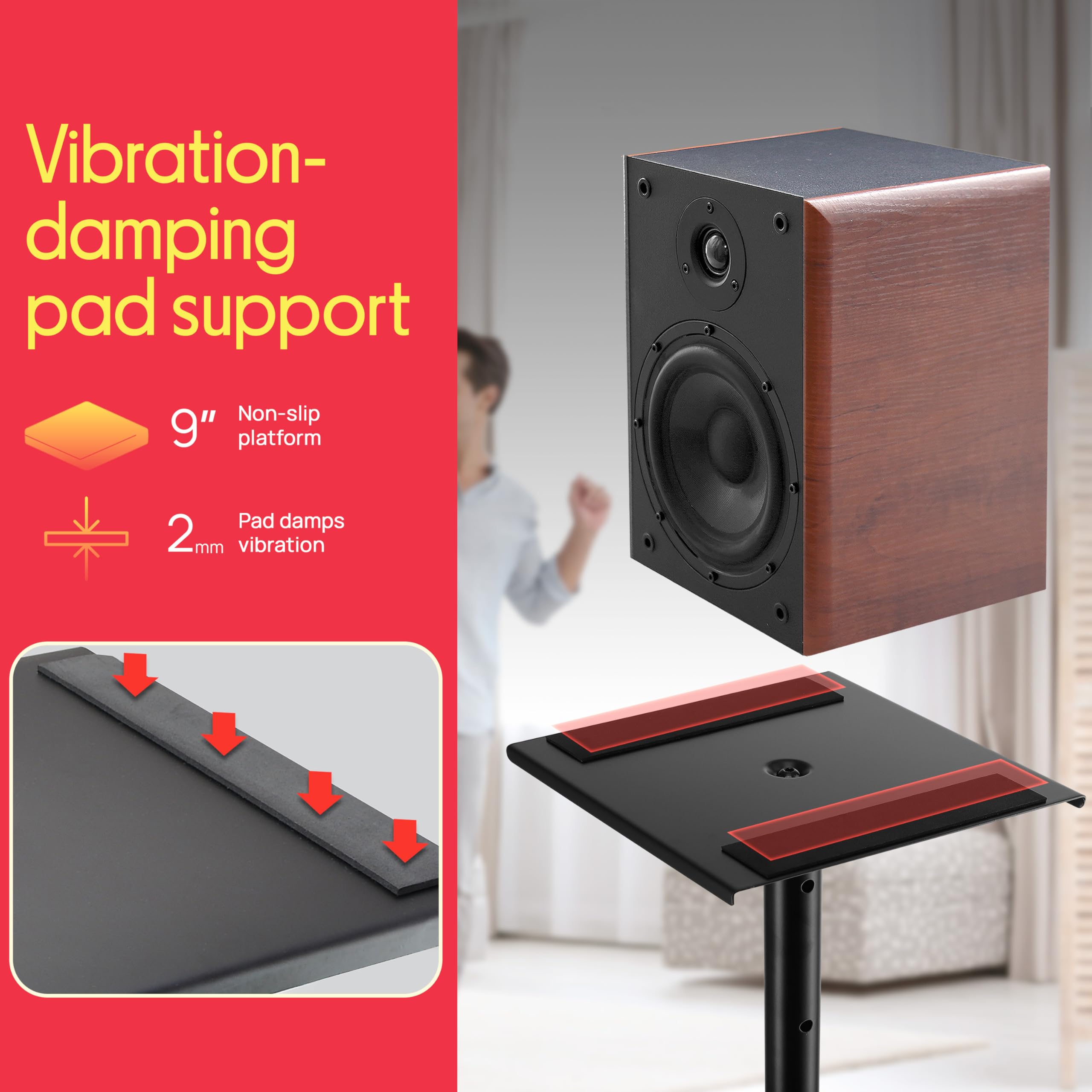
Credit: www.amazon.com
Frequently Asked Questions
How Much Sound Dampening Is Needed In A Bookshelf Speaker?
The ideal sound dampening depends on the speaker size and room acoustics. Typically, 20-30% internal volume filled with damping material reduces unwanted resonance effectively.
Does Sound Dampening Improve Bookshelf Speaker Bass Quality?
Yes, sound dampening reduces internal vibrations and standing waves. This leads to tighter, clearer bass response and overall improved sound accuracy in bookshelf speakers.
What Materials Work Best For Sound Dampening Inside Speakers?
Acoustic foam, polyester fiberfill, and fiberglass are popular. These materials absorb sound waves well without affecting speaker performance or airflow inside the enclosure.
Can Too Much Sound Dampening Harm Speaker Performance?
Excessive damping can reduce speaker efficiency by absorbing too much sound energy. Balance is key—enough to reduce resonance but not to stifle sound output.
Conclusion
Sound dampening in bookshelf speakers improves sound quality clearly. It reduces unwanted noise and echoes inside the speaker box. Adding the right amount of damping material helps bass sound tighter and clearer. Too little dampening can cause harsh or boomy sounds.
Too much can make the sound dull or muffled. Experiment with different materials and amounts for the best result. Good sound dampening makes your music more enjoyable. Small changes inside the speaker can make a big difference. Keep it balanced and listen carefully to find what works best.