Are you planning to add a cabinet in front of your bookshelf but unsure how much space you need to leave? Getting this right is crucial.
Too little space, and you’ll struggle to open the cabinet doors fully. Too much space, and you waste valuable room in your home. You’ll discover the perfect amount of clearance to keep things both functional and stylish. Keep reading to make sure your setup feels just right every time you reach for a book or open a cabinet door.

Credit: eurekaergonomic.com
Recommended Clearance For Cabinet Doors
Choosing the right clearance in front of your bookshelf cabinet is essential. Proper space allows cabinet doors to open fully without hitting obstacles. It also helps maintain smooth movement and keeps the area safe. Understanding the recommended clearance makes room planning easier and more efficient.
Standard Door Swing Space
Most cabinet doors need about 20 to 30 inches of space to open fully. This space includes the door swing and enough room to move comfortably. It prevents the door from bumping into furniture or walls. Planning for this clearance helps avoid damage and keeps the space functional.
Sliding Vs. Hinged Doors
Sliding doors require less front clearance than hinged doors. They slide sideways and do not need space to swing open. Hinged doors need clear space in front to open wide. Choosing sliding doors saves space in narrow rooms or tight areas.
Adjusting For Door Size
Larger doors need more clearance to open safely. Small doors might need less space, but always allow enough room to avoid hitting objects. Measure your door size before deciding on clearance. This step ensures doors open smoothly and safely every time.
Factors Affecting Space Requirements
Space in front of a bookshelf to open a cabinet depends on several key factors. These factors affect how much room you need for easy use. Knowing them helps plan your space well. It also avoids trouble with doors hitting shelves or walls. Let’s explore the main points that influence space requirements.
Cabinet Depth And Design
The cabinet’s depth directly affects how far its doors open. Deeper cabinets need more clearance. Some cabinet doors swing wide, needing extra space. Sliding or bi-fold doors require less front space. The door handle type can add to the needed room. Design choices impact how much space you reserve.
Bookshelf Dimensions
Bookshelves vary in width, height, and depth. A wide bookshelf next to a cabinet limits space for door swings. Tall shelves may block door paths if placed too close. Deep shelves reduce the gap between the cabinet and bookshelf. Measure both pieces carefully for proper clearance.
Room Layout Considerations
The overall room size affects space planning. Narrow rooms need more precise measurements. Furniture arrangement can limit cabinet door movement. Pathways in the room should stay clear for easy access. Leave enough space to move comfortably around the cabinet and bookshelf.
Measuring Space Accurately
Measuring space accurately in front of a bookshelf is important. It helps ensure the cabinet door opens fully without hitting anything. This avoids damage and keeps your room functional.
Taking precise measurements saves time and effort. It also prevents costly mistakes when buying or installing furniture.
Tools Needed For Measurement
Use a tape measure or a laser distance measurer for best results. A pencil and paper help record numbers. A level can check if the floor is even. These tools make measuring easier and more reliable.
Step-by-step Measurement Guide
Start by measuring the depth of the bookshelf. Next, measure the width of the cabinet door. Then, measure the space available in front of the bookshelf. Check the clearance needed for the door to open fully. Add extra space for easy movement. Write down each measurement clearly.
Common Mistakes To Avoid
Do not guess measurements. Avoid measuring only once. Don’t forget to include door handles or knobs. Check for obstacles like furniture or walls nearby. Avoid rounding numbers too much. Double-check all measurements before buying or installing.

Credit: reperch.com
Optimizing Space In Tight Areas
Optimizing space in tight areas requires smart planning. Small rooms and narrow spaces need careful choices for furniture and storage. Bookshelves and cabinets often share limited space. Knowing how much space to leave in front of a bookshelf to open a cabinet can save hassle.
Using the right cabinet design and door type can improve movement. Proper furniture placement keeps the room open and easy to use. Small changes can make a big difference in cramped areas.
Compact Cabinet Options
Choose cabinets with shallow depth to fit narrow spaces. Slim cabinets hold items without crowding the room. Corner cabinets use unused spaces well. Look for tall, thin cabinets to save floor space. These options allow enough room to open doors comfortably.
Alternative Door Mechanisms
Sliding doors need less space than swinging ones. They slide sideways instead of opening outward. Bi-fold doors fold in sections to reduce clearance needs. Pocket doors hide inside walls when open. These doors help in tight spots, letting you use space more fully.
Furniture Placement Tips
Keep at least 24 inches of clear space for cabinet doors. Avoid placing chairs or tables too close to cabinets. Arrange furniture to allow easy access to bookshelves and cabinets. Use rugs or floor markers to define walking paths. Clear spaces prevent bumping and make rooms feel larger.
Safety And Accessibility Tips
Creating enough space in front of your bookshelf to open a cabinet safely matters a lot. It helps you avoid accidents and makes the area easy to use. Planning this space well keeps your furniture safe and accessible for everyone.
Ensuring Easy Access
Leave enough room for the cabinet door to open fully. A space of at least 24 inches works well for most cabinets. This gap lets you reach items inside without trouble. Clear the area in front to avoid blocking the door. Keep the floor free from rugs or objects that could trip you. Good lighting helps you see clearly when using the cabinet.
Preventing Damage To Bookshelf And Cabinet
Open cabinet doors gently to protect hinges and shelves. Avoid pushing the door too hard against the bookshelf. Use soft bumpers on the door edges to prevent scratches. Check the space regularly for any signs of wear or damage. Arrange furniture so the cabinet door does not hit the bookshelf. This careful setup extends the life of your furniture.
Child Safety Considerations
Keep sharp or heavy items out of children’s reach. Use childproof locks on cabinets if needed. Ensure the cabinet door does not swing open suddenly. Teach children to open and close doors gently. Place the bookshelf and cabinet in a stable position to avoid tipping. These steps help create a safer space for kids.
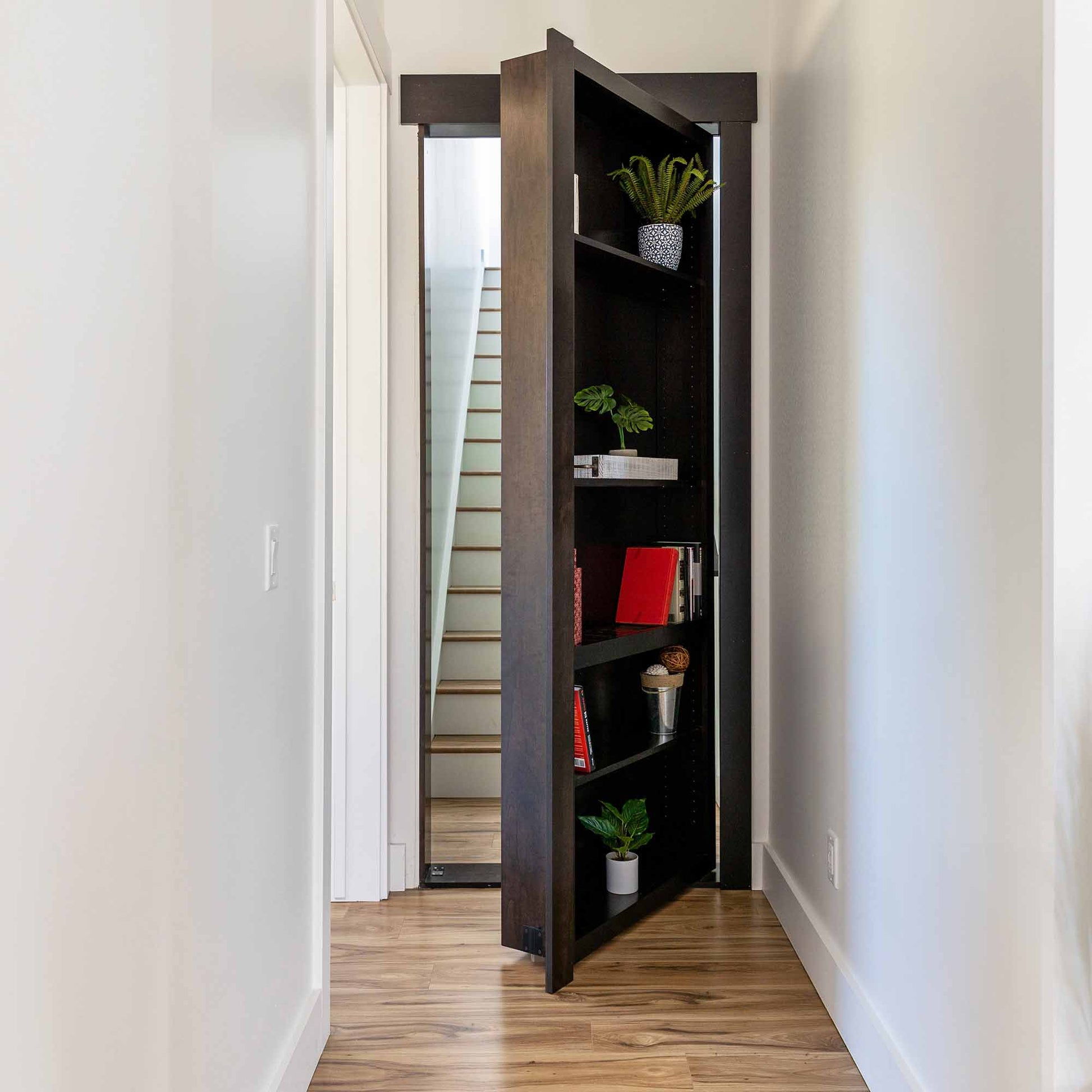
Credit: murphydoor.com
Frequently Asked Questions
How Much Space Is Needed To Open A Cabinet In Front Of A Bookshelf?
You need at least 24 to 30 inches of space to fully open a cabinet door. This clearance ensures easy access without hitting the bookshelf. Adequate space prevents damage and allows comfortable movement in the area.
What Is The Ideal Clearance Between Bookshelf And Cabinet?
An ideal clearance of 30 inches provides enough room to open cabinet doors fully. This space helps avoid obstruction and creates a comfortable walking path. It also protects both furniture pieces from wear and tear.
Can Limited Space Affect Cabinet Door Functionality?
Yes, limited space can restrict cabinet door movement. Insufficient clearance may cause doors to hit the bookshelf or walls. This can lead to damage and inconvenience while accessing cabinet contents.
How To Measure Space For Cabinet In Front Of Bookshelf?
Measure the cabinet door width plus the required clearance, typically 24-30 inches. Ensure there’s enough room for door swing and user movement. Accurate measuring helps avoid installation issues and improves usability.
Conclusion
Allow enough space to open your cabinet doors fully and easily. Measure carefully to avoid blocking walkways or causing discomfort. Keep at least 24 inches in front of the bookshelf for smooth access. This simple step helps maintain a neat and functional room.
Proper spacing makes your furniture more useful and your space safer. Plan well to enjoy both style and comfort in your home.
