Do you have more books than space to keep them? Not having a bookshelf doesn’t mean your books have to be scattered or piled up in a mess.
Imagine finding your favorite book quickly and having your space look neat at the same time. You’ll discover simple and clever ways to organize your books without needing a traditional bookshelf. Ready to turn your clutter into calm? Keep reading and transform how you store your books today.
Stacking Books Creatively
Stacking books creatively offers a smart way to organize without a traditional bookshelf. It saves space and adds a personal touch to your room. You can arrange books in many styles that suit your space and taste. This method brings order and charm to any corner of your home. Simple stacks can become a design feature, not just storage.
Vertical And Horizontal Stacks
Stack books vertically to mimic a shelf look. This style makes it easy to see titles and pull out books. Horizontal stacks create layers that feel cozy and casual. Mix both directions for a dynamic display. Keep taller books in vertical stacks for stability. Use horizontal piles for smaller books or magazines. This balance helps keep stacks neat and accessible.
Using Book Piles As Furniture
Turn book piles into useful furniture pieces. A sturdy stack can serve as a side table or nightstand. Place a tray or board on top for stability. Book piles can hold lamps, plants, or cups. This idea saves money and space at once. Make sure stacks are stable and not too tall. Use heavy books at the bottom to support weight.
Color-coded Arrangements
Arrange books by color for a vibrant look. This method turns your collection into wall art. Group books in rainbow order or by shades of one color. It brightens dull spaces and feels organized. Color-coding helps find books faster by visual memory. Keep colors balanced for a pleasing effect. Use this style in living rooms or creative spaces.
Credit: actividadesproeduco.es
Utilizing Wall Space
Using wall space is a smart way to organize books without a traditional bookshelf. It saves floor space and adds a decorative touch. Walls offer many options for storing and showing off your book collection.
Choosing the right wall storage keeps books easy to reach. It also protects them from damage. Here are some simple ideas for using wall space effectively.
Floating Shelves
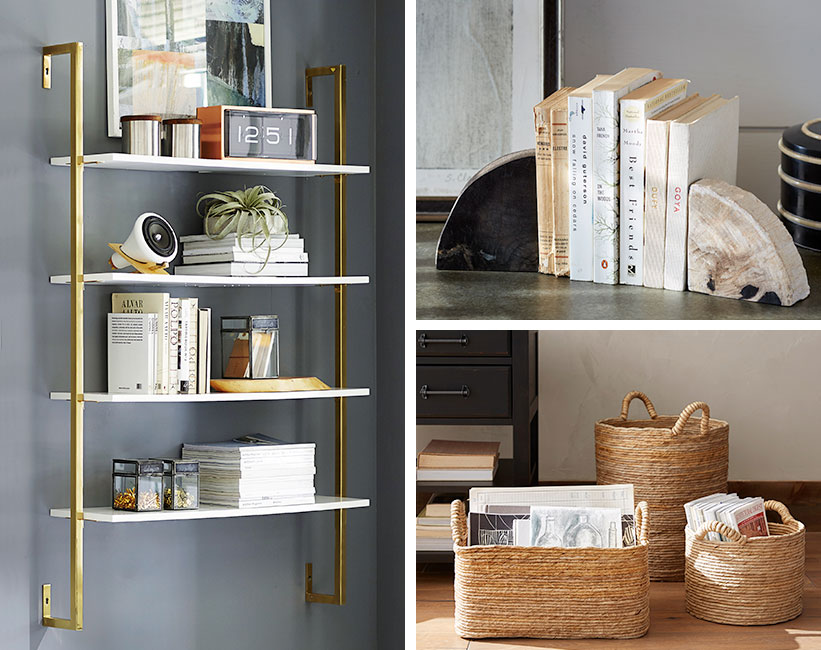
Floating shelves are slim and modern. They attach directly to the wall without visible brackets. This creates a clean look.
You can install them at any height. They hold books and small items neatly. Group shelves in rows or stagger them for style.
Floating shelves are easy to clean and move. They work well in any room and fit small spaces.
Wall-mounted Book Holders
Wall-mounted book holders keep books upright and visible. They often have a slanted design to hold books securely.
These holders save space and make books easy to grab. Mount them beside your desk or near your reading chair.
Book holders come in many materials like wood, metal, or plastic. Choose one that matches your room’s style.
Hanging Book Racks
Hanging book racks use ropes or cords to hang pockets or shelves. They add a casual, cozy look to any wall.
This option fits small spaces and corners. Hang them near your bed or in a reading nook.
Hanging racks are light and easy to move. They keep books organized and add charm to your space.
Repurposing Household Items
Organizing books without a bookshelf can be simple and creative. Household items often serve as great alternatives. These items add style and function to your space. Using what you already have saves money and reduces clutter. Here are some easy ways to repurpose common household items for your books.
Using Baskets And Crates
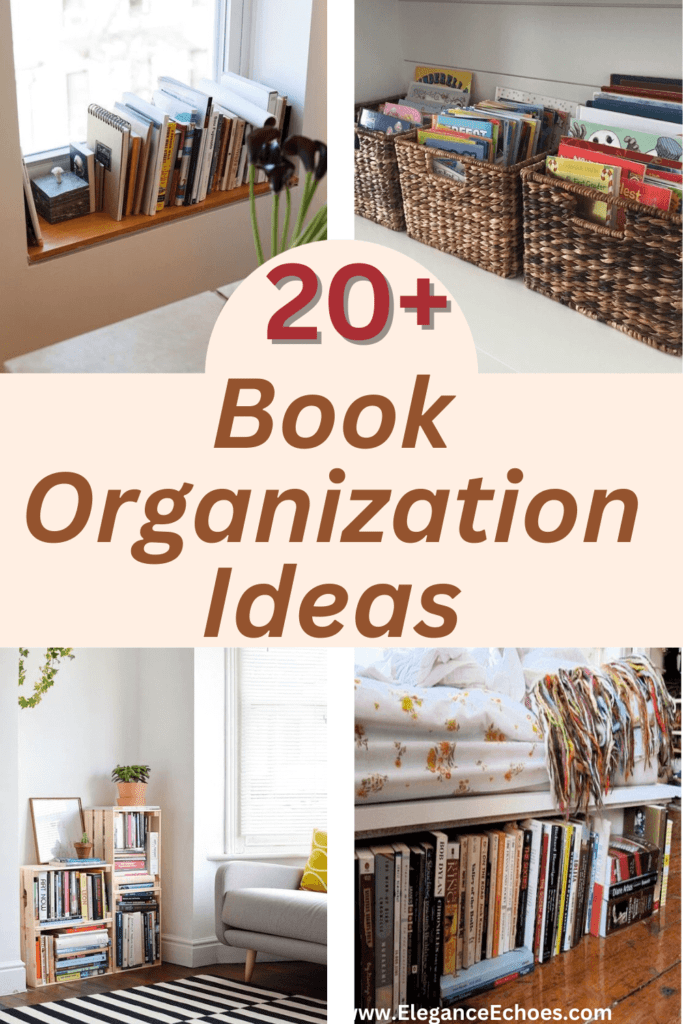
Baskets and crates hold books neatly and look good. Place them on the floor or stack them for more space. They work well in living rooms and bedrooms. Choose baskets with handles for easy moving. Wooden crates give a rustic, cozy feel. Line crates with fabric for a softer look. This method keeps books accessible and organized.
Old Ladders As Book Displays
Old ladders make unique book displays. Lean a ladder against a wall and place books on its steps. Use the top steps for small books or décor items. Paint the ladder to match your room’s colors. This idea adds height and visual interest. It’s perfect for small spaces with limited floor area.
Suitcases And Boxes
Suitcases and boxes store books while adding charm. Use vintage suitcases as book holders on tables or floors. Stack boxes to create a custom book nook. Label boxes to find books quickly. This method keeps books out of sight but easy to reach. It’s great for those who want a tidy look.
Underutilized Spaces
Finding space for books can be tough without a bookshelf. Many homes have spots that people forget about. These underutilized spaces offer great places to store books. Using them keeps your room tidy and your books safe.
Under Bed Storage
The space under your bed is often empty. Use shallow boxes or rolling bins to hold books there. This keeps books out of sight but easy to reach. Choose containers with lids to protect books from dust. It’s a smart way to use a hidden spot.
Behind Doors
The back of doors is a narrow space usually ignored. Hanging organizers with pockets or small shelves fit well here. Store smaller or lightweight books in these pockets. This method saves floor and shelf space. It is perfect for kids’ rooms or offices.
Staircase Niches
Many staircases have empty spaces or niches beside them. These spots can hold built-in shelves or small bookcases. Use these niches for your favorite or most-used books. It adds charm and makes use of an awkward area. Books stay organized without crowding other rooms.
Portable Book Storage
Portable book storage offers a flexible way to keep books organized without a traditional bookshelf. It helps save space and keeps books easy to move. This method works well in small rooms or temporary spaces. Portable options also allow quick access to your favorite reads.
Rolling Carts
Rolling carts provide a mobile solution for book storage. You can push them around to different rooms or corners. These carts often have multiple shelves, fitting many books. Their compact size fits well in small spaces. Choose carts with sturdy wheels for smooth movement.
Book Totes And Bags
Book totes and bags make carrying books simple. They protect books and keep them together. Use canvas totes or sturdy bags for durability. These are great for trips or moving books short distances. Label bags for easy sorting and finding books later.
Stackable Book Trays
Stackable book trays save floor space by stacking vertically. They keep books visible and organized. Choose trays made of plastic or wood for strength. These trays work well on desks or tables. Stack only as high as stable to avoid tipping.
Decorative Book Arrangements
Decorative book arrangements turn your books into eye-catching displays. They help you organize without needing a traditional bookshelf. These arrangements make your space cozy and stylish. Books become part of your room’s decor, adding personality and charm.
Books As Art Pieces
Books can act like art on your walls or tables. Arrange them by color or size to create patterns. Stack them horizontally or stand them vertically for variety. Use book covers with interesting designs to catch attention. This way, books become a creative focal point in any room.
Incorporating Plants And Decor
Mixing books with plants and small decor creates a fresh look. Place a small plant between stacks of books on a table. Use candles or decorative items to add texture and depth. This combination brings life and warmth to your space. It also breaks the monotony of plain book piles.
Creating Book Corners
Designate a cozy corner for your books and reading spot. Use cushions or a small chair to make it inviting. Stack books neatly on the floor or on small crates. Add a lamp for soft lighting and comfort. A book corner turns any small space into a relaxing retreat.
Maintaining Book Organization
Keeping your books organized without a bookshelf takes some effort. It means creating habits that help your collection stay tidy. Consistency is key. Small, regular actions make a big difference over time. This section explains how to maintain book organization with easy steps anyone can follow.
Regular Decluttering
Set a time each month to check your books. Remove ones you no longer read or want. This frees up space and keeps your collection fresh. Decluttering stops piles from growing out of control. It also makes your book area look neat and inviting.
Categorizing Books
Group your books by type or topic. You can sort by genre, author, or color. This makes finding books faster and easier. Categories help keep similar books together. It also gives your space a clean, organized look without a shelf.
Labeling Systems
Use simple labels to mark your book groups. Sticky notes, tags, or small cards work well. Labels guide you and others to the right book quickly. They reduce the time spent searching. Clear labels make your system user-friendly and stress-free.
Credit: www.potterybarn.com

Credit: organisemyhouse.com
Frequently Asked Questions
How Can I Store Books Without A Traditional Bookshelf?
Use creative spaces like under beds, wall-mounted racks, or decorative baskets to store books. Repurpose furniture like crates or stools for easy organization.
What Are The Best Alternative Book Storage Ideas?
Try floating shelves, bookends on tables, or stack books in neat piles. Use vertical space efficiently with hanging organizers or pegboards.
How To Keep Books Organized Without Shelves?
Sort books by genre, size, or color. Label storage containers or stacks to find books quickly and maintain an organized look.
Can I Use Furniture To Organize Books Without Shelves?
Yes, use coffee tables with storage, ottomans with compartments, or empty drawers. These options provide hidden storage while keeping books accessible.
Conclusion
Organizing books without a bookshelf can be simple and fun. Use boxes, baskets, or wall hooks to save space. Stack books neatly on tables or under beds. This keeps your room tidy and your books easy to find. Try different ideas to see what works best for you.
Small changes can make a big difference. Keep your favorite books close and enjoy your reading space every day.