Are you thinking about getting a bunk bed but wondering how much weight the bottom bunk can safely hold? Whether it’s for your kids, guests, or even yourself, knowing the weight limit is crucial for safety and comfort.
You don’t want to guess or take risks when it comes to support and durability. You’ll discover exactly what factors affect the bottom bunk’s weight capacity and how to choose the right one for your needs. Keep reading to make sure your bunk bed is both strong and safe.

Credit: picketandrail.com
Weight Limits For Bottom Bunk Beds
Knowing the weight limits for bottom bunk beds is important for safety and comfort. Each bed has a maximum weight it can hold. Staying within this limit helps prevent accidents and damage.
Weight limits vary by design, materials, and construction. Understanding these limits helps you choose the right bunk bed for your needs. It also keeps the bed stable and durable over time.
Standard Weight Capacities
Most bottom bunk beds hold between 150 and 250 pounds. Some models support up to 300 pounds or more. Metal frames usually support higher weights than wooden ones. Kids’ bunk beds often have lower weight limits than adult models. Always check the manufacturer’s instructions for exact numbers.
Factors Affecting Weight Limits
Material quality affects how much weight a bed can hold. Solid wood and metal frames offer better support. The thickness of slats under the mattress also matters. Stronger slats increase the bed’s capacity. Bed design, like extra support beams, adds strength. Age and wear can reduce weight limits over time. Regular checks help ensure the bed remains safe.
Materials And Construction Impact
The materials and construction of a bottom bunk bed greatly affect its weight capacity. Strong materials and smart design make a bed safer and more reliable. Different frames offer different levels of support. Understanding these can help you choose the right bunk bed.
Wooden Frame Strength
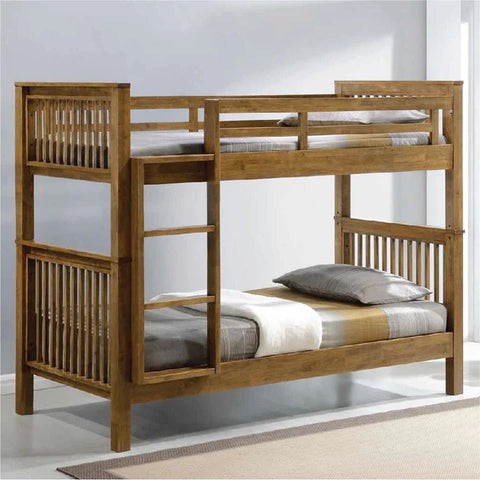
Wooden bunk beds often use solid pine, oak, or maple. These woods are strong and can hold a lot of weight. The thickness of the wood also matters. Thicker wood means a sturdier bed. Proper joints and screws improve the frame’s strength. Well-built wooden beds can support up to 250 pounds or more.
Metal Frame Durability
Metal frames usually use steel or iron. These materials are very strong and hard to break. Metal beds often have a weight limit of 300 pounds or higher. The quality of welds and bolts affects durability. Powder coating helps prevent rust and damage. Metal frames are good for heavy use and last long.
Hybrid Designs
Hybrid bunk beds combine wood and metal parts. This mix aims to balance strength and style. Wood adds warmth and metal adds toughness. These beds usually support between 250 to 300 pounds. The design should ensure both materials work well together. Hybrids offer solid support with a modern look.
Different Types Of Bottom Bunk Beds
Bottom bunk beds come in different types. Each type has a different size and weight limit. Choosing the right type depends on space, use, and who will sleep on it. Understanding these types helps in picking a safe and comfortable bed.
Twin Size Beds
Twin size bottom bunk beds are the most common. They fit one person comfortably. These beds usually hold between 200 to 250 pounds. They are ideal for kids or teens. Twin beds save space in small rooms. Their size makes them easy to move or rearrange.
Full Size Beds
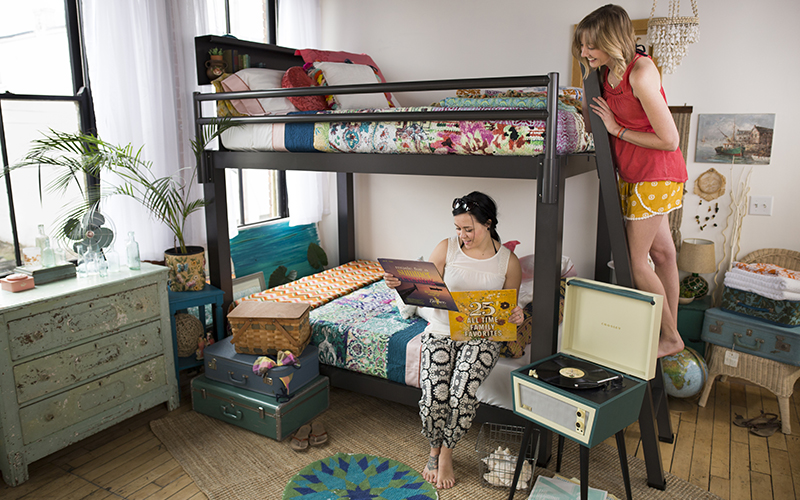
Full size bottom bunk beds are wider than twin beds. They can hold more weight, usually up to 400 pounds. These beds fit older kids, teens, or adults. Full size beds offer more sleeping space. They work well in bigger rooms. They provide extra comfort for taller people.
Loft And Bunk Bed Combos
Loft and bunk bed combos combine a bottom bed with a desk or storage. The bottom bunk can be twin or full size. Weight limits depend on the bed size and design. These combos save space and add function. They are great for study and sleep areas. Make sure to check weight limits before buying.
Credit: picketandrail.com
Safety Tips For Bottom Bunk Beds
Safety is the top priority for bottom bunk beds. These beds must hold weight without risk. Following safety tips helps keep users safe and the bed sturdy. Proper care extends the bed’s life and prevents accidents.
Proper Assembly Techniques
Use the instructions that come with the bed. Tighten all screws and bolts firmly. Avoid using wrong tools or missing parts. Make sure the bed frame sits flat on the floor. Check that all safety guards are in place.
Regular Maintenance Checks
Look over the bed every few months. Tighten loose screws and bolts quickly. Inspect for cracks or bends in the frame. Replace any worn or broken parts. Clean the bed to avoid dust buildup that hides damage.
Weight Distribution Advice
Place heavier items evenly on the bed. Avoid putting all weight on one side. Do not let children jump or play roughly on the bottom bunk. Follow the manufacturer’s weight limit strictly. Use the bed only for sleeping to prevent damage.
Choosing The Right Mattress
Choosing the right mattress for your bottom bunk bed is important. It affects comfort and safety. The mattress must fit well and support weight properly. This helps the bed last longer and keeps you comfortable while sleeping. Consider these key points to pick the best mattress.
Mattress Weight Considerations
The mattress adds extra weight to the bottom bunk bed. A heavy mattress can strain the bed frame. Check the bed’s weight limit before buying a mattress. Choose a mattress that balances comfort and lightness. This helps keep the bed stable and safe.
Thickness And Firmness
Mattress thickness affects safety on the bottom bunk. Thick mattresses may reduce the safety rail height. Choose a mattress that is thick enough for comfort but not too thick. Firmness matters for good support. A medium-firm mattress usually works well for most sleepers.
Compatible Mattress Types
Different mattress types suit bunk beds differently. Memory foam mattresses are lightweight and contour to your body. Innerspring mattresses offer strong support but may be heavier. Hybrid mattresses mix foam and springs but can be thick. Pick a mattress type that fits your bed frame and meets weight limits.
Credit: adultbunkbeds.com
Signs Of Structural Stress
Recognizing signs of structural stress in a bottom bunk bed is important. Stress weakens the bed and risks safety. Early detection helps prevent accidents and extends bed life.
Visible Frame Damage
Check the bed frame for cracks or bends. Look closely at the metal or wood parts. Even small cracks show the bed struggles with weight. Scratches and dents can also signal stress. Frame damage means the bed may not hold as much weight safely.
Unusual Noises
Listen for creaks, squeaks, or pops when using the bed. These sounds often mean parts are under pressure. The noises come from bending or loose connections. Strange noises suggest the bed frame is weakening. Ignoring sounds may lead to sudden breakage.
Loose Joints And Screws
Feel the bed joints and screws carefully. Loose or wobbly parts show the bed is stressed. Tighten any loose screws right away. Loose joints reduce the bed’s ability to hold weight. Regular checks keep the bed strong and safe.
Extending Bottom Bunk Bed Lifespan
Extending the lifespan of a bottom bunk bed helps protect your investment and ensures safety. Proper care and maintenance prevent damage and keep the bed strong. Small changes can make a big difference in how long the bed lasts. Below are key methods to help your bottom bunk bed stay sturdy and reliable over time.
Reinforcement Options
Adding extra support can increase the bed’s weight capacity. Use metal brackets or wooden slats for better strength. Reinforce the frame joints to avoid wobbling. Installing a center support beam helps distribute weight evenly. These simple upgrades can prevent sagging and breakage.
Weight Management Tips
Know the weight limit of your bottom bunk bed. Avoid placing heavy objects or multiple people on it. Spread weight evenly across the bed surface. Use mattresses that fit well to reduce strain. Regularly check for signs of wear or weakness.
Proper Use Guidelines
Follow the manufacturer’s instructions for safe use. Avoid jumping or rough play on the bottom bunk. Keep the bed dry to prevent wood damage or rust. Tighten screws and bolts periodically to maintain stability. Teach children how to use the bed gently and carefully.
Frequently Asked Questions
What Is The Average Weight Limit For Bottom Bunk Beds?
Most bottom bunk beds support between 200 to 400 pounds. This varies by material and design. Always check manufacturer guidelines for exact limits to ensure safety and durability.
Does Material Affect The Bottom Bunk Bed’s Weight Capacity?
Yes, metal frames generally hold more weight than wooden ones. Solid hardwood tends to support more than particleboard. Material quality directly influences the bed’s strength and weight capacity.
Can Adults Safely Use The Bottom Bunk Bed?
Many bottom bunks are designed for children, but some models support adults. Check the specific weight limit before use. Using a bed beyond its capacity risks damage and injury.
How Do Bed Frame Design And Construction Impact Weight Limits?
Sturdy construction with reinforced slats increases weight capacity. Beds with central support bars hold more weight evenly. Proper design ensures safety and longevity of the bottom bunk bed.
Conclusion
Bottom bunk beds usually hold between 150 to 400 pounds. Always check the bed’s label or manual for exact limits. Weight capacity depends on materials and design. Choosing a strong frame helps keep the bed safe. Avoid placing heavy items on the bunk to prevent damage.
Knowing weight limits protects both the bed and the sleeper. This ensures comfort and safety every night. Keep these tips in mind when buying or using a bottom bunk bed. Safety first, always.
