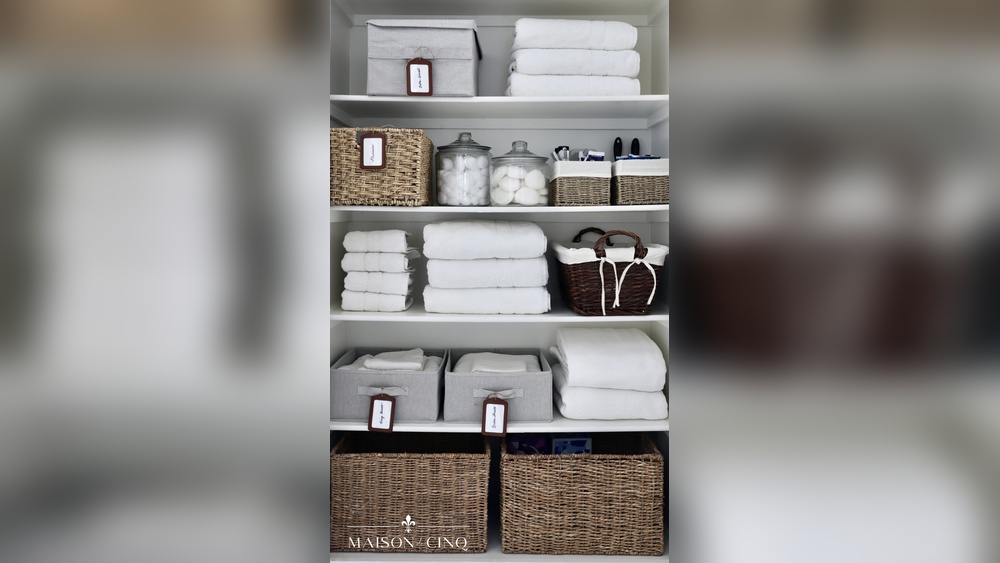
Are you tired of cluttered bathroom shelves and searching for a stylish way to store your towels and toiletries? Making your own bathroom linen cabinet could be the perfect solution—and it’s easier than you might think.
Imagine having a custom piece that fits your space perfectly, keeps your bathroom organized, and adds a personal touch to your home. In this guide, you’ll discover simple steps and handy tips to build a linen cabinet that suits your style and needs.
Ready to transform your bathroom and enjoy a neat, beautiful space? Let’s get started!
Choosing The Right Materials
Choosing the right materials is key to building a strong and beautiful bathroom linen cabinet. Materials affect how long the cabinet lasts and how it looks. Picking good wood, hardware, and finishes helps create a cabinet that fits your bathroom style and needs.
Quality materials make the cabinet sturdy and easy to clean. They also protect it from bathroom moisture. This section explains the best wood types, hardware, and paint options for your project.
Wood Types For Cabinets
Wood is the main material for most linen cabinets. Solid wood like oak, maple, or pine works well. Oak is strong and lasts long. Maple has a smooth surface and looks nice. Pine is softer but cheaper and easier to cut.
Plywood is another option. It is stable and resists warping. It costs less than solid wood. Choose wood that handles humidity well. Avoid soft woods that may warp or swell in damp spaces.
Hardware Essentials
Hardware includes hinges, handles, and drawer slides. Choose rust-resistant metal like stainless steel or brass. These last longer in moist bathrooms.
Soft-close hinges prevent doors from slamming shut. This keeps the cabinet quiet and safe. Handles come in many styles—simple knobs or sleek pulls. Pick hardware that matches your bathroom’s look and is comfortable to use.
Finishes And Paint Options
Finishes protect wood from water damage and stains. Use waterproof sealants or varnishes for bathroom cabinets. They keep wood looking new for years.
Paint adds color and style. Choose water-resistant paints made for bathrooms. Satin or semi-gloss finishes are easy to clean. Avoid flat paints that absorb moisture. A good finish keeps your cabinet fresh and strong.
Planning Your Cabinet Design
Planning your bathroom linen cabinet design is the first step to a useful storage solution. A clear plan helps you avoid mistakes and saves time. Think about the space you have and what you want to store. This guide covers the key points to create a smart and functional cabinet.
Measuring Bathroom Space
Start by measuring the area where the cabinet will go. Use a tape measure to get the height, width, and depth. Note any obstacles like pipes, electrical outlets, or doors. Write down these numbers to use in your design. Accurate measurements prevent fitting problems later.
Sketching Your Layout
Draw a simple sketch of the cabinet layout on paper. Include the cabinet’s position in the bathroom. Mark shelves, drawers, and doors on the sketch. Use your measurements to keep the drawing to scale. A visual plan helps you see the final look clearly.
Selecting Storage Features
Think about what items you will store in the cabinet. Choose shelves for towels and open spaces for larger items. Include drawers for small things like toiletries or medicines. Add hooks or baskets if you want extra organization. Pick features that fit your needs and bathroom style.
Tools You’ll Need
Building your own bathroom linen cabinet requires the right tools. Having the correct tools makes the process easier and faster. It helps you cut, assemble, and finish your cabinet neatly. Below are the main tools you will need.
Cutting And Assembly Tools
You need tools to cut wood precisely. A circular saw or handsaw works well. Use a measuring tape and a pencil for accurate marking. A drill with various drill bits helps create holes for screws. Screwdrivers are necessary to fasten parts together. Clamps keep pieces steady while you work. Sandpaper or a sanding block smooths rough edges.
Safety Equipment
Protect yourself during the project. Safety goggles shield your eyes from dust and wood chips. Wear gloves to protect your hands from splinters and sharp tools. A dust mask prevents inhaling sawdust. Ear protection reduces noise from power tools. Dress in close-fitting clothes to avoid accidents.
Finishing Tools
Finishing makes your cabinet look great and last longer. Brushes or foam applicators help apply paint or varnish evenly. A small roller works well on large surfaces. Use a tack cloth to remove dust before finishing. Rags help wipe off excess stain or paint. Putty knives fill holes or gaps with wood filler.

Credit: www.blesserhouse.com
Step-by-step Construction
Building your own bathroom linen cabinet is a satisfying project. It saves money and fits your space perfectly. Follow these simple steps to create a sturdy and beautiful cabinet. Each step is clear and easy to follow.
Cutting The Wood Pieces
Start by measuring the space where the cabinet will go. Mark the wood carefully before cutting. Use a saw to cut the panels for the sides, top, bottom, and shelves. Cut the door pieces last. Sand all edges smooth to avoid splinters.
Assembling The Frame
Join the side panels with the top and bottom pieces first. Use wood glue and screws for a strong hold. Check the frame for square corners before the glue dries. Add corner braces inside for extra support. Let the frame dry completely.
Installing Shelves And Doors
Place the shelves inside the frame where you want storage. Secure them with screws or shelf pins. Attach the cabinet doors with hinges. Make sure the doors open smoothly and align well. Finish by adding handles or knobs for easy use.
Finishing Touches
Finishing touches make your bathroom linen cabinet look complete and polished. These final steps protect the wood and add style. Take your time to ensure the best results. A smooth surface, fresh color, and neat hardware give your cabinet a professional look.
Sanding And Smoothing
Start by sanding all surfaces with fine-grit sandpaper. This removes rough spots and splinters. Sand edges and corners carefully to avoid sharpness. Wipe away dust with a damp cloth after sanding. A smooth base helps paint or stain stick better.
Painting Or Staining
Choose paint or stain to match your bathroom decor. Apply thin, even coats with a brush or roller. Let each coat dry completely before adding the next. Stain shows wood grain, while paint offers solid color. Seal with a clear topcoat for water resistance.
Adding Hardware
Pick hardware that fits your style and cabinet size. Handles and knobs should be easy to grip and clean. Measure and mark holes carefully for proper alignment. Attach hardware securely with screws. Small details like these complete your cabinet’s look.

Credit: www.blesserhouse.com
Installation Tips
Installing your own bathroom linen cabinet can be simple with the right tips. Proper installation ensures your cabinet lasts long and looks good. Follow these steps to get the best results for your bathroom space.
Mounting The Cabinet Securely
Start by finding the wall studs using a stud finder. Mark the spots clearly to align the cabinet. Use strong screws and anchors for firm support. Avoid mounting the cabinet only on drywall. Check the level to keep the cabinet straight. Secure the cabinet tightly to avoid any movement.
Aligning Doors And Shelves
Adjust the hinges to make the doors hang evenly. Make sure doors close smoothly without gaps. Place shelves at heights that fit your items well. Use a level to keep shelves horizontal. Tighten all screws after adjusting for stability. Proper alignment improves both look and function.
Maximizing Bathroom Space
Choose a cabinet size that fits your bathroom layout. Use the full height of the wall for more storage. Install shelves with adjustable heights for flexible use. Consider adding hooks or racks inside the cabinet doors. Keep the cabinet away from water sources to avoid damage. Smart use of space keeps your bathroom neat and organized.
Maintenance And Care
Building your own bathroom linen cabinet is just the start. Taking care of it keeps it looking good and lasting longer. Proper maintenance protects your hard work from damage and wear.
Simple habits make a big difference. Clean regularly, avoid moisture problems, and check for any issues. These steps keep your cabinet strong and fresh.
Cleaning Techniques
Use a soft cloth to wipe down surfaces weekly. Avoid harsh chemicals that can damage wood or paint. Mild soap mixed with water works well.
Dry the cabinet after cleaning to stop water spots. Clean inside shelves to keep dust and dirt away. This prevents buildup and keeps linens fresh.
Preventing Moisture Damage
Bathrooms are humid, which can harm wood. Use a dehumidifier or exhaust fan to reduce moisture. Open windows when possible to let fresh air in.
Seal the cabinet edges with waterproof varnish or paint. This stops water from seeping inside. Check for leaks around sinks and fix them fast.
Regular Upkeep
Inspect the cabinet monthly for scratches or loose hinges. Tighten screws and fix small problems early. This avoids costly repairs later.
Reapply paint or finish every year to protect surfaces. Keep the cabinet organized to reduce wear and tear. Gentle care extends its life and beauty.

Credit: normandyremodeling.com
Frequently Asked Questions
What Materials Are Needed To Build A Bathroom Linen Cabinet?
You need plywood or MDF for shelves, wood screws, hinges, paint, and a drill. Choose moisture-resistant materials for durability.
How Much Time Does It Take To Make A Linen Cabinet?
It usually takes 4 to 6 hours for an average DIY project. Time depends on your skill level and cabinet complexity.
Can I Customize The Cabinet Size For My Bathroom?
Yes, measure your bathroom space first. Adjust cabinet dimensions to fit your wall and storage needs perfectly.
What Tools Are Essential For Building A Linen Cabinet?
Basic tools include a saw, drill, screwdriver, measuring tape, level, and clamps. These ensure precise cuts and assembly.
Conclusion
Building your own bathroom linen cabinet can save money and add style. Simple tools and clear steps make the process easier. You choose the size, color, and shelves to fit your needs. This project brings pride and a unique touch to your home.
Try it yourself and enjoy a neat, organized bathroom space. Small effort, big reward. Ready to get started?