Are you thinking about getting a metal top bunk bed but worried about how much weight it can hold? You’re not alone.
Knowing the weight limit is crucial for your safety and comfort. Whether it’s for your kids, guests, or even yourself, you want to be sure the bed can support everyone without any risk. You’ll discover the facts about metal top bunk bed weight capacities and learn how to choose the right one for your needs.
Keep reading to make a smart, safe choice that gives you peace of mind every night.
Weight Limits Of Metal Top Bunk Beds
Metal top bunk beds offer a strong and space-saving solution for bedrooms. Understanding their weight limits is important for safety and durability. These limits tell how much weight the top bunk can safely hold without bending or breaking.
Knowing the weight capacity helps users choose the right bed. It also prevents accidents caused by overloading. Weight limits vary depending on the bed’s design and materials. Below are details about standard weight capacities and factors that affect these limits.
Standard Weight Capacities
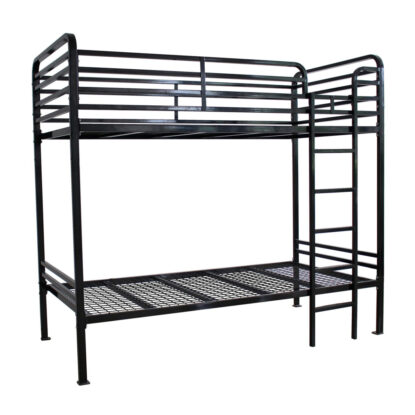
Most metal top bunk beds support between 150 and 250 pounds. Some heavy-duty models can hold up to 400 pounds. The exact limit depends on the bed frame’s thickness and build quality. Lighter frames often support less weight. Stronger frames with thicker metal allow higher weight capacity. Manufacturers usually list the recommended weight limit in the product details. Follow these guidelines to ensure safe use.
Factors Influencing Weight Limits
The type of metal affects strength. Steel frames are usually stronger than aluminum. Weld quality also impacts weight capacity. Good welding creates a sturdy frame. The design of the bunk bed matters. Beds with more support bars hold weight better. The mattress size and type can change how weight is distributed. Proper assembly is key to reaching the full weight limit. Loose screws or missing parts reduce stability. Regular maintenance helps keep the bed safe and strong.
Credit: heavydutybunkbeds.com
Types Of Metal Used In Bunk Beds
Metal bunk beds come in different types of metal. Each metal type affects the bed’s strength and weight capacity. Understanding these metals helps you choose a safe and sturdy bunk bed.
Steel Frames
Steel is the most common metal used in bunk beds. It is strong and heavy. Steel frames hold a lot of weight without bending or breaking. They last a long time and resist damage. Steel beds often have a powder-coated finish to stop rust and scratches.
Aluminum Frames
Aluminum is lighter than steel but still strong. It is easy to move and does not rust. Aluminum frames may hold less weight than steel but work well for kids and light use. They have a smooth, shiny look that many people like.
Alloy Combinations
Some bunk beds use metal alloys, mixing metals to improve strength and weight. These alloys can balance lightness and durability. Alloy frames offer good support and last longer than pure aluminum. They also resist wear and tear better than some metals.
Design Elements Affecting Strength
The strength of a metal top bunk bed depends on several design elements. These parts work together to hold weight safely. A strong design means better safety and longer bed life. Understanding key features helps you choose the right bunk bed.
Frame Thickness And Weld Quality
The frame thickness directly affects the bed’s strength. Thicker metal frames hold more weight and resist bending. Thin frames may flex or break under heavy loads.
Weld quality is just as important. Strong, clean welds connect the frame parts tightly. Poor welds can weaken the bed and cause failures. Look for smooth, even welds without gaps or cracks.
Support Slats And Center Supports
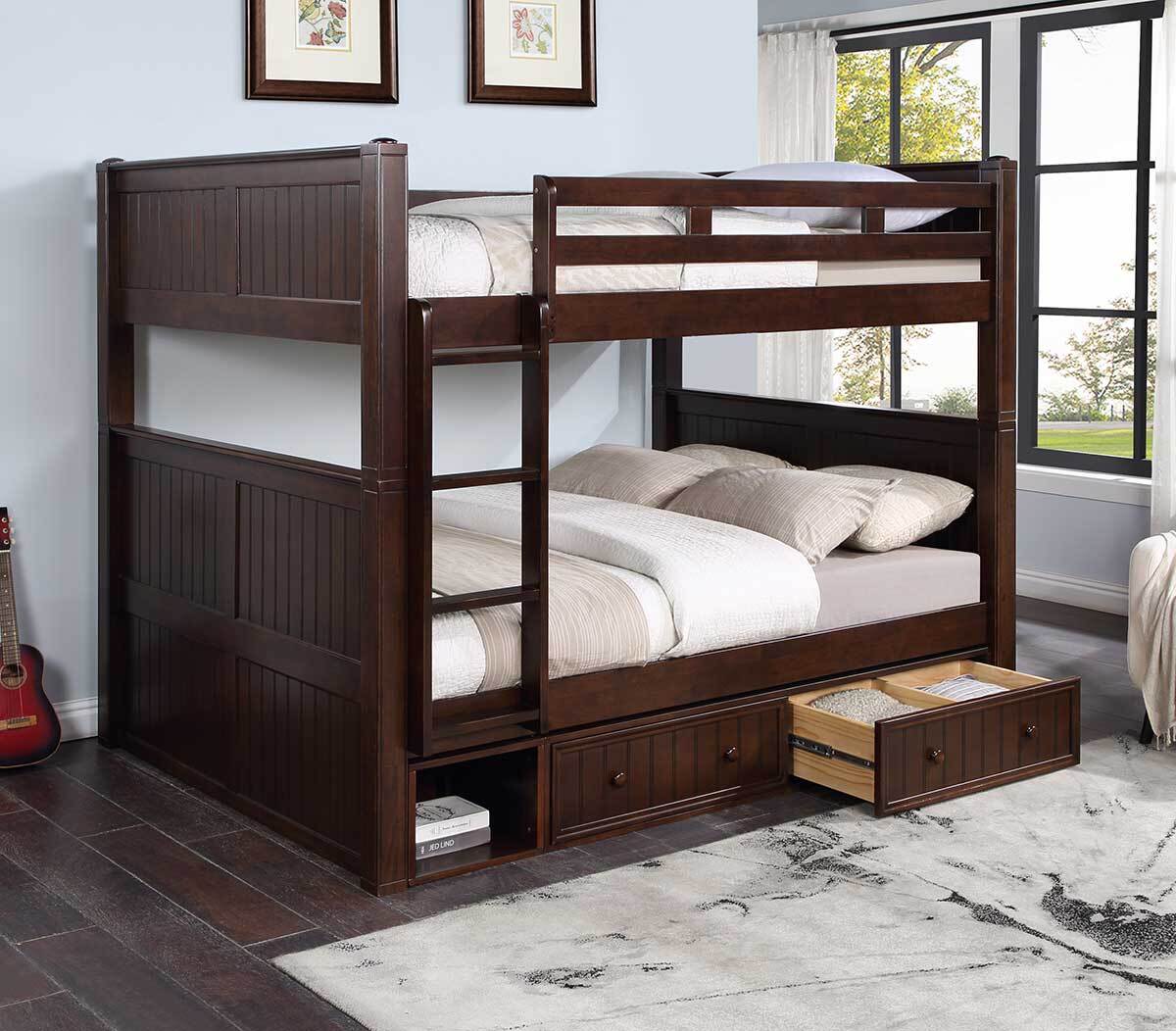
Support slats hold the mattress and distribute weight evenly. Metal slats are stronger than wood and last longer. Slats placed close together offer better support.
Center supports run under the slats for extra strength. A strong center support prevents sagging in the middle. It helps the bed hold more weight safely.
Credit: www.justbunkbeds.com
Safety Standards And Certifications
Safety matters most with metal top bunk beds. Understanding safety standards and certifications helps you choose a strong and secure bed. These rules guide manufacturers to build beds that hold weight safely. They protect users from accidents and injuries. Knowing these standards gives peace of mind. It ensures the bed meets strict safety checks.
Astm And Cpsc Guidelines
ASTM and CPSC set key safety rules for bunk beds. ASTM stands for American Society for Testing and Materials. CPSC is the Consumer Product Safety Commission. Both groups create rules for bed strength and design. Their guidelines limit how much weight a bunk bed can hold. They also require guardrails and proper ladder design. Beds must pass these rules before sale. This helps keep kids safe during sleep and play.
Weight Testing Procedures
Weight testing shows how strong a metal top bunk bed is. Manufacturers add heavy loads to the bed in tests. They check if the bed holds the weight without bending or breaking. Tests include static load, where weight stays still on the bed. Also, dynamic load tests simulate movement and jumping. Passing these tests means the bed is safe to use. Weight limits are set based on test results. This ensures the bed supports users without risk.
Comparing Metal To Wood Top Bunk Beds
Choosing between metal and wood top bunk beds depends on several factors. Both materials offer unique benefits and limitations. Understanding these differences helps you pick the right bunk bed. This section compares metal and wood bunk beds by focusing on durability and weight capacity.
Durability Differences
Metal bunk beds often last longer than wooden ones. Metal resists scratches and dents better. It does not warp or crack from moisture. Wood beds can be strong but may weaken over time. Wood is more likely to chip or break under pressure. Metal frames hold up well in busy homes.
Weight Capacity Variations
Metal bunk beds usually support more weight than wood. Metal frames can hold between 200 to 400 pounds. Wood beds often support 150 to 250 pounds safely. The design and thickness of materials affect capacity. Metal beds suit heavier teens or adults better. Wood beds are fine for younger children with lighter weight.
Tips For Maximizing Weight Capacity
Maximizing the weight capacity of a metal top bunk bed helps keep it safe and durable. Simple steps can make a big difference. Proper care and setup protect the bed from damage and wear.
Follow these tips to get the most from your metal bunk bed. Each step ensures the bed holds weight as designed.
Proper Assembly Techniques
Follow the instructions carefully. Use all parts provided by the manufacturer. Tighten screws and bolts firmly. Loose connections reduce strength and increase risk of collapse.
Check that the frame is level and stable. Avoid skipping any steps during assembly. Use the right tools for each part. This keeps the bed strong and steady.
Maintenance And Inspection
Inspect the bed regularly for loose bolts or bent parts. Fix problems as soon as you find them. Clean the frame to prevent rust and dirt buildup.
Look for signs of wear on joints and supports. Replace damaged components quickly. Regular checks ensure the bed stays safe over time.
Common Myths About Bunk Bed Weight Limits
Many people have wrong ideas about how much weight a metal top bunk bed can hold. These myths can cause confusion and unsafe use. Understanding the truth helps choose the right bunk bed and use it safely. Let’s clear up some common myths about bunk bed weight limits.
Overestimating Capacity
Some assume metal bunk beds can hold more weight than they actually do. They think metal means very strong and endless support. But every bed has a specific weight limit set by the maker. Ignoring this limit can cause damage or accidents. Knowing the real weight capacity ensures safety for users.
Misconceptions About Metal Strength
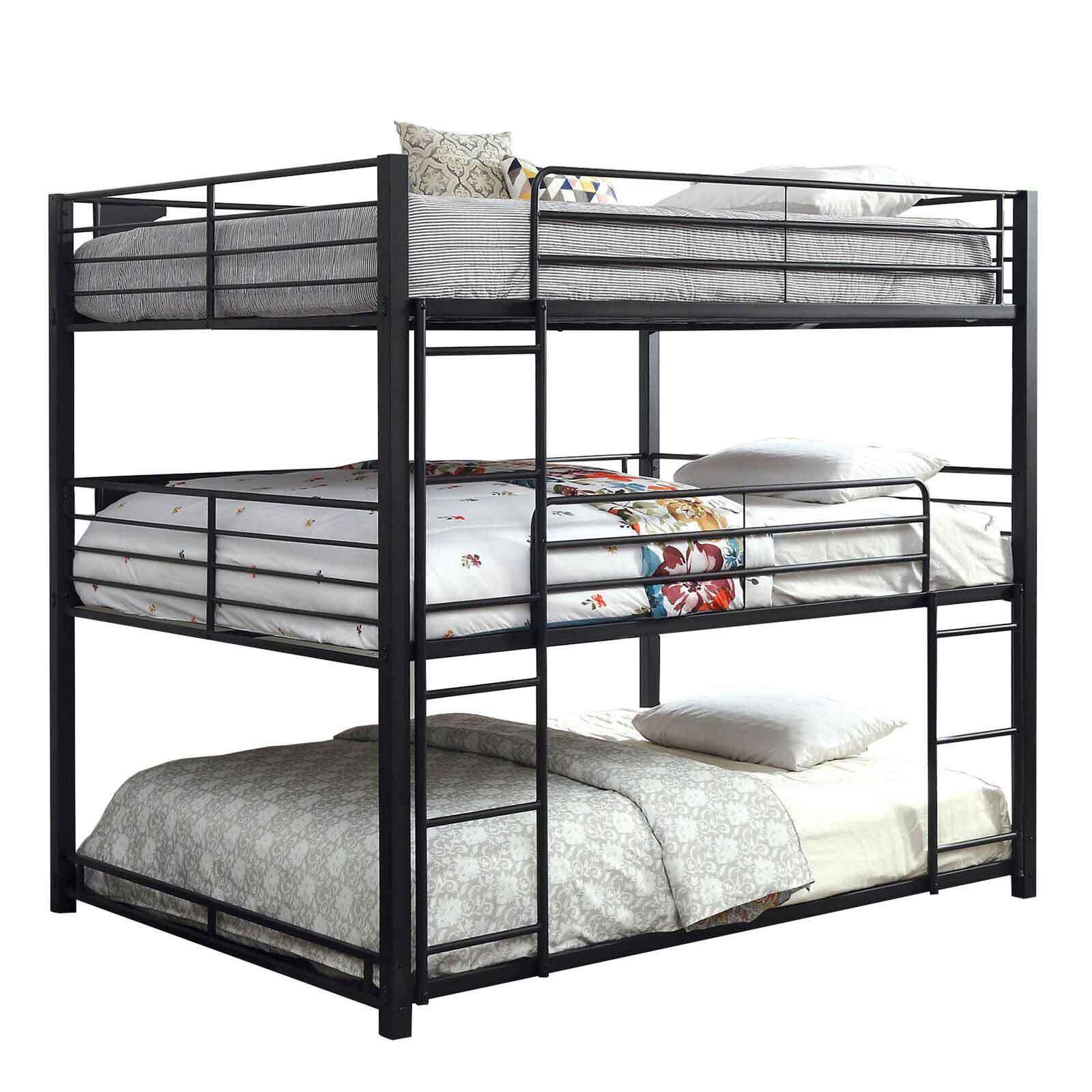
Metal is strong but not unbreakable. People often believe metal beds never bend or break. The truth is metal can weaken over time or with poor design. Welds, joints, and frame thickness affect strength. A metal bed with thin pipes may hold less weight than a wooden bed. Always check the bed’s official weight limit, not just the material.
Credit: www.justbunkbeds.com
Frequently Asked Questions
How Much Weight Can A Metal Top Bunk Bed Support?
A metal top bunk bed typically supports 200 to 400 pounds. Weight limits vary by manufacturer and design. Always check the product specifications before use to ensure safety and durability.
What Factors Affect A Bunk Bed’s Weight Capacity?
Weight capacity depends on the metal frame thickness, construction quality, and joint strength. Heavier gauge steel and reinforced joints increase load support. Proper assembly also plays a crucial role in maintaining weight limits.
Can Adults Safely Use Metal Top Bunk Beds?
Many metal top bunk beds are designed for children but some models support adult weight. Check the manufacturer’s weight limit and size recommendations before use. Prioritize sturdy designs for adult use to ensure safety.
Does Mattress Weight Affect Bunk Bed Capacity?
Yes, mattress weight contributes to the overall load on the bunk bed. Heavier mattresses reduce the remaining weight capacity for the sleeper. Choose lightweight mattresses to maximize safety and comfort on the top bunk.
Conclusion
A metal top bunk bed holds weight based on its design and materials. Most beds support between 150 to 300 pounds safely. Always check the manufacturer’s guidelines before use. Proper setup and regular maintenance keep the bed strong. Avoid jumping or placing heavy items on the top bunk.
This helps prevent damage and ensures safety. Choose a bed that fits your needs and supports enough weight. Safety matters most for a good night’s sleep.