Are you ready to give your little one a big-kid bed but not sure where to start? Making a toddler bed yourself can be easier than you think, and it’s a great way to create a cozy, safe space tailored just for your child.
Imagine the pride you’ll feel when your toddler climbs into a bed you built with your own hands. In this guide, you’ll discover simple steps, helpful tips, and smart tricks to make the process smooth and fun. Keep reading, and you’ll have everything you need to turn your idea into a perfect toddler bed your child will love.

Credit: kytebaby.com
Choosing The Right Materials
Choosing the right materials is key to making a safe and sturdy toddler bed. The materials affect the bed’s strength, safety, and look. Picking good wood and tools helps you build a bed that lasts and keeps your child safe. This part guides you through the best wood types and tools for your project.
Selecting Safe Wood Types
Choose wood that is strong and free from harmful chemicals. Pine and oak are popular choices. Pine is soft and easy to work with. Oak is harder and more durable. Avoid wood that splinters easily or has knots that can break.
Look for untreated wood or wood labeled as child-safe. Avoid wood treated with toxic chemicals or paints. Sand the wood smooth to prevent splinters. Use non-toxic paint or finish to keep the bed safe for toddlers.
Essential Tools And Supplies
Gather basic tools before starting your project. You will need a saw, drill, screwdriver, measuring tape, and sandpaper. A hammer and clamps can help with assembly. Choose quality tools for better results and safety.
Buy screws and nails that fit the wood thickness. Use wood glue for extra strength. Pick non-toxic paint or sealant to protect the wood. Have safety gear like gloves and goggles on hand for protection.
Designing Your Toddler Bed
Designing a toddler bed is about safety, comfort, and style. The bed should feel cozy and secure for your little one. Planning the design carefully helps avoid mistakes and saves time.
Simple designs work best. They are easy to build and maintain. Focus on sturdy materials and smooth edges to protect your child. A well-designed bed makes bedtime pleasant and safe.
Simple Bed Frame Plans
Start with basic bed frame plans. Use straight lines and simple shapes. A rectangular frame with four legs is a good choice. Avoid complex joints or decorations that may weaken the frame.
Choose wood that is strong but light. Pine or plywood are good options. Sand all surfaces to remove splinters. Keep the frame low to the ground to prevent falls.
Customizing Size For Comfort
Measure your toddler’s mattress before building. Standard toddler mattresses are about 28 by 52 inches. Add extra space for bedding and movement. Leave some room around the mattress for safety rails.
Adjust the height to suit your child’s age and ability. A lower bed makes climbing easier. Consider the room size too. The bed should fit well without crowding the space.
Cutting And Preparing Wood
Cutting and preparing wood is a key step in making a toddler bed. This process shapes the wood into the right pieces for assembly. Careful measuring and cutting make the bed strong and safe.
Working with wood can be fun and rewarding. It needs focus and the right tools. Let’s break down the steps for cutting and preparing wood.
Measuring And Marking
Use a tape measure to get exact wood lengths. Measure twice to avoid mistakes. Mark lines clearly with a pencil on the wood surface. Straight lines guide your cuts and keep pieces even. Mark all pieces needed for the bed frame, legs, and slats.
Safe Cutting Techniques
Wear safety glasses to protect your eyes. Use a sharp saw for clean cuts. Cut slowly and follow your marked lines. Keep your hands away from the blade at all times. Use clamps to hold the wood steady. Work in a well-lit area to see lines clearly. Smooth cut edges with sandpaper for safety. These steps prevent accidents and make good cuts.
Assembling The Bed Frame
Assembling the bed frame is the first big step in making a toddler bed. It gives the bed its shape and strength. A strong frame keeps the bed safe and steady for your child. Follow each step carefully for the best results.
Start by organizing all the pieces and tools. Check that you have everything before you begin. This keeps the process smooth and quick.
Joining The Parts Securely
Begin by matching each part to its place. Use screws or bolts to join the pieces. Tighten them well, but do not force. Loose connections can make the bed shaky. Over-tightening can damage the wood or parts. Use a screwdriver or wrench for better control.
Check all joints after the first tightening. Ensure every part fits snugly. This step helps avoid future repairs. A solid frame means a safe bed.
Adding Support Slats
Support slats hold the mattress in place. They spread weight evenly across the frame. Place slats across the width of the bed. Space them evenly for good support. Use screws or nails to fix the slats firmly. Make sure the slats do not move or bend.
Test the frame by pressing on it gently. It should feel strong and steady. Support slats prevent the mattress from sagging. This keeps your toddler comfortable and safe.
Sanding And Finishing
Sanding and finishing are essential steps in making a toddler bed. These steps make the bed smooth and safe for your child. They help remove rough spots and prepare the wood for paint or stain. Taking time here improves the bed’s look and feel. It also protects the wood from damage over time.
Smoothing Rough Edges
Start by sanding all wood surfaces with fine-grit sandpaper. Pay special attention to corners and edges. These parts can cause splinters if left rough. Sand until the wood feels smooth to touch. Use a sanding block for flat surfaces. For curved areas, use flexible sandpaper or sanding sponges. After sanding, wipe the dust away with a damp cloth. This step ensures a clean surface for finishing.
Choosing Child-safe Paints Or Stains
Select paints or stains labeled safe for children. These products have low or no harmful chemicals. Water-based paints are a good choice. They dry quickly and smell less. Avoid oil-based paints that release strong fumes. Use non-toxic varnishes or sealants to protect the finish. These coatings keep the wood safe and durable. Always work in a well-ventilated space while applying finishes.
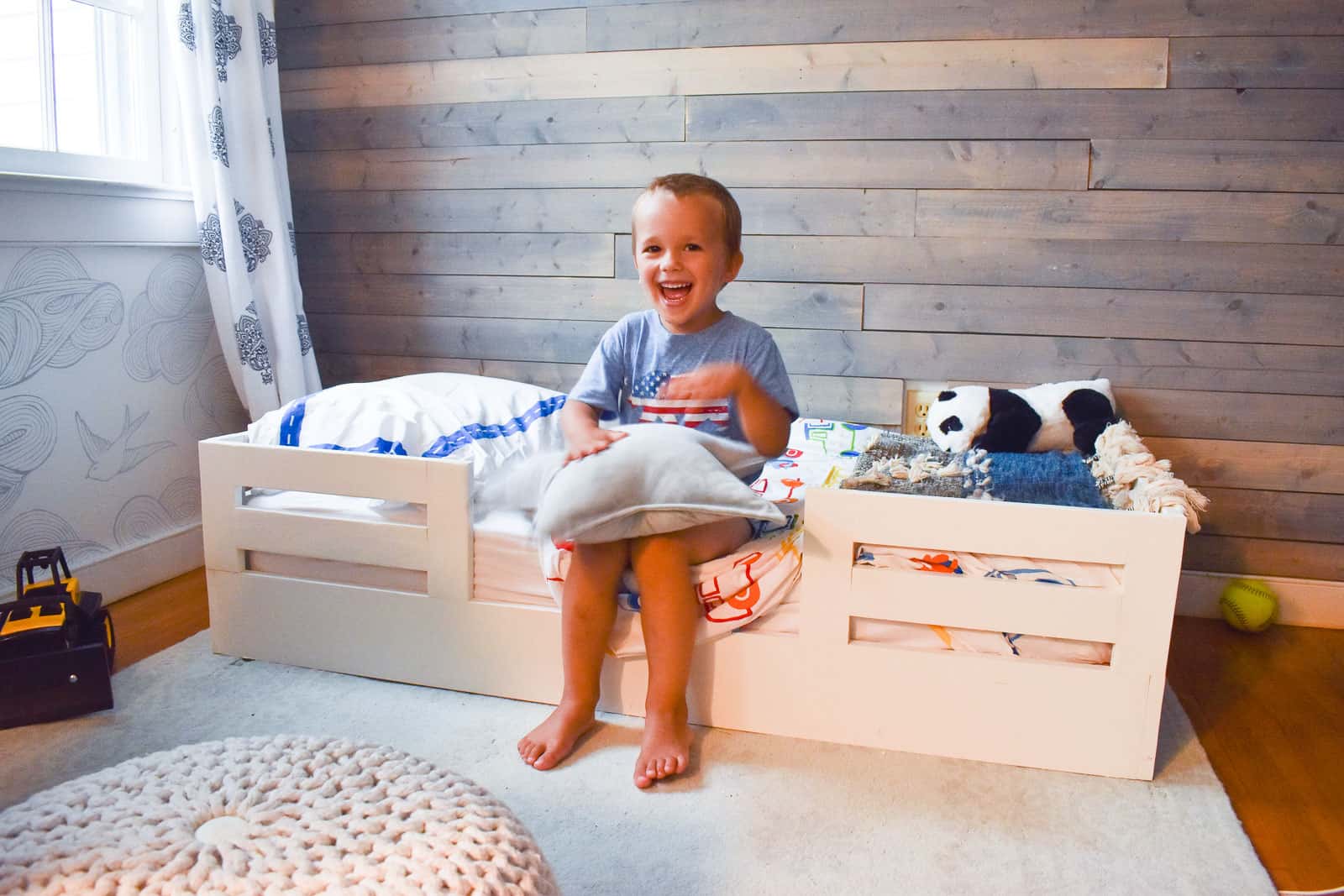
Credit: atcharlotteshouse.com
Adding Safety Features
Adding safety features to a toddler bed is very important. Toddlers move a lot in their sleep. They can easily fall or hurt themselves. Safety features help protect them and give parents peace of mind. Simple steps can make a big difference.
Focus on strong guardrails and a stable frame. Check the bed carefully before use. These actions make the bed safe and comfortable.
Installing Guardrails
Guardrails stop toddlers from rolling out of bed. Use smooth wood or plastic rails. Avoid sharp edges or rough surfaces. Fix the rails tightly on both sides of the bed. The rails should be high enough to keep your child inside. Test the rails by pushing gently. They should not move or wobble.
Checking Stability And Safety
Make sure the bed frame is firm and steady. Press on all corners to check for movement. Tighten screws and bolts if needed. The bed should not shake or make noise. Use a mattress that fits the bed frame exactly. Gaps can cause accidents. Remove any small parts or loose items near the bed. These can be choking hazards. Finally, place the bed away from windows and cords.
Final Touches For Comfort
Adding the final touches to your toddler bed makes a big difference in comfort. These small details help your child feel safe and cozy. A comfortable bed supports better sleep and happier mornings. Focus on the mattress and bedding for the best results.
Selecting The Right Mattress
Choose a mattress that fits the bed frame perfectly. It should be firm but soft enough to support your toddler’s body. Avoid mattresses that are too thick or too thin. Look for materials that breathe well to keep your child cool. Ensure the mattress cover is easy to clean and hypoallergenic. This keeps the sleeping area healthy and fresh.
Incorporating Soft Bedding
Use gentle sheets made from natural fabrics like cotton. These feel soft on sensitive skin and allow air to flow. Add a lightweight blanket for warmth without overheating. Pick bedding with fun colors or patterns to excite your toddler. Avoid heavy quilts or pillows to reduce safety risks. Keep bedding simple and cozy to help your child relax.
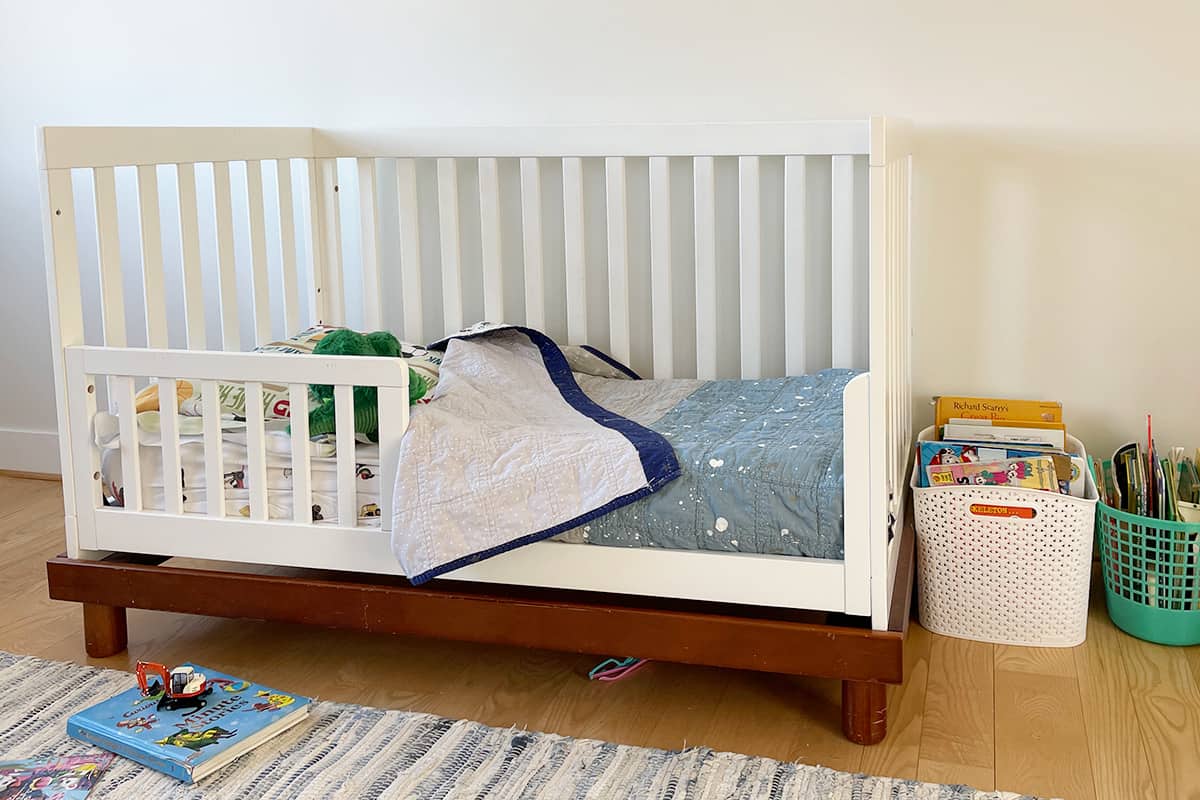
Credit: www.yummytoddlerfood.com
Maintenance Tips
Maintaining a toddler bed helps keep it safe and comfortable. Regular care makes the bed last longer. It also ensures your child sleeps well every night.
Cleaning And Upkeep
Clean the bed weekly to remove dust and dirt. Use a soft cloth and mild soap. Avoid harsh chemicals that can damage the wood or paint. Check the mattress for stains. Wash mattress covers regularly to keep them fresh. Tighten screws and bolts to keep the bed sturdy. Replace any broken parts quickly to avoid accidents.
Troubleshooting Common Issues
Wobbly parts? Tighten all screws and bolts first. If the bed creaks, add a small amount of lubricant to joints. Loose slats can be fixed with extra screws or brackets. For scratches, use a wood marker or touch-up paint. If the mattress feels uncomfortable, try adding a mattress topper. Always inspect the bed for sharp edges or splinters and sand them smooth.
Frequently Asked Questions
What Materials Do I Need To Make A Toddler Bed?
You need wood, screws, a saw, sandpaper, paint, and a mattress. Choose safe, non-toxic materials suitable for children. Also, have measuring tools and a drill to ensure precise assembly and safety.
How Long Does It Take To Build A Toddler Bed?
Building a toddler bed typically takes 3 to 5 hours. Time depends on your skill level and the design complexity. Allow extra time for painting and drying if you customize the bed.
What Safety Features Should A Toddler Bed Have?
Ensure the bed has rounded edges and guardrails to prevent falls. Use sturdy materials and smooth finishes to avoid splinters. The bed height should be low for easy access and safety.
Can I Convert A Crib Into A Toddler Bed?
Yes, many cribs convert easily by removing one side. Conversion kits are often available for added safety. This option saves money and keeps your child comfortable during the transition.
Conclusion
Building a toddler bed can be simple and fun. Use safe materials and measure carefully for the best fit. Let your child help to make it special. A homemade bed offers comfort and pride. This project saves money and creates lasting memories.
Start with basic tools and take your time. Your toddler will enjoy a cozy new place to sleep. Enjoy the process and watch your child’s smile grow.