Are you wondering if your little one is ready for a toddler bed? One key question on every parent’s mind is, “What is the weight limit for a toddler bed?” Knowing the answer can keep your child safe and comfortable as they make this big transition.
You’ll discover exactly how much weight a typical toddler bed can hold, what factors affect these limits, and how to choose the best bed for your child’s needs. Keep reading to make sure your toddler’s new bed is both cozy and secure.
Credit: www.elitsangar.se
Toddler Bed Basics
Toddler beds are a key step for young children moving from cribs. They offer a safe and comfortable sleeping space. Understanding the basics helps parents choose the right bed. Knowing the design and materials is important for safety and durability.
Design And Purpose
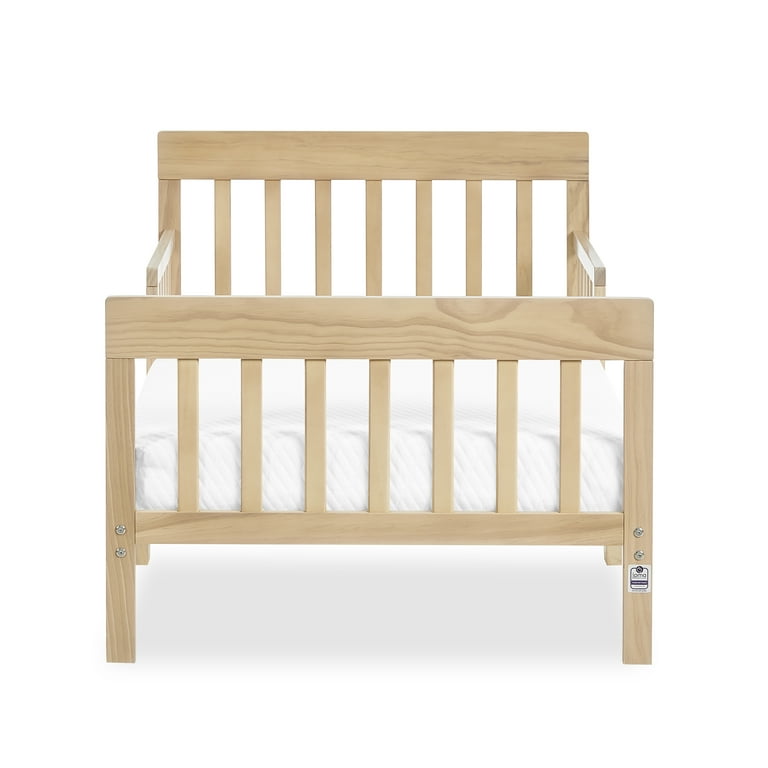
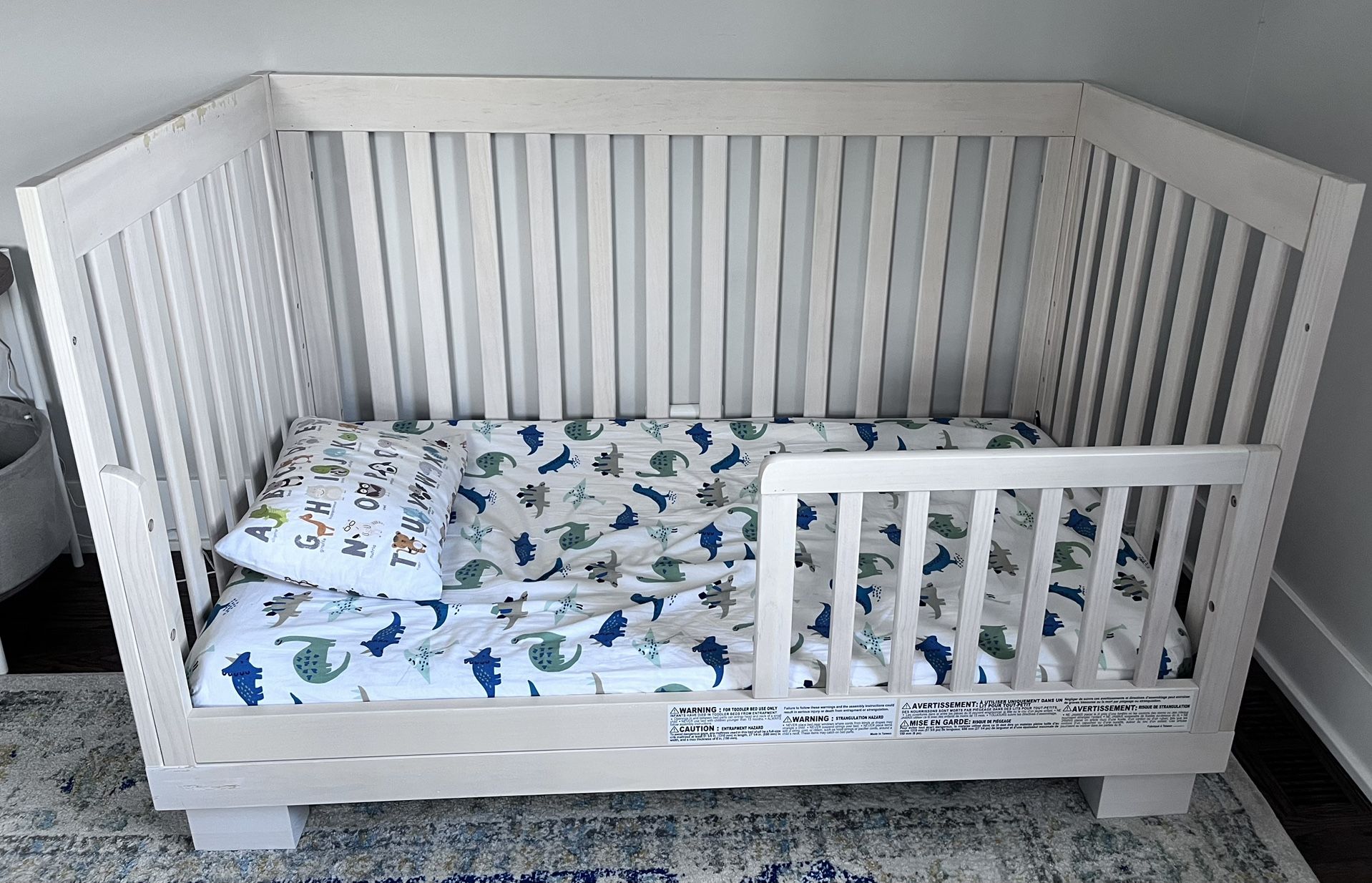
Toddler beds are smaller than regular beds. They have low frames for easy climbing in and out. Some include guardrails to prevent falls during sleep. They help children feel independent while staying safe. The design supports growing toddlers until they switch to bigger beds.
Common Materials
Wood is the most common material for toddler beds. It is strong, durable, and safe for children. Some beds use metal frames, which are sturdy but less common. Others may include plastic parts for added features. Choosing non-toxic finishes is important for a healthy environment.
Credit: woolyyarn.com
Typical Weight Limits
Typical weight limits for toddler beds help ensure safety and comfort. These limits define the maximum weight a bed can hold without risk. Knowing these limits helps parents choose the right bed for their child. Toddler beds usually support children during their early years, before moving to a bigger bed. Weight limits vary but generally fall within a common range.
Standard Ranges
Most toddler beds support weights between 40 and 60 pounds. This range fits toddlers aged 1.5 to 5 years. Some beds allow up to 50 pounds comfortably. This limit covers average toddler growth during early childhood. Staying within weight limits prevents damage to the bed and injury risks. Parents should check bed labels for exact numbers.
Manufacturer Variations
Each brand sets its own weight limit rules. Some beds have higher limits for sturdier frames. Others may have lower limits due to design or materials used. Quality and safety standards differ by manufacturer. Always read instructions and safety guidelines from the maker. Knowing these differences helps pick a safe bed for your toddler.
Factors Affecting Weight Limits
The weight limit for a toddler bed is not the same for every bed. Several factors play a role in deciding how much weight a toddler bed can hold. Understanding these factors helps parents choose the right bed. It also ensures the bed lasts longer and stays safe for the child.
Bed Frame Strength
The strength of the bed frame is the main factor for weight limit. Frames made from solid wood or metal usually hold more weight. Cheaper materials or weak joints lower the weight capacity. The design also matters. Beds with extra support beams can hold heavier children safely.
Mattress Type
The mattress type affects the bed’s overall support. Some mattresses are soft and may sag under heavy weight. Firmer mattresses help distribute weight evenly. A mattress that fits well in the frame prevents damage. This keeps the bed stable and safe for toddlers.
Child’s Age And Growth
Weight limits consider the child’s age and growth speed. Toddlers grow fast and may outgrow the bed’s limit quickly. Choosing a bed with a higher weight capacity prepares for growth spurts. Parents should check the bed’s limit regularly as the child grows.
Safety Risks Of Exceeding Limits
Exceeding the weight limit of a toddler bed creates safety risks. Toddlers need a bed that supports their weight securely. Ignoring these limits can cause serious problems. Understanding the risks helps keep children safe and comfortable.
Structural Damage
Toddler beds are built to hold a specific weight. Exceeding this weight can break or bend bed parts. The frame might crack or collapse. This damage makes the bed unsafe for use. Structural damage can happen suddenly or over time. It reduces the bed’s lifespan and safety.
Injury Hazards
A damaged bed increases the chance of injuries. Children may fall if the bed breaks. Sharp broken edges can cause cuts or scrapes. An unstable bed may tip over, causing harm. Staying within weight limits helps prevent these dangers. Safety depends on using the bed properly.
Choosing The Right Bed
Picking the right toddler bed is important for your child’s safety and comfort. A bed that fits your child well helps them sleep better and grow healthy. It also keeps your child safe from falls or injuries.
Many parents wonder about the right weight limit for toddler beds. Knowing this helps avoid damage to the bed and keeps your child safe. Here are some key points to consider before buying a toddler bed.
Assessing Your Child’s Needs
Think about your child’s size and weight. Some toddlers grow fast and need stronger beds. Also, consider how active your child is during sleep. Active sleepers may require beds with higher weight limits.
Check if your child needs extra support. Kids with special needs may need beds with specific features. Make sure the bed suits your child’s sleeping habits and physical needs.
Checking Product Specifications
Always read the weight limit listed on the bed’s label or manual. Manufacturers test beds to set safe weight limits. Most toddler beds hold between 40 to 50 pounds, but some support more.
Look for sturdy materials like solid wood or metal frames. Avoid beds with weak or flimsy parts. Check customer reviews to see if others found the bed strong and safe.
Alternatives For Heavier Toddlers
Some toddlers outgrow the weight limits of their toddler beds quickly. Parents need safe and sturdy alternatives for heavier toddlers. Choosing the right bed supports better sleep and safety. It also helps toddlers feel comfortable as they grow.
Transition To Twin Beds
Twin beds offer more space and higher weight limits. They suit toddlers who are heavier or taller. A twin bed can last many years into childhood. Parents can add side rails for extra safety. This bed type gives toddlers room to move freely. It also helps them get used to a “big kid” bed.
Convertible Bed Options
Convertible beds change as your child grows. Some start as toddler beds and convert to twin or full beds. These beds handle higher weight limits easily. They save money by growing with the child. Many models have guardrails for safety. Convertible beds offer a long-term solution for heavier toddlers.
Maintenance Tips For Longevity
Maintaining a toddler bed properly helps it last longer and stay safe. A well-kept bed supports your child’s growing needs. Simple care steps keep the bed strong and comfortable.
Checking the bed often and assembling it correctly are key. These actions prevent damage and avoid accidents. Keep the bed sturdy for years of use.
Regular Inspections
Look over the bed every few weeks. Check for loose screws, cracks, or broken parts. Tighten any loose bolts to keep the bed steady. Replace damaged pieces to avoid risks. Clean the bed to remove dust and dirt. This keeps the bed fresh and safe.
Proper Assembly
Follow the instructions carefully when putting the bed together. Use the right tools for each step. Make sure all parts fit tightly and securely. Avoid forcing pieces together to prevent damage. Double-check the bed after assembly for stability. A well-assembled bed holds weight better and lasts longer.

Credit: babyletto.com
Frequently Asked Questions
What Is The Typical Weight Limit For Toddler Beds?
Most toddler beds support a weight limit between 40 to 50 pounds. This range ensures safety and durability for toddlers transitioning from cribs.
Why Do Toddler Beds Have Weight Limits?
Weight limits prevent bed damage and ensure child safety. Exceeding the limit can cause structural failure or injury.
Can A Toddler Bed Hold More Than 50 Pounds?
Some toddler beds may hold up to 60 pounds, but it’s best to check manufacturer guidelines for exact limits.
When Should A Toddler Switch To A Bed With Higher Weight Capacity?
Switch when your child nears the weight limit or shows signs of outgrowing the toddler bed for safety reasons.
Conclusion
Toddler beds usually support weights up to 50 pounds. This limit keeps your child safe and comfortable. Always check the bed’s label for exact weight rules. Choose a bed that matches your toddler’s size and growth. Safety matters most when picking the right bed.
A sturdy, well-made toddler bed helps your child sleep well. Remember, a proper bed supports healthy rest and happy mornings. Keep these tips in mind for a safe bedtime.