Are you wondering when your toddler is ready to sleep in a bed instead of a crib? You’re not alone.
Making this change can feel tricky and even a bit nerve-wracking. But knowing how old your toddler should be before switching to a bed can help you feel confident and keep your little one safe. You’ll discover the right age range, important signs to watch for, and practical tips to make the transition smooth and stress-free for both of you.
Keep reading to find out exactly when and how your toddler can start sleeping in a bed.

Credit: www.whattoexpect.com
When Toddlers Transition To Beds
Transitioning a toddler from a crib to a bed is a big step for both parents and children. It marks growing independence and a new sleep routine. Knowing the right time to switch helps make this change smooth and safe. Watching your toddler’s behavior and physical growth gives clues about readiness.
Signs Your Toddler Is Ready
Your toddler may try climbing out of the crib. This is a clear sign they need a new sleeping space. They might also express interest in a “big kid” bed. Showing fear of the crib or waking up often can mean it’s time to change. Toddlers who can follow simple rules might handle a bed safely.
Recommended Age Range
Most toddlers move to a bed between 18 months and 3 years old. Some children may be ready earlier or later. The exact age depends on your child’s growth and behavior. Safety is key. Make sure the bed has guardrails and the room is toddler-proof.
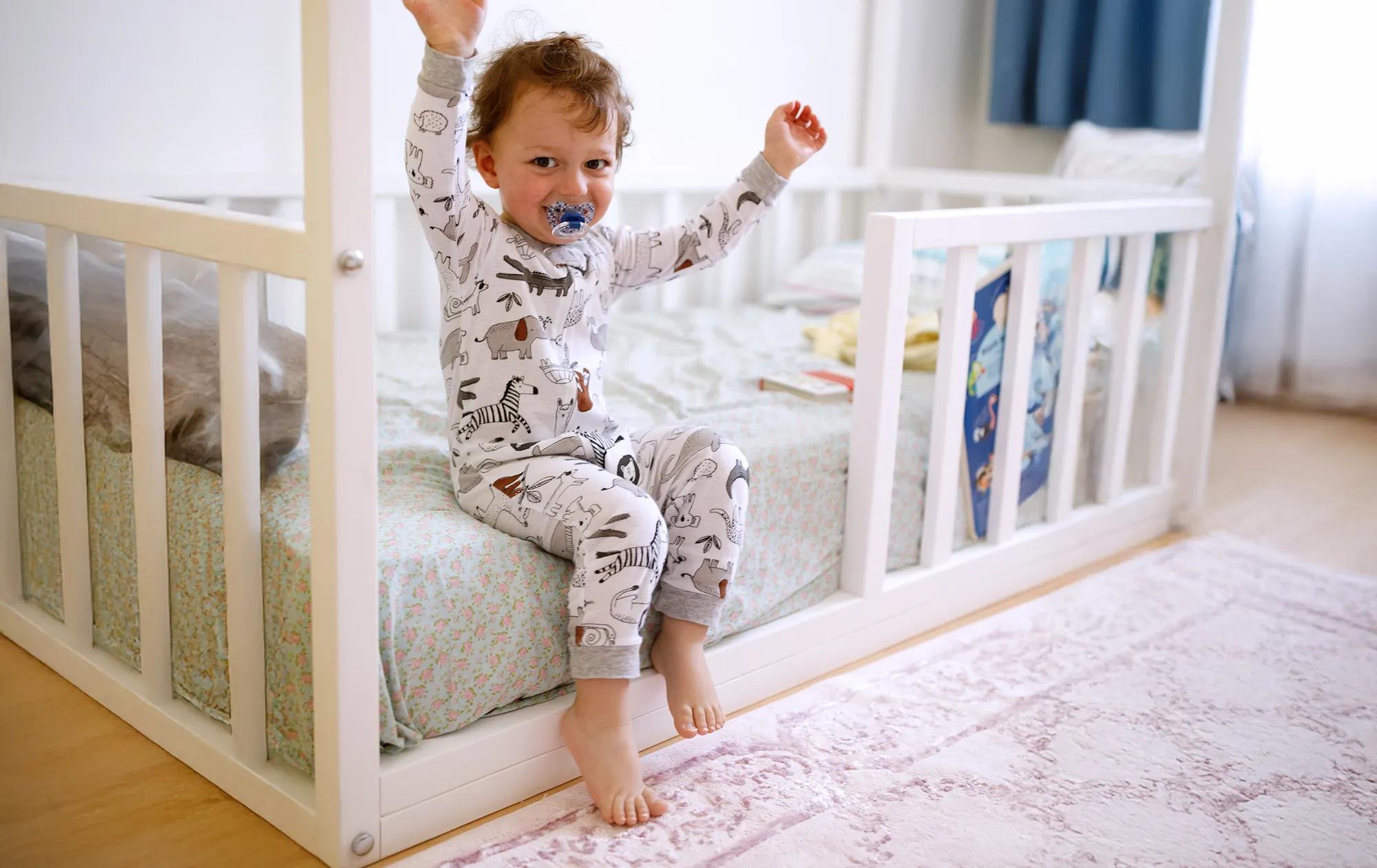
Credit: health.clevelandclinic.org
Choosing The Right Bed
Choosing the right bed for a toddler is very important. It affects how well your child sleeps and stays safe. Toddlers need a bed that fits their size and keeps them comfortable. The right bed also helps them feel secure as they move from crib to bed. Parents want a bed that grows with their child and meets safety needs.
Understanding the differences between toddler beds and cribs helps make a smart choice. Safety features are also key to prevent accidents and keep your child safe at night.
Toddler Beds Vs. Cribs
Toddler beds are smaller than regular beds but bigger than cribs. They often have low frames to help kids get in and out easily. Cribs have high sides to stop babies from falling out. Toddlers may feel trapped in a crib once they grow. A toddler bed offers more freedom but still feels safe. Parents switch to toddler beds when children start climbing out of cribs.
Many toddler beds use the same mattress as cribs. This makes the transition smooth and saves money. Toddler beds also come with fun designs that kids enjoy. They help make bedtime more exciting.
Safety Features To Look For
Choose a bed with guardrails on both sides to prevent falls. Check that the bed frame is sturdy and well-built. Avoid beds with sharp edges or small parts that can break off. The mattress should fit snugly to avoid gaps where kids can get stuck. Look for non-toxic paint and materials to keep the environment safe.
Some beds come with low height to reduce injury risk from falls. Make sure the bed is stable and does not wobble. A good toddler bed balances comfort, safety, and fun design. It supports healthy sleep and peace of mind for parents.
Safety Tips For Toddler Bed Sleep
Transitioning a toddler to a bed is a big step for both parents and children. Safety becomes the top priority during this change. Toddlers move a lot in their sleep and need a safe space to rest. This section offers key safety tips to protect toddlers from harm while they sleep in a bed. Simple actions can reduce risks and give parents peace of mind.
Preventing Falls And Injuries
Use bed rails to stop toddlers from rolling off the bed. Place the bed close to the wall to block one side. Remove sharp or hard objects near the bed area. Teach toddlers to stay in bed until morning light. Use a mattress on the floor for younger toddlers who move a lot. Keep floors clear of toys and obstacles to avoid trips.
Creating A Safe Sleep Environment
Choose a firm mattress that fits the bed frame well. Avoid heavy blankets and pillows that can cause suffocation. Keep the room temperature comfortable, not too hot or cold. Use a nightlight to help toddlers feel secure in the dark. Make sure cords, blinds, and curtains are out of reach. Regularly check the bed and room for any hazards.
Sleep Duration For Toddlers
Toddlers need plenty of sleep to grow well and stay healthy. Sleep helps their brain and body develop. Knowing how long toddlers should sleep guides parents in setting bedtime and nap times. Toddlers’ sleep needs change as they grow older. Understanding these changes can create better sleep habits for your child.
Recommended Sleep Hours By Age
Toddlers aged 1 to 2 years typically need 11 to 14 hours of sleep daily. This includes naps and nighttime sleep. Children aged 3 to 5 years usually require 10 to 13 hours of sleep every day. Sleep helps with memory, attention, and mood. Getting enough rest supports overall health and learning.
Adjusting Bedtime Routines
As toddlers grow, their sleep patterns change. Adjust bedtime routines to fit these changes. Keep a calm and consistent routine before bed. Quiet activities like reading or soft music help signal sleep time. Avoid screens and sugary snacks close to bedtime. A steady routine makes falling asleep easier and improves sleep quality.
Common Challenges And Solutions
Moving a toddler to a bed brings new challenges for parents. Nighttime fears and bedtime resistance often arise. These problems can disrupt sleep for both children and parents. Understanding common issues helps find practical solutions. Consistency and patience are keys to success.
Dealing With Nighttime Fears
Toddlers may feel scared of the dark or noises at night. Imaginary monsters or shadows can seem real to them. Comfort items like a favorite toy or blanket help ease anxiety. Soft night lights provide a gentle glow without disturbing sleep. Talk calmly about their fears. Reassure them that they are safe in their room.
Handling Bedtime Resistance
Some toddlers refuse to stay in bed or delay sleep. Establishing a clear bedtime routine creates predictability. Simple steps like brushing teeth and reading a story calm the child. Avoid stimulating activities before bed, like screen time. Be firm but kind when guiding them back to bed. Praise good behavior to encourage cooperation. Consistent rules help toddlers feel secure and ready for sleep.

Credit: www.lilbabysleep.com
When To Move Beyond A Toddler Bed
Knowing when to move beyond a toddler bed is important for your child’s comfort and safety. The toddler bed suits most kids between ages 2 and 5. But each child is different. Some may need a bigger bed sooner. Others may stay happy in a toddler bed longer.
Watch your child’s behavior and physical growth. These clues help decide the right time to switch. Moving too early or too late can cause problems. The goal is to make the change smooth and stress-free.
Indicators Your Child Is Ready
Look for signs that your child outgrows the toddler bed. Do their feet hang off the edge? Are they climbing out often? These are clear signs your child needs more space.
Also, check if your child feels cramped or uncomfortable. Sudden fear of sleeping in the toddler bed can mean it’s time. If your child talks about wanting a “big kid” bed, this desire matters too.
Transitioning To A Twin Or Full Bed
Start by introducing the new bed in a familiar room. Let your child explore and play on it during the day. Keep their favorite blankets and toys close for comfort.
Establish a bedtime routine that feels the same as before. Praise your child for using the new bed. Expect some resistance but stay patient. Consistency helps your child adjust faster.
Choose a bed with safety rails if needed. This prevents falls and boosts confidence. Make the bed cozy and inviting. A smooth transition supports better sleep and happy mornings.
Frequently Asked Questions
At What Age Can Toddlers Safely Sleep In A Bed?
Toddlers can safely sleep in a bed between 18 months to 3 years. This depends on their physical development and readiness to transition from a crib.
How Long Should Toddlers Stay In A Crib?
Toddlers typically stay in a crib until 2 to 3 years old. Moving earlier or later depends on their size, climbing ability, and family preferences.
What Signs Show A Toddler Is Ready For A Bed?
Signs include climbing out of the crib, showing interest in a bed, and following simple instructions. Safety and comfort are key indicators for readiness.
Is It Safe For Toddlers To Sleep In A Big Bed?
Yes, if the bed has safety rails and a low height. Ensure the room is childproofed to prevent falls and injuries during the night.
Conclusion
Toddlers can sleep in a bed at different ages. Safety and comfort matter most. Parents should watch for signs of readiness. Beds with rails help prevent falls. Keep the room safe and free of hazards. Every child grows and changes at their own pace.
Trust your instincts and adjust as needed. Happy, safe sleep builds healthy habits early. Choosing the right time makes bedtime easier for all.