Are you wondering if your little one is too old for a toddler bed? Choosing the right bed for your child isn’t just about comfort—it’s about safety and helping them feel secure as they grow.
You might be asking yourself, “When is the right time to move on? ” or “Could my child still be comfortable in a toddler bed? ” This guide will help you understand the signs that say it’s time for a change and how to make the transition smooth for both you and your child.
Keep reading to find out how to make the best choice for your toddler’s sleep and growth.

Credit: mommyonpurpose.com
Toddler Bed Age Range
Choosing the right time for a toddler bed matters. It helps your child feel safe and comfortable. The age range for toddler beds is not fixed. It varies depending on your child’s growth and readiness. Knowing the typical starting age and signs to transition can guide you well.
Typical Starting Age
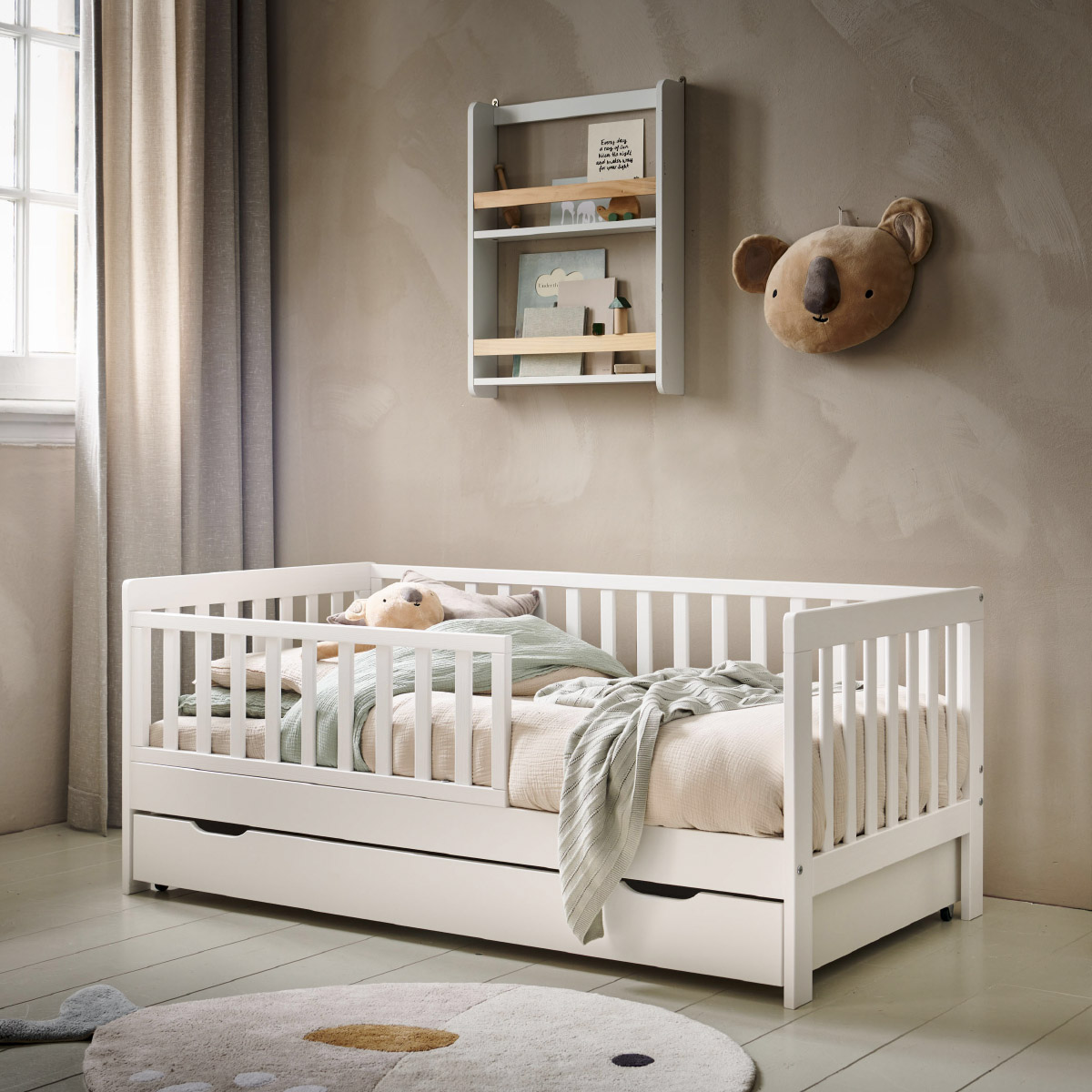
Most toddlers start using a toddler bed between 18 months and 3 years. This range fits most children’s growth and development. Some children may start earlier or later. It depends on their size and sleeping habits. Toddler beds are smaller than regular beds. They have safety rails to prevent falls. This makes them perfect for young children moving out of cribs.
Signs To Transition
Watch for signs your child needs a toddler bed. If they climb out of the crib often, it is time to change. If your child feels cramped in the crib, a bigger bed helps. Growing too tall for the crib can cause discomfort. Your child may express a desire for a “big kid” bed. Safety is key. A toddler bed with side rails reduces risks. It offers a safe step from the crib to a regular bed.
When To Move On
Deciding when to move your toddler from their bed can be tricky. Many parents wonder how old is too old for a toddler bed. Watching your child grow is a good sign it might be time for a change. Safety, comfort, and behavior all play a role in this decision.
Outgrowing The Bed Size
Toddler beds are smaller than regular beds. When your child’s feet hang over the edge, the bed is too small. If your toddler looks cramped or uncomfortable, it’s time to upgrade. A bigger bed gives your child room to stretch and sleep better.
Behavioral Indicators
Notice if your child climbs out of the bed often. Restlessness or difficulty sleeping may signal they need more space. Some toddlers resist the toddler bed and want a “big kid” bed. These signs show your child is ready for a new sleeping space.
Safety Concerns
Toddler beds have low rails for protection. As your child grows, these rails may not be enough. If your toddler falls out frequently, consider moving to a bigger bed. A bed with a proper frame and mattress size is safer for older toddlers.
Alternatives After Toddler Beds
After a toddler outgrows their bed, parents face a new choice. Several options suit different needs and spaces. These alternatives offer comfort and safety for growing kids. They also help children adjust smoothly to bigger beds.
Twin Beds
Twin beds provide plenty of space for kids to stretch out. They suit children who enjoy more room or share a bedroom. Twin beds come in many styles and colors. Parents often choose beds with guardrails for safety. These beds last for many years, growing with your child.
Floor Beds
Floor beds sit directly on the floor, without a frame. They allow toddlers to get in and out easily. Floor beds reduce the risk of falls. They suit active children who like freedom and movement. This choice also encourages independence and confidence in kids.
Convertible Cribs
Convertible cribs transform from cribs to toddler beds and beyond. They save money by adapting to each stage. Some convert into daybeds or twin beds. These cribs offer long-term use with sturdy designs. They provide a familiar and cozy sleeping space for your child.

Credit: www.maxtrixkids.com
Expert Tips For Transitioning
Transitioning a toddler from a crib to a toddler bed is a big step. Parents often wonder how to make this change smooth and safe. Expert tips can help ease this process for both toddlers and parents. These tips focus on the right timing, comfort, and involving your child.
Timing The Move
Choose the right moment to switch beds. Look for signs like climbing out of the crib or showing interest in a bigger bed. Avoid moving during other big changes, such as starting daycare or moving homes. A calm period helps your child adjust better.
Making It Comfortable
Create a cozy space in the new bed. Use familiar blankets or stuffed toys. Keep the room calm and quiet at bedtime. A night light can help if your child feels scared in the dark. Comfort helps your toddler feel safe and relaxed.
Involving Your Child
Let your toddler help choose the new bed or bedding. Talk about the new bed as something exciting and big-kid-like. Involving your child builds excitement and reduces fear. It makes the transition feel like a fun adventure.
Common Challenges And Solutions
Moving a toddler to a new bed can bring many challenges. Parents often face issues that affect both the child’s comfort and safety. Understanding common problems helps in making this transition easier. Simple solutions can create a smooth change for toddlers and parents alike.
Resistance To Change
Toddlers may feel scared or unsure about their new bed. They know their crib and feel safe there. New beds can seem strange and big.
To ease this, involve your child in choosing bedding or toys. Keep a bedtime routine familiar. Praise small steps toward sleeping in the new bed.
Sleep Disruptions
Switching beds can cause night waking or trouble falling asleep. Changes in comfort or fear of the new space may cause this. Nights might be restless for a few days.
Keep calm and consistent. Use a nightlight or a favorite blanket. Avoid big changes in bedtime during this period.
Room Safety Adjustments
A toddler bed means more freedom to move. This can lead to new safety concerns. Sharp corners, loose cords, or heavy objects need checking.
Make sure windows are locked. Remove choking hazards and install safety gates if needed. Soft rugs and guards on furniture help prevent injuries.
Parental Experiences
Parents often wonder about the right age for toddlers to switch beds. Their experiences offer real insight. These stories help other parents decide what works best for their child. Every child is different, and so is every family’s journey.
Success Stories
Many parents share positive stories about early transitions. Some children feel excited and grow more independent. Parents notice better sleep patterns after the switch. Small beds make toddlers feel like big kids. Safety measures, like guardrails, help ease the change. A calm bedtime routine supports smooth adjustments. These stories show the benefits of a toddler bed at the right time.
Lessons Learned
Some parents face challenges during the switch. Toddlers may resist leaving the crib at first. Night waking and climbing out can happen. Consistency in bedtime rules is important. Patience and gentle guidance work best. Parents learn to create a safe, welcoming sleep space. These lessons help others avoid common pitfalls. Experience teaches what to expect and how to cope.
Credit: www.petiteamelie.co.uk
Frequently Asked Questions
How Old Is Too Old For A Toddler Bed?
Most children outgrow toddler beds by ages 4 to 5. Transitioning earlier or later depends on the child’s size and comfort. Safety and developmental readiness guide this change more than age alone.
When Should A Toddler Move To A Big Kid Bed?
Children typically switch to a big kid bed between ages 3 to 5. Signs include climbing out of the toddler bed or needing more space to sleep comfortably.
What Are Signs A Toddler Outgrows Their Bed?
Frequent climbing out, discomfort, or the bed feeling too small are common signs. If your child wakes up restless or cramped, it’s time to consider a bigger bed.
Can Toddlers Use A Twin Bed Instead Of A Toddler Bed?
Yes, toddlers can use twin beds if safety rails are added. Twin beds offer more space but require supervision to prevent falls.
Conclusion
Choosing the right time to switch from a toddler bed matters. Watch your child’s comfort and safety closely. When they start climbing out or feel cramped, it’s time to change. Every child grows at their own pace. Trust your instincts and observe their needs daily.
A good night’s sleep supports healthy growth and mood. Keep these points in mind to make the best choice. Your child will thank you with peaceful, safe rest. Simple steps lead to happy bedtime routines.