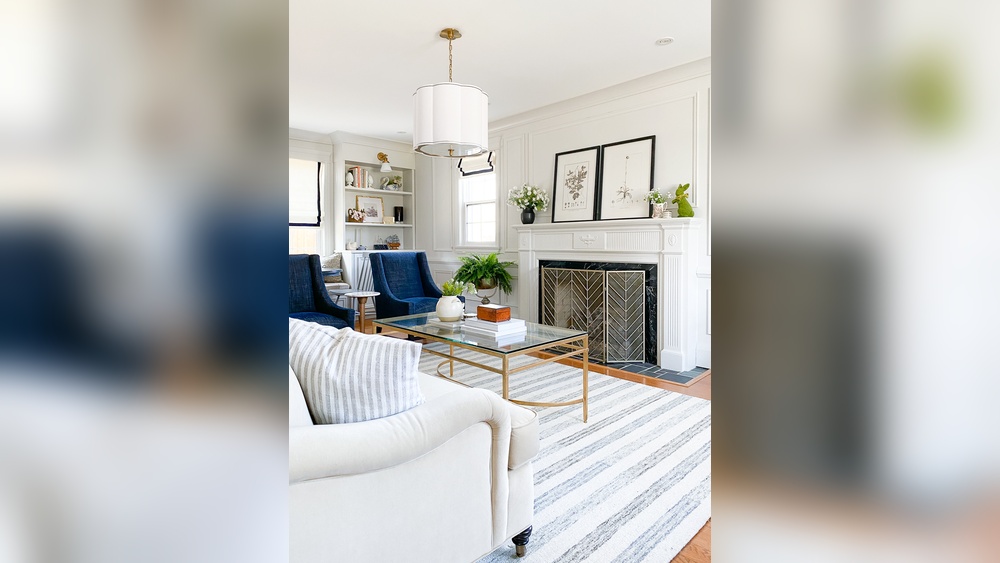
Struggling to arrange furniture in your long, narrow living room? You’re not alone.
It’s easy to feel boxed in when the space stretches out but feels tight width-wise. The good news is that with the right tricks, you can turn this awkward layout into a stylish, comfortable haven. Imagine your living room feeling wider, more balanced, and inviting—all without a major renovation.
In this guide, you’ll discover simple, practical ways to position your furniture that open up your space and make every inch work for you. Ready to transform your long, narrow living room into a space you love? Let’s get started!
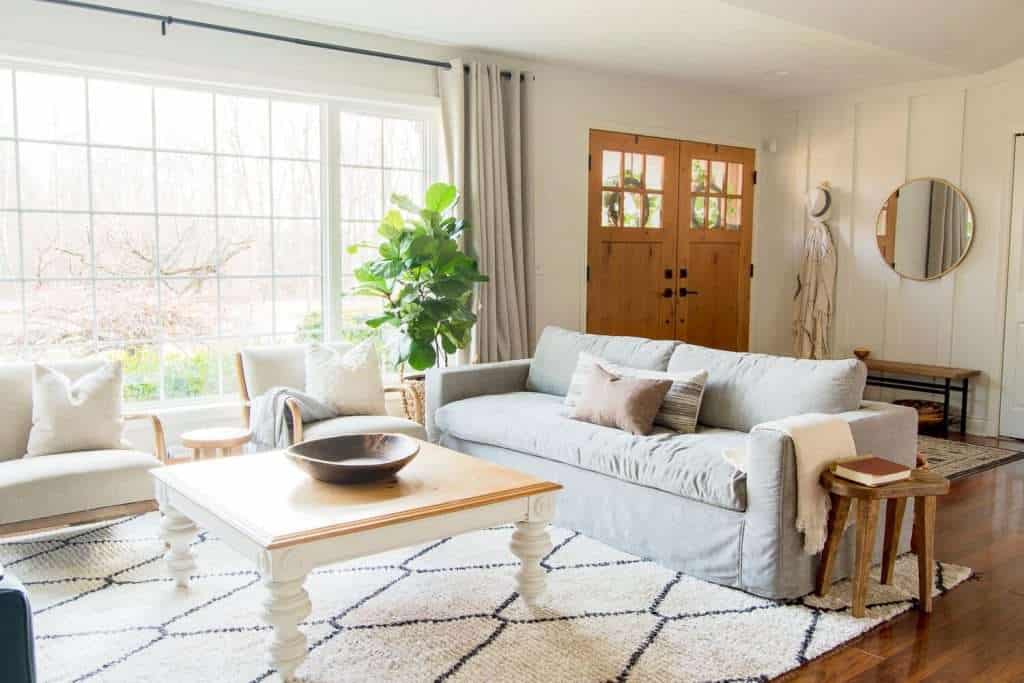
Credit: graceinmyspace.com
Divide Into Zones
Dividing a long narrow living room into zones creates balance and flow. It breaks the space into smaller, useful areas. This approach stops the room from feeling like a tunnel. Each zone serves a purpose, making the room feel welcoming and functional.
This method also guides how to place furniture. Zones help avoid clutter and make the room easier to navigate. You can create areas for different activities, like relaxing or reading.
Create Seating And Reading Areas
Start by placing a main seating area in one zone. Use a sofa and chairs to form a cozy spot for talking or watching TV. In another zone, add a comfortable chair and a small table. This creates a quiet reading nook. Keep these zones separate but connected.
Use Rugs To Define Spaces
Rugs help mark each zone clearly. Place a large rug under the main seating group. It anchors the furniture and adds warmth. Use a smaller rug in the reading area. Rugs show where one zone ends and another begins. This trick adds color and texture too.
Add Secondary Furniture Groups
Include extra furniture pieces to balance the room. A pair of chairs at the far end makes a secondary seating group. Add a console table or bookshelf between zones to separate spaces. These pieces create interest and keep the room from feeling empty.
Float Furniture Strategically
Floating furniture strategically transforms a long narrow living room. It opens the space and improves flow. Instead of pushing every piece against the walls, create a layout that feels balanced and inviting. This method breaks up the room’s length and adds dimension. Thoughtful placement highlights each area’s function and style.
Pull Pieces Away From Walls
Pull furniture a few inches away from the walls. This creates breathing room and makes the space feel wider. It stops the room from feeling cramped or tunnel-like. Even a small gap can add a sense of depth. Arrange chairs, sofas, or tables so air flows around them.
Place Furniture Perpendicular To Walls
Place key pieces across the width of the room. Position sofas or loveseats perpendicular to the walls. This cuts across the long shape and adds interest. It creates natural seating zones and breaks the room into smaller parts. This setup also encourages conversation and comfort.
Center Main Seating Area
Center the main seating area in the room’s middle. Use an area rug to anchor this space visually. Arrange sofas and chairs around the rug for unity. This prevents the furniture from feeling pushed to one side. It helps balance the room and invites guests to gather.
Add Curves And Soft Shapes
Adding curves and soft shapes to a long narrow living room creates a gentle flow. It breaks the hard lines and makes the space feel more inviting. Rounded furniture pieces can soften the room’s length and bring balance.
Using curved elements helps the eye move easily through the room. It avoids the tunnel effect common in long, narrow spaces. Soft shapes also add a touch of style without overwhelming the layout.
Use Round Tables And Ottomans
Round tables fit perfectly in narrow rooms. They save space by eliminating sharp corners. This makes walking paths easier and safer.
Ottomans with soft edges offer extra seating or serve as footrests. Choose ottomans with rounded shapes to complement your seating area. Their softness balances the room’s straight lines and adds comfort.
Incorporate Circular Mirrors
Circular mirrors reflect light and open up the space visually. They soften the room’s shape and add interest to bare walls. Place a round mirror at the end of the room to create depth.
The curved mirror edges contrast with the long straight walls. This contrast reduces the feeling of narrowness. It also creates a cozy and stylish atmosphere in the living room.
Enhance Vertical Space
In a long narrow living room, vertical space is a valuable asset. It draws the eye upward, making the room feel taller and less confined. Using vertical elements balances the room’s length and adds style without cluttering the floor. This approach creates an open, airy atmosphere that feels comfortable and inviting.
Install Tall Bookshelves
Tall bookshelves use the full height of the walls. They provide plenty of storage without taking up much floor space. Choose slim, high shelves to keep the room feeling open. Display books, art, and decor to add personality and color. Tall bookshelves create a strong vertical line that enhances room height.
Use Floor-to-ceiling Curtains
Floor-to-ceiling curtains make windows look bigger and walls taller. Hang curtains close to the ceiling and let them fall to the floor. This tricks the eye into seeing more height. Select light, sheer fabrics to keep the space bright. Curtains add softness and elegance while emphasizing vertical space.
Add Tall Plants
Tall plants bring life and height to the room. Place them in corners or beside furniture to fill empty vertical space. Plants like fiddle leaf figs or snake plants reach upward naturally. They improve air quality and add a touch of nature. Tall plants create vertical interest and break up long lines.
Layer Lighting
Layer lighting plays a key role in brightening a long narrow living room. It adds depth and warmth to the space. Using multiple light sources creates a cozy and inviting atmosphere. It also helps balance the room’s proportions visually. Careful lighting placement enhances your furniture layout and highlights different areas.
Combine Floor And Table Lamps
Use floor lamps to add height and fill corners. They bring light to darker spots far from windows. Table lamps add softer light near seating or side tables. Combining both types gives flexibility. You can adjust brightness for reading or relaxing. Position lamps on opposite sides to spread light evenly. This mix avoids harsh shadows and bright spots.
Create Balanced Illumination
Place lights to cover the entire room. Avoid areas that feel too dark or too bright. Balance overhead lighting with floor and table lamps. This stops the room from feeling narrow or tunnel-like. Use warm bulbs to make the space feel welcoming. Dimmer switches help control the mood. Balanced lighting makes the room look larger and more open.
Use Mirrors For Depth
Mirrors add depth to a long narrow living room. They create an illusion of space. Proper mirror placement brightens the room by reflecting natural and artificial light. This makes the room feel larger and more open.
Place Mirrors To Reflect Light
Place mirrors opposite windows to catch sunlight. This doubles the light in the room. Avoid placing mirrors where they reflect clutter. Instead, reflect attractive views or open spaces. Positioning mirrors near lamps or light fixtures also helps. The reflected light spreads across the room evenly.
Choose Round Mirror Designs
Round mirrors soften the hard lines of a narrow room. Their curves contrast with the room’s long rectangular shape. This adds visual interest without crowding the space. Choose sizes that fit the wall without overwhelming it. Round mirrors can become a focal point above furniture or on empty walls.
Select Furniture Wisely
Selecting the right furniture is key in a long narrow living room. The wrong pieces can make the space feel cramped and awkward. Choose items that fit the room’s shape and size. Focus on creating balance and flow. This way, the room feels open and inviting.
Keep furniture scale in mind. Large, bulky sofas crowd the space. Slim, streamlined pieces open up the room. Think about how each item works with the room’s layout. Every piece should add comfort without clutter.
Opt For One-sided Couch Layout
Place the couch along one long wall only. This arrangement saves floor space and avoids blocking pathways. It also helps define the seating area clearly. Use a narrow sofa to keep the space light and airy. Add a slim coffee table in front for functionality.
Mix And Match Styles
Combine different furniture styles for a fresh look. Pair a modern sofa with vintage chairs. This adds character without crowding the room. Use pieces with open legs to create a sense of lightness. Avoid heavy or oversized furniture that closes in the space.
Consider Feng Shui Principles
Arrange furniture to encourage good energy flow. Avoid blocking doorways or windows with large items. Keep pathways clear and easy to navigate. Position the main seating facing the room’s entrance for balance. Use soft, rounded edges to soften sharp corners. This promotes comfort and harmony.

Credit: www.ramblingrenovators.ca
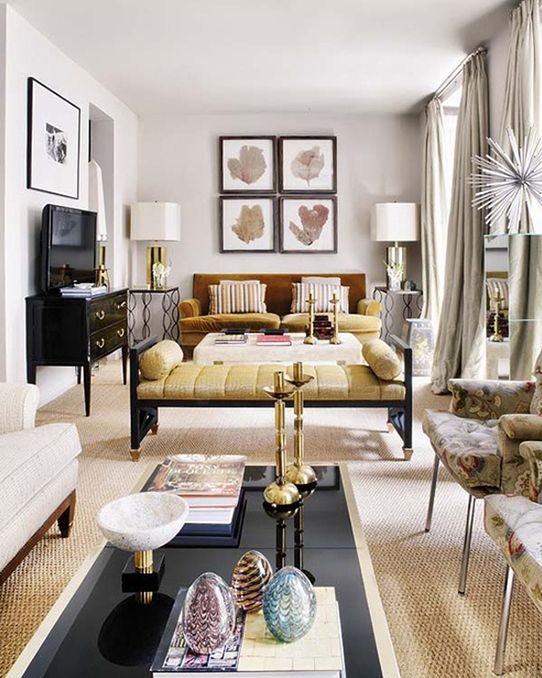
Credit: www.katewiltshiredesign.co.uk
Frequently Asked Questions
How To Place Furniture In A Long, Narrow Living Room?
Divide the room into zones using rugs to define areas. Float furniture away from walls. Place key pieces perpendicular to walls. Use curved furniture and vertical elements to soften and balance the space. Add layered lighting and mirrors to enhance openness and warmth.
What Is The Biggest Mistake In Placement Of Furniture?
The biggest mistake in furniture placement is pushing all pieces against walls, which limits flow and wastes space. Floating furniture creates better balance and movement.
What Is The 2/3 Rule Furniture?
The 2/3 rule in furniture means placing larger pieces on two-thirds of a wall or space. This balances the room visually and improves flow. It helps create a harmonious layout, especially in long or narrow rooms, by preventing overcrowding and enhancing comfort.
How Do You Balance A Long, Narrow Room?
Balance a long, narrow room by dividing it into zones and pulling furniture away from walls. Use rugs to define areas. Position key pieces perpendicular to walls. Incorporate curved furniture, vertical elements, layered lighting, and mirrors to soften and widen the space visually.
Conclusion
Positioning furniture in a long narrow living room takes planning and creativity. Divide the space into smaller zones for balance and function. Pull furniture away from walls to open up the room. Use rugs to define each area clearly. Choose curved or round pieces to soften hard lines.
Add tall items to draw the eye upward. These simple steps create a cozy, inviting space that feels wider. With careful arrangement, your narrow living room will look stylish and comfortable.
