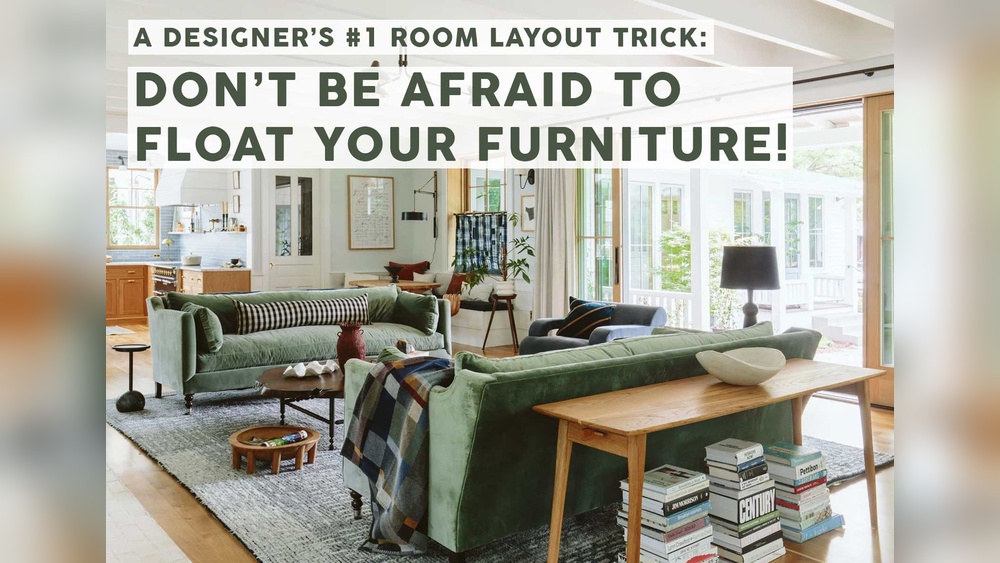
Wondering how to place your living room furniture for the best look and feel? The way you arrange your furniture can transform your space from cluttered and uncomfortable into inviting and functional.
You want your living room to be a place where you can relax, entertain, and feel at ease. But where do you start? By focusing on a few simple principles—like choosing a focal point, encouraging conversation, and keeping traffic flowing smoothly—you can create a layout that works perfectly for your lifestyle.
Keep reading, and you’ll discover easy tips to arrange your living room furniture like a pro, making your space both beautiful and practical.
Choose A Focal Point
Choosing a focal point helps organize your living room furniture. It draws attention and guides where to place sofas and chairs. The right focal point creates a welcoming and balanced space. It also makes the room feel cozy and functional.
Fireplace
A fireplace naturally grabs attention in a living room. Arrange seating around it to create warmth and comfort. Place the sofa facing the fireplace for a cozy feel. Add chairs on either side to balance the space. Keep pathways clear for easy movement.
Tv
The TV often acts as a main focal point in modern living rooms. Position your sofa directly facing the screen. Arrange chairs nearby to include everyone in viewing. Avoid glare by placing the TV away from windows. Keep all seats within a good viewing distance.
Window
Large windows offer beautiful views and natural light. Arrange furniture to highlight the window without blocking light. Place a sofa or chairs facing the window for relaxation. Add a small table for reading or enjoying the view. This setup brings nature inside your living room.
Create A Conversation Area
A conversation area encourages socializing and connection. Arrange chairs and sofas close enough for easy talking. Avoid placing seats too far apart or facing away. Use a coffee table in the center for shared items. This layout makes the room inviting and lively.
Arrange Seating
Seating arrangement shapes the comfort and function of your living room. Thoughtful placement invites guests to relax and chat easily. It also guides movement and keeps the space balanced.
Focus on how seats face each other and the room’s focal point. Plan for clear paths so no one feels cramped or blocked. Proper seating setup creates a warm, welcoming atmosphere.
Position For Easy Conversation
Place chairs and sofas close enough for clear, natural talk. About 4 to 10 feet apart works well for most rooms. Arrange seats to face each other or at slight angles.
Group seating around a coffee table or rug. This anchors the space and gives a spot to place drinks or books. Avoid lining all furniture against walls; pull pieces inward to create a cozy circle.
Avoid Isolated Seating
Every seat should feel part of the group. Do not push a chair far away from the main area. Isolated seats make guests feel left out or uncomfortable.
If space is tight, use smaller chairs or stools near the main sofa. This adds seating without breaking the conversation flow. Keep all seats within easy reach of each other to encourage interaction.
Balance Visual Weight
Balancing visual weight in your living room creates a sense of harmony. It helps the space feel welcoming and organized. Without balance, one side may look heavy while the other feels empty. Properly balancing furniture makes the room more comfortable and visually pleasing.
Distribute Large And Small Pieces
Place large furniture items like sofas or armchairs opposite each other. Avoid clustering all big pieces on one side. Spread smaller items such as side tables or ottomans around the room. This even distribution prevents one area from feeling crowded or empty. Mixing sizes keeps the room dynamic and balanced.
Maintain Room Symmetry
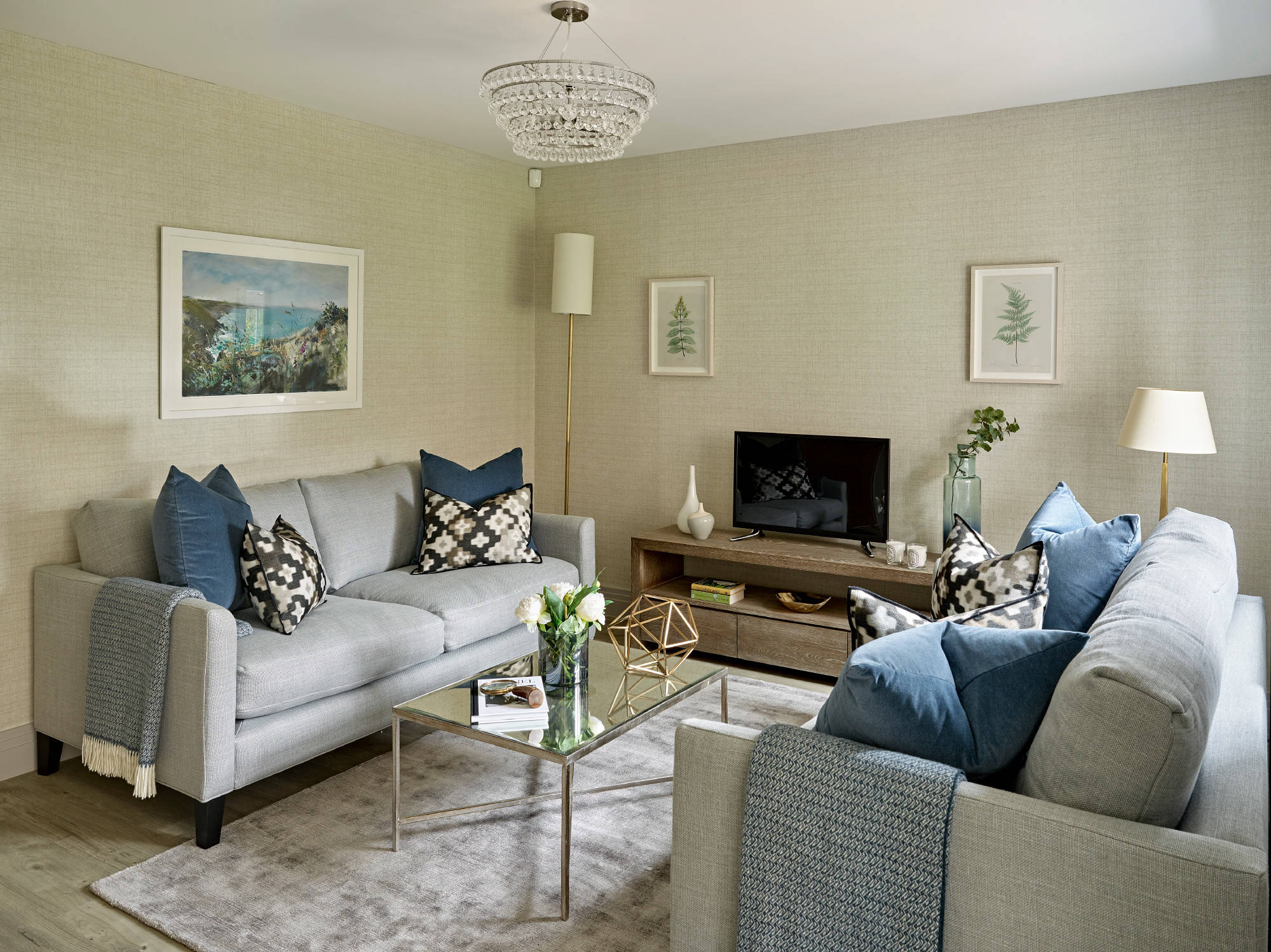
Arrange furniture so both sides of the room mirror each other. Use pairs of chairs, lamps, or tables to create symmetry. Symmetry brings calmness and order to the space. It also helps guests feel more relaxed and comfortable. Symmetrical layouts work well in formal or traditional living rooms.
Credit: www.houzz.ie
Consider Traffic Flow
Consider traffic flow when placing your living room furniture to create a comfortable space. Good traffic flow means people can move easily without bumping into furniture. It helps avoid a crowded or cluttered feeling. Planning clear paths makes the room feel open and inviting. Think about where people walk most often and keep those routes free. This simple step improves both function and style in your living room.
Leave Clear Walkways
Clear walkways help people move without obstacles. Leave at least 2 to 3 feet of space for paths. Avoid placing furniture too close to doors or hallways. This space lets people walk comfortably and safely. Paths should connect key areas, like the sofa to the door or TV. Clear walkways also make the room look larger and more open.
Prevent Furniture Obstructions
Keep furniture away from main walking routes to prevent blockages. Avoid placing large pieces where people naturally walk. Chairs or tables in the way cause trips and discomfort. Arrange furniture to guide movement around the room, not through it. Make sure no item blocks windows or light sources. This keeps the room bright and easy to navigate.
Pull Furniture Away From Walls
Pulling furniture away from walls changes the entire feel of your living room. It breaks the traditional layout and opens up new possibilities. This arrangement invites better flow and a more welcoming atmosphere.
Many people push sofas and chairs right against walls. This can make the room feel cramped or lifeless. Moving pieces inward creates an intimate and balanced space. It also helps you see the room’s true size.
Create Spacious Feel
When furniture floats away from walls, rooms feel larger. It adds breathing room around each piece. This extra space stops the room from feeling boxed in or tight.
Floating furniture lets light flow under and around pieces. This makes the space seem airier and less cluttered. It creates a gentle rhythm that the eye enjoys.
You can also add rugs or small tables in the open spaces. These elements highlight the spacious layout. They provide spots for feet or drinks without crowding the area.
Enhance Room Intentionality
Placing furniture away from walls helps define the room’s purpose. It creates clear zones for sitting, talking, or relaxing. This makes the space feel planned and purposeful.
Group chairs and sofas closer together to encourage conversation. This pulls people into a shared space and invites connection. It also helps focus attention on a central point like a fireplace or TV.
Open areas around the furniture improve traffic flow. Guests can walk freely without bumping into corners or edges. This thoughtful layout reduces clutter and promotes comfort.

Credit: stylebyemilyhenderson.com
Place Tables Strategically
Placing tables strategically in your living room enhances both style and function. Tables serve as convenient spots for drinks, books, and decor. Thoughtful placement keeps the room balanced and user-friendly. Choose spots that complement seating arrangements and allow easy access. Tables should invite interaction without crowding the space.
Coffee Tables Within Reach
Position the coffee table close to the main seating area. Keep it at a comfortable distance so people can reach it without stretching. The ideal gap is about 18 inches from the sofa or chairs. This space allows easy movement and prevents bumps. The coffee table anchors the seating zone and provides a surface for essentials.
Choose a table size proportional to your sofa. Large tables can overwhelm small rooms. Smaller tables keep the area open and airy. Round or oval shapes work well in tight spaces, reducing sharp corners. A well-placed coffee table invites guests to relax and enjoy the space.
Accessible Side Tables
Side tables add extra surface area beside chairs or sofas. Place them where people naturally rest their arms or set down items. A side table next to a reading chair holds books and lamps. Near the sofa, it offers a spot for drinks or remotes.
Keep side tables at a height similar to the armrest for easy use. Avoid blocking walkways or crowding furniture. Multiple side tables can balance the room and support various seating spots. Accessible side tables improve comfort and keep your living room tidy.
Use Rugs To Anchor
Using rugs to anchor your living room furniture creates a warm and inviting space. Rugs define areas and bring together different furniture pieces. They add texture and color, making the room feel cozy and complete.
A well-chosen rug helps organize the layout. It guides the eye and sets the stage for furniture placement. Rugs also protect your floors and reduce noise, adding both style and function.
Choose Proper Rug Size
Select a rug that fits your living room size and furniture. A rug too small looks lost and fails to unify the space. A large rug can make the room feel bigger and more connected.
For most living rooms, aim for a rug that fits under at least the front legs of sofas and chairs. Leave some floor visible around the edges to balance the look. Measure your area before buying to ensure the right fit.
Position Furniture On Rugs
Place furniture so it interacts naturally with the rug. Seating should sit on the rug to feel anchored and stable. Avoid placing all furniture off the rug, which breaks the visual flow.
For small rugs, place just the front legs of sofas or chairs on the rug. Larger rugs can hold entire furniture pieces fully on them. This arrangement creates a comfortable and inviting seating area.
Use rugs to divide zones in open-plan spaces. Position rugs under seating groups or coffee tables to mark separate areas. This keeps your living room organized and visually appealing.
Select Right Furniture Size
Choosing the right furniture size is key to a well-arranged living room. It affects comfort, flow, and overall look. Furniture that fits your space makes the room feel balanced and inviting. Oversized pieces can crowd the area, while too-small items may seem lost. Thoughtful selection improves both function and style.
Match Scale To Room Size
Measure your room before buying furniture. Large rooms can handle bigger sofas and chairs. Small rooms need compact pieces to avoid clutter. Keep enough space for walking paths. Leave at least 18 inches between furniture and walls. This creates a comfortable flow and open feel. Matching scale helps the room look natural and cozy.
Opt For Multi-functional Pieces
Choose furniture that serves more than one purpose. A sofa bed or storage ottoman saves space and adds utility. Multi-functional pieces reduce the number of items needed. This keeps the room less crowded and easier to arrange. Select items that fit your lifestyle and room size. This smart choice improves comfort without sacrificing space.
Adapt Layout For Room Shape
Adapting your living room furniture layout to the shape of the room improves comfort and style. Each room shape has unique challenges and possibilities. Designing with the room’s shape in mind creates a balanced and functional space. This section explains how to adjust your furniture arrangement for different room shapes.
Square Vs. Rectangular Rooms
Square rooms feel balanced but can feel cramped without careful planning. Place furniture to create clear zones for sitting, relaxing, or socializing. Use a round or square coffee table to match the room shape. Avoid pushing all furniture against the walls. Pull pieces inward to create a cozy center.
Rectangular rooms often require a different approach. Arrange seating parallel to the longer walls to open the space. Use area rugs to define sitting areas. Add side tables to break up long lines. This keeps the room from feeling like a hallway. Balance the furniture size with the room length to avoid crowding.
Open Plan Considerations
Open plan living rooms combine spaces like kitchen, dining, and sitting areas. Use furniture placement to create clear zones in this large area. Position sofas or chairs to form a barrier between zones. Rugs help mark each area’s boundaries.
Keep pathways clear for easy movement between zones. Avoid blocking windows or doors with furniture. Choose furniture that fits the scale of the open space. Large sectional sofas or modular pieces work well here. This layout encourages flow and social interaction while defining each space.
Measure Before Buying
Measuring your living room before buying furniture saves time and money. It helps avoid buying pieces that do not fit or crowd the space. Accurate measurements create a balanced, comfortable layout. Start by measuring the room’s length, width, and any architectural features like doors or windows. Note the size carefully to guide your furniture choices.
Measure each piece you plan to buy. This ensures every item fits well and leaves enough room for movement. Use a tape measure and write down all dimensions. Keep these numbers handy when shopping or ordering online.
Check Clearances
Clearance means the space between furniture pieces and around them. Leave enough room to walk freely and open doors or drawers easily. For example, keep at least 18 inches between a sofa and a coffee table.
Check paths people use to enter and exit the room. Make sure no furniture blocks these routes. Clear spaces help the room feel open and inviting.
Plan For Future Additions
Think about adding more furniture or decor items later. Leave extra space for a new chair, side table, or lamp. This prevents the room from feeling cramped over time.
Measure with some flexibility. Avoid filling every inch of space now. This approach keeps your living room adaptable for future needs and style changes.
:strip_icc()/living-room-large-area-rug-bcf9729c-14f549116b444f129b52258baf998392.jpg)
Credit: www.bhg.com
Frequently Asked Questions
How To Position Furniture In A Living Room?
Identify a focal point like a fireplace or TV. Arrange main seating around it for conversation. Balance furniture size and visual weight. Ensure clear walking paths. Pull furniture away from walls and place tables within reach. Use rugs to anchor the layout.
What Is The 2 3 Rule For Living Rooms?
The 2-3 rule for living rooms suggests arranging two to three seating pieces together. This creates a cozy, balanced conversation area and improves room flow.
What Is The Biggest Mistake In Placement Of Furniture?
The biggest mistake in furniture placement is pushing all pieces against walls, which reduces flow and conversation.
What Are The Four Rules In Furniture Arrangement?
The four rules in furniture arrangement are: choose a focal point, arrange seating for conversation, maintain traffic flow, and balance visual weight evenly.
Conclusion
Arranging living room furniture well makes your space both cozy and practical. Start with a clear focal point and build seating around it. Keep seats close enough to encourage easy conversation. Spread furniture evenly to balance the room visually. Allow open pathways so people move freely without obstacles.
Avoid pushing all pieces against walls; pull them slightly inward. Place tables within reach for convenience. A well-sized rug helps tie the room together. Simple steps like these create a welcoming, functional living room for everyone to enjoy.
