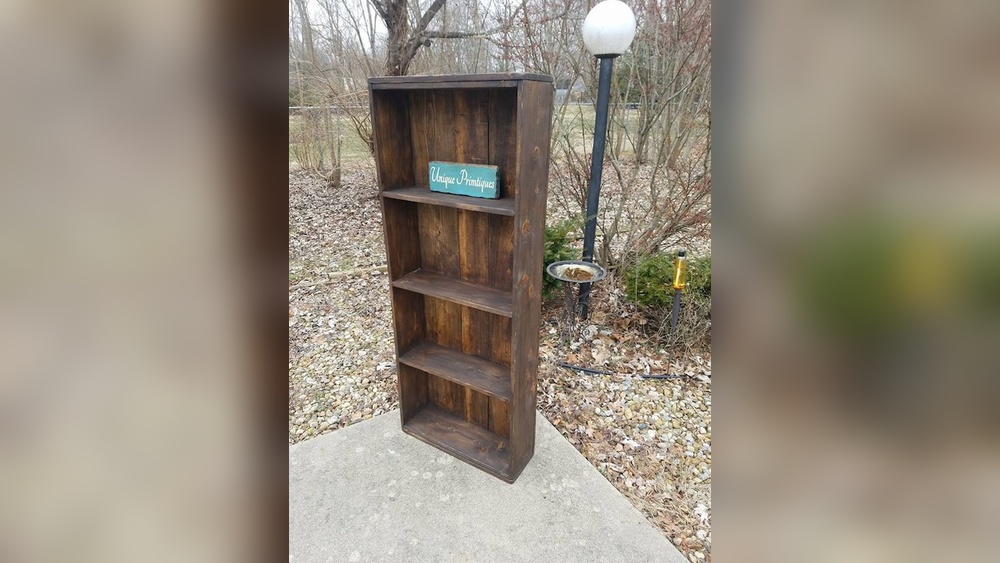
Are you wondering how tall a standard bookshelf should be? Whether you’re organizing your favorite books, displaying collectibles, or adding style to your room, the right bookshelf height matters more than you think.
Choosing the perfect size can save you space, keep things within easy reach, and even make your room look better. You’ll discover the common heights for standard bookshelves and tips to pick the ideal one for your needs. Keep reading to find out how to make your bookshelf work perfectly for you.
Standard Bookshelf Heights
Bookshelves come in many sizes. The height is one of the main features that vary. Knowing the standard bookshelf heights helps in choosing the right one for your space.
Height affects how much you can store and where the shelf fits in a room. It also changes the look of your room. Let’s explore common heights and what affects them.
Common Height Ranges
Most standard bookshelves range from 3 feet to 7 feet tall. Short bookshelves are around 3 to 4 feet. They work well for small rooms or as side shelves.
Medium shelves stand between 5 and 6 feet. These offer more space without overwhelming a room. Tall bookshelves reach 7 feet or more. They fit big collections and tall walls.
Factors Influencing Height
Room size is a major factor. Large rooms can handle taller shelves. Small rooms need shorter shelves to avoid crowding.
The type of books also matters. Big books need taller shelves. Smaller books fit well in shorter ones.
Style preferences influence height too. Some people want low shelves for easy reach. Others like tall shelves for a dramatic look.
Shelf Width And Depth
Shelf width and depth are key to choosing the right bookshelf. These dimensions affect how much you can store and how your books fit. Proper size helps keep books organized and easy to access. Understanding common widths and depths aids in picking a bookshelf that suits your needs.
Typical Width Dimensions
Standard bookshelf widths vary between 24 and 36 inches. Narrow shelves often measure 24 inches wide. Wider options, around 36 inches, offer more space for books and decor. Some models come in 30 inches, a middle ground for many rooms. Choose width based on your room size and storage needs.
Ideal Shelf Depths For Books
Bookshelves usually have shelf depths from 9 to 12 inches. A 9-inch depth fits most paperback books comfortably. For larger hardcover books, 11 to 12 inches depth works better. Deeper shelves also help display larger items or stacked books. Depth choice depends on the types of books and items you want to store.
Adjustable Vs Fixed Shelves
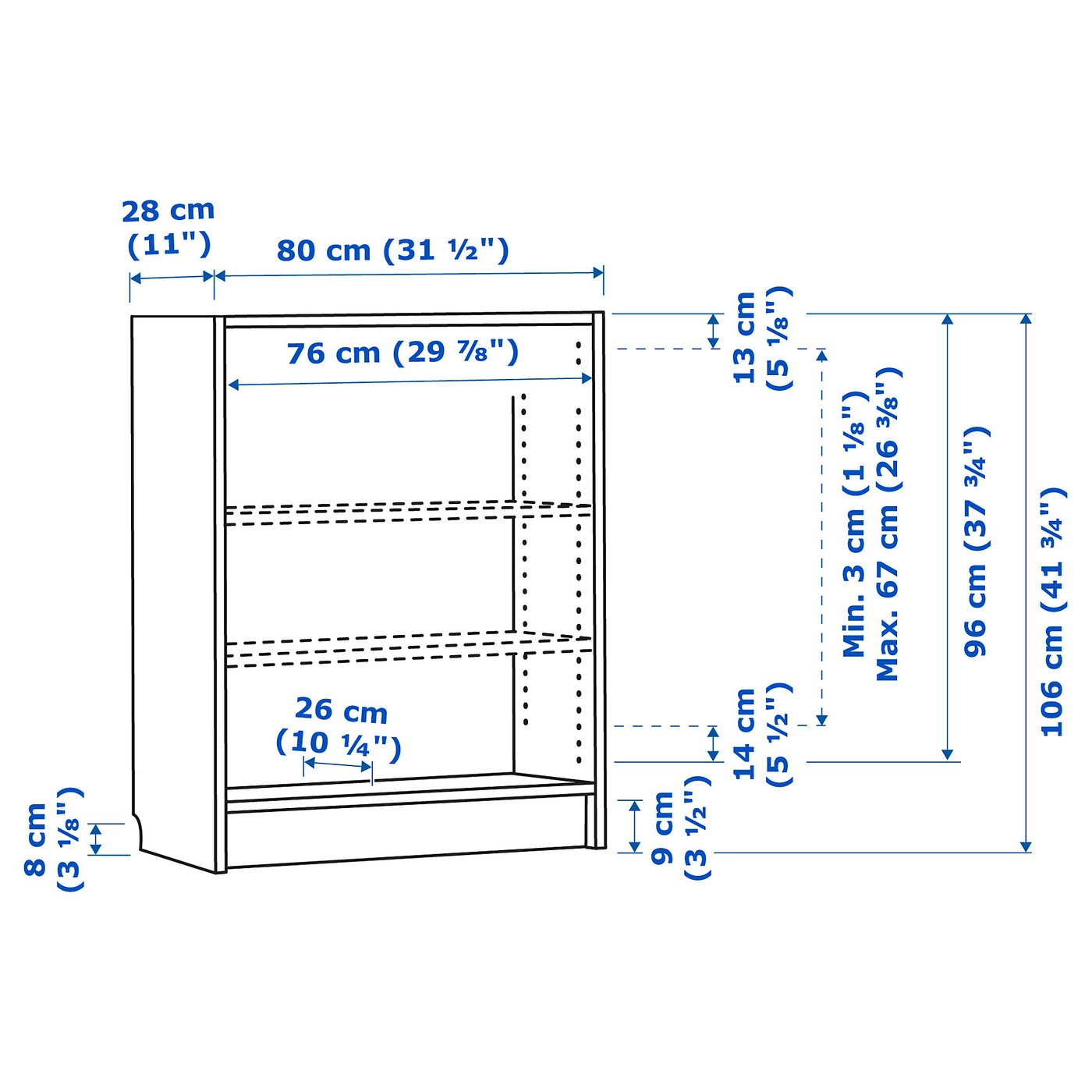
Choosing between adjustable and fixed shelves affects the height and use of a bookshelf. Both types have different benefits based on what you need to store. Understanding these can help you pick the best shelf type for your space.
Benefits Of Adjustable Shelves
Adjustable shelves let you change the space between each shelf. This flexibility fits books or items of many sizes. You can store tall books one day and small items the next. It helps keep your collection organized and tidy.
These shelves also allow you to add or remove shelves as needed. This makes the bookshelf more useful over time. You save money by not needing a new shelf for different items. Adjustable shelves make better use of your space.
When Fixed Shelves Work Best
Fixed shelves are very strong and stable. They hold heavy books without bending or breaking. This is good for large, heavy collections like encyclopedias or textbooks.
Fixed shelves often look neater and more stylish. They are made for specific spacing, which can make the bookshelf look balanced. If you mostly store books of similar size, fixed shelves work well.
Credit: www.ikea.com
Materials Impacting Size
The material used to build a bookshelf greatly affects its size and shape. Different materials come with unique strengths and limits. These factors change the height, width, and depth of standard bookshelves.
Choosing the right material can help meet your space needs and style. Some materials allow for taller shelves, while others require shorter designs. Understanding these differences helps in picking the best bookshelf for your home or office.
Wood Vs Metal Dimensions
Wood bookshelves often have thicker parts to hold weight well. This thickness can make wooden shelves bulkier but very strong. Typical wooden bookshelves range from 60 to 84 inches tall.
Metal bookshelves usually use thinner parts but remain sturdy. Metal allows for taller shelves without extra bulk. Many metal units stand between 72 and 90 inches tall. Metal frames can also be slimmer and lighter than wood.
How Material Affects Stability And Design
Wood offers natural stability and classic designs. It can support heavy books without bending. Wood can be carved or painted in many styles.
Metal provides a modern look and strong support with less material. It resists warping and holds shape over time. Metal shelves often have open designs and clean lines.
The choice of material directly impacts how tall and stable your bookshelf will be. It also shapes the overall look and feel of your room.
Choosing The Right Bookshelf Size
Finding the right bookshelf size is important for your room and book collection. A bookshelf that fits well looks neat and keeps your books safe. It also helps you use your space better.
Bookshelves come in many sizes. Some are tall and slim, while others are short and wide. Picking the right size depends on your space and what you want to store.
Measuring Your Space
Start by measuring the area where you want the bookshelf. Use a tape measure to find the width, height, and depth. Write these numbers down. This step stops you from buying a shelf that is too big or small.
Think about space for walking and other furniture. Leave some room around the shelf. This keeps the room open and easy to move in.
Matching Shelf Size To Book Collection
Next, look at your books. Count how many you have and note their sizes. Some books are tall, like art books. Others are small, like paperbacks.
Choose shelves that fit your tallest books. Make sure there is some extra space for new books. Adjustable shelves work well for changing collections.
Credit: www.bedbathandbeyond.com
Custom Bookshelf Options
Standard bookshelves come in many sizes, but custom options let you create the perfect fit. Custom bookshelves allow you to match your space and style exactly. You control the height, width, and depth. This flexibility helps maximize storage and display space.
Tailoring Height To Needs
Custom bookshelves can be built to any height. Choose tall shelves to hold large books and decor. Shorter shelves work well under windows or in small rooms. Adjust shelf spacing to fit different book sizes. This way, your books and items always fit neatly.
Incorporating Unique Design Elements
Custom bookshelves offer many design choices. Add built-in lighting to highlight your collection. Use different materials like wood, metal, or glass. Include doors or drawers for hidden storage. Decorative molding or colors create a unique look. Your bookshelf becomes a stylish part of the room.
Popular Bookshelf Styles And Sizes
Bookshelves come in many styles and sizes. Each style suits different spaces and needs. Understanding popular types helps you pick the right one. Let’s explore three common bookshelf styles and their typical heights.
Ladder Bookshelves
Ladder bookshelves have a slim, leaning design. They usually stand between 60 and 72 inches tall. Their open shelves get wider at the bottom. Perfect for small rooms or corners. They offer a modern look and easy access to books.
Built-in Units
Built-in bookshelves fit into walls for a seamless look. These units often reach ceiling height, about 84 to 96 inches tall. They use space efficiently and add value to homes. Customizable shelves adapt to your book collection size.
Cube Storage Shelves
Cube shelves feature square compartments for books and items. They usually range from 30 to 60 inches tall. Ideal for kids’ rooms or casual spaces. These shelves combine storage with display options. They work well in various room styles.

Credit: weihnachtsmarkt-neunkirchen.de
Safety And Stability Tips
Safety and stability are key when choosing a bookshelf. Tall bookshelves can tip over and cause injuries. Taking steps to secure them helps protect your family and your books. Follow these simple tips to keep your bookshelf steady and safe.
Anchoring Tall Bookshelves
Attach your bookshelf to the wall using brackets or straps. Anchors prevent the shelf from tipping forward. Use anchors designed for your wall type, such as drywall or masonry. Secure the top and middle sections of the bookshelf for best results. Check anchors regularly to ensure they stay tight.
Weight Distribution Considerations
Place heavier items on the bottom shelves. Light items go on the top shelves. This lowers the center of gravity and adds stability. Avoid overloading any single shelf. Spread books and decor evenly to balance the weight. Balanced shelves reduce the risk of the bookshelf tipping.
Frequently Asked Questions
What Is The Average Height Of A Standard Bookshelf?
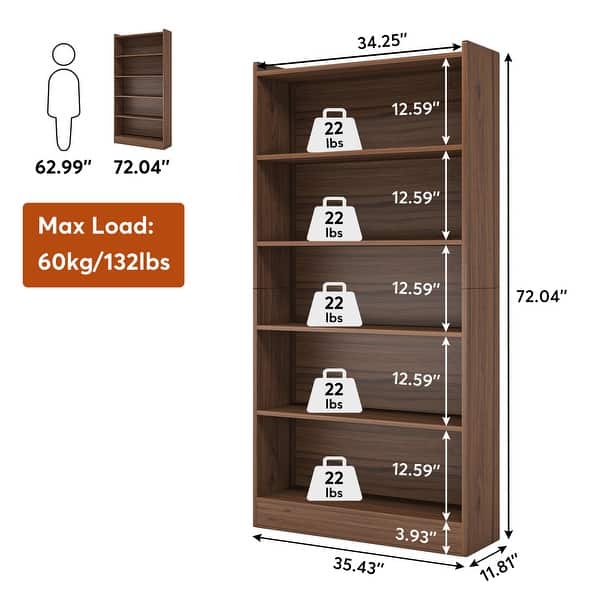
A standard bookshelf typically measures between 60 to 72 inches tall. This size fits most rooms and accommodates various book sizes comfortably.
How Tall Should A Bookshelf Be For Small Spaces?
For small spaces, bookshelves around 36 to 48 inches tall work best. They offer storage without overwhelming the room.
Are Standard Bookshelves Adjustable In Height?
Many standard bookshelves feature adjustable shelves. This allows customization to fit different book sizes and decorative items.
What Height Is Best For A Bookshelf In A Living Room?
Bookshelves 60 to 72 inches tall are ideal for living rooms. They provide ample storage and blend well with other furniture.
Conclusion
A standard bookshelf usually stands between 60 and 72 inches tall. This size fits most rooms and holds many books comfortably. Choosing the right height depends on your space and needs. Smaller shelves work well for tight areas, while taller ones store more items.
Remember, knowing the typical height helps you plan better. It makes buying or building a bookshelf easier. Keep this in mind to find the perfect fit for your home.