Are you wondering how thick your bunk bed mattress should be? Choosing the right mattress thickness is more important than you might think.
It affects your comfort, safety, and even how well you sleep every night. If the mattress is too thick, you could risk falling out or hitting the guardrails. Too thin, and you won’t get the support you need. Keep reading to find out the perfect mattress thickness for your bunk bed and make sure your sleeping space is both safe and cozy.
Bunk Bed Mattress Basics
Bunk beds save space in small rooms. Choosing the right mattress is important for safety and comfort. Mattress thickness affects how safe the top bunk is. Too thick, and the guardrails may not protect well. Too thin, and the bed might feel uncomfortable.
Understanding mattress thickness and size helps you pick the right one. This section explains standard mattress thickness and common sizes for bunk beds.
Standard Mattress Thickness
Most bunk bed mattresses are between 6 and 8 inches thick. This thickness fits well in most bunk bed frames. Thicker mattresses can make the top bunk unsafe. Thin mattresses might not be comfortable for sleeping. Choose a mattress that balances comfort and safety.
Common Mattress Sizes For Bunk Beds
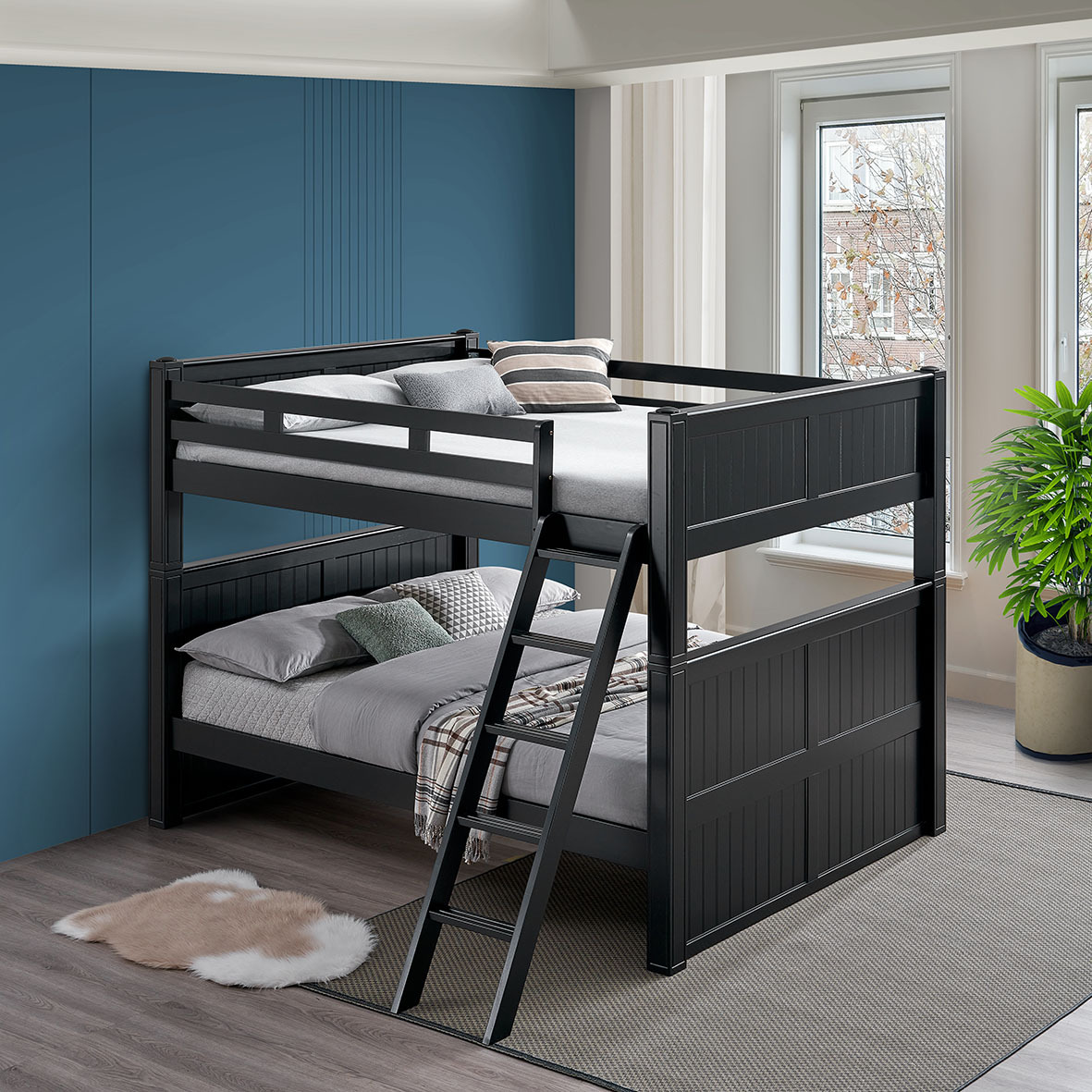
Bunk beds usually use twin or twin XL mattresses. Twin size measures 38 inches wide and 75 inches long. Twin XL is 38 inches wide and 80 inches long. Some bunk beds also fit full-size mattresses. Full size is 54 inches wide and 75 inches long. Always check your bunk bed frame size before buying a mattress.
Credit: www.justbunkbeds.com
Safety Considerations
Safety is the top priority when choosing a mattress for a bunk bed. The mattress thickness affects how safe the bed will be for sleeping and playing. You must follow certain rules to keep everyone safe. These rules help prevent falls and keep the bed stable.
Below are key safety points to consider. They will guide you in picking the right mattress thickness for your bunk bed.
Height Restrictions
The mattress should not be too thick. A thick mattress raises the sleeper’s height. This can make it easier to fall out of the bed. Most bunk beds have a maximum mattress height limit. Check the bed’s instructions. Staying within this limit keeps the sleeper safe.
Guardrail Requirements
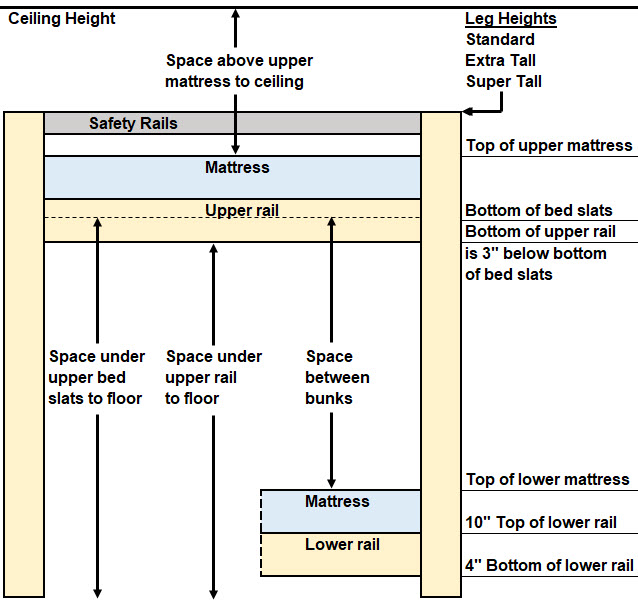
Guardrails protect the sleeper from falling. They must rise above the mattress by a certain amount. If the mattress is too thick, the guardrail will not be high enough. This reduces its protection. Make sure the mattress thickness leaves enough guardrail height visible.
Impact On Bed Stability
Thicker mattresses weigh more. Extra weight can affect the bed frame’s stability. A heavy mattress might cause the bed to wobble or shift. Always check the bed’s weight limit. Use a mattress that won’t make the bed unstable or unsafe.
Choosing Mattress Thickness
Choosing the right mattress thickness for a bunk bed is important. It affects comfort and safety. The mattress must fit well in the bunk frame. Too thick or too thin can cause problems. Several factors help decide the best thickness. Consider the child’s age and weight first. Then think about comfort and safety. Also, the mattress material plays a role in thickness choice.
Age And Weight Factors
Young children need thinner mattresses for safety. A mattress 6 to 8 inches thick usually works well. Heavier kids or teens may need thicker mattresses for support. Around 8 to 10 inches is often enough. Too thick can make the guardrails less effective. The mattress should match the child’s size and weight.
Comfort Vs. Safety Balance
Comfort is key for good sleep quality. A mattress too thin can feel hard and uncomfortable. Too thick can raise the sleeper too high. This reduces the protection of safety rails. Aim for a mattress that is firm but not too hard. Check that the mattress fits snugly in the bunk bed frame. Safety should always come before extra softness.
Material Types And Thickness
Different mattress materials affect thickness and feel. Memory foam mattresses are soft and contour to the body. They often need to be thicker for support. Innerspring mattresses provide firm support with coils. They can be thinner but still comfortable. Hybrid mattresses combine foam and coils. Choose a thickness that suits the mattress type and bunk bed frame.

Credit: www.justbunkbeds.com
Effects Of Mattress Thickness
The thickness of a bunk bed mattress affects more than just comfort. It impacts how well you sleep, how easy it is to climb the bed, and how space is used in the room. Choosing the right mattress thickness is important for safety and comfort.
Sleep Quality
A mattress that is too thin may not support the body well. This can cause aches and restless nights. A thicker mattress usually offers better cushioning. It helps keep the body aligned for deeper sleep. But very thick mattresses might reduce guardrail height, risking safety.
Ease Of Climbing
Thicker mattresses raise the bed’s surface. Climbing a higher bed can be harder, especially for kids. It may require a sturdier ladder or steps. Thinner mattresses keep the bed lower and easier to access. This is important for comfort and safety during bedtime routines.
Room Space Utilization
Thicker mattresses take up more vertical space. This can limit the room left between the top and bottom bunks. It might make the top bunk feel cramped. Thinner mattresses save space and make the room feel larger. Proper mattress thickness helps use the room efficiently without crowding.
Alternative Mattress Options
Choosing the right mattress for a bunk bed can be tricky. The mattress must be safe, comfortable, and fit the bed frame perfectly. Besides traditional mattresses, several alternative options suit bunk beds well. These alternatives offer different benefits and thickness levels. Understanding these choices helps pick the best mattress for your needs.
Foam Mattresses
Foam mattresses are lightweight and flexible. They come in various thicknesses, usually between 4 and 8 inches. Foam mattresses contour to the body, offering good support. They are easy to move and fit well in bunk beds. Foam also absorbs motion, making it ideal for active sleepers.
Innerspring Mattresses
Innerspring mattresses have metal coils inside for support. They tend to be firmer and thicker, from 6 to 10 inches. These mattresses provide good airflow, keeping sleepers cool. Innerspring mattresses are durable and hold their shape well. They may be heavier, so consider this for upper bunk beds.
Hybrid Mattresses
Hybrid mattresses combine foam and innerspring layers. This mix offers comfort and strong support. Thickness varies but usually ranges from 7 to 12 inches. Hybrids adapt to different sleeping positions. They balance softness and firmness, suitable for bunk beds needing extra comfort.
Measuring And Testing Mattress Fit
Measuring and testing the mattress fit is key for bunk bed safety and comfort. A mattress that is too thick or too thin can cause problems. It might not fit the bed frame right or could be unsafe for the top bunk. Checking the mattress thickness helps avoid these issues.
This section shows how to measure mattress thickness. It also shares tips on trying different mattress sizes to find the best fit.
How To Measure Mattress Thickness
Start by placing the mattress flat on a hard surface. Use a tape measure or ruler. Measure from the bottom edge to the top edge. Take the measurement at several points to check for evenness. Use the thickest point as the mattress thickness. Write down the number in inches or centimeters.
Next, compare this number to the bunk bed’s mattress size guide. Most bunk beds have a maximum mattress thickness. Stay within that limit for safety.
Trial And Error Tips
Try placing the mattress inside the bunk bed frame. Check if it fits snugly without gaps or bulges. Lie on the mattress to test comfort and stability. Make sure the mattress does not rise above the safety rails on the top bunk.
If the mattress feels too soft or too hard, try a different thickness. Use thinner mattresses on the top bunk for better guardrail coverage. Thicker mattresses work well on the bottom bunk for extra comfort.
Keep testing different mattresses until the fit feels right and safe. This simple trial and error helps find the best mattress thickness for your bunk bed.
Maintenance Tips For Thick Mattresses
Thick bunk bed mattresses need care to last longer and stay comfy. Proper maintenance stops damage and keeps the mattress fresh. Follow simple steps to protect your investment and enjoy better sleep.
Cleaning And Care
Keep the mattress clean by vacuuming regularly. Use a vacuum with a soft brush to remove dust and dirt. Spot clean stains with mild soap and water. Avoid soaking the mattress to prevent mold. Air the mattress outside on a dry day to remove odors. Use a mattress protector to guard against spills and dust mites.
Rotating And Flipping
Rotate the mattress every few months to avoid uneven wear. Turning the mattress head to foot helps keep the shape. Flip the mattress if it is double-sided for even use. This reduces sagging and extends mattress life. Mark the sides to remember which is up and down. Regular rotation and flipping keep your mattress firm and comfortable.
Credit: www.collegebedlofts.com
Frequently Asked Questions
How Thick Can A Bunk Bed Mattress Be?
Most bunk bed mattresses range from 6 to 8 inches thick. Thicker mattresses can reduce safety by increasing fall risk. Always check manufacturer guidelines for the maximum allowed thickness to ensure proper fit and safety.
Does Mattress Thickness Affect Bunk Bed Safety?
Yes, mattress thickness impacts bunk bed safety. Too thick a mattress can reduce guardrail height, increasing fall risk. Choose a mattress thickness that fits snugly and maintains adequate rail protection for safe use.
What Is The Ideal Mattress Thickness For Bunk Beds?
The ideal thickness for a bunk bed mattress is 6 to 8 inches. This ensures comfort while maintaining safety standards. Thinner mattresses provide better guardrail protection and prevent the sleeper from rolling over the edge.
Can A Thick Mattress Fit A Bunk Bed Frame?
Not all bunk bed frames accommodate thick mattresses. Frames designed for thinner mattresses may not securely hold thicker ones. Always verify frame specifications and mattress thickness compatibility before purchasing.
Conclusion
Choosing the right mattress thickness keeps bunk beds safe and comfy. Too thick can block guardrails and cause falls. Too thin might not offer enough support for sleep. Most bunk beds work best with mattresses 6 to 8 inches thick.
Always check your bed’s rules before buying a mattress. A good mattress helps children sleep well and stay secure. Safety and comfort should guide your mattress choice every time. Simple steps make bunk beds safer and better for rest.