Are you wondering how to turn your 1950 crib into a toddler bed without hassle? You’re in the right place.
Converting an old crib can feel tricky, but with the right steps, you can make it safe and comfortable for your little one. Imagine saving money and keeping a piece of family history alive, all while giving your child a cozy new bed.
Keep reading, and you’ll discover simple, clear instructions to help you transform that vintage crib into a perfect toddler bed your child will love.
Check Crib Compatibility
Checking the crib compatibility is the first step in converting your 1950 crib to a toddler bed. Not all cribs are designed to change into toddler beds. Making sure your crib can convert saves time and effort.
Understanding the features and instructions helps you avoid mistakes. It also keeps your child safe during and after the conversion.
Identify Convertible Features
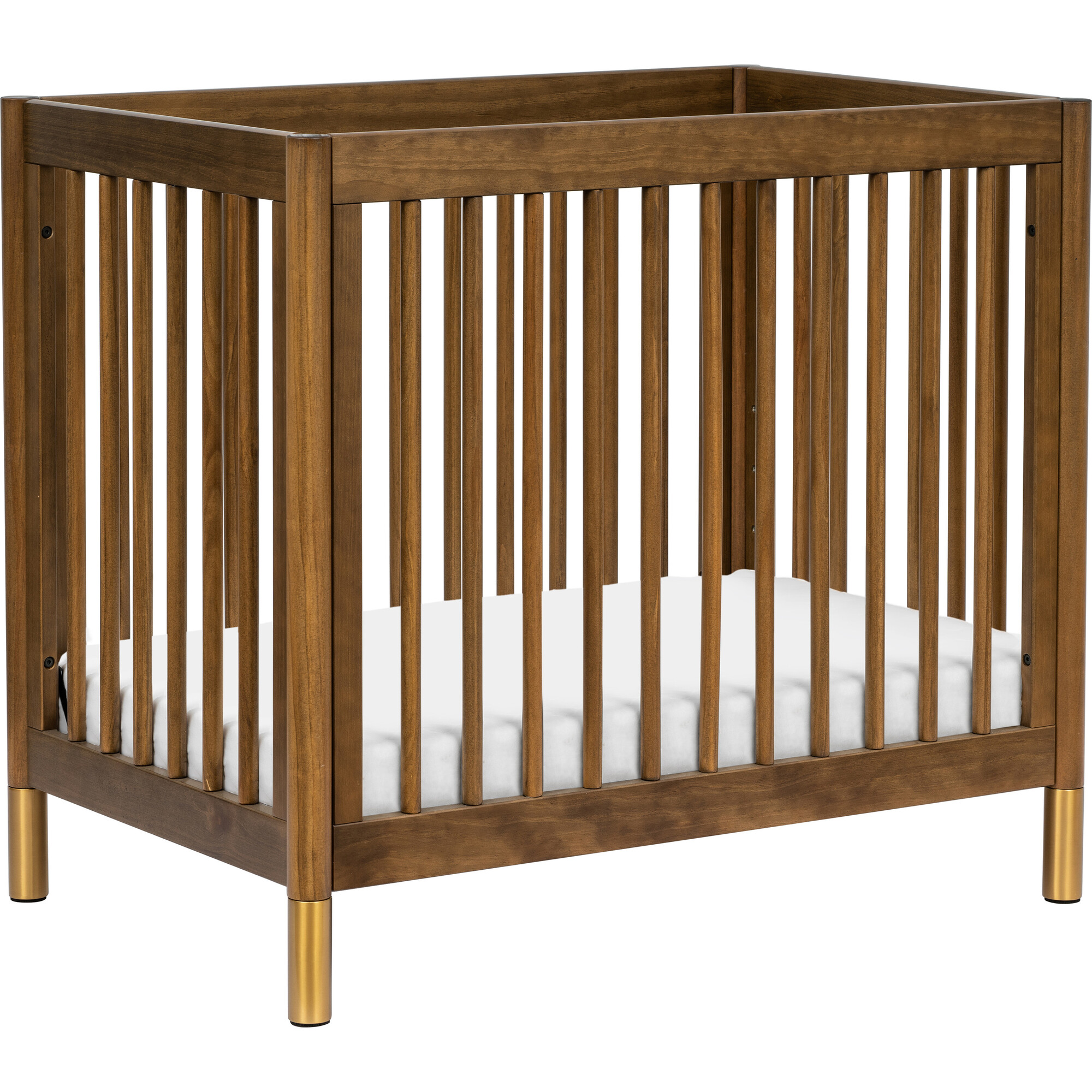
Look for removable sides or panels on your crib. These parts often come off to create an open bed frame. Check if the crib has extra hardware or parts for conversion.
Some cribs include a toddler bed rail for safety. This rail fits on the side where the crib panel was removed. Make sure your crib matches these features for easy conversion.
Review Manufacturer Instructions
Find the original manual or guide for your crib model. These instructions explain if and how the crib converts. Follow the steps carefully to avoid damage or injury.
If you no longer have the manual, search online using the crib’s model number. Reliable sources may offer downloadable instructions. Stick to manufacturer advice for best results.
Gather Necessary Tools
Gathering the necessary tools is the first step in converting a 1950 crib to a toddler bed. Having the right tools ready makes the process smooth and safe. It helps avoid delays and frustration during the project.
List Required Tools
Start by collecting these tools:
- Screwdriver (Phillips and flathead)
- Allen wrench or hex key
- Adjustable wrench
- Hammer or mallet
- Measuring tape
- Safety goggles
- Wood glue (optional)
- Soft cloth or towel
These tools will help you remove old parts and secure new pieces.
Prepare A Safe Workspace
Choose a clean, flat area with enough space around. Clear clutter to avoid accidents. Lay a soft cloth or towel to protect the crib parts from scratches.
Good lighting is important to see screws and small pieces clearly. Keep tools organized and within reach. Safety goggles protect your eyes during assembly.
Remove Crib Components
Start by taking apart the crib carefully. Removing parts helps change the crib into a toddler bed. This step needs focus and patience.
Keep everything safe and organized during this process. It will make reassembly easier later on.
Detach Front Rail
First, remove the front rail of the crib. Use a screwdriver to take out screws or bolts. Keep the rail aside gently to avoid damage.
Check for any nails or clips holding the rail. Remove those carefully. The front rail is the main part to remove for conversion.
Keep Hardware Organized
Collect all screws, bolts, and small parts in a container. Label the container for easy identification. This prevents losing pieces during the change.
Keep hardware close to the work area. It saves time and avoids confusion when putting the bed back together.

Credit: www.amazon.com
Adjust Mattress Position
Adjusting the mattress position is a key step in converting your 1950 crib to a toddler bed. It ensures your child sleeps safely and comfortably during this transition. Proper mattress placement prevents falls and gives your toddler more space to move freely.
Lower Mattress Support
Start by lowering the mattress support to the lowest setting. This change matches the toddler bed height and reduces fall risks. Check the crib’s manual to find the right level for the mattress. Use the built-in hardware to move the mattress frame down securely. Make sure the mattress sits evenly and flat on the support.
Secure Mattress Firmly
Place the mattress firmly on the lowered support. It should not shift or slide when your child moves. Tighten any screws or bolts that hold the mattress frame. Add anti-slip pads under the mattress for extra grip if needed. A firm mattress keeps your toddler safe and comfortable all night.
Attach Toddler Rail
Attaching the toddler rail is a key step in converting your 1950 crib. This rail keeps your child safe while they transition to a bigger bed. Proper attachment ensures stability and prevents accidents. Follow these steps carefully to secure the rail perfectly.
Align Toddler Rail With Frame
Start by placing the toddler rail next to the crib frame. Check that the rail’s holes line up with the frame’s slots. Make sure the rail sits evenly without gaps. Proper alignment helps the rail fit tightly and safely.
Fasten Rails Securely
Use the screws or bolts that came with the crib for fastening. Tighten each screw firmly but avoid over-tightening. Over-tightening can damage the wood or metal. Double-check each connection to ensure the rail does not move.

Credit: www.amazon.com
Inspect Safety Features
Inspecting safety features is a crucial step when converting a 1950 crib into a toddler bed. Safety ensures your child can sleep and play without risks. Check every part carefully before use. This helps prevent accidents and gives peace of mind.
Check For Loose Parts
Loose parts can cause injuries or make the bed unstable. Tighten all screws, bolts, and nuts firmly. Look for any missing pieces that need replacement. Small gaps or wobbly sections must be fixed. Regularly check the bed after assembly to keep it safe.
Ensure Stability
The toddler bed must stand steady on the floor. Test by gently shaking it to spot any movement. Uneven legs or broken supports reduce stability. Use a level surface and adjust legs if needed. A stable bed reduces the risk of falls and injuries.
Tips For Smooth Transition
Transitioning a 1950 crib to a toddler bed can be a big step for your child. Gentle changes help your little one feel safe and happy. Small actions make this change easier and less stressful. Here are some tips for a smooth transition.
Introduce Toddler Bed Gradually
Start by letting your child explore the new bed during the day. Sit with them and read a book or play quietly. This builds comfort and trust with the new space. Try naps in the toddler bed before bedtime. Keep the old crib nearby if possible. This helps your child feel secure while adjusting.
Create Comfortable Sleep Environment
Make the bed cozy with soft blankets and favorite toys. Keep the room calm with dim lights or a nightlight. A quiet space helps your child relax and sleep well. Stick to a bedtime routine like bath time or storytime. Consistency helps your child know what to expect each night.
Credit: fotoenigma.com
Frequently Asked Questions
How Do I Convert A 1950 Crib To A Toddler Bed?
To convert a 1950 crib to a toddler bed, remove the front rail. Lower the mattress to the lowest position. Attach the toddler bed rail if available for safety. Ensure all bolts are tightened and check stability before use.
What Tools Are Needed For Crib To Toddler Bed Conversion?
You typically need a screwdriver, Allen wrench, and sometimes pliers. These help remove the crib’s front panel and adjust hardware. Always keep the crib’s instruction manual handy for specific tool requirements and assembly steps.
Is It Safe To Convert Vintage Cribs To Toddler Beds?
Converting vintage cribs can be safe if the crib is structurally sound. Check for any loose parts or worn-out hardware. Avoid using cribs with lead paint or outdated safety standards. Always follow updated safety guidelines when converting.
When Should I Convert My Crib To A Toddler Bed?
Convert your crib when your child is about 18 months to 3 years old. Look for signs like climbing out of the crib or increased mobility. Transitioning early can prevent falls and encourage independence safely.
Conclusion
Converting a 1950 crib to a toddler bed is simple and safe. Follow the steps carefully to keep your child comfortable. Use the right tools and take your time with each part. This change helps your child grow and sleep well.
Enjoy watching your little one explore their new bed. Keep safety in mind for a smooth transition. A well-converted bed means happy nights and peaceful mornings. Trust the process and feel proud of your work.