Are you looking to transform your built-in bookshelf into a stylish and functional piece? Adding doors can instantly give your shelves a fresh look while keeping your items dust-free and out of sight.
Whether you want a sleek modern finish or a classic touch, this simple upgrade can make a big difference in your room’s appearance. You’ll discover easy steps and practical tips to add doors to your built-in bookshelf—no expert skills needed.
Ready to enhance your space and protect your books and treasures? Let’s get started!
Choosing Door Styles
Choosing door styles for your built-in bookshelf shapes its look and function. Doors protect books from dust and add style to your room. The right door style fits your space and personal taste. Consider how you will use the bookshelf and what look fits best. Below are key options to think about.
Sliding Vs Hinged Doors
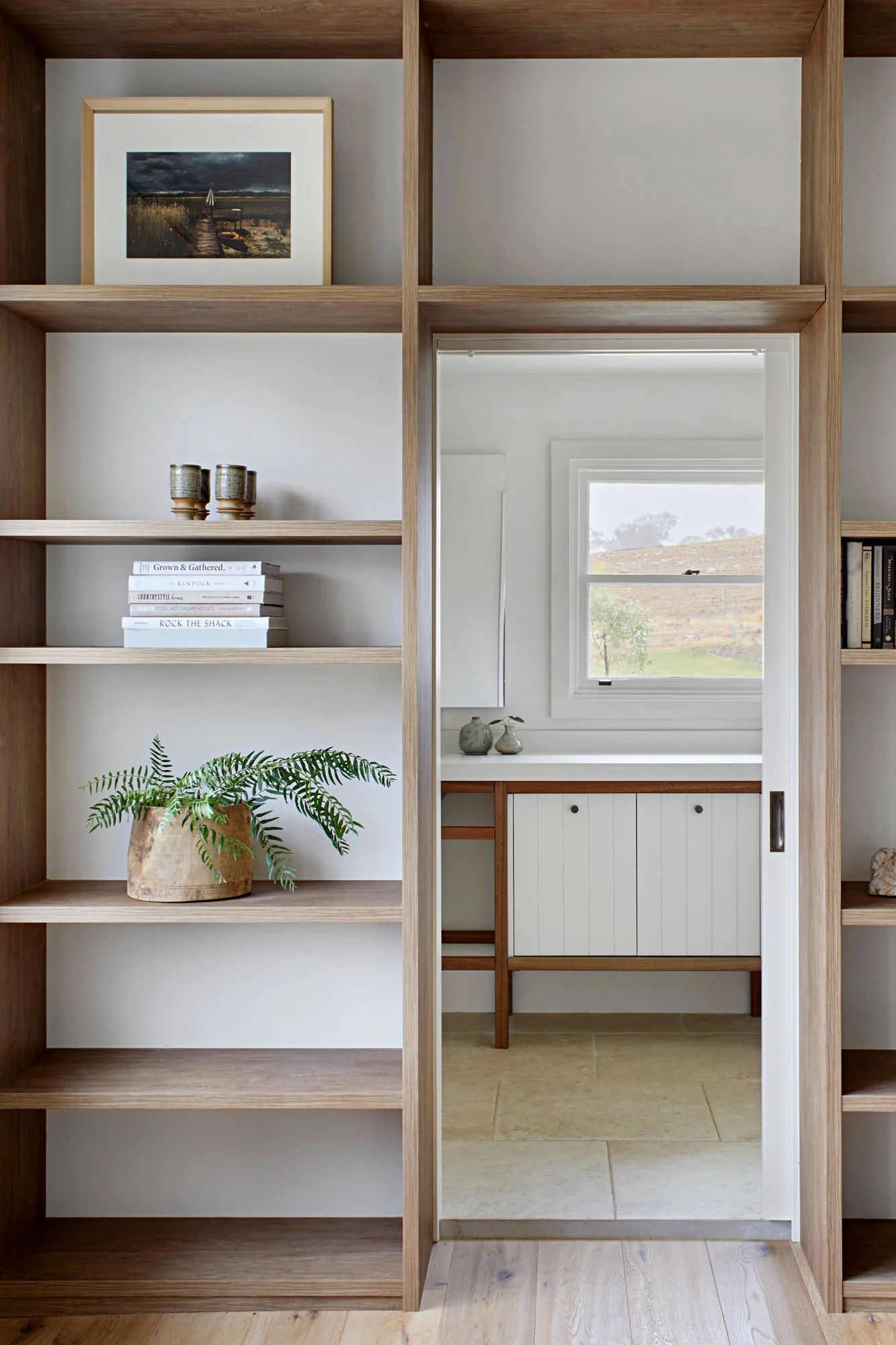
Sliding doors move side to side on a track. They save space in small rooms. Sliding doors offer a sleek, modern look. Hinged doors swing open on hinges like a regular door. They give a classic feel and full access to shelves. Choose sliding for tight spaces. Pick hinged for easy shelf access.
Glass Vs Wood Panels
Glass doors show off your books and decor. They keep dust out but let light in. Glass creates an open, airy feeling. Wood doors hide clutter and protect from sunlight. They add warmth and a solid look. Glass fits modern or elegant styles. Wood suits traditional or cozy rooms.
Custom Vs Pre-made Options
Custom doors are made to fit your exact shelf size. You can choose materials, colors, and details. Custom options match your style perfectly. Pre-made doors are ready to buy and easier to install. They cost less and come in standard sizes. Choose custom for a perfect fit. Pick pre-made for budget and speed.
Credit: www.designstudio210.com
Measuring Your Bookshelf
Measuring your bookshelf is the first step to adding doors that fit perfectly. Accurate measurements help avoid gaps or doors that don’t close well. Take your time and use a good tape measure for the best results.
Width And Height Measurements
Start by measuring the width of your bookshelf from one side to the other. Measure at the top, middle, and bottom. Use the smallest measurement for your door width. Next, measure the height from the top shelf to the bottom. Take measurements on both sides. Use the shortest height to ensure the doors fit well.
Depth Considerations
Measure the depth of your bookshelf from front to back. This affects how thick your doors can be. The doors should not stick out too far or look bulky. Also, check if shelves or items inside limit door thickness. Make sure the depth allows the doors to open freely.
Allowing Clearance For Doors
Doors need space to open without hitting walls or shelves. Leave a small gap between the door edge and the bookshelf frame. This gap helps the door swing smoothly. Also, consider space for handles or knobs. Proper clearance prevents damage and makes your doors easy to use.
Selecting Materials And Tools
Selecting the right materials and tools is key to adding doors to a built-in bookshelf. The materials affect the look and durability of the doors. Tools make the work easier and ensure a neat finish. Choosing wisely saves time and effort.
Types Of Wood And Finishes
Wood choice impacts both style and strength. Pine is soft and easy to cut, ideal for beginners. Oak is harder and lasts longer but costs more. MDF is smooth and affordable but less sturdy. Pick a finish that matches your room. Paint hides flaws and adds color. Stain shows natural wood grain for a classic look. Seal with varnish or polyurethane to protect the surface.
Essential Tools Checklist
Gather basic tools before starting. A measuring tape ensures precise cuts. A saw, either hand or power, is needed to cut wood. A drill helps attach hinges and handles. Screwdrivers fit screws securely. Sandpaper smooths edges and surfaces. Clamps hold pieces steady while you work. A level makes sure doors hang straight. Have safety gear like goggles and gloves for protection.
Hardware Selection Tips
Choose hinges that fit your door size and style. Concealed hinges offer a clean look. Butt hinges are easy to install and strong. Pick handles or knobs that match your room decor. Consider soft-close hinges to avoid door slamming. Check that screws and nails are the right length. Good hardware improves door function and appearance.
Preparing The Bookshelf
Preparing the bookshelf is the first step in adding doors. This step ensures your project looks neat and functions well. A clean, smooth surface helps doors fit perfectly and last longer. Take your time to prepare the bookshelf carefully.
Clearing And Cleaning
Remove all books and items from the shelves. Dust and dirt can stop paint or primer from sticking. Use a soft cloth or vacuum to clean every corner. Make sure the surface is dry before moving on.
Sanding And Priming
Sand the bookshelf surfaces using fine-grit sandpaper. This smooths out rough spots and old paint. Wipe off dust with a damp cloth after sanding. Apply a primer to the wood to help paint stick better. Let the primer dry fully before adding doors.
Marking Door Placement
Measure the bookshelf carefully to plan door placement. Use a pencil to mark where each door will go. Check measurements twice for accuracy. Mark hinge positions and spacing between doors. These marks guide you during installation.
Building And Installing Doors
Building and installing doors for your built-in bookshelf adds style and function. Doors protect your books from dust and create a clean look. Follow simple steps to create doors that fit perfectly and open smoothly.
Cutting Door Panels
Start by measuring the bookshelf opening carefully. Cut the panels from wood or MDF to match these sizes. Use a saw with a fine blade for smooth edges. Sand the edges to avoid splinters and improve paint or finish grip. Check that each panel fits well in the opening before moving on.
Assembling Door Frames
Cut frame pieces to fit around each panel’s edges. Use wood glue and clamps to join the frame parts. Reinforce corners with small nails or screws for extra strength. Make sure the frame is square by measuring diagonals. Let the glue dry fully before sanding the frame smooth.
Attaching Hinges Or Tracks
Choose hinges for swinging doors or tracks for sliding doors. Mark hinge locations on both the door and bookshelf side. Pre-drill holes to avoid splitting the wood. Attach hinges securely with screws. Test the door’s movement and adjust screws if needed. For sliding doors, install the tracks at the top and bottom, ensuring smooth glide.
Finishing Touches
Finishing touches give your built-in bookshelf doors a polished look. These final steps help protect the wood and improve usability. Small details make a big difference in style and function.
Painting Or Staining
Choose paint or stain to match your room’s style. Paint offers many colors and hides imperfections well. Stain shows the wood grain and adds warmth. Apply thin, even coats for the best finish. Let each coat dry fully before adding the next.
Installing Handles Or Knobs
Select handles or knobs that fit the door design. Measure carefully to place them at a comfortable height. Use a drill to make holes for screws. Tighten screws securely but avoid overtightening. Good hardware makes doors easier to open and adds charm.
Adjusting Door Alignment
Check the door gaps and how smoothly they open. Adjust hinges to fix uneven spacing or rubbing. Use a screwdriver to tighten or loosen hinge screws. Doors should open without sticking or swinging open too far. Proper alignment ensures long-lasting, smooth operation.
Maintenance Tips
Adding doors to a built-in bookshelf can improve its look and function. To keep the doors working well, regular care is key. Proper maintenance stops problems and keeps your bookshelf doors looking fresh. Follow these simple steps to take care of your doors.
Cleaning Doors
Clean the doors often to avoid dust and dirt buildup. Use a soft cloth and mild soap with water. Wipe gently to protect the finish. Avoid harsh chemicals that can damage the wood or paint. Dry the doors with a clean cloth after cleaning.
Lubricating Hardware
Hinges and handles need lubrication to work smoothly. Use a light oil or silicone spray for this. Apply a small amount on the moving parts. Open and close the doors several times to spread the oil. This prevents squeaks and keeps the doors easy to use.
Repairing Minor Damage
Fix small scratches and dents quickly to stop more damage. Use wood filler or touch-up markers that match the door color. Sand lightly after applying filler for a smooth surface. Check hinges and screws regularly and tighten if loose. Small repairs keep your doors looking new longer.
.jpg)
Credit: themerrythought.com

Credit: www.youtube.com
Frequently Asked Questions
How Do I Choose The Right Doors For A Built-in Bookshelf?
Consider the bookshelf style, room decor, and door material. Glass doors offer visibility, while wood doors provide a solid look. Measure carefully to ensure a perfect fit. Choose hinges and handles that match your design and functionality needs.
What Tools Are Needed To Add Doors To Bookshelves?
You’ll need a drill, screwdriver, measuring tape, level, and saw. Hinges, screws, and door handles are essential hardware. Sandpaper and paint or stain may be required for finishing touches. Proper tools ensure accurate installation and durability.
Can I Install Doors On Existing Built-in Bookshelves?
Yes, you can add doors to existing bookshelves. Measure and select appropriate doors that fit the bookshelf dimensions. Use hinges suited for your shelf thickness. Installation may require minor modifications for a secure fit and smooth operation.
How Do I Align Doors Properly On A Built-in Bookshelf?
Use a level to ensure doors are straight. Attach hinges securely and check for even gaps between doors. Adjust hinge screws as needed for perfect alignment. Proper alignment prevents sticking and improves the bookshelf’s appearance.
Conclusion
Adding doors to a built-in bookshelf can change its look and function. It helps keep dust off your books and hides clutter. Choose door styles that fit your room’s style. Measure carefully and take your time with installation. Small steps lead to great results.
Enjoy your new, neat, and stylish bookshelf space every day.

