Are you ready to transform your space with a stylish and practical frame futon bunk bed? Putting it together might seem tricky at first, but with the right steps, you’ll have it ready in no time.
This guide will walk you through each part clearly and simply, so you can avoid frustration and feel confident as you build. Keep reading, and you’ll discover easy tips that make assembling your futon bunk bed faster and stress-free—giving you more time to enjoy your new setup.
Tools And Materials Needed
Gathering the right tools and materials is the first step to assemble a frame futon bunk bed. Proper preparation makes the process faster and easier. It ensures safety and durability of the bed. Knowing what you need helps avoid interruptions during assembly.
Below is a list of essential tools and materials. Each plays a key role in building your bunk bed frame correctly.
Basic Tools
- Screwdriver (Phillips and flathead)
- Allen wrench (usually included with the bed)
- Hammer or rubber mallet
- Measuring tape
- Power drill (optional but helpful)
Hardware Components
- Screws and bolts (check the instruction manual)
- Washers and nuts
- Wooden dowels (for extra support)
- Brackets and corner braces (if provided)
Materials Included In The Kit
- Metal or wooden frame parts
- Guard rails for the top bunk
- Ladder for climbing
- Slats or platform supports
Safety Gear
- Work gloves to protect your hands
- Safety goggles for eye protection
- Non-slip shoes for stability
Preparing The Workspace
Preparing the workspace is the first step to assemble a frame futon bunk bed successfully. A clean, organized space helps you work faster and avoid mistakes. It also keeps all parts safe and easy to find.
Choose a room with enough space to spread out all pieces. Clear the floor and move furniture that blocks your work area. This prevents accidents and gives room to build the bed frame comfortably.
Good lighting is important. Bright light helps you see small screws and instructions clearly. Natural daylight or strong lamps work best for this task.
Gather tools before starting. Common tools include screwdrivers, a wrench, and a hammer. Having everything ready saves time and stops interruptions during assembly.
Clear The Area Completely
Remove rugs, toys, and other items from the room. A clutter-free area reduces tripping hazards. It also gives you space to lay out all parts of the bunk bed.
Organize Parts And Hardware
Sort screws, bolts, and wooden pieces by size and type. Use small containers or trays to keep hardware organized. This prevents losing small items and speeds up assembly.
Set Up Adequate Lighting
Use bright lights or open windows to brighten the room. Good lighting helps you read instructions and see details clearly. Avoid dim or shadowy areas to reduce eye strain.
Gather Necessary Tools
Collect screwdrivers, wrenches, and a hammer before starting. Check if the futon bunk bed kit includes any special tools. Keeping tools nearby prevents delays and frustration.
Unpacking And Organizing Parts
Unpacking and organizing parts is the first step in assembling a frame futon bunk bed. This process helps avoid confusion later. It saves time and makes the assembly smoother. Taking time to organize parts also ensures nothing is missing.
Prepare a clean and spacious area. Lay down a soft cloth or cardboard to protect the parts. Open the box carefully to avoid damage to the pieces inside.
Check The Parts List
Find the parts list in the instruction manual. Compare each part in the box with the list. Mark off each item as you check it. This step confirms that all pieces are present.
Sort Parts By Type And Size
Group similar parts together. Place screws, bolts, and nuts in small containers. Keep large parts like bed frames and futon sections separate. Sorting parts makes finding them easier during assembly.
Inspect Parts For Damage
Look closely for scratches, dents, or bends. Check metal parts for rust or cracks. Report any damaged parts to the seller before starting. Using damaged parts can weaken the bed’s structure.
Gather Tools Needed For Assembly
Identify tools required from the manual. Common tools include screwdrivers, wrenches, and Allen keys. Keep tools close by to avoid interruptions. Having tools ready speeds up the process.

Credit: www.walmart.com
Assembling The Bottom Futon Frame
Assembling the bottom futon frame is the first step to build your frame futon bunk bed. This part forms the base where the futon mattress will rest. A strong and stable bottom frame ensures safety and comfort. Follow these simple steps to assemble it correctly.
Attaching Side Rails
Start by placing the side rails parallel to each other. Align the holes on the rails with the holes on the head and footboards. Use the bolts provided to attach the side rails firmly. Tighten the bolts with a wrench or screwdriver. Make sure the frame is square and steady before moving on.
Securing Slats
Lay the slats evenly across the frame, from one side rail to the other. The slats support the mattress and prevent sagging. Use screws to fix each slat in place. Check that the slats do not move or shift. Properly secured slats increase the frame’s durability.
Installing Support Legs
Locate the support legs designed for the bottom frame. Attach these legs under the center of the frame. Use bolts and washers to secure each leg tightly. Support legs add extra strength and prevent wobbling. Confirm all legs are firmly fixed before adding the mattress.
Building The Top Bunk Frame
Building the top bunk frame is a key step in assembling a frame futon bunk bed. This part gives the bed structure and support for the mattress. Careful assembly ensures safety and stability. Follow each step closely for the best results.
Start by arranging all parts and tools. Check the instruction manual for specific details. Keep the workspace clear for easy movement and access.
Connecting Bed Rails
Begin by attaching the side rails to the head and foot rails. Use the bolts and screws included in the kit. Make sure all connections are tight but not over-tightened. Check that the frame is square before moving on.
Adding Safety Rails
Attach the safety rails along the sides of the top bunk. These rails prevent falls during sleep. Secure them firmly with screws and brackets. Confirm the rails are high enough to provide protection but do not block access.
Fitting The Mattress Supports
Place the mattress supports inside the frame. These may be slats or a metal grid. Space the supports evenly to hold the mattress well. Secure the supports to the frame to avoid shifting or noise.
Joining Bottom And Top Frames
Joining the bottom and top frames is a crucial step in assembling a frame futon bunk bed. This process connects the two main parts to create a sturdy and safe structure. Careful alignment and secure fastening ensure the bed holds together firmly. Follow clear steps to avoid mistakes and keep the bed stable.
Aligning Frame Sections
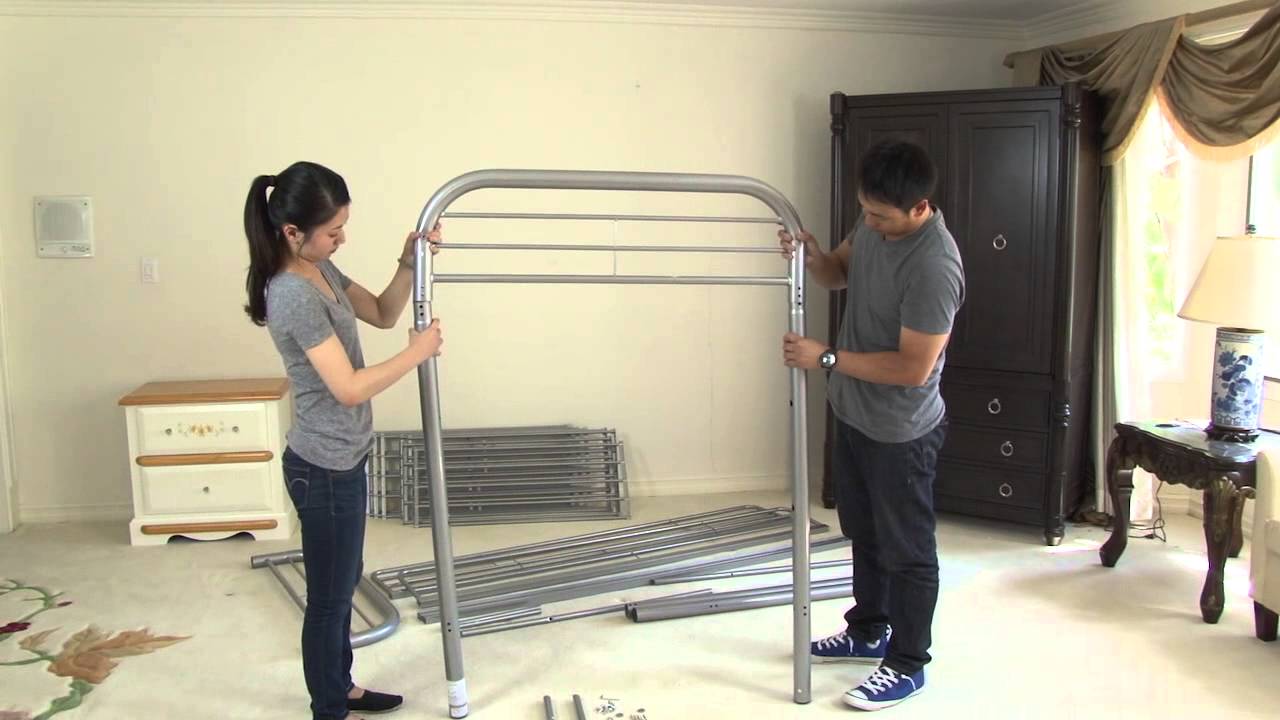
Start by placing the bottom frame on a flat surface. Hold the top frame above it carefully. Match the holes on both frames. Check that the edges line up evenly. Use a helper to keep frames steady. Avoid forcing parts to fit. Proper alignment prevents wobbling later.
Securing With Bolts And Screws
Insert bolts through the aligned holes. Hand-tighten each bolt lightly first. Add washers if provided for extra hold. Use a wrench or screwdriver to tighten bolts fully. Do not overtighten to avoid damage. Secure screws in all designated spots. Double-check all connections for firmness. Tight joints keep the bunk bed safe and durable.
Installing The Ladder
After assembling your frame futon bunk bed, focus on the final adjustments and safety checks. This step ensures your bed is secure and ready for use. Small tweaks make a big difference in safety and comfort.
Tightening Hardware
Go through all bolts, screws, and nuts carefully. Use the right tools to tighten each piece firmly. Avoid over-tightening, which can damage the frame. Make sure nothing is loose or wobbly. Double-check corners and joints for secure fits. Tight hardware keeps the bed stable and safe.
Checking Stability
Gently shake the bunk bed from different sides. The frame should not move or creak loudly. Test each ladder step for strength. Sit and lie down slowly on each level. Listen and feel for any unusual noises or shifts. Stability means the bed can hold weight safely. Fix any weak points before using the bed.

Credit: www.bedbathandbeyond.com
Final Adjustments And Safety Checks
Maintaining your futon bunk bed keeps it safe and comfortable for years. Regular care prevents damage and extends the bed’s life. Simple steps help avoid common issues and keep the bed sturdy.
Paying attention to small details makes a big difference. Check the frame and mattress often. Tighten screws and clean the surfaces. These habits keep the bed in good shape.
Checking And Tightening Screws
Loose screws cause the bed to wobble. Check screws at least once a month. Use a screwdriver to tighten any loose ones. This keeps the frame strong and safe.
Cleaning The Frame And Mattress
Dust and dirt can build up quickly. Wipe the frame with a damp cloth regularly. Vacuum the mattress to remove dust and debris. Clean parts make the bed fresh and inviting.
Inspecting For Damage
Look for cracks or bends in the frame. Check the mattress for tears or wear. Fix small issues early to avoid bigger problems. Safety comes first with a strong bed.
Rotating The Mattress
Rotating the mattress helps it wear evenly. Turn it every few months. This keeps comfort consistent on both the top and bottom bunks.
Credit: www.youtube.com
Frequently Asked Questions
How Long Does It Take To Assemble A Frame Futon Bunk Bed?
Assembling a frame futon bunk bed typically takes 2 to 4 hours. The time varies with your experience and tools available. Following instructions carefully speeds up the process. Having an extra person helps with lifting and aligning parts efficiently.
What Tools Are Needed For Futon Bunk Bed Assembly?
Common tools include a screwdriver, Allen wrench, and a hammer. Some kits provide specialized tools for convenience. A power drill can speed up the process but is not necessary. Always check the instruction manual for specific tool requirements.
How Do I Ensure Safety During Assembly?
Follow instructions step-by-step and do not skip any parts. Tighten all bolts and screws securely to prevent wobbling. Use a sturdy ladder or step stool for upper bunk assembly. Verify weight limits and install guardrails to enhance safety.
Can I Convert A Futon Bunk Bed Into Separate Beds?
Yes, many frame futon bunk beds are designed for conversion. Follow the manufacturer’s instructions to separate the bunk into two beds. This feature adds versatility and suits changing space or sleeping needs.
Conclusion
Assembling a frame futon bunk bed can be simple and quick. Follow each step carefully to avoid mistakes. Take your time and check all parts before starting. Use the right tools to make the process easier. Once done, enjoy your new space-saving furniture.
A well-built bunk bed adds comfort and style to any room. Keep the instructions handy for future reference or adjustments. You now have a sturdy, functional bed that fits your needs perfectly.