Are you tired of cluttered spaces and struggling to find a perfect spot for your books, DVDs, and CDs? Imagine having a single, stylish piece of furniture that keeps everything organized and easy to reach.
Building a bookshelf combined with DVD and CD storage is easier than you think—and it can transform your room instantly. In this guide, you’ll discover simple steps to create a custom solution tailored just for your collection. Ready to clear the mess and add a touch of personality to your space?
Let’s dive in and start building your ideal bookshelf today.

Credit: www.ebay.com
Planning Your Bookshelf
Planning your bookshelf carefully saves time and effort later. It helps create a shelf that fits your needs perfectly. Think about how many books, DVDs, and CDs you want to store. Also, consider the room’s style and space. A good plan makes building easier and ensures the final product looks great.
Choosing The Right Design
Pick a design that suits your style and storage needs. Decide if you want open shelves or closed cabinets. Open shelves show your books and media, while closed ones protect them from dust. Think about adding adjustable shelves for flexibility. A simple, clean design often works best for mixed storage.
Measuring Your Space
Measure the space where you want the bookshelf. Note the width, height, and depth carefully. Leave some extra space for air and easy access. Check for nearby doors, windows, or vents. Accurate measurements prevent fitting problems during installation.
Selecting Materials
Choose materials that match your budget and style. Wood is strong and looks good in most rooms. Plywood is affordable and easy to work with. Consider metal or glass for a modern touch. Pick finishes that protect the shelves and match your décor.
Gathering Tools And Supplies
Before starting to build your combined bookshelf and DVD/CD storage, gather all necessary tools and supplies. This step sets the foundation for a smooth building process. Having everything ready saves time and avoids interruptions.
Essential Tools
Get a measuring tape to ensure accurate cuts and fits. A saw is needed to cut wood pieces to size. Use a drill for making holes and driving screws. A screwdriver helps tighten screws securely. Sandpaper smooths rough edges for a clean finish. A level keeps shelves straight and balanced. Clamps hold pieces together while gluing or screwing. A pencil marks measurements on wood.
Material List
Choose sturdy wood like plywood or pine for shelves and sides. Purchase wood screws and nails to join parts firmly. Get wood glue for extra strength on joints. Pick paint or stain to protect and beautify the wood. Buy brackets or shelf supports to hold the shelves. Get backing board to cover the back of the bookshelf. Use edge banding to hide raw wood edges for a neat look.
Safety Equipment
Wear safety glasses to protect your eyes from dust and debris. Use ear protection to guard against loud tool noises. Gloves protect your hands from splinters and cuts. A dust mask prevents inhaling sawdust during sanding and cutting. Wear closed-toe shoes to protect your feet from dropped tools or wood. Keep a first aid kit nearby for quick treatment of minor injuries.
Cutting And Preparing Wood
Cutting and preparing wood is the first big step in building your combined bookshelf and DVD/CD storage. This step shapes your materials and sets the base for a strong, neat piece. Careful work here saves time and frustration later.
Good preparation helps your project fit perfectly. It also makes the final product look clean and professional. Follow these simple steps to measure, cut, and smooth your wood correctly.
Measuring And Marking
Start by measuring your wood pieces with a tape measure. Measure twice to avoid mistakes. Mark the cutting lines clearly using a pencil and a ruler. Use square tools to keep lines straight and angles right. Clear markings guide your cuts and help keep pieces uniform.
Cutting Techniques
Use a saw suited for your wood type and thickness. A circular saw works well for large boards. A handsaw can cut small pieces with control. Cut along the marked lines slowly and steadily. Keep your hands safe by holding the wood firmly or using clamps. Smooth, even cuts reduce sanding work later.
Sanding And Smoothing
Sand all cut edges with medium-grit sandpaper first. This removes roughness and splinters. Then use fine-grit sandpaper for a smooth finish. Sand in the direction of the wood grain to avoid scratches. Clean dust off the wood before assembly. Smooth surfaces help paint or stain stick better and improve the shelf’s look.
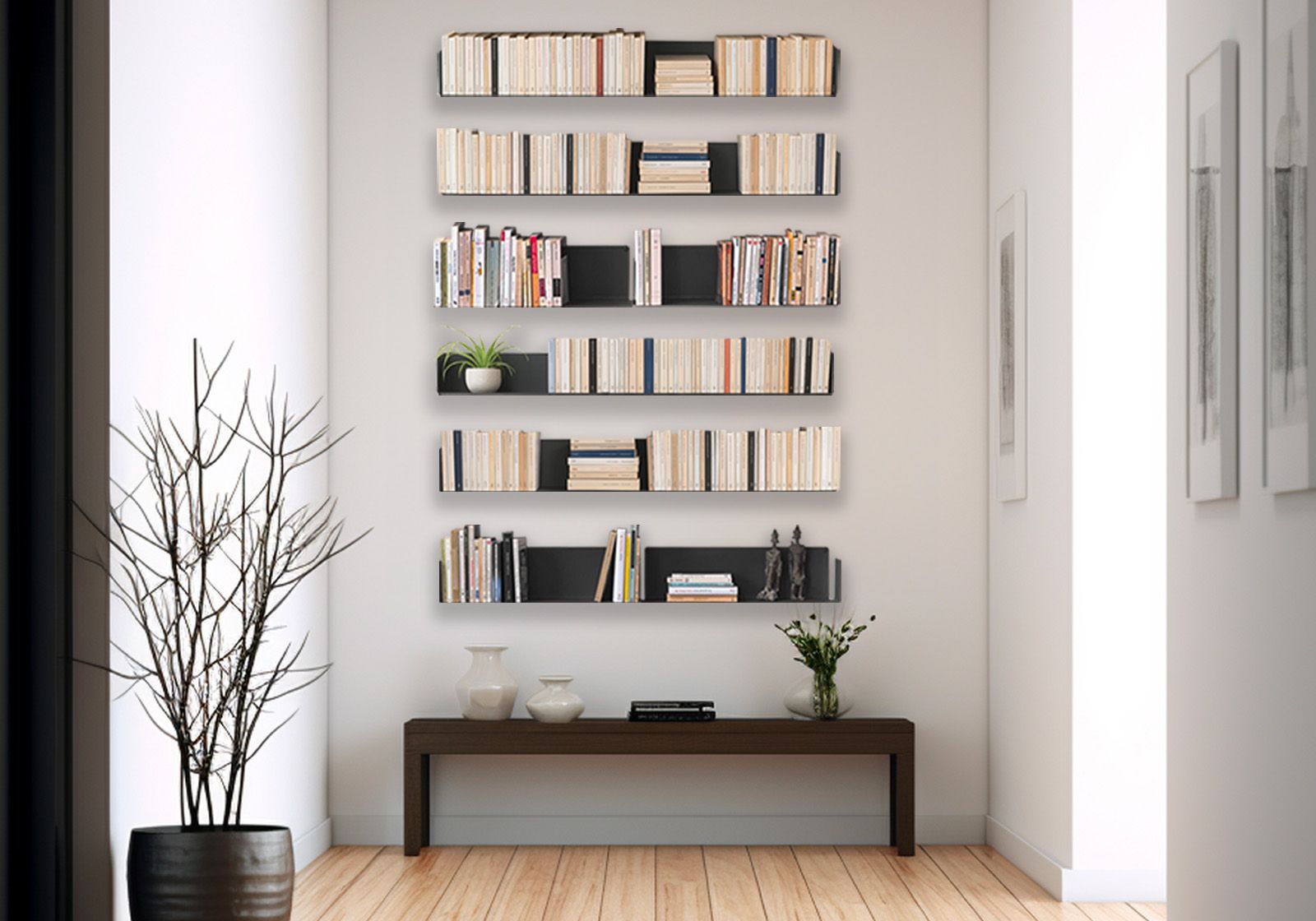
Credit: www.teebooks.net
Assembling The Frame
Assembling the frame is the first step in creating your combined bookshelf and DVD/CD storage. It sets the shape and strength of the entire unit. A strong frame keeps everything stable and supports the weight of books and media. This section guides you through building the base, constructing shelves, and joining all parts securely.
Building The Base
Start by cutting the base boards to your desired size. Use sturdy wood for support. Lay the boards flat and join them with screws or wood glue. Make sure the base is square by measuring the corners. A level base prevents wobbling. Double-check the measurements before fixing the boards together.
Constructing Shelves
Measure the space between shelves based on what you will store. DVDs and CDs need less height than books. Cut each shelf board to fit inside the frame snugly. Sand the edges smooth to avoid splinters. Place the shelves evenly, leaving enough room for your items. Use supports or brackets under each shelf for extra strength.
Joining Components
Align the side panels with the base and shelves carefully. Use screws or nails to attach the parts firmly. Pre-drill holes to prevent wood from splitting. Check for square angles as you join each piece. Tighten all connections to keep the frame stable. A solid frame holds up well over time and use.
Designing Dvd And Cd Storage
Designing storage for DVDs and CDs requires careful planning. These items have specific sizes and need easy access. A well-designed shelf keeps your collection neat and safe. It also makes finding your favorite movie or album quick and simple.
Consider how many DVDs and CDs you own. Think about future additions too. Good design helps organize and protect your media.
Optimal Shelf Sizes
DVDs usually measure about 7.5 inches tall and 5.3 inches wide. CDs are smaller, about 5 inches tall and 5 inches wide. Shelves should be sized to fit these dimensions comfortably.
Allow extra space for easy removal and replacement. Around 1 inch of extra height and width works well. Avoid tight fits that can damage cases or make access hard.
Creating Dividers
Dividers keep DVDs and CDs upright and separate. Use thin wooden or plastic panels. Space dividers to match the width of each case, around 0.5 inches thick.
Dividers prevent items from leaning or falling. They also help sort collections by genre or artist. Adjustable dividers add flexibility for different case sizes.
Incorporating Accessibility
Place shelves at a comfortable height for easy reach. Avoid very high or low shelves. Consider pull-out trays or sliding shelves for deeper storage.
Label sections clearly to save time searching. Good lighting also improves visibility. Accessibility makes using your collection enjoyable and hassle-free.
Finishing Touches
Finishing touches bring your bookshelf and DVD/CD combo to life. They protect your work and add style. These final steps make your project look complete and last longer. Focus on painting or staining, adding hardware, and applying a protective coating.
Painting And Staining
Choose paint or stain to match your room’s style. Paint gives a smooth, colorful look. Stain shows the wood’s natural beauty and grain. Apply thin coats for an even finish. Let each coat dry fully before adding another. Use a brush or cloth for better control.
Adding Hardware
Hardware adds function and charm to your bookshelf. Consider handles, knobs, or decorative brackets. They make it easy to move or open parts of the shelf. Pick hardware that fits your style and the shelf’s size. Secure pieces tightly to avoid wobbling.
Protective Coating
Protective coatings guard against scratches and spills. Clear polyurethane or varnish works well on painted or stained wood. Apply two or three thin layers. Let each layer dry completely. This step ensures your shelf stays beautiful and strong for years.

Credit: www.amazon.com
Frequently Asked Questions
What Materials Are Needed To Build A Bookshelf And Dvd/cd Combo?
You need wood panels, screws, brackets, wood glue, sandpaper, paint or varnish, and tools like a saw and drill. Choose sturdy wood to support books and media. Quality materials ensure durability and a polished finish.
How Do I Design A Bookshelf With Dvd/cd Storage?
Plan separate compartments for books and media. Use adjustable shelves for books and smaller slots for DVDs/CDs. Measure your space and media collection first to maximize storage and organization efficiently.
Can I Build A Bookshelf And Dvd/cd Combo Without Professional Help?
Yes, with basic woodworking skills and tools, you can build it yourself. Follow detailed plans, measure carefully, and take safety precautions. DIY saves money and allows customization to your needs.
How Long Does It Take To Build A Combined Bookshelf And Dvd/cd Rack?
Typically, it takes 1 to 3 days depending on your experience and project size. Allow time for cutting, assembling, sanding, and finishing. Rushing may affect quality, so work patiently.
Conclusion
Building a combined bookshelf and DVD/CD stand saves space and looks neat. It keeps your books, DVDs, and CDs organized in one place. You can choose the size and style that fits your room. Using simple tools and materials makes the project easier.
Enjoy the satisfaction of creating something useful with your own hands. Start small, follow steps carefully, and adjust as needed. This project adds charm and function to your home. Give it a try and see the difference it makes.