Are you looking for a clever way to create a desk without spending a lot of money or space? Turning a bookshelf into a desk might be the perfect solution for you.
Imagine having a stylish, functional workspace made from something you already own or can easily find. In this guide, you’ll discover simple steps to transform a bookshelf into a desk that fits your needs and style. Keep reading, and you’ll soon have a unique desk that saves you money and adds charm to your room.
Credit: cassmakeshome.com
Choosing The Right Bookshelf
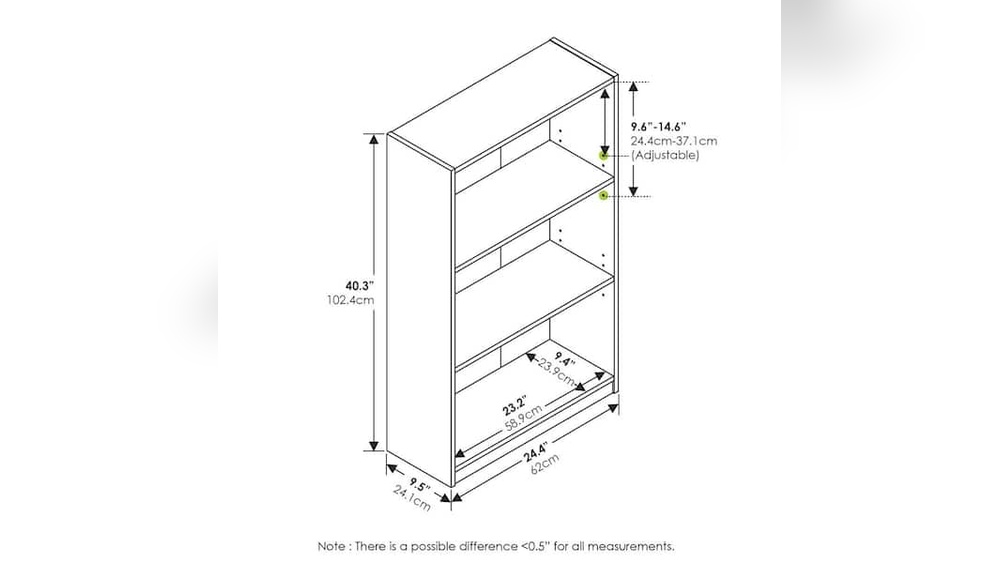
Choosing the right bookshelf is the first step to making a desk. The bookshelf must fit your space and needs. It should hold your work items and support a flat surface. Picking the right one helps create a comfortable and useful desk.
Size And Height Considerations
Measure the space where you want the desk. The bookshelf should not be too tall or too wide. It must fit well and leave room for a chair. The height should match your sitting position. Too high or low causes discomfort. Choose a size that works for your body and room.
Material And Style Options
Bookshelves come in wood, metal, or plastic. Wood is strong and looks warm. Metal is modern and sturdy. Plastic is light but less strong. Pick a style that fits your room’s look. A simple design is easy to change into a desk. Think about color and texture too. It should blend well with your home or office.
Gathering Necessary Tools And Materials
Before starting your desk project, gather all tools and materials. A clear plan helps you work smoothly and avoid interruptions. Having the right tools saves time and effort. It also ensures your desk is sturdy and looks great.
Basic Tools For Assembly
Prepare these basic tools to build your desk from a bookshelf. A screwdriver is essential for removing or tightening screws. A drill makes holes and speeds up assembly. A tape measure helps you check sizes and distances. A level keeps your desk even and straight. Sandpaper smooths rough edges on wood surfaces. A pencil marks measurements and drill points.
Additional Supplies For Stability
For extra strength, gather these supplies. Wood glue bonds parts securely. L-brackets add support to corners. Screws hold pieces tightly together. Furniture pads protect floors and keep the desk steady. Clamps hold parts in place while glue dries. These items improve your desk’s durability and safety.
Preparing The Bookshelf
Preparing the bookshelf is a key step before turning it into a desk. This stage ensures the piece is clean, sturdy, and ready for modification. Proper preparation makes the building process smoother and the final desk more reliable.
Cleaning And Inspecting
Start by wiping down the bookshelf with a damp cloth. Remove dust, dirt, and any sticky spots. Check the surface for scratches or dents. Look at the corners and edges for damage. Make sure the bookshelf stands firm and does not wobble. Tighten loose screws or nails to improve stability.
Removing Or Adjusting Shelves
Decide which shelves to keep or remove. Removing some shelves creates space for a desk surface. Carefully take out the shelves without breaking them. Some shelves can be adjusted to different heights. This helps fit your legs and provides room for storage. Use a screwdriver or hammer to adjust shelf supports as needed.
Credit: www.woodshopdiaries.com
Converting The Bookshelf Into A Desk
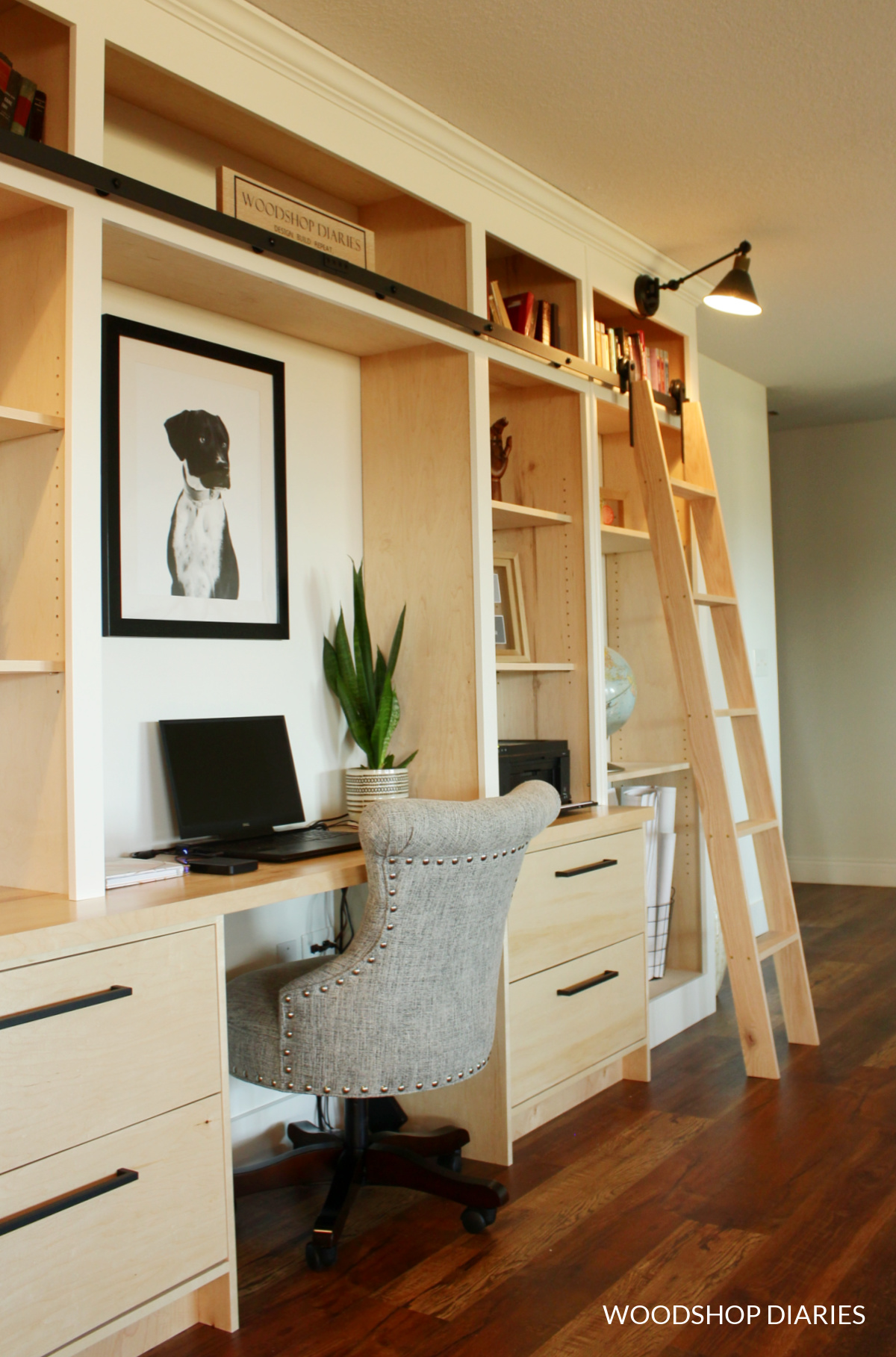
Converting a bookshelf into a desk is a smart way to save space and money. It gives you a new workspace without buying new furniture. This process needs careful steps to make sure the desk is safe and sturdy. Focus on securing the desk surface and adding strong support. These steps help create a durable and functional desk from a simple bookshelf.
Securing The Desk Surface
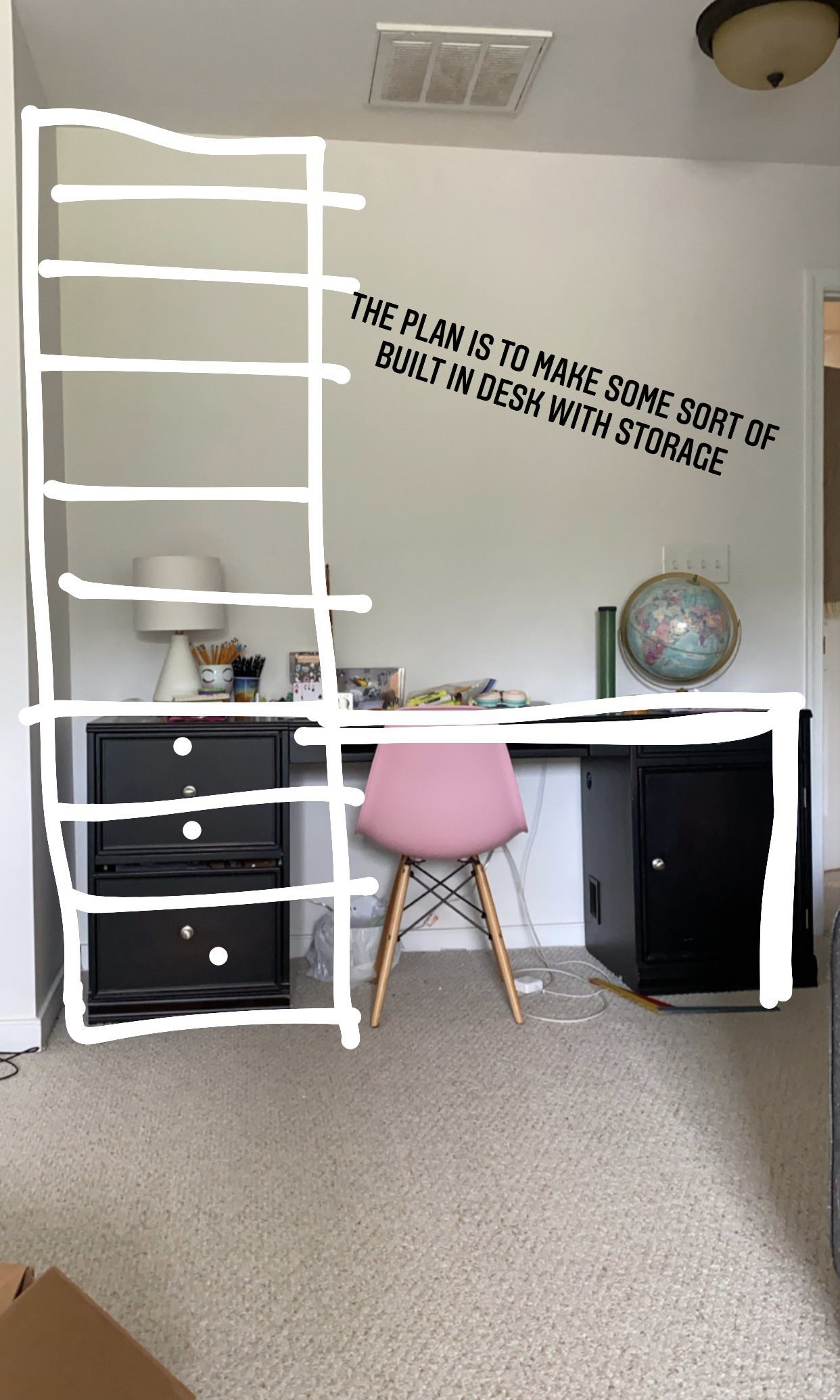
Start by choosing a flat, strong board for the desk surface. Use the top shelf or add a new board on top of the bookshelf. Attach the surface with screws or strong wood glue. Make sure the surface is level and does not move. Secure it well to avoid wobbling or shifting during use.
Adding Support And Reinforcements
Support is key for a stable desk. Add brackets under the desk surface to hold extra weight. Use corner braces inside the bookshelf for more strength. Check all screws and joints to ensure tight connections. Reinforce weak spots with wood glue and extra screws. Strong support prevents the desk from bending or collapsing.
Customizing Your Diy Desk
Customizing your DIY desk lets you create a workspace that fits your style and needs. This step makes your desk unique and more useful. You can change colors, add storage, and make it comfortable to use every day.
Painting And Finishing Touches
Choose paint colors that match your room or mood. Use a primer first for smooth results. Paint the bookshelf with even strokes. Let each coat dry before adding another. Seal the paint with a clear finish for protection. Sand edges lightly for a polished look. Small details, like new knobs, can make a big difference.
Adding Storage And Organization
Add baskets or bins in the shelves to hold supplies. Use drawer organizers to keep items neat. Attach hooks on the sides for headphones or cables. Place small containers for pens and notes. Label storage boxes for quick access. These ideas keep your desk tidy and help you find things fast.

Credit: heartworkorg.com
Setting Up Your New Workspace
Keeping your desk made from a bookshelf in good shape takes some care. Proper maintenance can make it last longer. Simple habits protect the surface and structure. This section shares easy tips to help your desk stay strong and look nice over time.
Regular Cleaning
Dust your desk often using a soft cloth. Wipe spills quickly to avoid stains. Use mild soap and water for cleaning. Avoid harsh chemicals that can damage the finish. Dry the desk well after cleaning. Clean shelves and corners to prevent dust build-up.
Preventing Wear And Tear
Use coasters for drinks to stop water marks. Avoid placing very heavy items on the desk. Lift objects instead of dragging them across the surface. Add felt pads under accessories to prevent scratches. Tighten screws and joints regularly for stability. Keep the desk away from direct sunlight to avoid fading.
Frequently Asked Questions
How Do I Convert A Bookshelf Into A Desk?
To convert a bookshelf into a desk, remove some shelves for leg space. Secure the remaining shelves for stability. Add a smooth surface on top for writing or computer use. This creates a functional desk using your existing bookshelf.
What Tools Are Needed To Make A Desk From A Bookshelf?
You need a screwdriver, drill, measuring tape, level, and sandpaper. Optional tools include wood glue and clamps. These tools help you modify and stabilize the bookshelf into a sturdy desk.
Can Any Bookshelf Be Transformed Into A Desk?
Most bookshelves with sturdy construction and adjustable shelves can be converted. Avoid lightweight or unstable models as they may not support desk use safely. Choose a bookshelf with enough height and width for comfortable seating.
How Much Does It Cost To Make A Desk From A Bookshelf?
Costs vary depending on materials and tools you already have. Typically, it costs under $50 for paint, screws, and a desktop surface. Using an existing bookshelf saves money compared to buying a new desk.
Conclusion
Making a desk from a bookshelf is simple and fun. You only need a few tools and some patience. This project saves money and uses what you already have. Plus, it gives you a unique workspace at home. Just follow the steps carefully and take your time.
Soon, you will have a practical desk that fits your style. Try it out and enjoy your new, creative workspace.