Are you ready to create something useful and beautiful with your own hands? Building a bookshelf might seem tricky if you’ve never tried before, but it’s easier than you think.
Imagine having a custom shelf that fits perfectly in your space and holds all your favorite books. In this guide, you’ll learn simple steps to build a sturdy bookshelf from scratch—even if you have no experience. By the end, you’ll feel proud of your new skill and your new shelf.
Let’s get started and make your space organized and stylish!
Choosing The Right Materials
Choosing the right materials sets the foundation for a strong and beautiful bookshelf. The materials affect the shelf’s durability, look, and ease of building. Selecting the right wood and tools makes the project easier and the result better. Safety gear keeps you protected during the work. Each choice plays a key role in your success.
Types Of Wood
Wood choice depends on budget and style. Pine is soft, cheap, and easy to work with. Oak and maple are harder woods, very strong but cost more. Plywood is a good option for flat shelves. It is stable and affordable. Choose wood without cracks or knots for better strength. Smooth wood helps with sanding and painting.
Tools You’ll Need
Basic tools make building easier and safer. You need a saw to cut wood pieces. A drill helps with screws and holes. Sandpaper smooths rough edges. A measuring tape is key for accuracy. A level keeps shelves straight. Clamps hold wood steady while gluing or screwing. Start simple and add tools as you go.
Safety Gear Essentials
Safety gear protects your body during work. Wear safety glasses to shield your eyes from dust and wood chips. Use gloves to avoid splinters and cuts. A dust mask keeps harmful particles out of your lungs. Ear protection reduces noise from power tools. Dress in close-fitting clothes to prevent accidents. Safety first, always.
Planning Your Bookshelf
Planning your bookshelf is the first step to a successful project. It helps avoid mistakes and saves time. Careful planning ensures the bookshelf fits your space and meets your needs. This section guides you through measuring, designing, and listing materials.
Measuring The Space
Start by measuring the wall or area for your bookshelf. Use a tape measure for accuracy. Note the height, width, and depth available. Check for obstacles like outlets or vents. Write down all measurements clearly. This helps create a shelf that fits perfectly.
Designing The Layout
Think about what you want to store on the shelf. Books, decor, or storage boxes need different space. Decide on the number of shelves and their spacing. Sketch a simple drawing to visualize the design. Keep the design simple for easier building. Adjust shelf heights based on item sizes.
Creating A Materials List
List all materials needed before shopping. Include wood, screws, brackets, and paint or stain. Choose wood types based on budget and style. Count the number of shelves and supports needed. Add extra screws and nails for safety. Having a complete list speeds up the building process.
Cutting And Preparing Wood
Cutting and preparing wood is a key step in building a bookshelf. It shapes the wood pieces to fit perfectly. Taking time here helps avoid mistakes later. Proper preparation makes assembly easier and safer.
Start with clear measurements and careful cuts. Then smooth the edges for a clean look. These steps ensure your bookshelf looks neat and lasts long.
Marking Measurements
Measure your wood pieces carefully. Use a tape measure for accuracy. Mark each cut line with a pencil. Double-check marks before cutting. Clear marks guide your saw and keep cuts straight.
Cutting Techniques
Choose the right saw for your cuts. A handsaw works for simple, straight cuts. For more precision, try a circular saw. Cut slowly along the marked lines. Keep your hand steady and follow the line closely. Safety first: wear goggles and gloves.
Sanding For Smooth Edges
Sand all cut edges to remove splinters. Use medium-grit sandpaper at first. Then switch to fine-grit for a smooth finish. Sand in the direction of the wood grain. Smooth edges prevent injuries and help paint stick better.
Assembling The Frame
Assembling the frame is the first big step in building your bookshelf. It forms the basic shape and support for your shelves. Taking your time here will make the rest of the project easier and stronger. Follow simple steps to connect the wood pieces securely.
Joining The Pieces
Start by lining up the side panels and the top and bottom boards. Make sure the edges match perfectly. Use wood glue on the joints for extra hold. Press the pieces together firmly before moving to the next step. Clamps can help keep everything steady while the glue dries.
Using Nails And Screws
Nails are quick, but screws offer stronger support. Drill pilot holes first to avoid splitting the wood. Use screws to attach the shelves to the frame. Drive nails into less visible areas for a clean look. Tighten screws until snug but not too tight to avoid damage.
Checking For Stability
Stand the frame upright and give it a gentle shake. If it wobbles, check all joints and tighten screws. Use a level to ensure shelves sit straight. Add corner braces if needed for extra strength. A stable frame means your bookshelf will hold books safely and last longer.
Adding Shelves
Adding shelves to your bookshelf is an important step. Shelves hold your books and other items. Proper shelf placement makes the bookshelf both strong and useful.
This part explains how to space shelves evenly, secure them safely, and choose between adjustable or fixed shelves.
Spacing Shelves Evenly
Measure the height of your bookshelf first. Divide this height by the number of shelves plus one. This gives equal space for each shelf. Mark these points on the side panels. Use a level to keep marks straight. Even spacing helps keep your books balanced and easy to reach.
Securing Shelves In Place
Use screws or shelf pins to fix shelves. Screws give strong, permanent support. Shelf pins allow easy changes later. Drill holes for shelf pins at the marked spots. Place shelves on pins or screw them tightly. Check each shelf is level before securing fully.
Adjustable Vs Fixed Shelves
Fixed shelves are stronger and last longer. They suit heavy books and long-term use. Adjustable shelves offer flexibility. Change shelf height anytime for different items. Choose fixed shelves for stability. Choose adjustable shelves for variety and easy rearranging.

Credit: www.simplyeasydiy.com
Finishing Touches
Finishing touches make your bookshelf look complete and protect it from damage. These final steps improve its appearance and help it last longer. A few simple techniques can change a plain shelf into a beautiful piece of furniture.
Applying Paint Or Stain
Choose paint or stain based on the style you want. Paint gives a smooth, colorful look. Stain shows the wood grain and adds warmth. Use a brush or cloth to apply evenly. Let each coat dry fully before adding another. Light sanding between coats helps the finish stick better.
Sealing For Durability
Sealing protects your bookshelf from scratches and moisture. Use a clear sealant like polyurethane or varnish. Apply thin layers with a clean brush. Allow drying time between coats. This step keeps the wood strong and easy to clean. It also keeps the paint or stain from wearing off.
Adding Decorative Elements
Decorative touches make your bookshelf unique. Add trim or molding for a classic look. Use stencils or stickers for patterns. Attach small hooks or knobs for extra function. Choose simple decorations that match your room style. Keep it neat and avoid overcrowding the shelf.
Maintaining Your Bookshelf
Building a bookshelf is only the first step. Keeping it in good shape helps it last longer. A well-maintained shelf looks nice and holds your books safely. Simple care routines can prevent many problems. Learn easy ways to clean and fix your shelf. Protect it from damage over time.
Cleaning Tips
Dust your bookshelf often with a soft cloth. Use a damp cloth for sticky spots, but not too wet. Avoid harsh cleaners that can damage the wood or paint. Clean shelves before adding new books. This keeps your books and shelf fresh and neat.
Repairing Minor Damages
Small scratches or chips can be fixed quickly. Use wood filler or matching paint to cover marks. Tighten loose screws or nails to keep shelves steady. Check corners and joints for any gaps. Fixing these early stops bigger problems later.
Preventing Wear And Tear
Place your bookshelf away from direct sunlight and moisture. Use coasters or pads under heavy items to avoid dents. Avoid overloading shelves beyond their weight limit. Rotate books and items to spread the load. These steps help keep your shelf strong and safe.
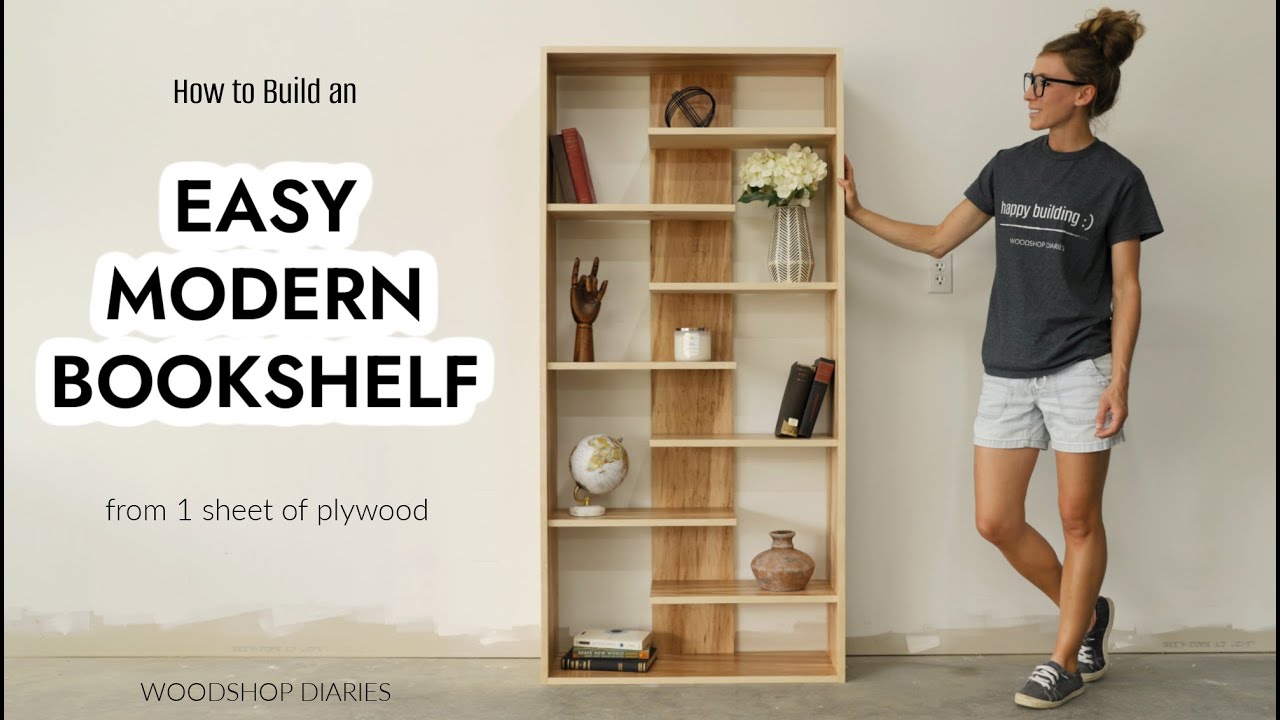
Credit: www.woodshopdiaries.com

Credit: www.spryinterior.com
Frequently Asked Questions
What Materials Are Needed To Build A Beginner Bookshelf?
You need wood boards, screws, wood glue, sandpaper, and paint or stain. Basic tools include a saw, drill, screwdriver, and measuring tape. These materials ensure a sturdy, well-finished bookshelf suitable for beginners.
How Much Time Does Building A Bookshelf Take?
Building a simple bookshelf usually takes 4 to 6 hours. Time varies based on skill level and design complexity. Beginners should plan for extra time to measure, cut, and assemble carefully.
What Wood Type Is Best For Beginner Bookshelves?
Pine is ideal for beginners due to affordability and ease of use. It’s lightweight, easy to cut, and accepts paint or stain well. Hardwood offers durability but is harder to work with for beginners.
How Do I Ensure My Bookshelf Is Stable?
Use quality screws and wood glue for strong joints. Ensure shelves are level and evenly spaced. Adding a back panel or securing the bookshelf to the wall improves stability.
Conclusion
Building a bookshelf can feel simple with clear steps. Start with the right materials and tools. Measure carefully to make sure everything fits well. Take your time assembling each part. Enjoy the process of creating something useful. Soon, you will have a sturdy shelf to hold your books.
This project helps improve your skills and confidence. Try different designs as you learn more. Building your own furniture brings pride and fun. Keep practicing, and each bookshelf will get better.